
Dodge Charger History
Dodge's muscle nameplate — a 1966–78 B-body icon, an '80s FWD subcompact, then a modern Hemi sedan and EV.
Photo: “May 2022 A&W Cruise Night 04” by Crown Star Images / Wikimedia Commons, licensed under CC BY 2.0. Cropped to 16:9.
Start with a make and model. Add a year where a detailed guide is available.
40 detailed year guides available. Select a year or open the model history.
Browse this model's history and yearsModel-year archive
Browse model years
Browse the Dodge Charger year by year, or narrow the archive by generation, body style, engine, and highlights. Coverage varies by year and configuration.
- Model years
- 40
- Generations
- 8
- Archive span
- 1966–2026
Photo: “May 2022 A&W Cruise Night 04” by Crown Star Images / Wikimedia Commons, licensed under CC BY 2.0. Cropped to 16:9.
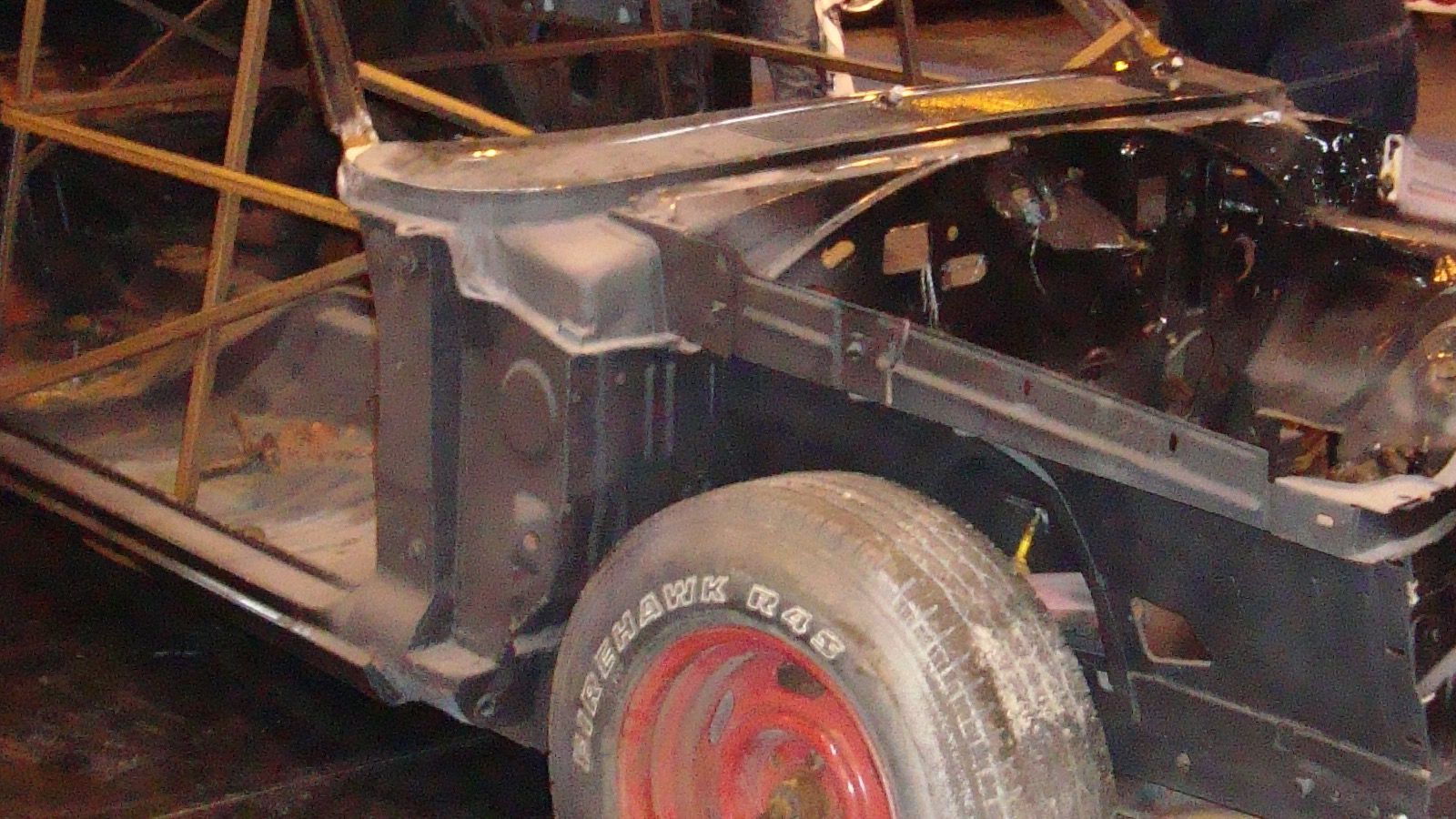
Photo: “1967-1970 Dodge Charger” by Kieran White from Manchester, England / Wikimedia Commons, licensed under CC BY 2.0. Cropped to 16:9.
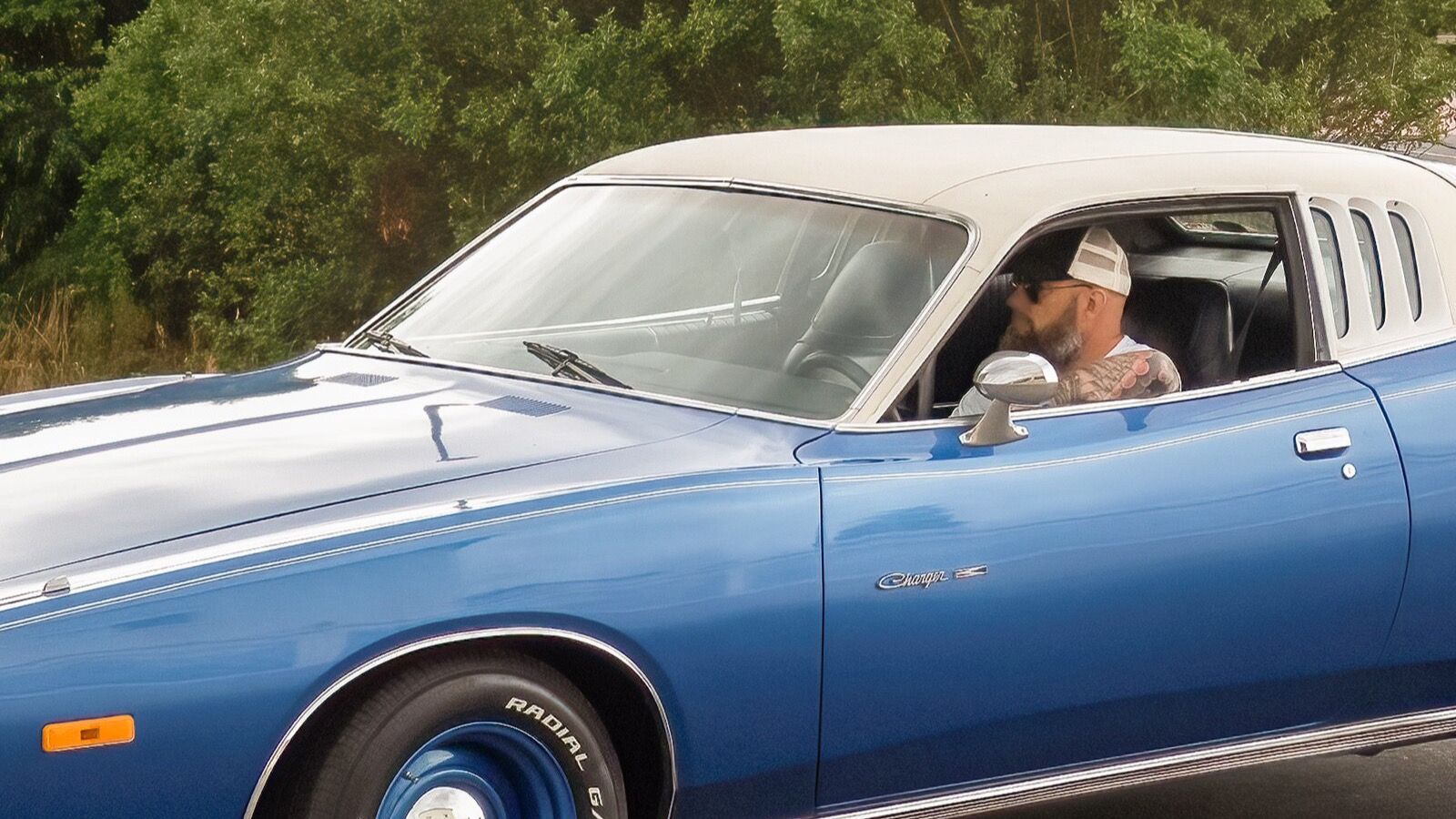
Photo: “Dodge Charger (B-body; 1971-1974) Hirschaid” by Ermell / Wikimedia Commons, licensed under CC BY-SA 4.0. Cropped to 16:9.
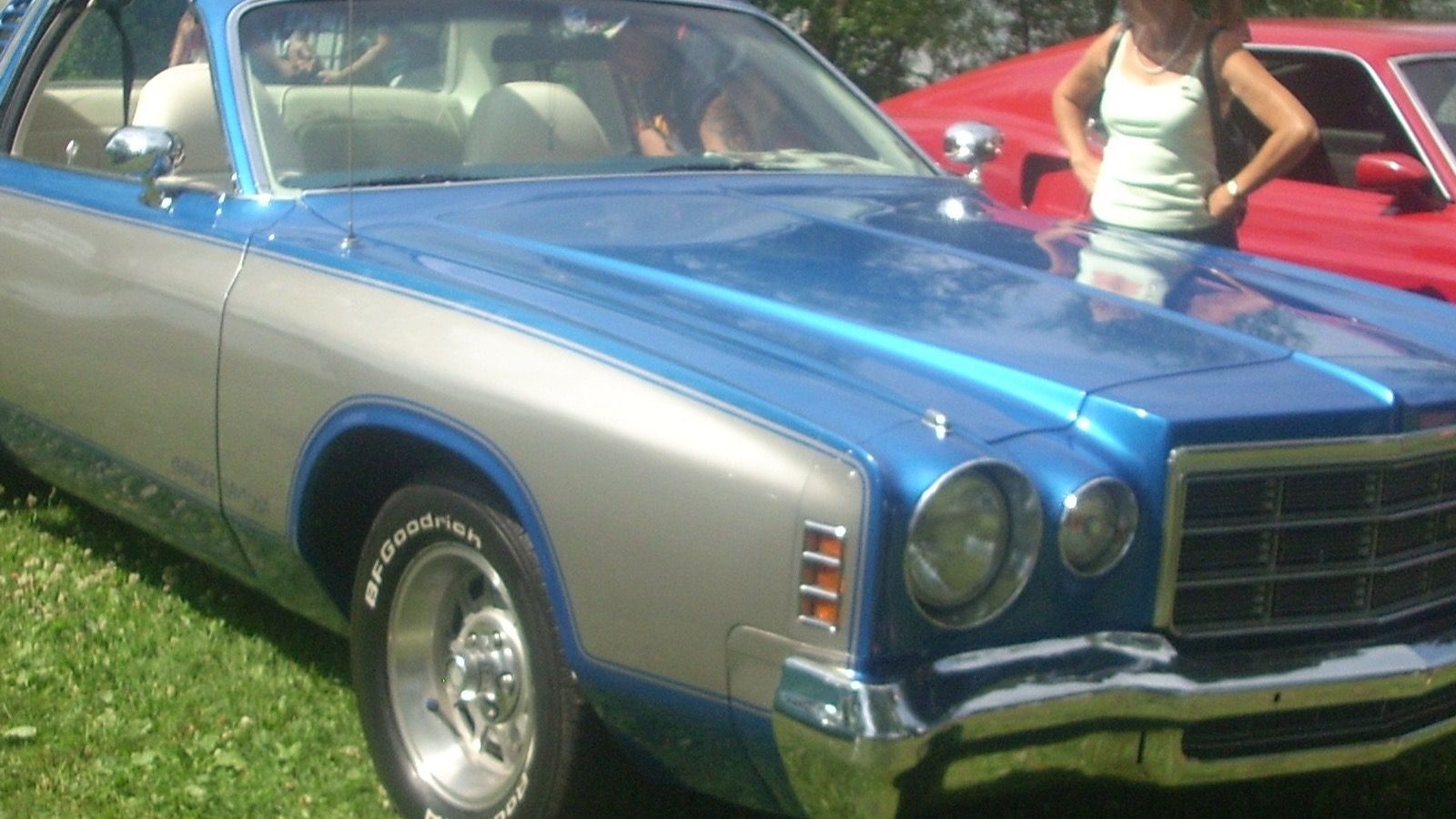
Photo: “Dodge Charger (Auto classique Laval '10)” by Bull-Doser / Wikimedia Commons — Public domain. Cropped to 16:9.
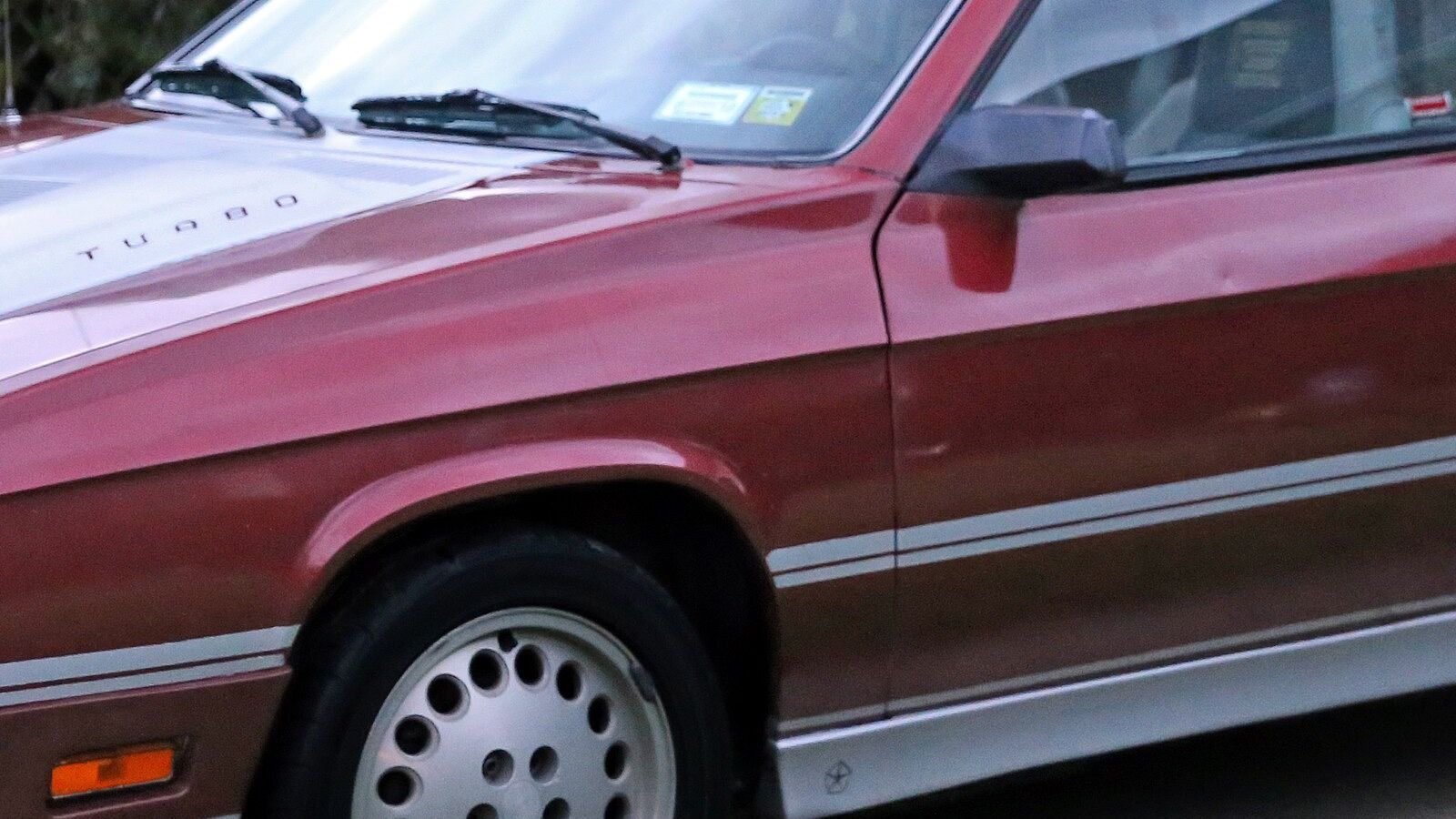
Photo: “1987 Dodge Shelby Charger, fL” by Mr.choppers / Wikimedia Commons, licensed under CC BY-SA 3.0. Cropped to 16:9.
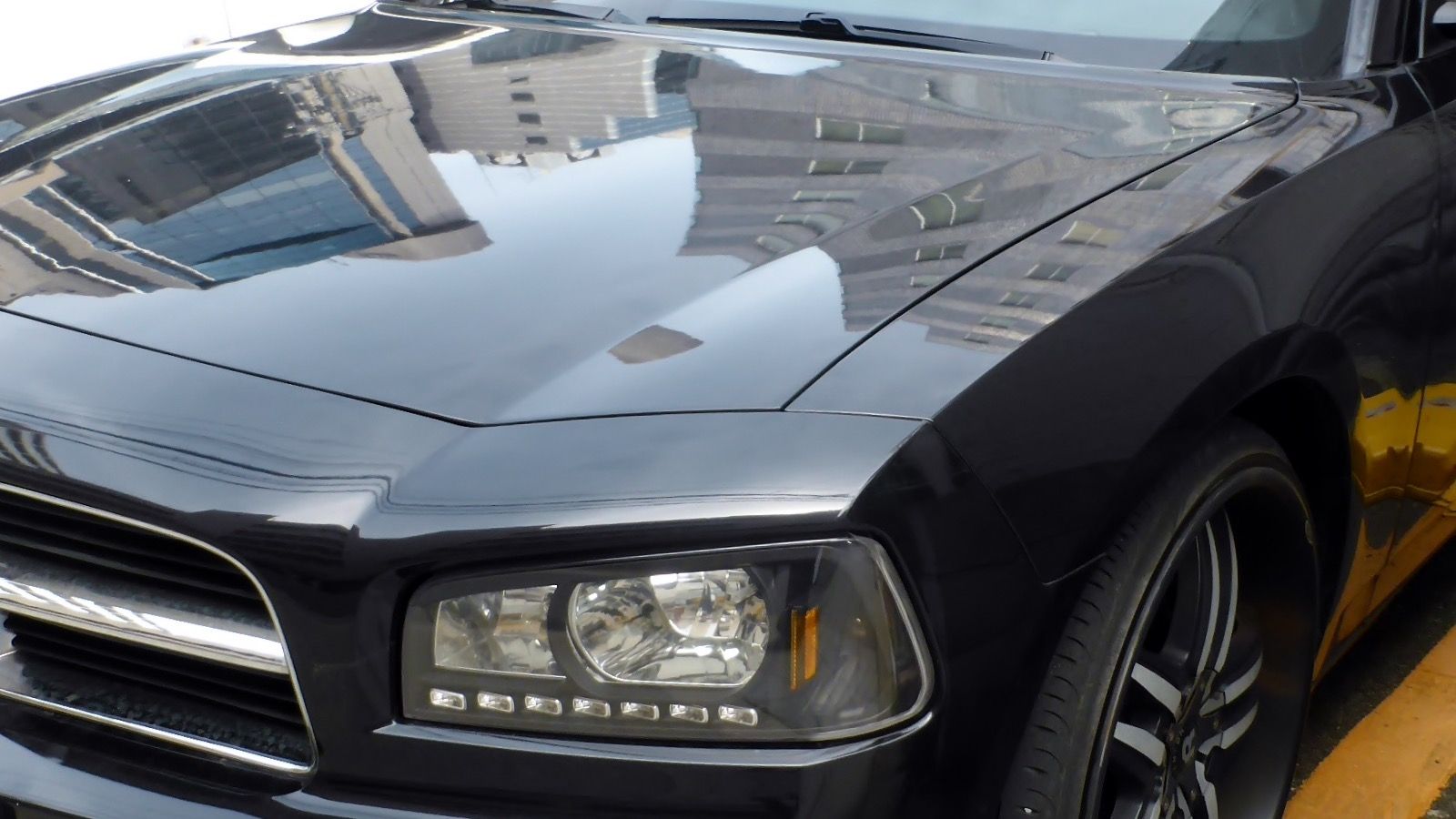
Photo: “Dodge CHARGER SXE (LX) front” by Tokumeigakarinoaoshima / Wikimedia Commons — CC0 1.0. Cropped to 16:9.
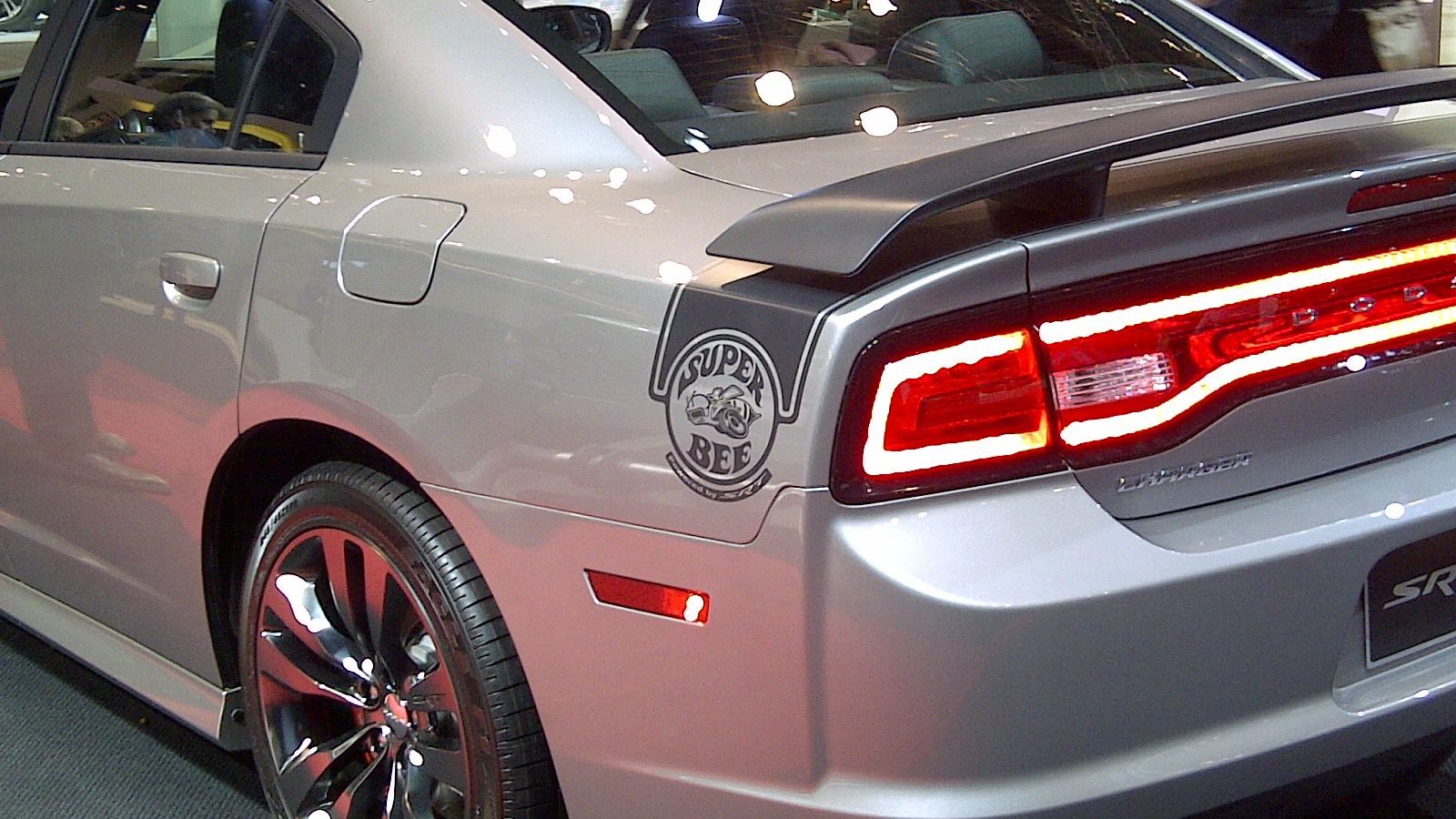
Photo: “Dodge Charger SRT” by artistmac / Wikimedia Commons, licensed under CC BY-SA 2.0. Cropped to 16:9.
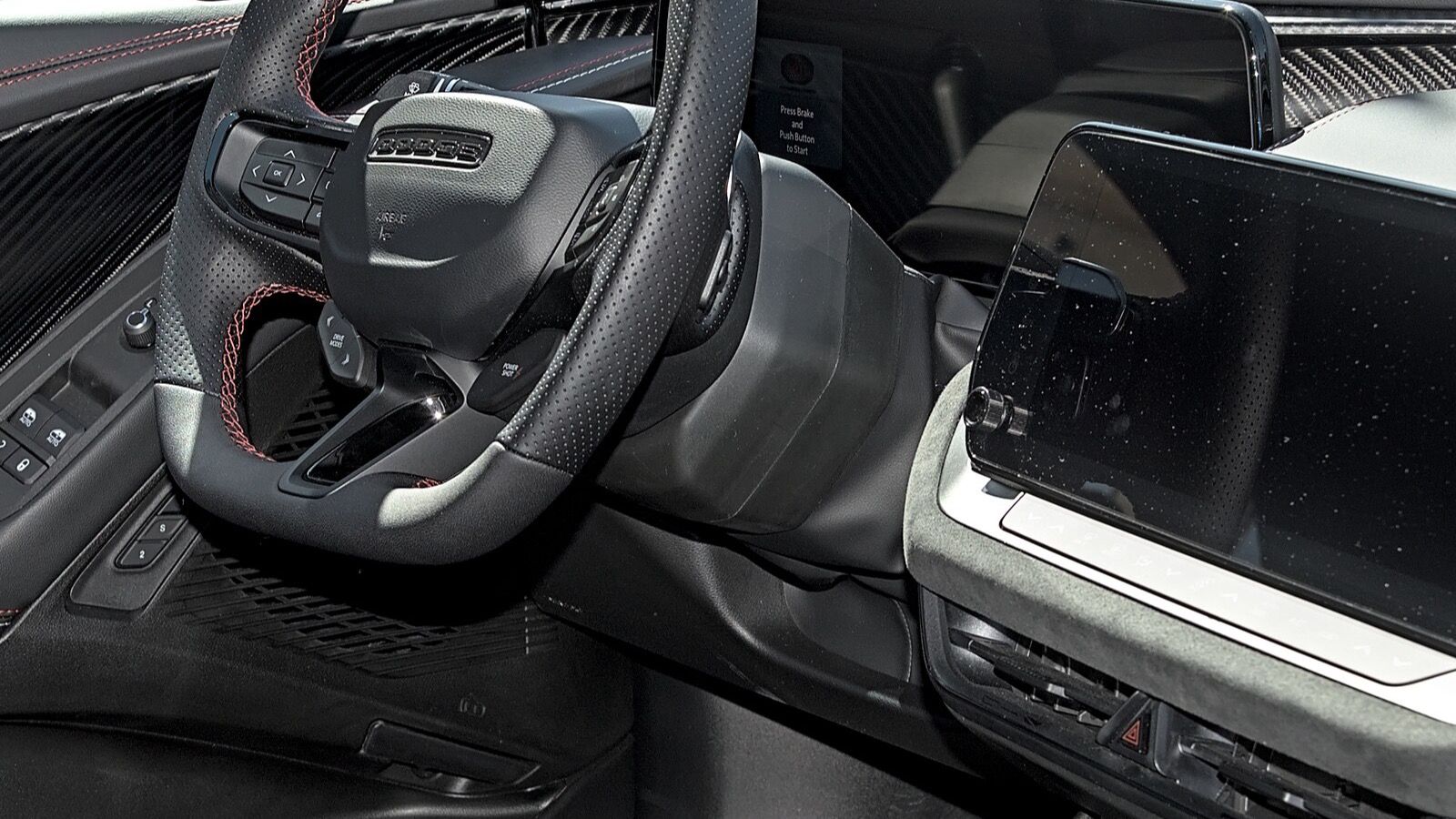
Photo: “Dodge Charger Daytona (2024) MYLE Festival 2025 DSC 9394” by Alexander Migl / Wikimedia Commons, licensed under CC BY-SA 4.0. Cropped to 16:9.
Eighth generation · LB (Charger / Charger Daytona)
2024–present
The LB-platform Charger launched with the electric two-door Charger Daytona for 2024 and expanded into a multi-energy range. For 2026, the 420-hp R/T and 550-hp Scat Pack use twin-turbo 3.0-liter SIXPACK inline-six power, while the 670-hp Daytona Scat Pack remains electric; all three are offered with two or four doors and standard all-wheel drive.
History
The Charger launched for 1966 as a fastback on the mid-size B-body, then became an icon with the 1968 'Coke-bottle' redesign that spawned the R/T and the 200-mph 1969 Daytona aero car.
After the muscle-era B-body ended in 1978, the name was controversially reused on a front-wheel-drive L-body subcompact hatchback (1982–1987) — a completely different car.
The nameplate was revived for 2006 as a rear-wheel-drive four-door sedan on the LX platform, going on to host the 707-hp SRT Hellcat, before an all-new electric Charger Daytona arrived for 2024.
Generations
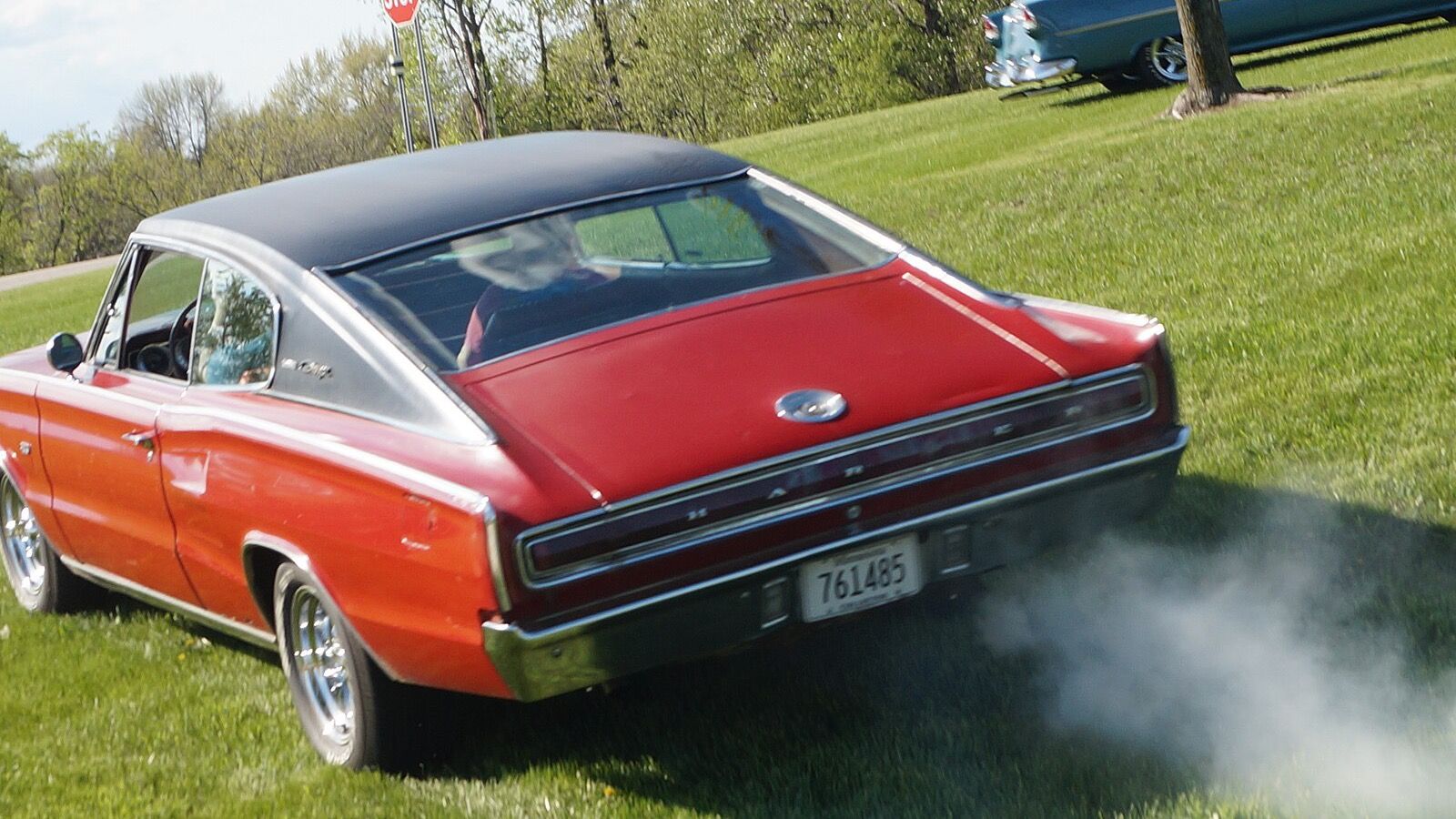
First generation · B-body fastback
Launched as a fastback derivative of the mid-size Coronet on the Chrysler B-body, with a distinctive full-width hidden-headlight grille and a flowing fastback roofline. The 426 Hemi was offered from the start.
Second generation · 'Coke-bottle' B-body
The iconic 1968 redesign brought 'Coke-bottle' styling, a recessed grille, and the tunneled rear window — the Charger most people picture. Home of the R/T, the 1968 Super Bee-spirited muscle, and the 1969 aero Daytona.
Third generation · Fuselage B-body
Restyled for 1971 with a more rounded, semi-fastback 'fuselage' look, split grille, and revised body, adapting to tightening emissions and insurance pressures that were winding down the muscle era.
Fourth generation · Personal-luxury B-body
Repositioned as a personal-luxury coupe — sharing its body with the Chrysler Cordoba — with formal styling, opera windows, and plush trim rather than performance. The B-body Charger ended after 1978.
Fifth generation · L-body (FWD subcompact)
A completely different car: a front-wheel-drive subcompact three-door hatchback on the Omni-based L-body. The Shelby Charger (1983–1987) was its performance halo. Shares the Charger name only — not the muscle-era lineage.
Sixth generation · LX sedan
The nameplate revived as a rear-wheel-drive full-size FOUR-DOOR sedan on the Mercedes-influenced LX platform — controversial with purists who knew the Charger as a coupe. Offered the 5.7 Hemi and the 6.1 Hemi SRT8.
Seventh generation · LD sedan
A heavily restyled LX (the LD), the long-running modern Charger sedan. Home of the supercharged SRT Hellcat (from 2015) and the 797-hp Hellcat Redeye; the V8 sedan was retired at the end of 2023.
Eighth generation · LB (Charger / Charger Daytona)
The LB-platform Charger launched with the electric two-door Charger Daytona for 2024 and expanded into a multi-energy range. For 2026, the 420-hp R/T and 550-hp Scat Pack use twin-turbo 3.0-liter SIXPACK inline-six power, while the 670-hp Daytona Scat Pack remains electric; all three are offered with two or four doors and standard all-wheel drive.
Famous Charger variants
The nameplates that define the Charger — each with its own cross-year history, engines, production, and collectibility.
Browse by generation
Browse by body style
Related models
Collect the nameplate
Find a scale model of the Dodge Charger
Search Amazon across available years, colors, and scales. Exact releases vary, so confirm the listing before ordering.