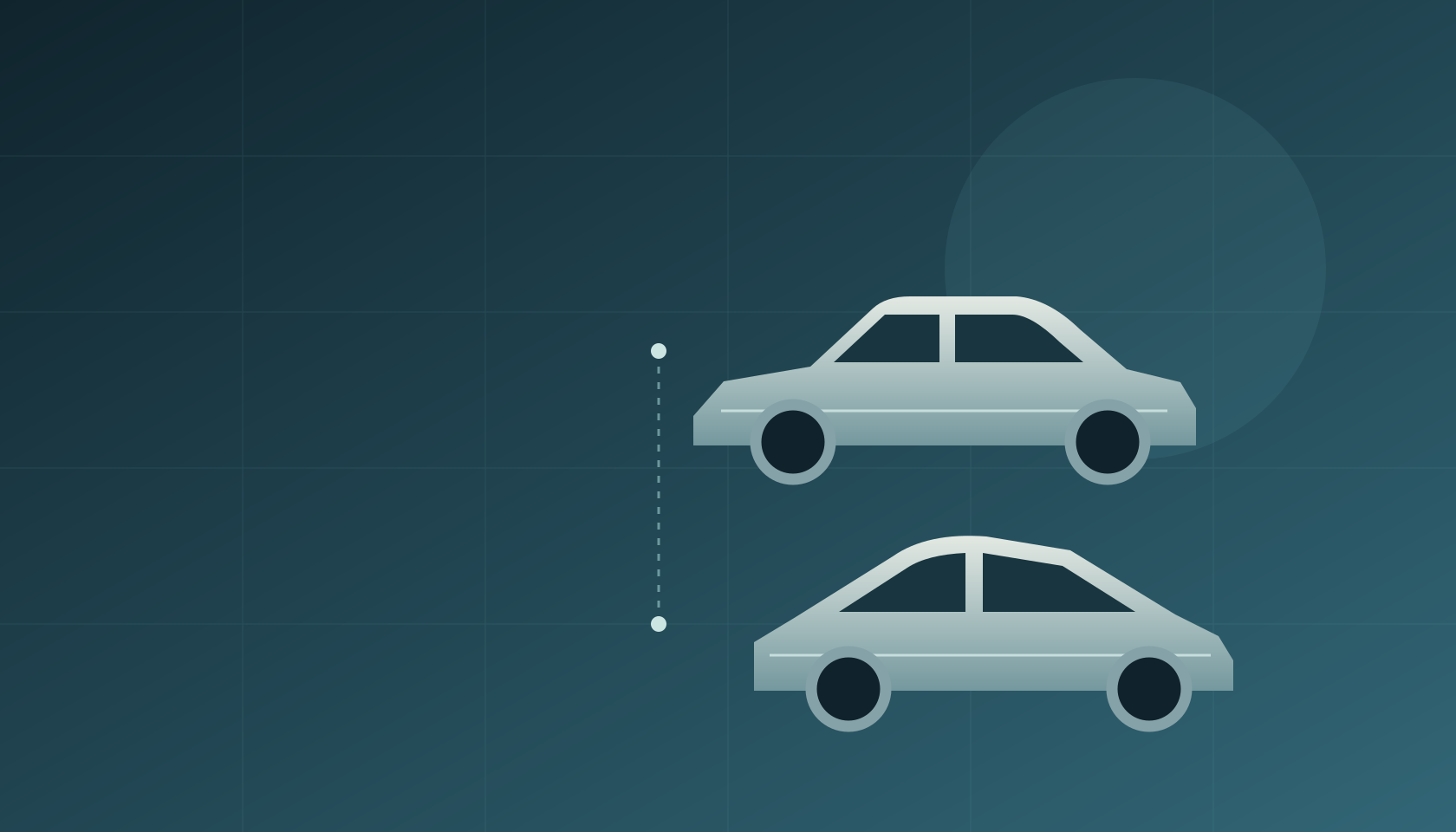
Trace the original Toyota Prius from its 1997 Japanese launch to the 2003 redesign, with factory sources explaining dates, body style, and THS II.
Bottom lineToyota announced the first Prius sedan on October 14, 1997, for Japanese sales beginning December 10. The second generation arrived in Japan on September 1, 2003, combining a five-door body with the revised THS II hybrid system.
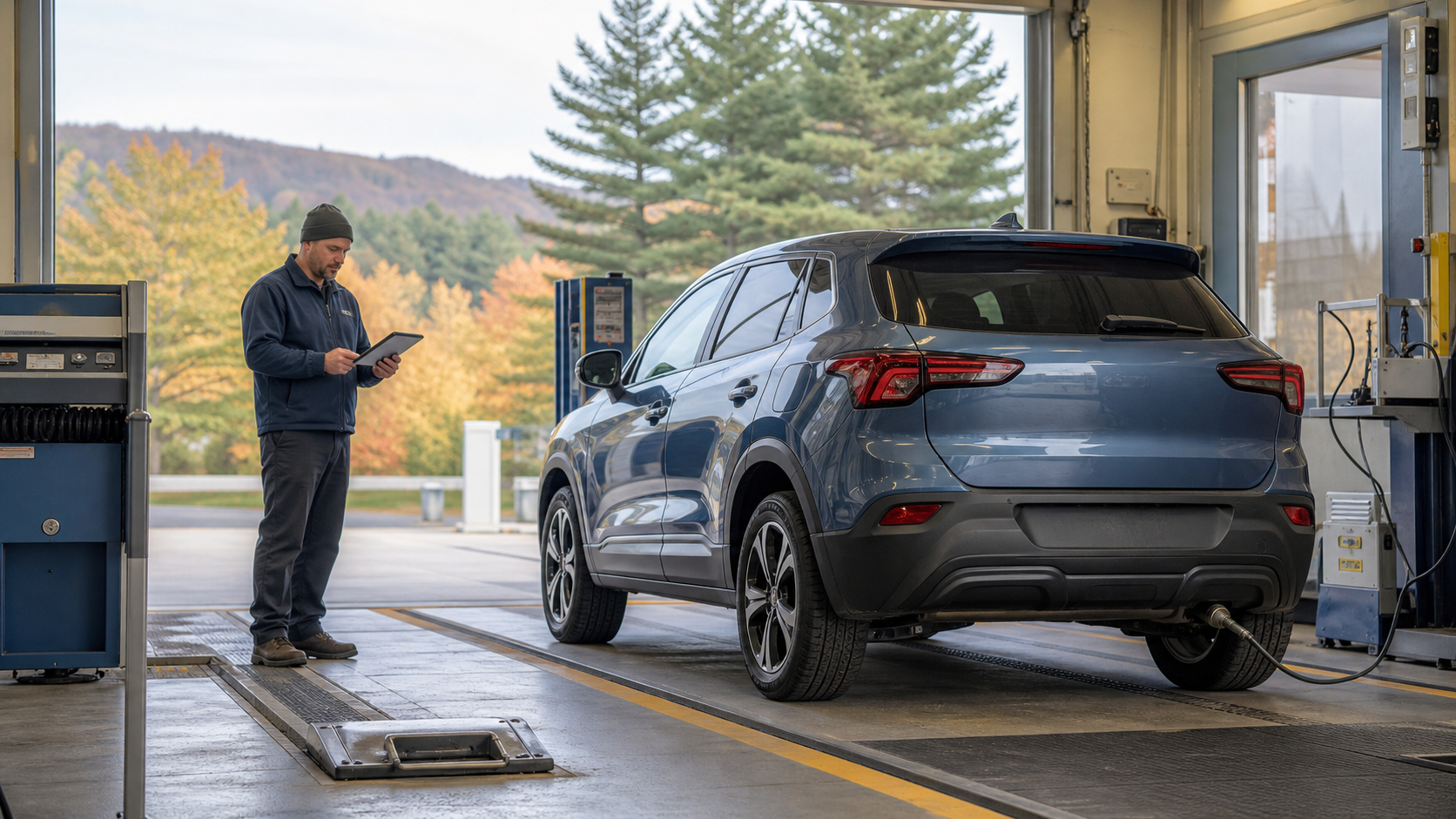
State lawmakers repealed the inspection statutes, but a federal court kept the program operating and EPA has only proposed the air-plan changes. Here is what drivers should do now.
Inspections continue; EPA proposals open for comment through September 25, 2026
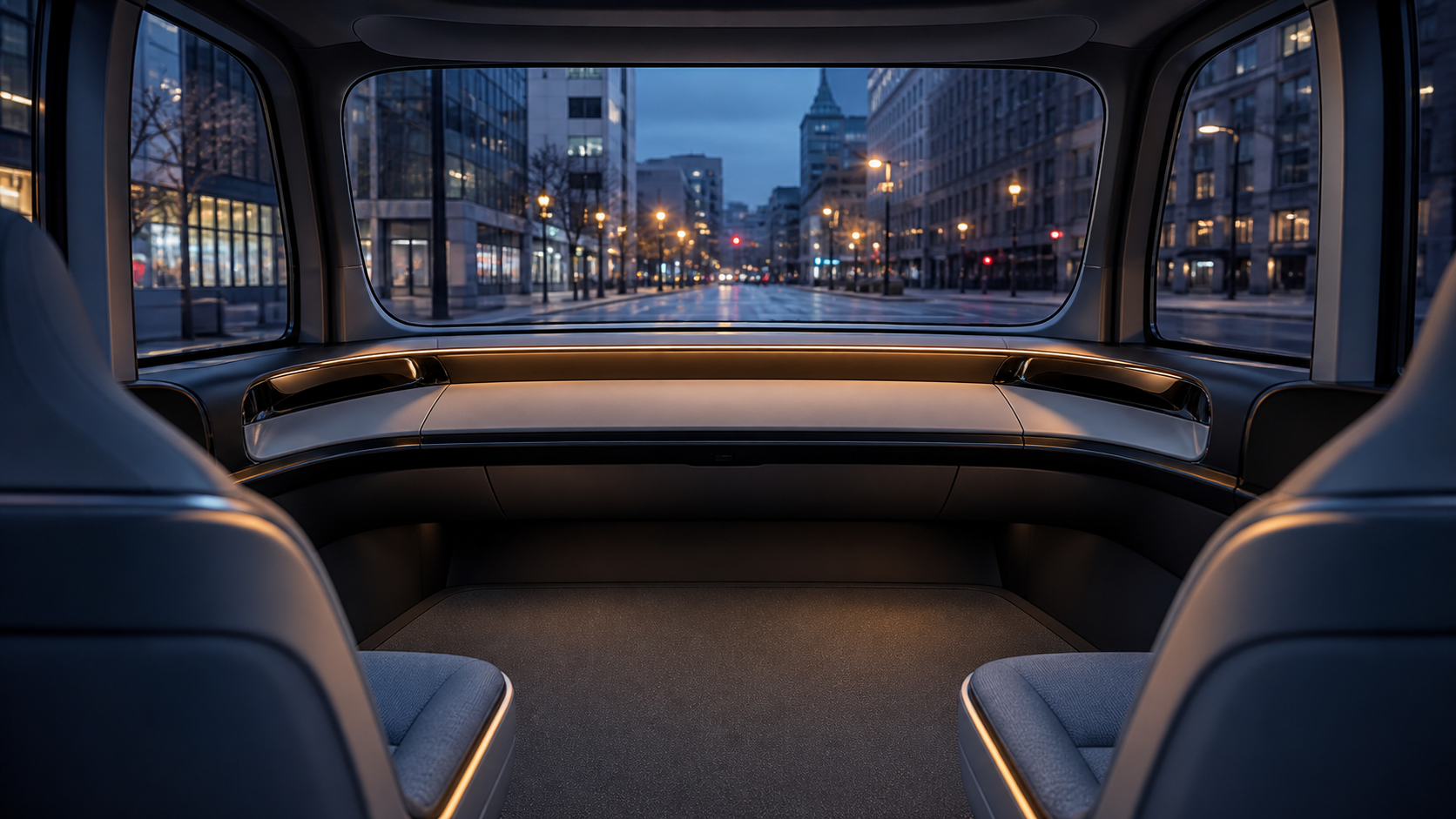
NHTSA has proposed a path for purpose-built automated vehicles without manual controls, but it has not issued a final rule or relaxed stopping-distance requirements.
The repeal is final and effective, but it does not erase every federal emissions or fuel-economy requirement. Here is the boundary buyers and owners need to understand.
A useful automotive history database separates model years, generations, markets, configurations, photographs, and sources instead of flattening them into one nameplate summary.
A model timeline becomes useful when launches, model years, redesigns, facelifts, powertrains, regulations, and discontinuations are labeled as different events.
Anti-lock braking evolved from specialized mechanical ideas into electronic systems that became the sensing foundation for traction and stability control.
Seat-belt history includes voluntary installations, federal vehicle standards, state use laws, three-point restraints, pretensioners, and reminder systems.
Electric cars competed with steam and gasoline at the industry’s beginning, declined as combustion scaled, and returned through battery and power-electronics advances.
Hybrid concepts are old, but electronics, batteries, and control software made mass-production hybrids practical near the end of the twentieth century.
Vehicle emissions control developed through crankcase ventilation, catalytic converters, unleaded fuel, electronic management, evaporative controls, and onboard diagnostics.
Car entertainment and information systems grew from standalone radios into networked interfaces controlling navigation, phones, climate, and vehicle settings.
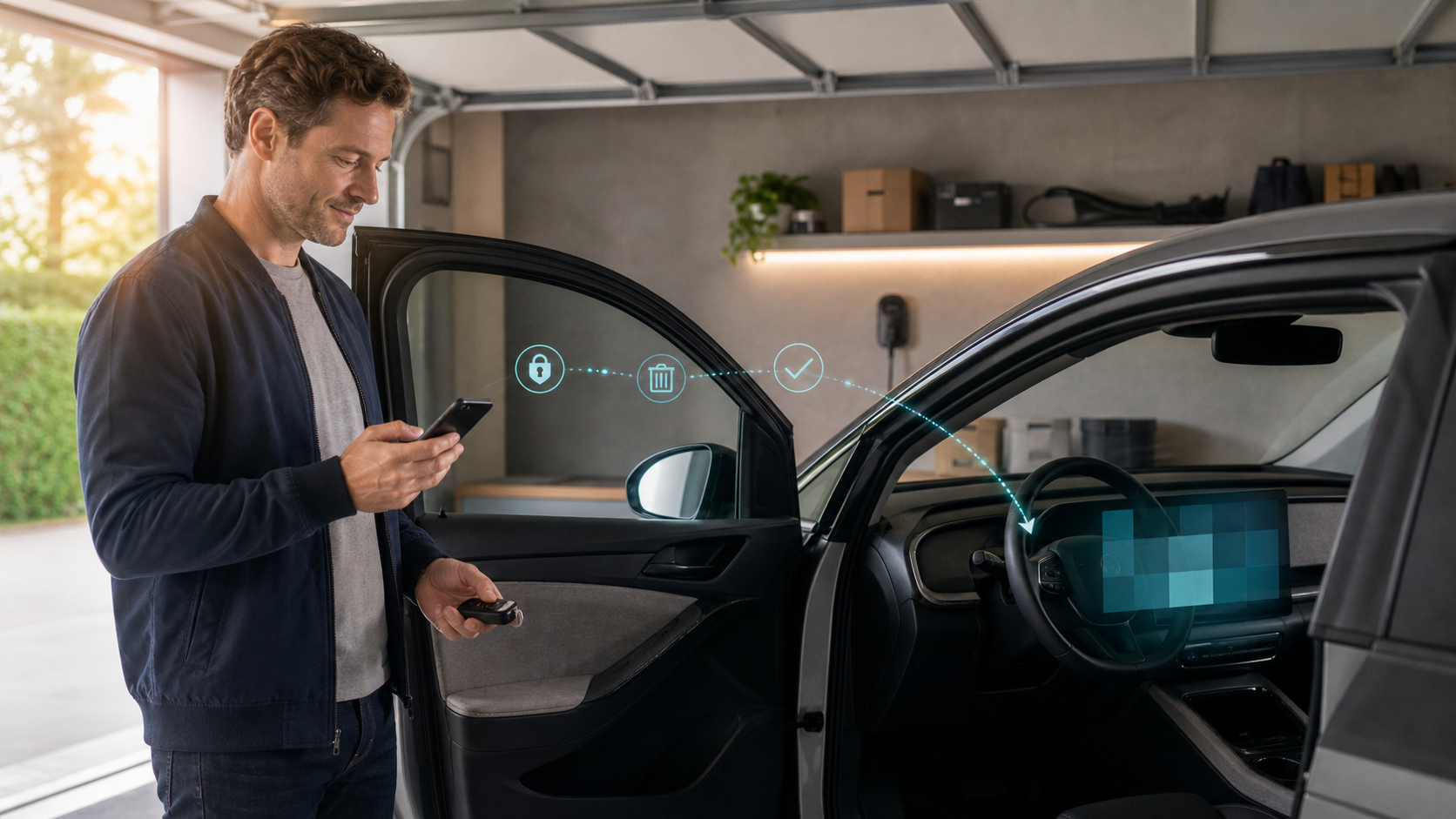
Connected vehicles can combine precise location, driving behavior, diagnostics, apps, accounts, and cabin sensors. The exact data path depends on the model and service.
Body-style names evolved with coachbuilding, manufacturing, family use, regulation, and marketing—and the same label does not always mean the same shape.
A September 2026 deadline is still circulating, but NHTSA has already delayed the enhanced front- and rear-seat warning requirements. Here is what the effective rule now says.
From holding speed to watching lanes and blind zones, driver assistance developed in layers—and still requires an attentive driver unless stated otherwise.
Electric propulsion predates the modern automobile industry; batteries, fuel prices, policy and manufacturing determined when it became practical at scale.
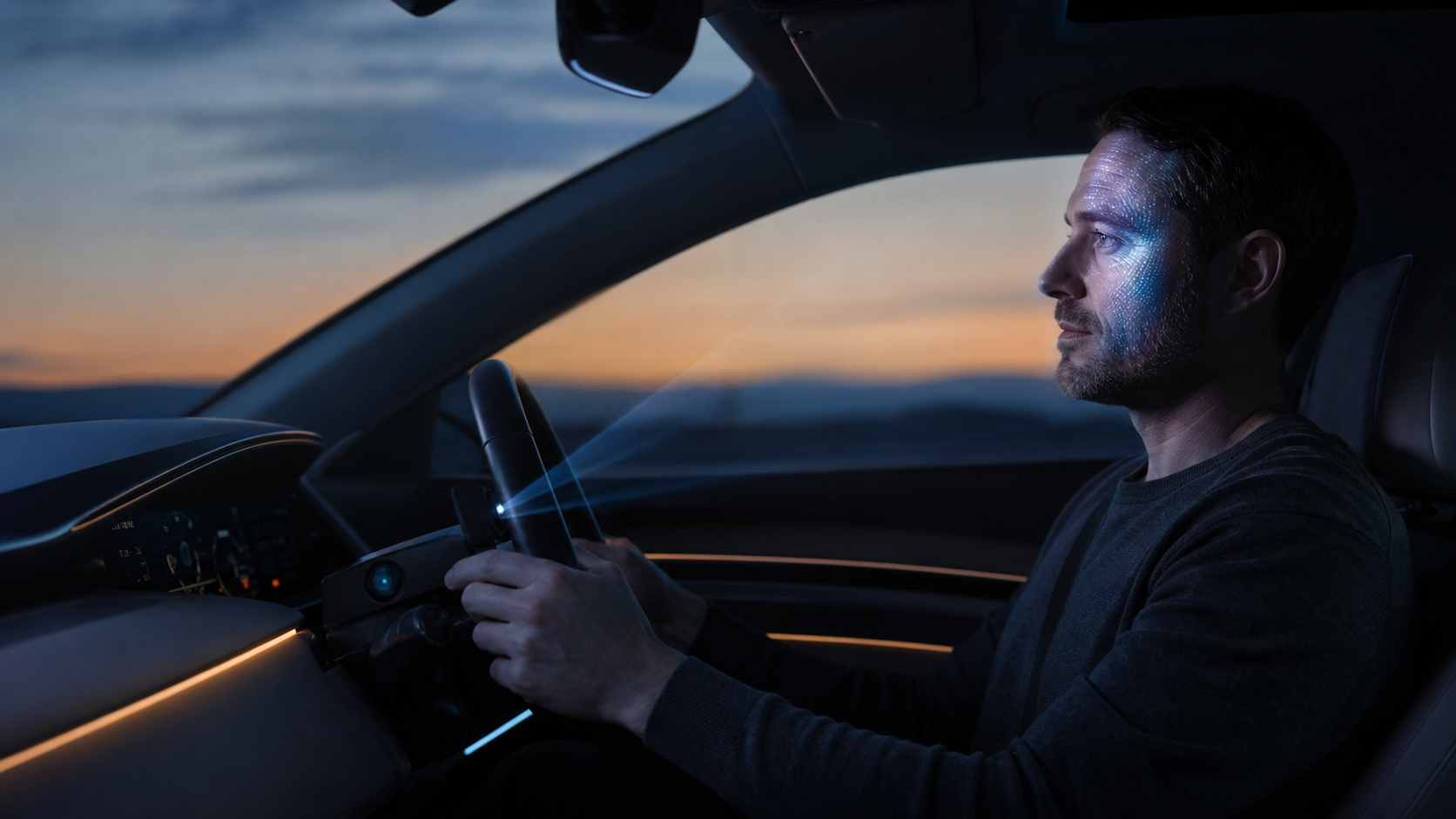
Congress ordered a safety rule, but that is not the same as a final nationwide mandate for driver-facing cameras. Here is what is actually on the books.
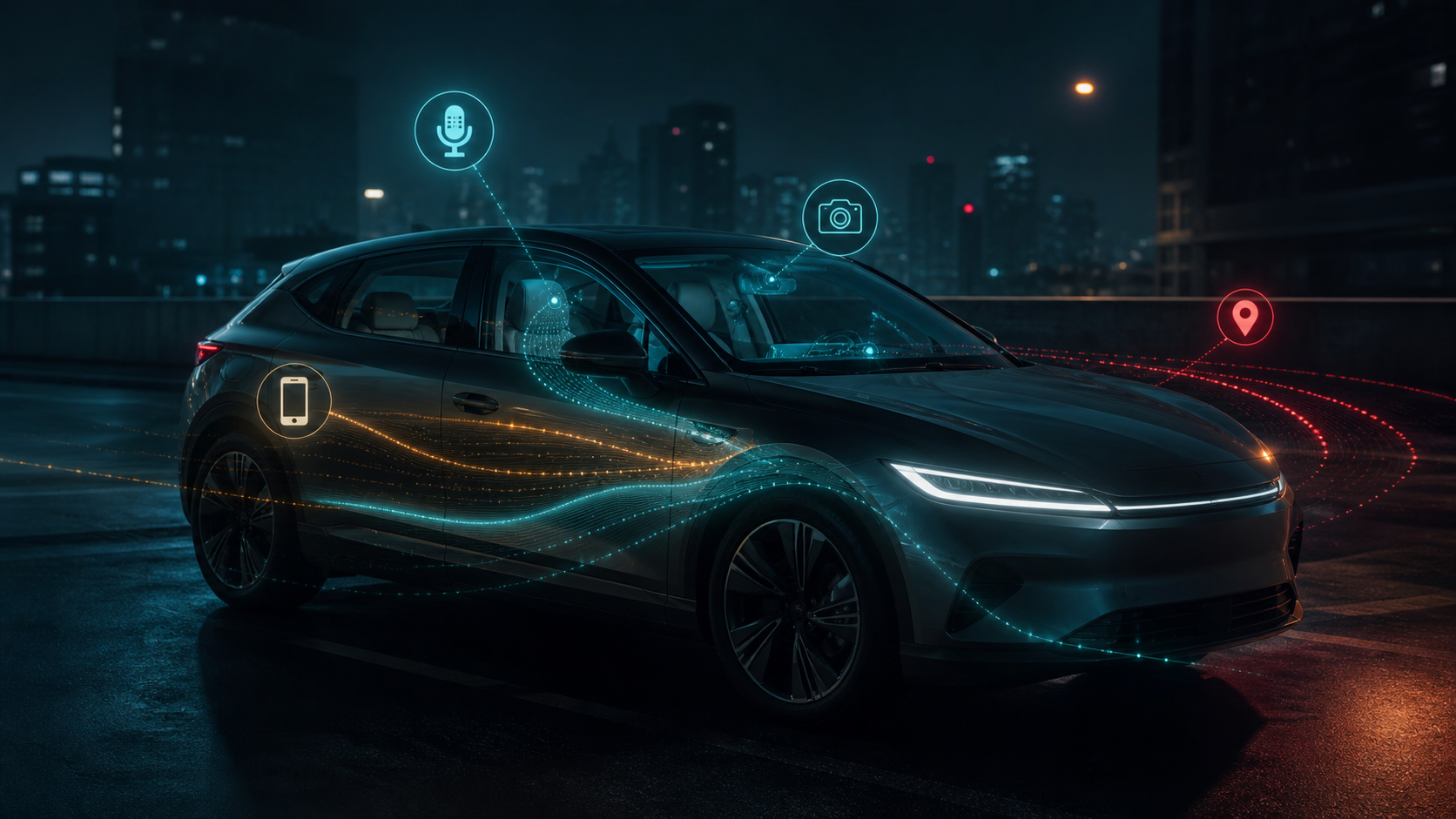
Modern cars can collect location, driving, phone, voice, camera, and biometric data. What they actually retain or transmit depends on the vehicle and enabled services.
Data collection is real; behavior varies by vehicle
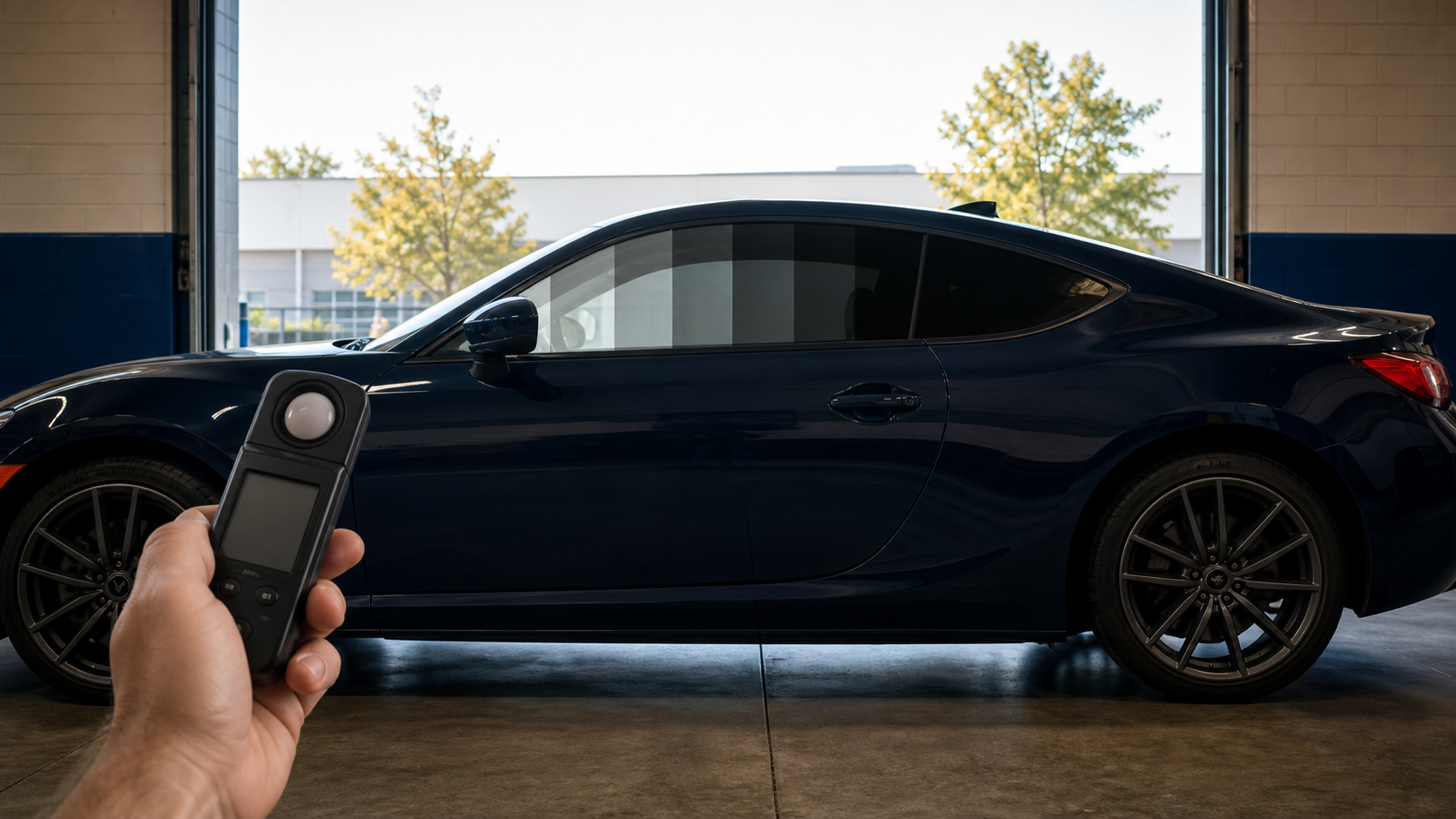
There is no single tint percentage that answers every U.S. installation. Federal equipment law and state vehicle-use laws regulate different actors and situations.