
Driver-assistance technology timeline: warnings to active support
From holding speed to watching lanes and blind zones, driver assistance developed in layers—and still requires an attentive driver unless stated otherwise.
Answer first
The history of cruise control leads to adaptive cruise and lane assistance, but those conveniences do not automatically make a vehicle self-driving.
Speed control became distance control
The history of cruise control begins with systems that maintained a selected road speed. The history of adaptive cruise control adds forward sensing and automatic speed changes to preserve a following gap, with capabilities that vary by model.
Stop-and-go operation, curve response and driver-takeover behavior are configuration-specific. The owner's manual, not the feature name alone, defines the operating envelope.
Cameras and proximity sensing
The history of backup cameras moved from limited luxury and commercial applications to a U.S. rear-visibility requirement phased into new light vehicles. The history of parking sensors followed a different, largely market-driven path using ultrasonic or other proximity sensing.
The history of lane keeping assist spans warning-only systems and systems that apply steering support. Neither label proves hands-free operation.
Monitoring the human
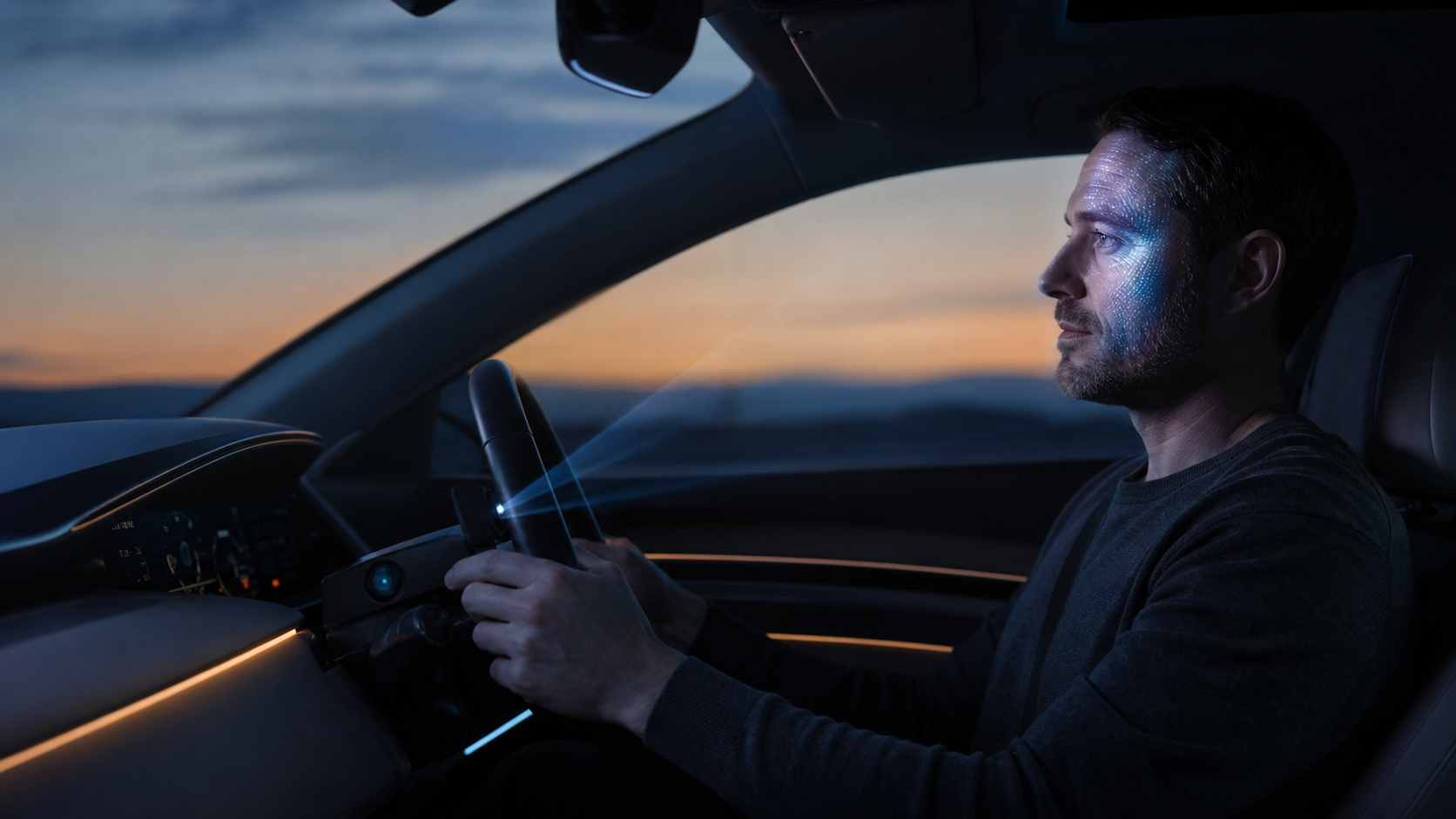
The history of driver monitoring systems includes steering-input heuristics and camera-based gaze or head-position analysis. These systems may support hands-free assistance or attention warnings, while their privacy behavior depends on implementation.
A proposed or congressionally directed rulemaking is not the same as a final mandate. Check the current NHTSA record and the exact vehicle documentation.
Evidence ledger
Primary sources
Time-sensitive claims were checked against the sources below on August 15, 2026. The linked source controls.