
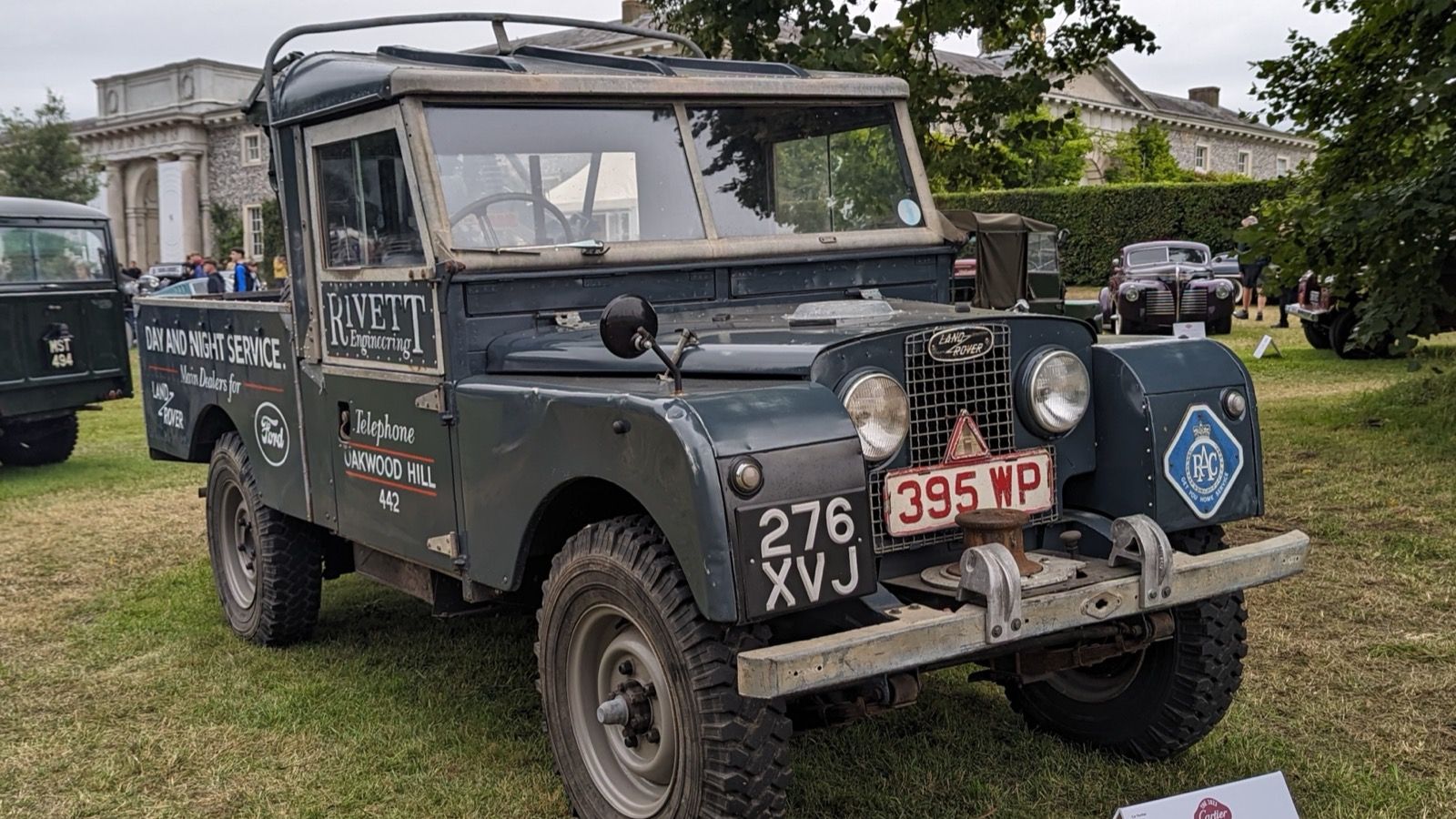
Land Rover Series (I/II/III) History
The original utilitarian Land Rover (Series I–III, 1948–1985) — the rugged farm-and-field 4x4 that founded the marque.
Photo: “1954 Land Rover Series I 107" Pick-Up” by Calreyn88 / Wikimedia Commons, licensed under CC BY-SA 4.0. Cropped to 16:9.
History
The Land Rover was conceived in 1947 by Rover's chief engineer Maurice Wilks, reputedly sketched in the sand at Red Wharf Bay, Anglesey, as a simple, go-anywhere farm vehicle inspired by the wartime Jeep. The first production model — the Series I — was unveiled at the Amsterdam Motor Show on 30 April 1948, with an 80-inch wheelbase, a 1.6-litre petrol engine, aluminium-alloy body panels (chosen because steel was scarce post-war), and permanent four-wheel drive.
Across the Series I (1948–1958), Series II and IIA (1958–1971), and Series III (1971–1985), the vehicle grew in wheelbase and engine choice while keeping its boxy, body-on-frame utility character. It became a global workhorse for farmers, militaries, aid agencies, and explorers, and effectively defined the rugged-4x4 idea that the whole marque was built on.
The Series ended in 1985, but its direct descendant — the coil-sprung Ninety and One-Ten introduced in 1983, later renamed Defender — carried the lineage forward, and the two ran in parallel for a couple of years during the changeover.
Generations
Series I
Photo: “1954 Land Rover Series I 107" Pick-Up” by Calreyn88 / Wikimedia Commons, licensed under CC BY-SA 4.0. Cropped to 16:9.
The original 80-inch (later 86/107-inch) utility Land Rover with alloy bodywork and a 1.6-litre petrol engine; the vehicle that launched the marque.
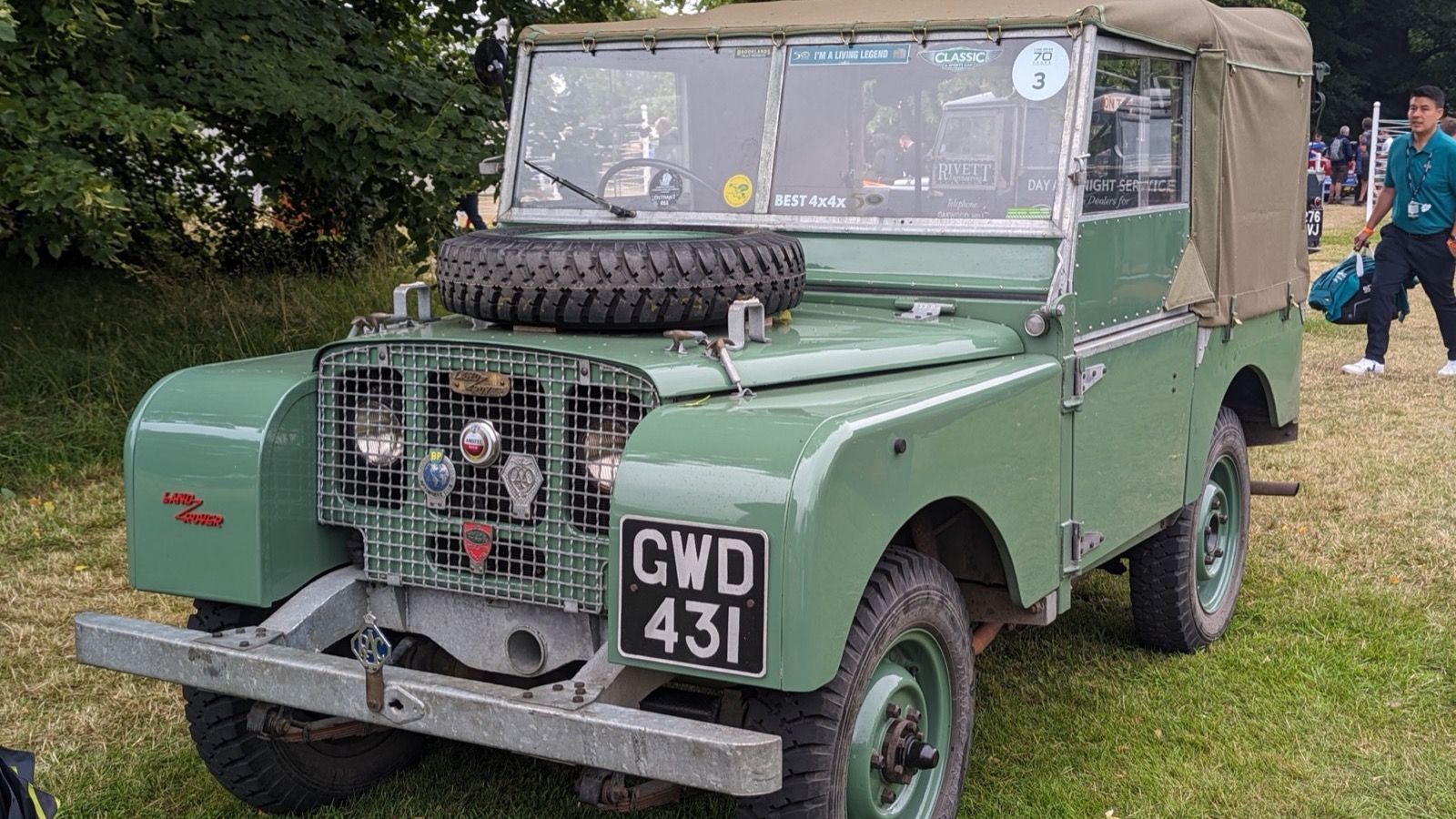
1948 Photo: “1948 Land Rover Series I 80" Soft Top” by Calreyn88 / Wikimedia Commons, licensed under CC BY-SA 4.0. Cropped to 16:9.
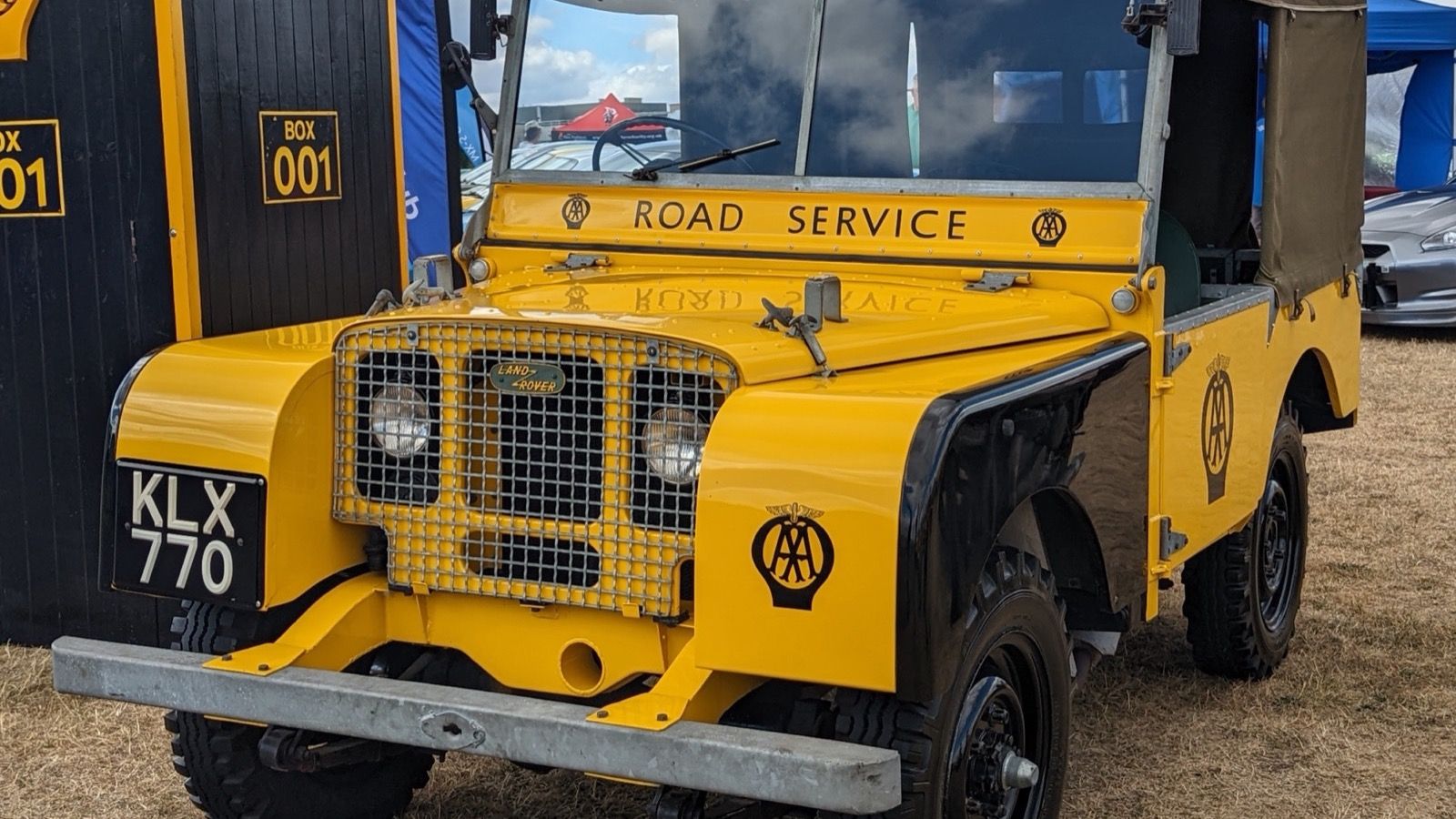
1949 Photo: “1949 Land Rover Series I” by Calreyn88 / Wikimedia Commons, licensed under CC BY-SA 4.0. Cropped to 16:9.
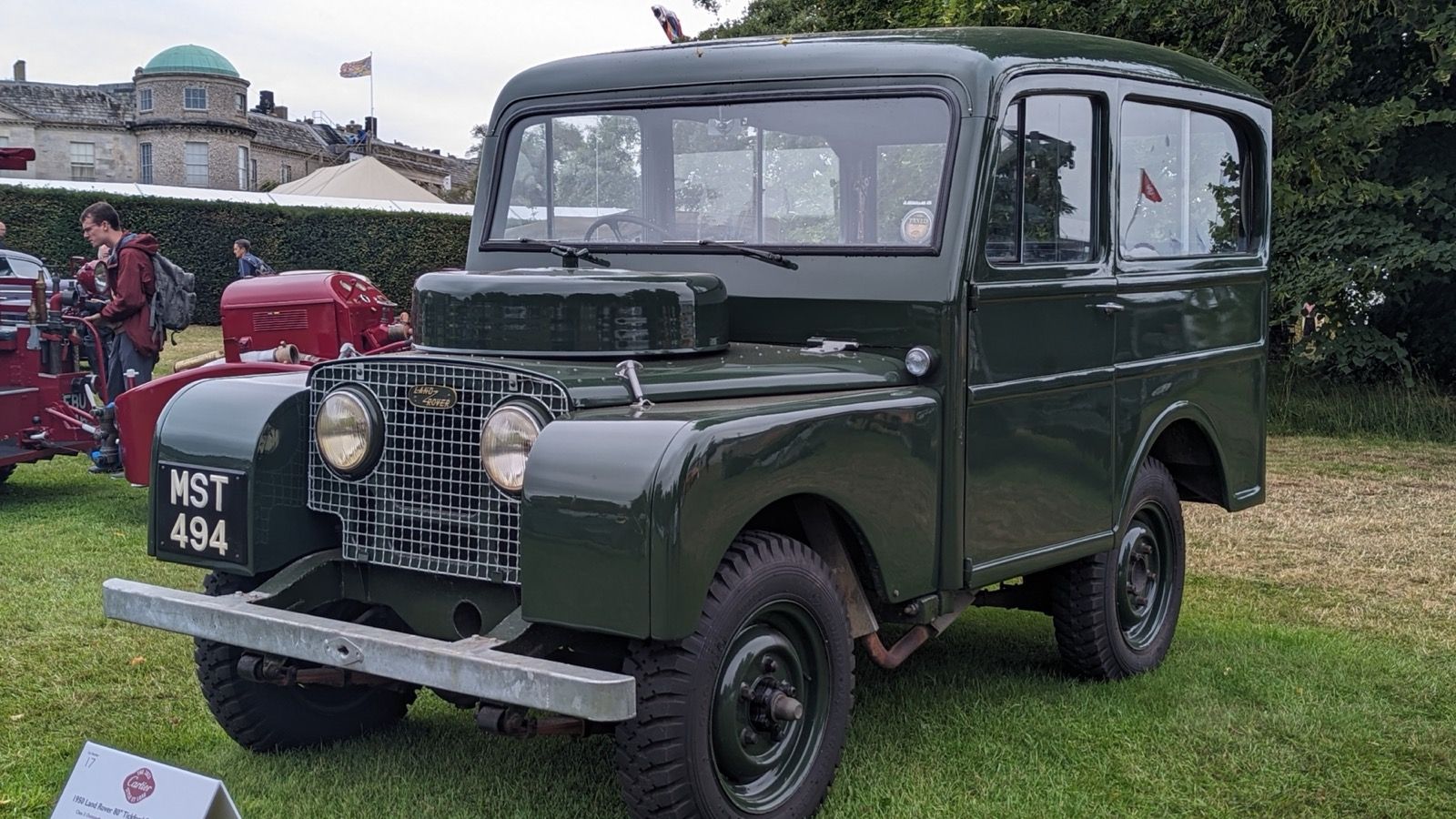
1950 Photo: “1950 Land Rover Series I 80" Tickford Station Wagon” by Calreyn88 / Wikimedia Commons, licensed under CC BY-SA 4.0. Cropped to 16:9.
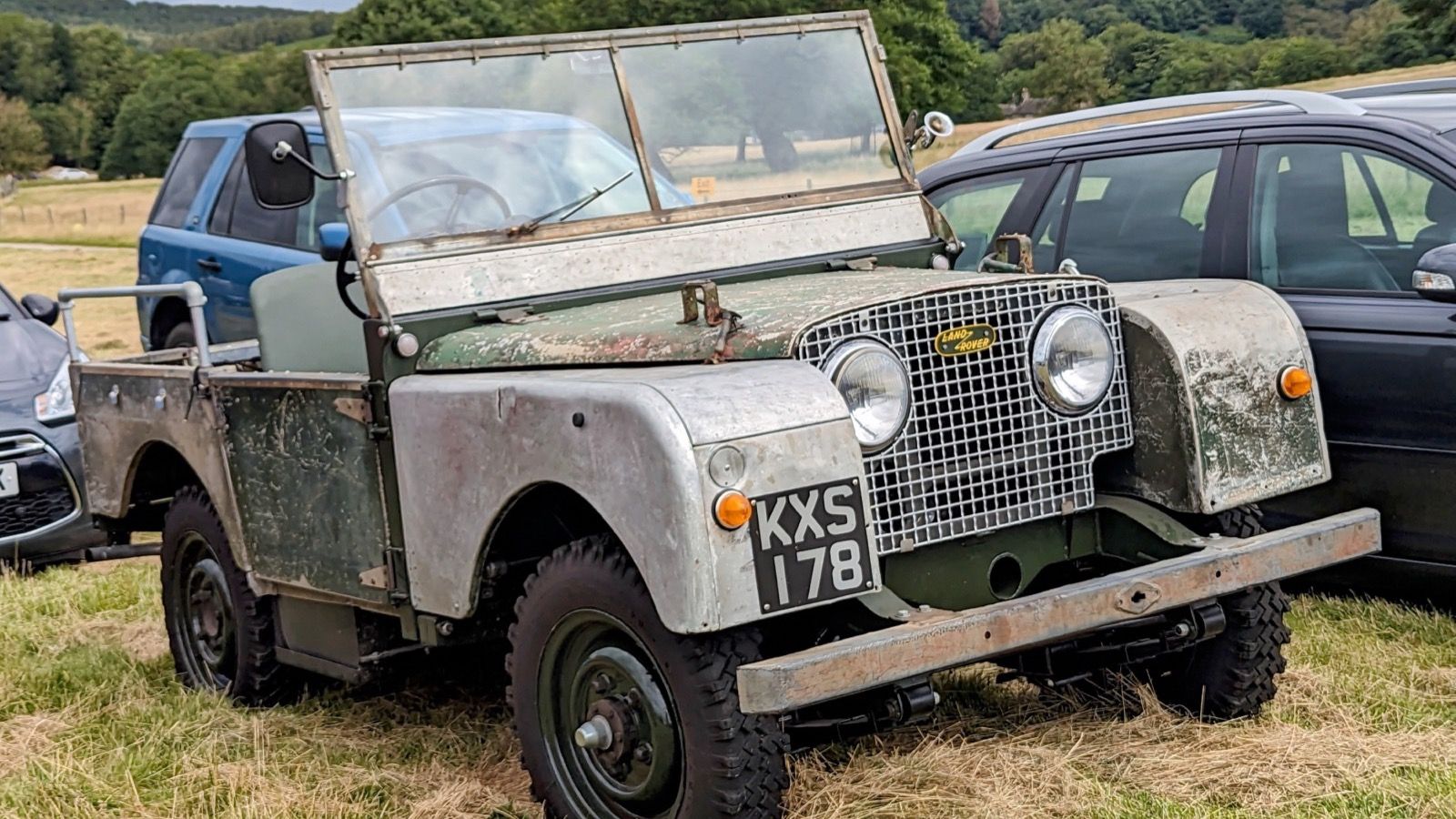
1951 Photo: “1951 Land Rover Series I” by Calreyn88 / Wikimedia Commons, licensed under CC BY-SA 4.0. Cropped to 16:9.
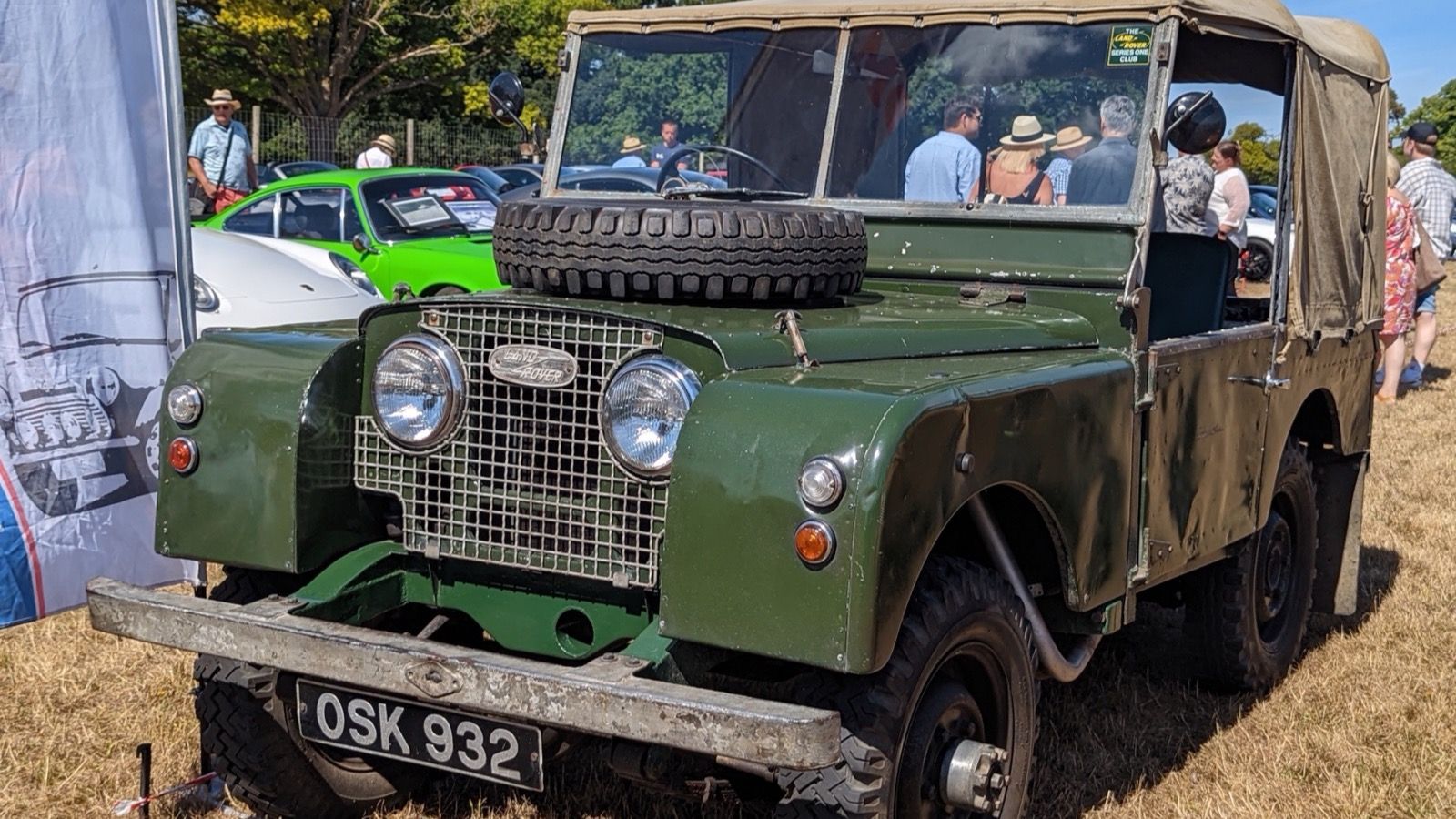
1952 Photo: “1952 Land Rover Series I” by Calreyn88 / Wikimedia Commons, licensed under CC BY-SA 4.0. Cropped to 16:9.
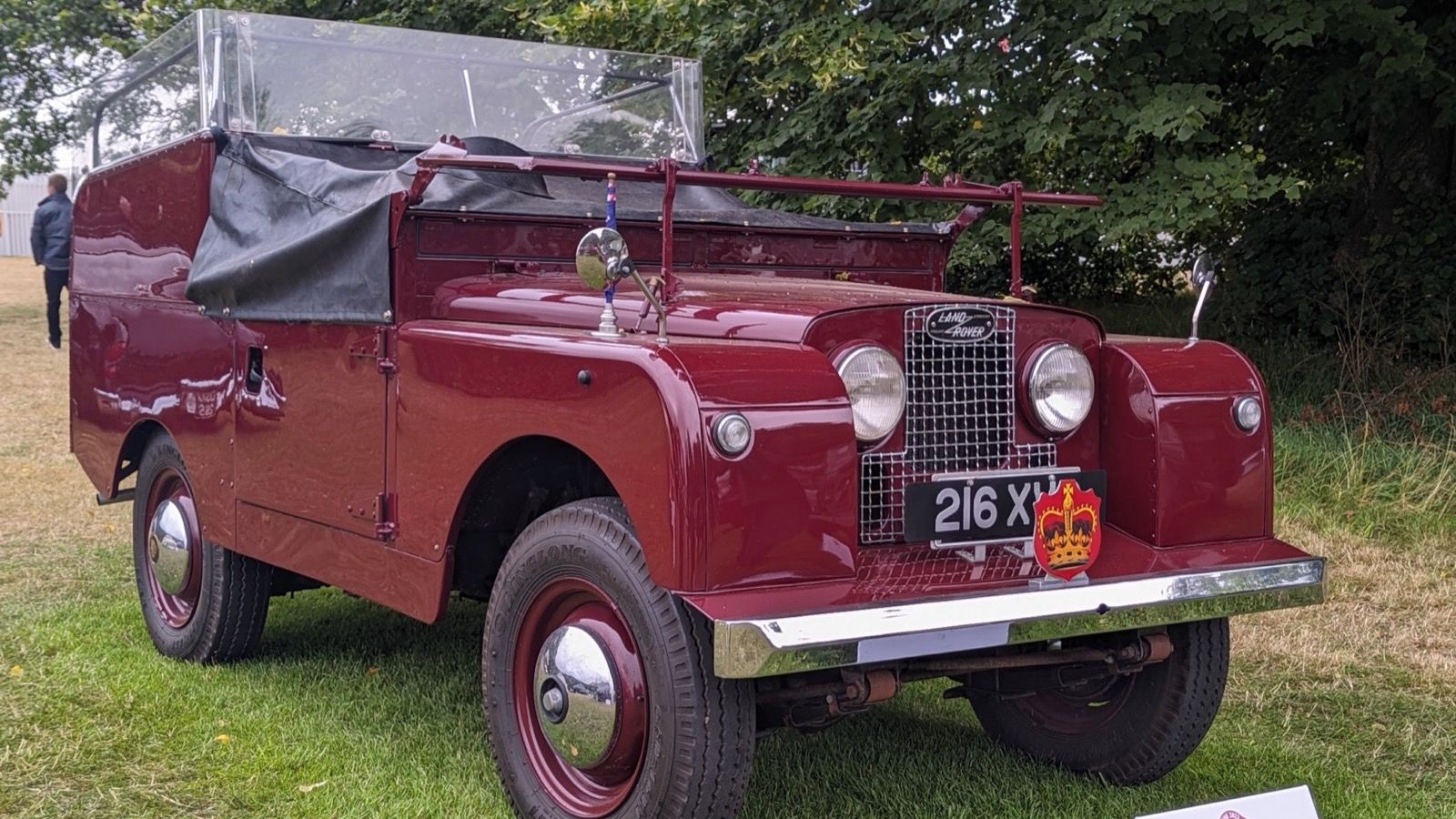
1953 Photo: “1953 Land Rover Series I 80" Royal Review Vehicle” by Calreyn88 / Wikimedia Commons, licensed under CC BY-SA 4.0. Cropped to 16:9.
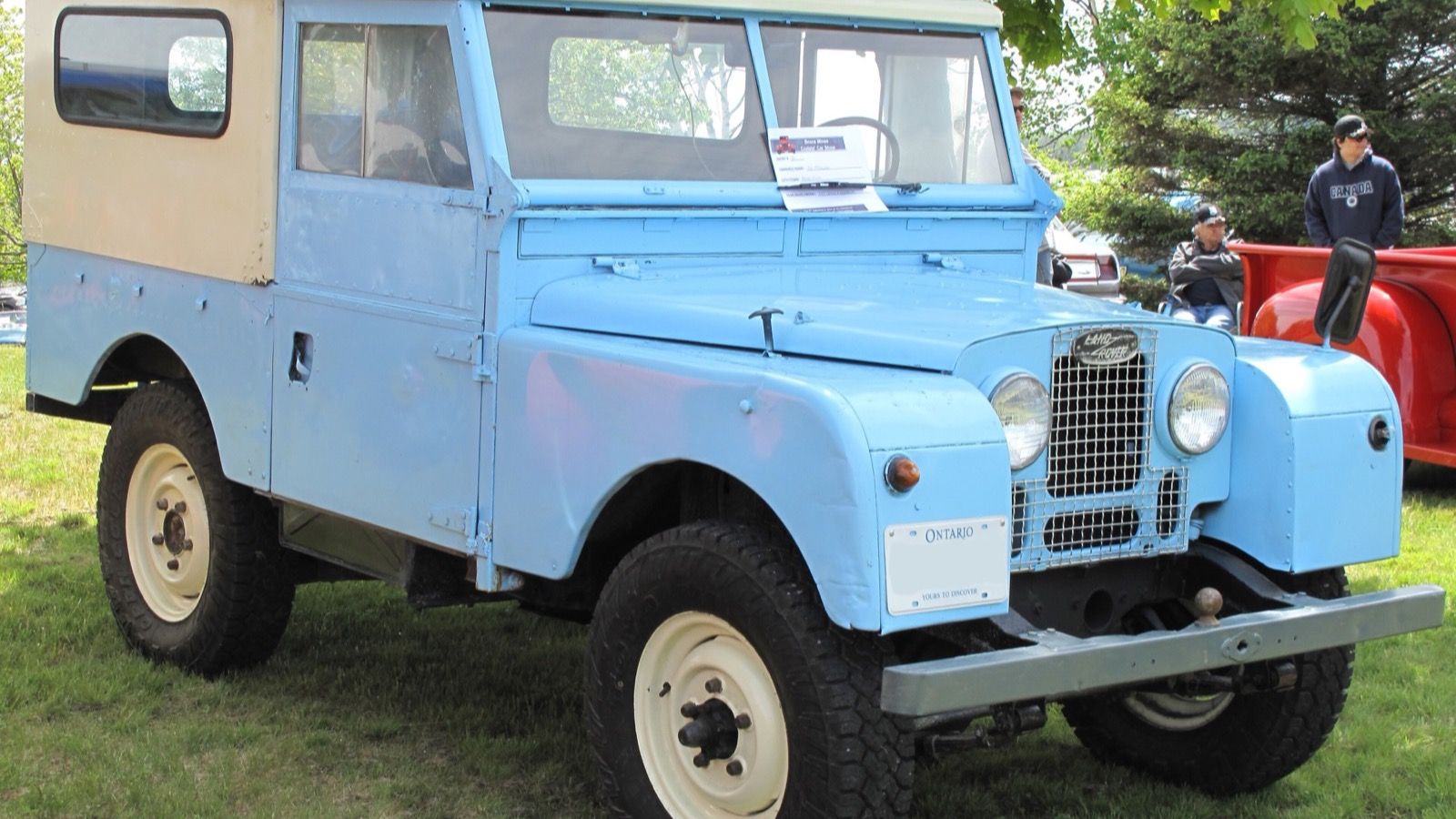
1954 Photo: “1954 Land Rover Series I in Light Blue, Front Right, 06-11-2022” by Elise240SX / Wikimedia Commons, licensed under CC BY-SA 4.0. Cropped to 16:9.
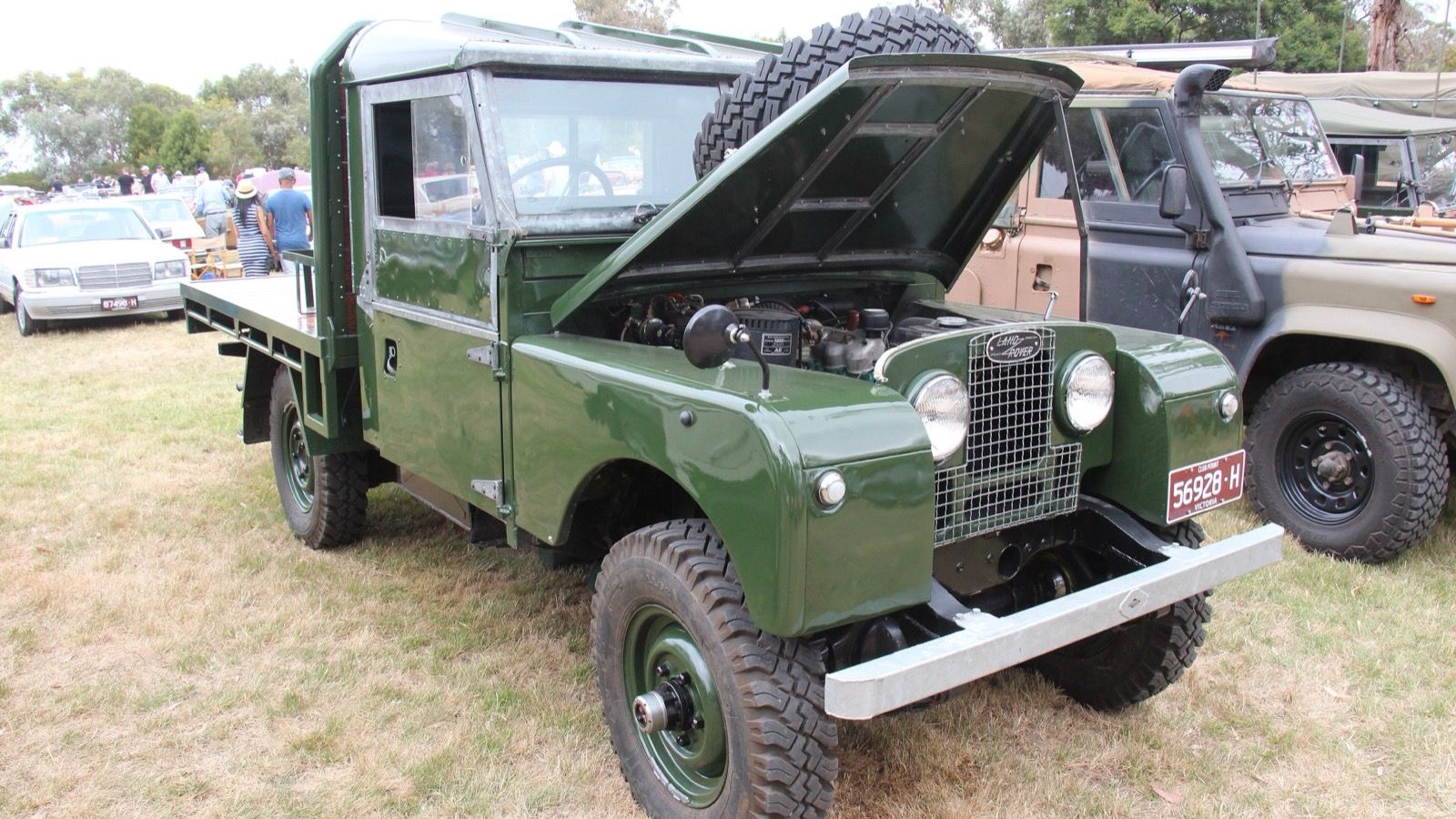
1956 Photo: “1956 Land Rover Series I Pickup (39948036983)” by Sicnag / Wikimedia Commons, licensed under CC BY 2.0. Cropped to 16:9.
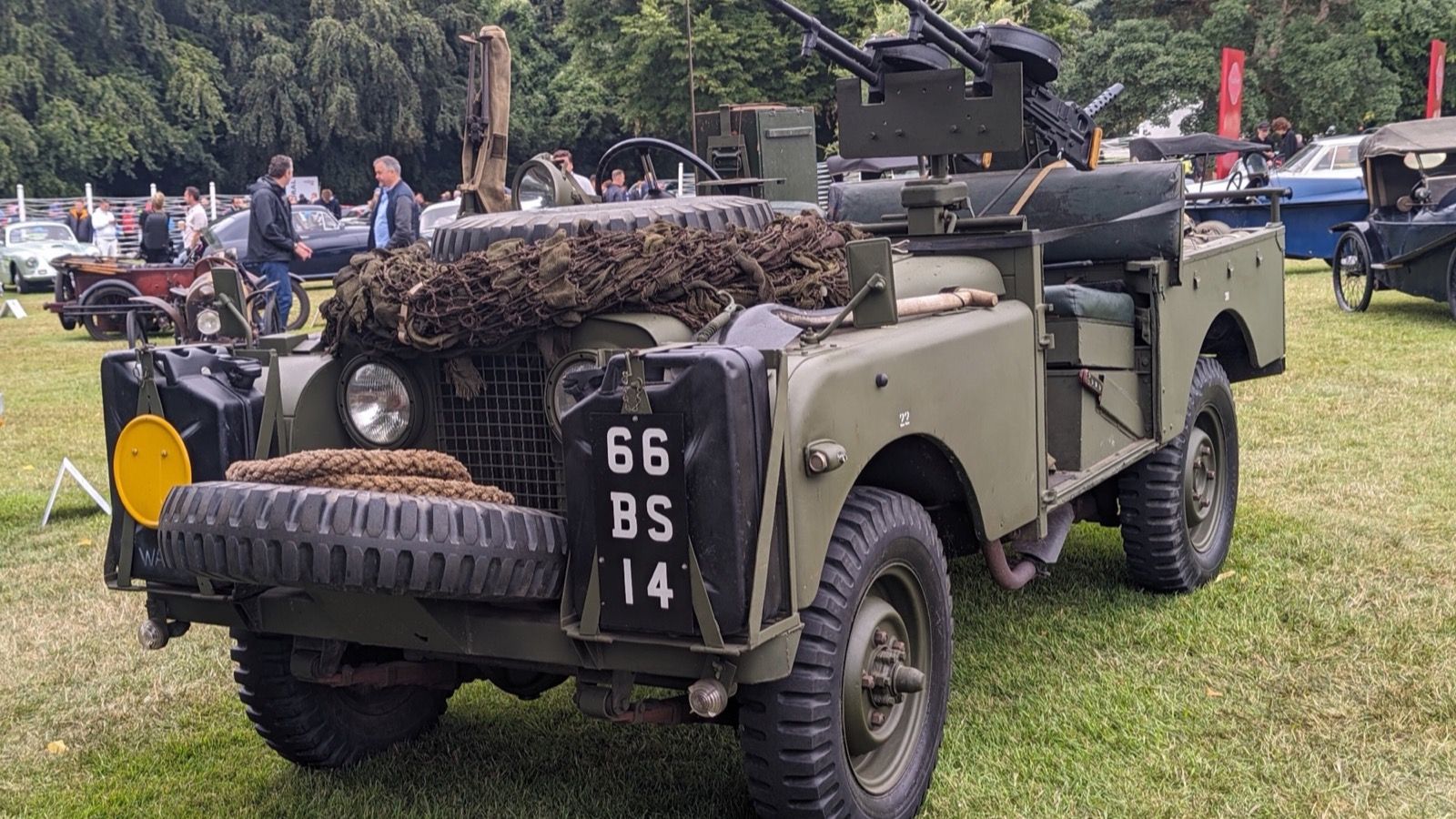
1957 Photo: “1957 Land Rover Series I SAS” by Calreyn88 / Wikimedia Commons, licensed under CC BY-SA 4.0. Cropped to 16:9.
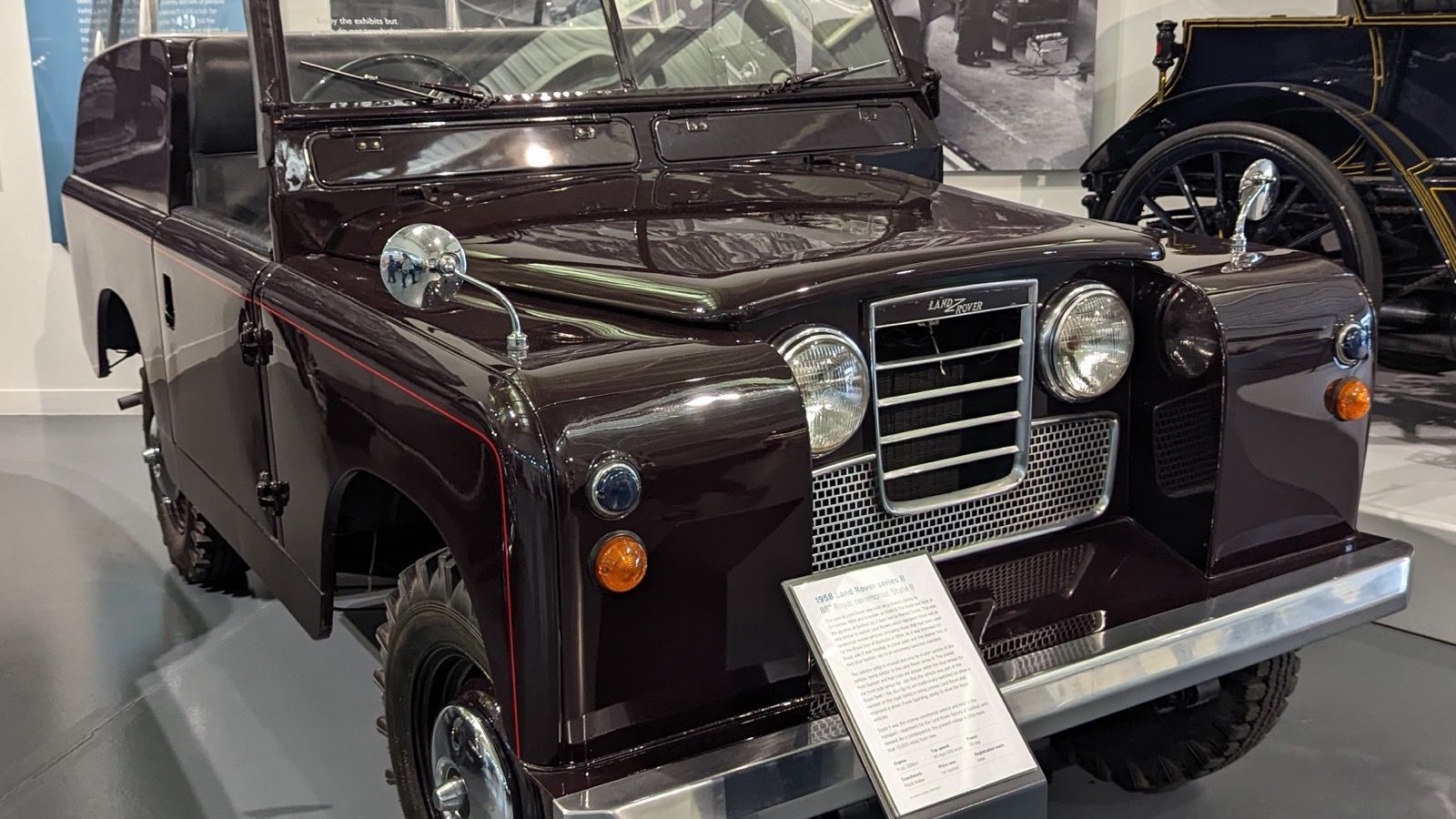
1958 Photo: “1958 Land Rover Series II Royal Ceremonial State Vehicle” by Calreyn88 / Wikimedia Commons, licensed under CC BY-SA 4.0. Cropped to 16:9.
Series II / IIA · Series II & IIA
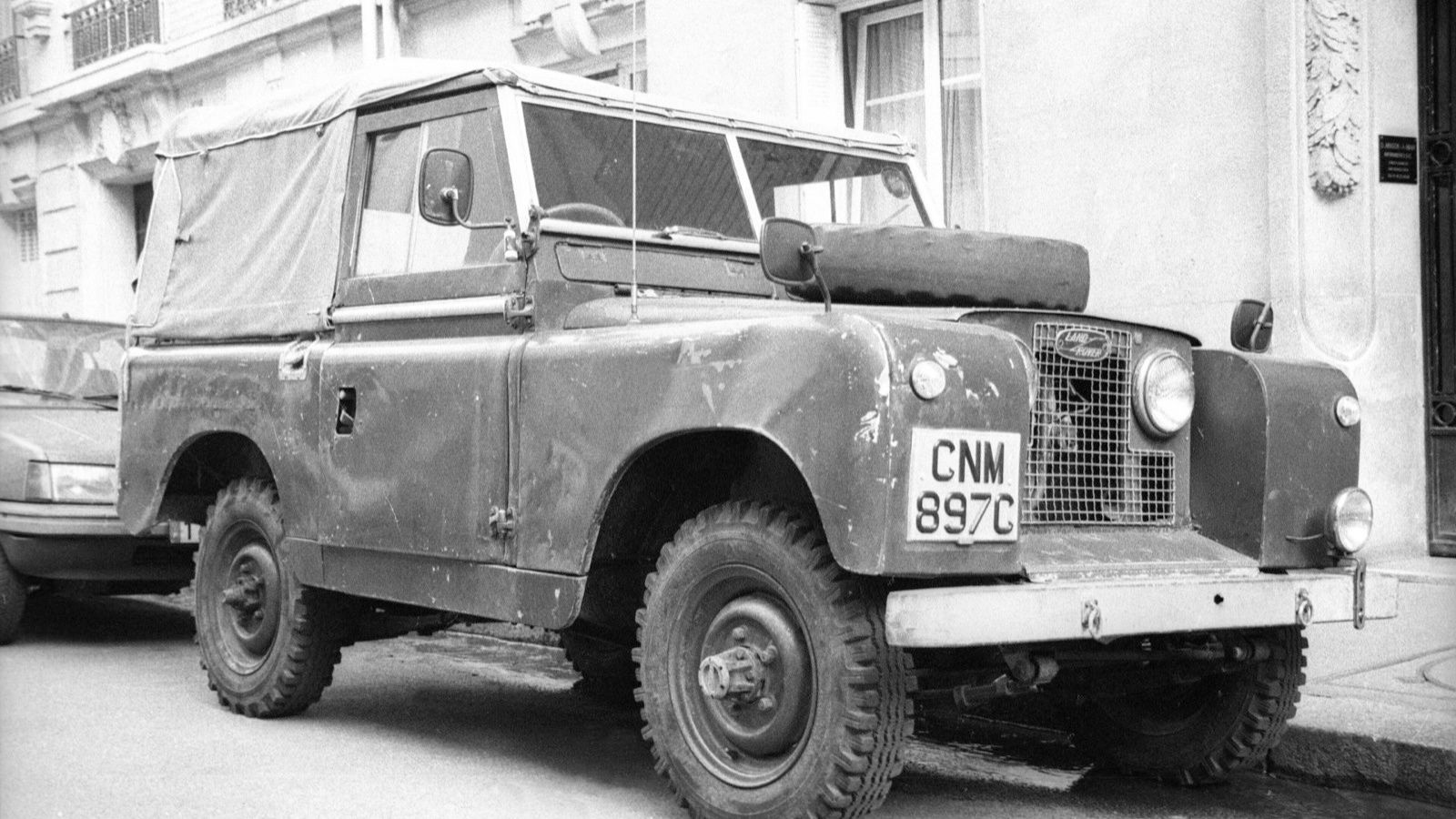
Photo: “1959 Land Rover Series II front q” by No machine-readable author provided. Cyriland assumed (based on copyright claims). / Wikimedia Commons, licensed under CC BY-SA 2.5. Cropped to 16:9.
A restyled (still utilitarian) Land Rover with the now-familiar curved body sides; the long-running IIA became a global workhorse and aid/military staple.
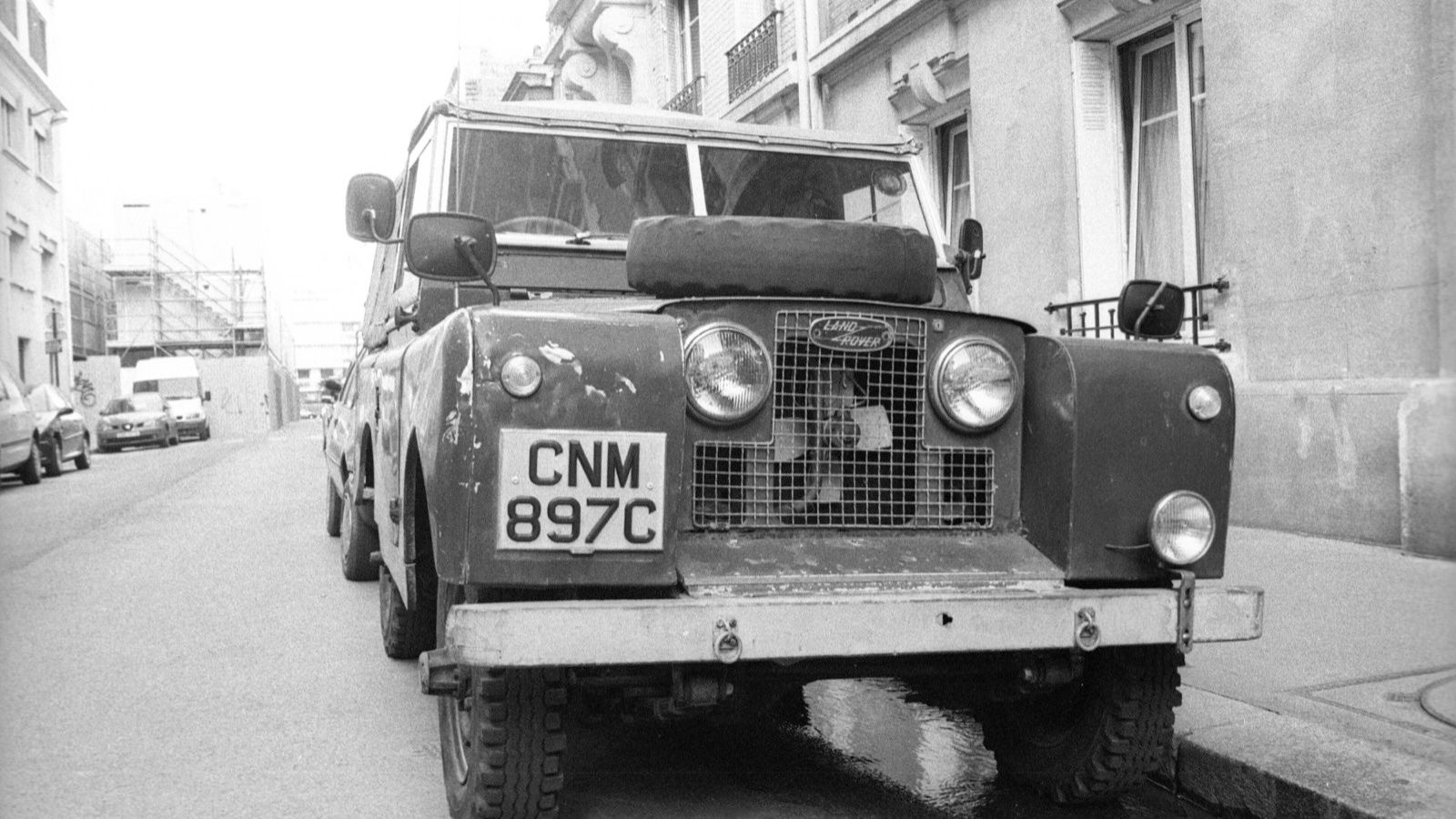
1959 Photo: “1959 Land Rover Series II front” by Cyriland / Wikimedia Commons, licensed under CC BY-SA 2.5. Cropped to 16:9.
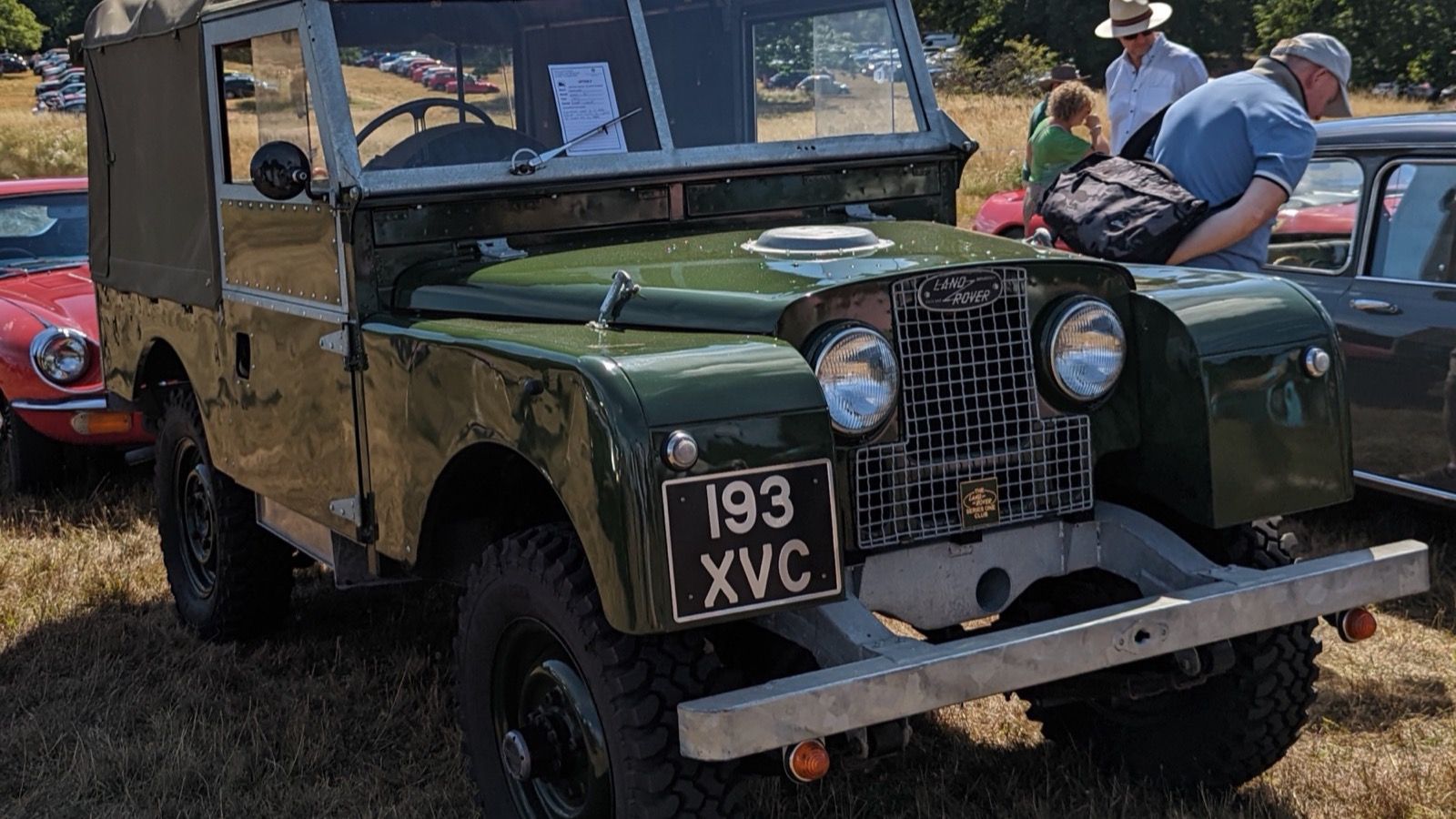
1962 Photo: “1962 Land Rover Series I” by Calreyn88 / Wikimedia Commons, licensed under CC BY-SA 4.0. Cropped to 16:9.
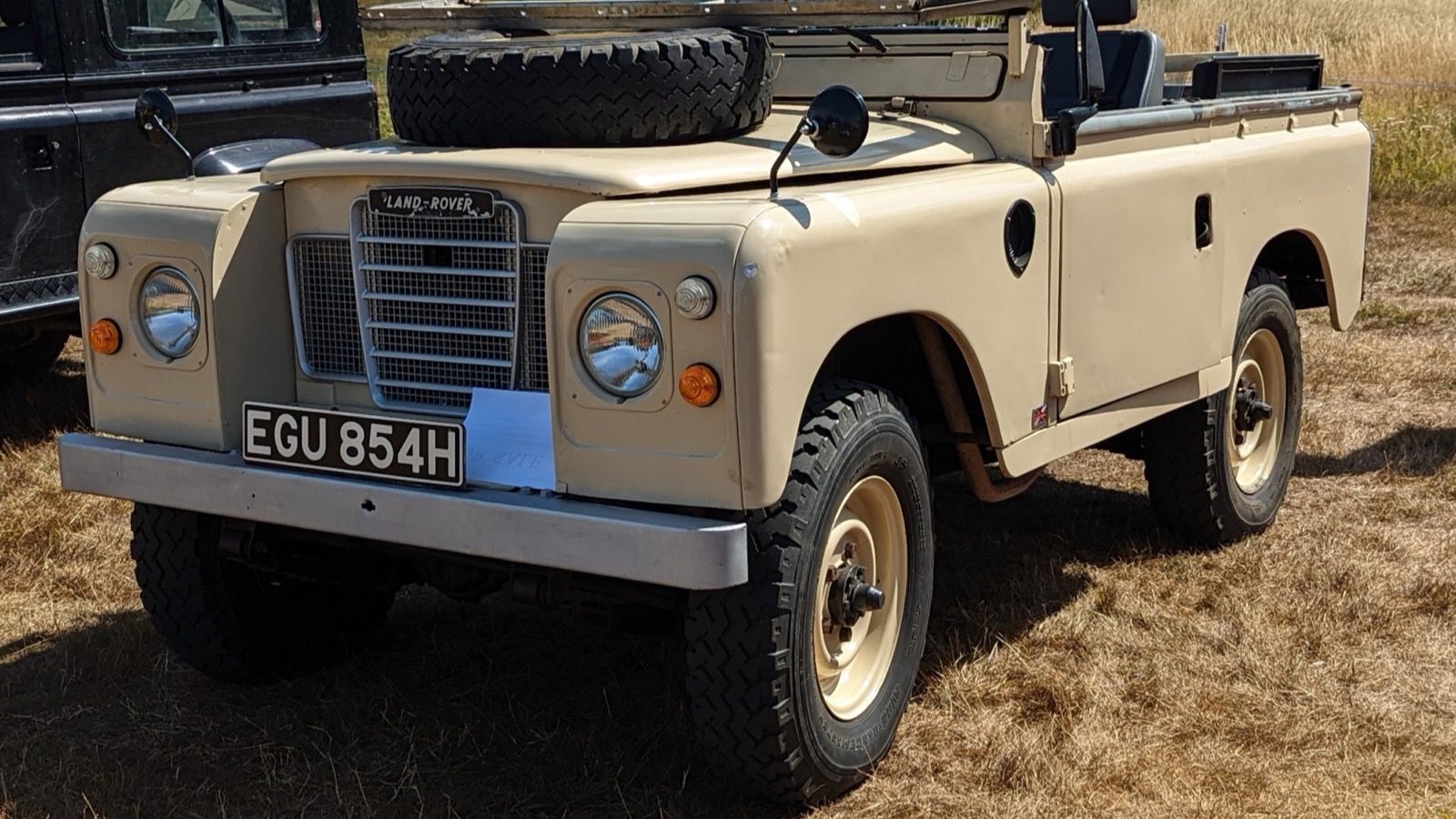
1969 Photo: “1969 Land Rover Series II” by Calreyn88 / Wikimedia Commons, licensed under CC BY-SA 4.0. Cropped to 16:9.
Series III
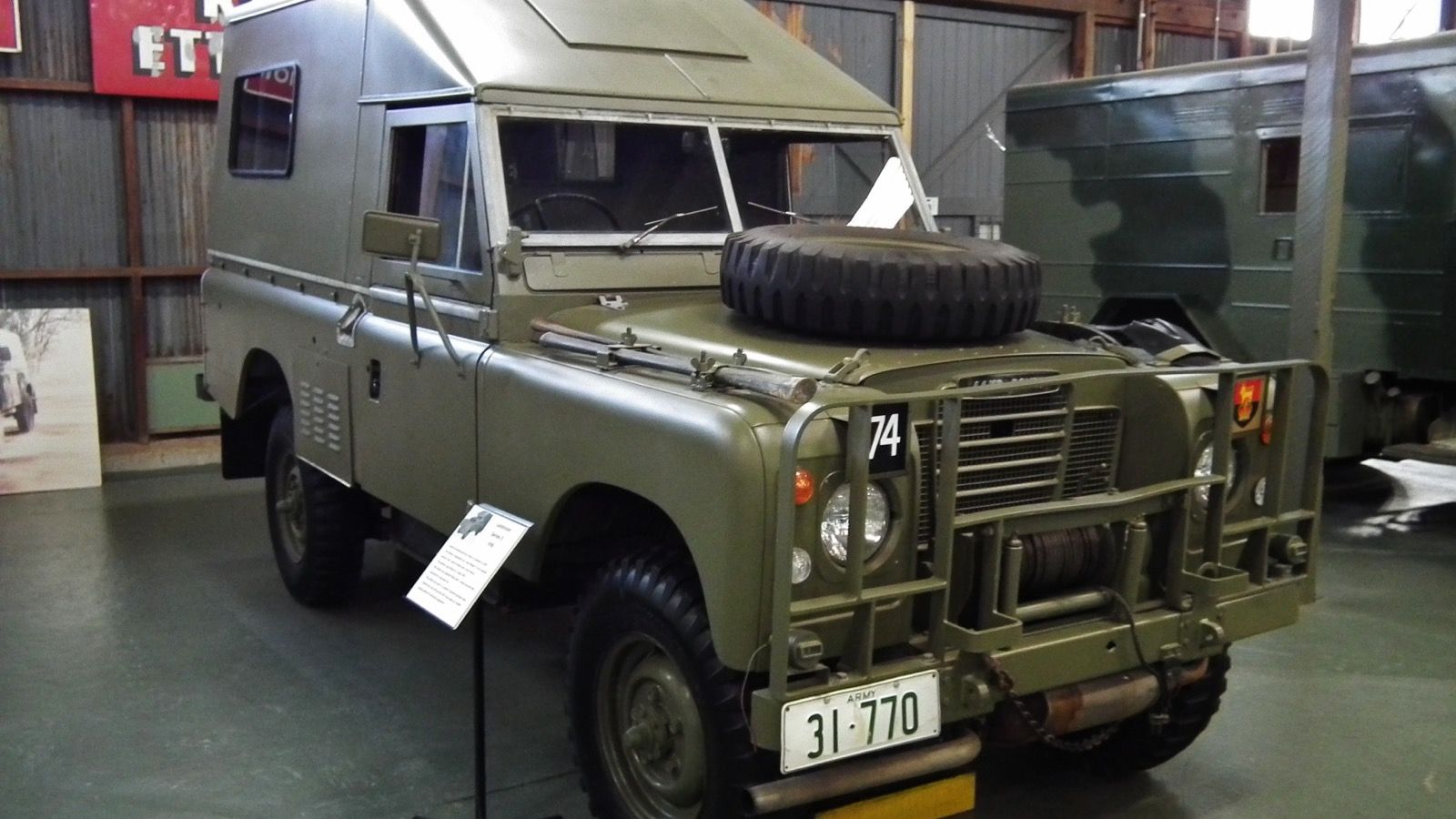
Photo: “1978 Land Rover Series 3 LWB (5637250648)” by sv1ambo / Wikimedia Commons, licensed under CC BY 2.0. Cropped to 16:9.
The final 'Series' Land Rover, with a plastic grille and synchromesh gearbox; built until 1985 as the coil-sprung Ninety/One-Ten took over.
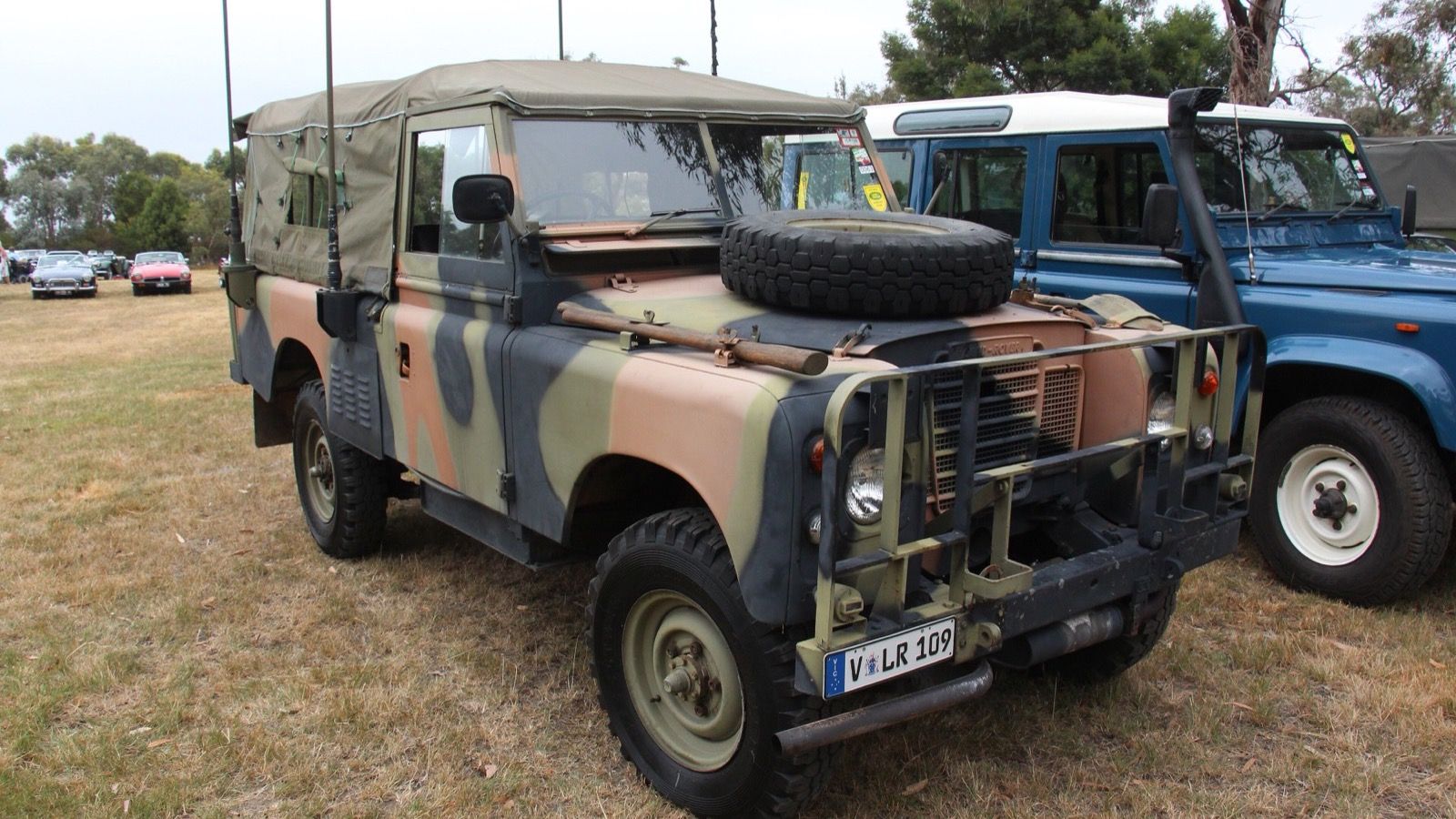
1972 Photo: “1972 Land Rover Series III 109 (31971901477)” by Sicnag / Wikimedia Commons, licensed under CC BY 2.0. Cropped to 16:9.
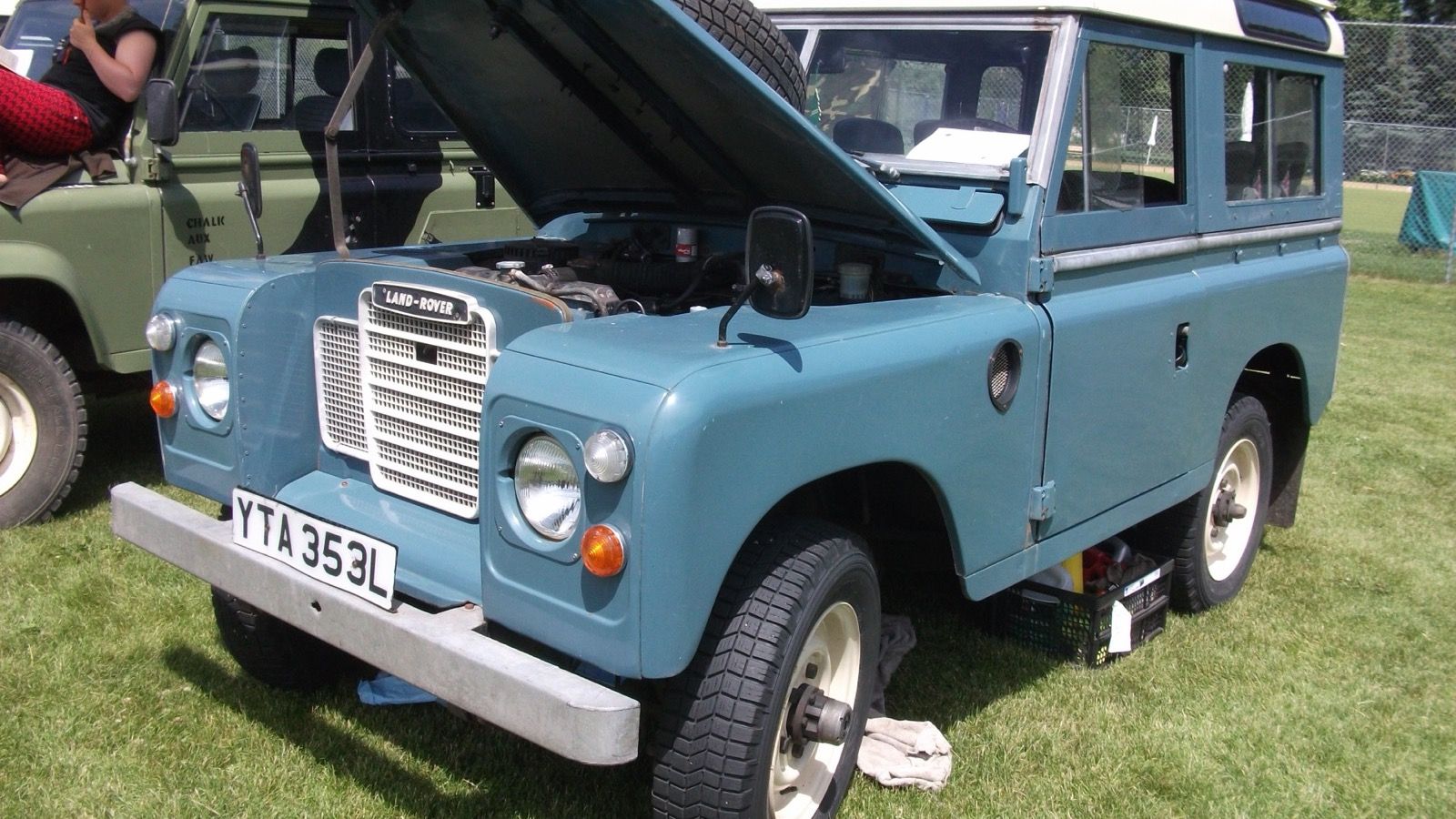
1973 Photo: “1973 Land Rover Series 3 88" (5983483992)” by dave_7 from Lethbridge, Canada / Wikimedia Commons, licensed under CC BY 2.0. Cropped to 16:9.
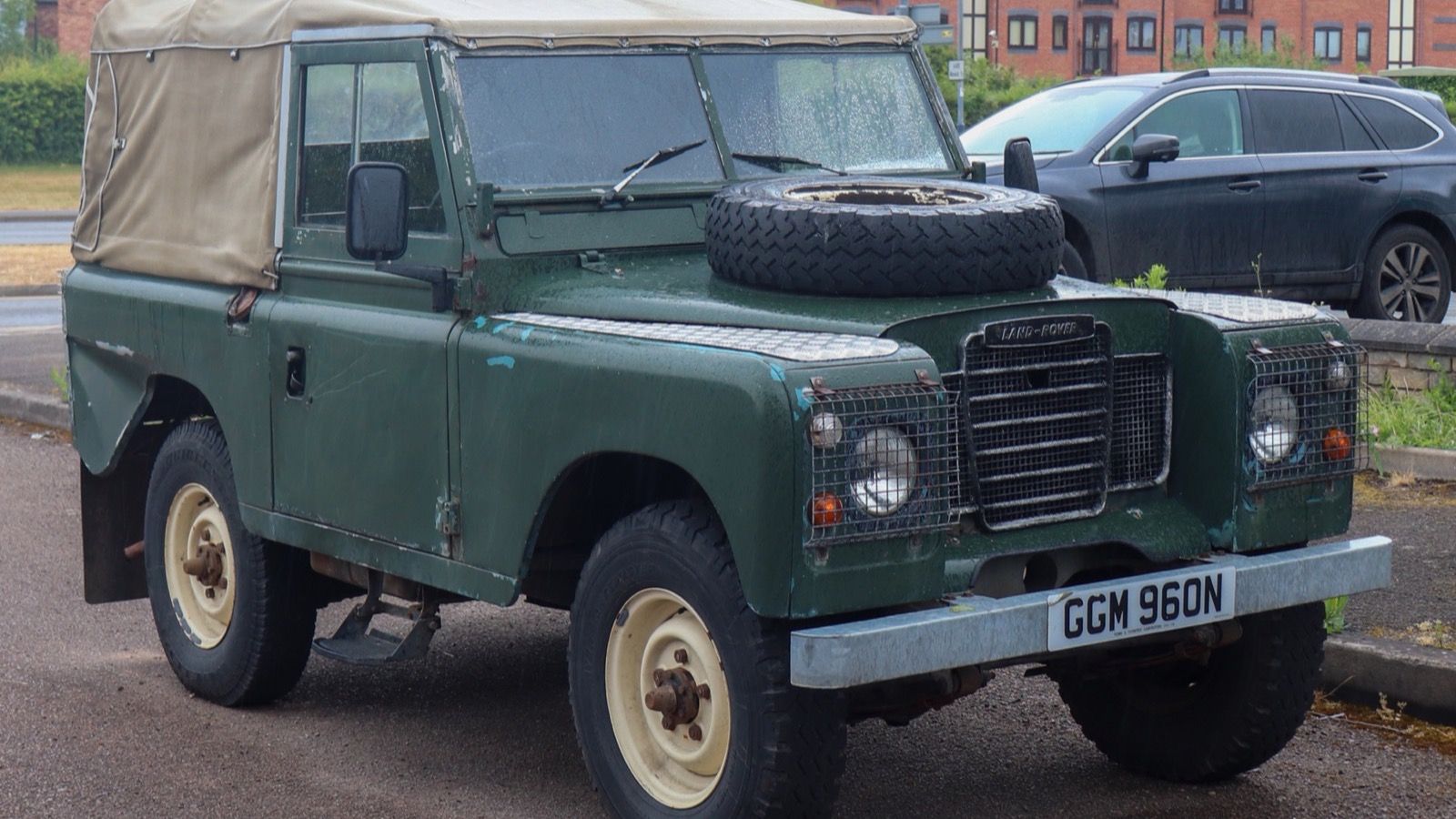
1975 Photo: “1975 Land Rover Series III 2.3 Front” by Vauxford / Wikimedia Commons, licensed under CC BY-SA 4.0. Cropped to 16:9.
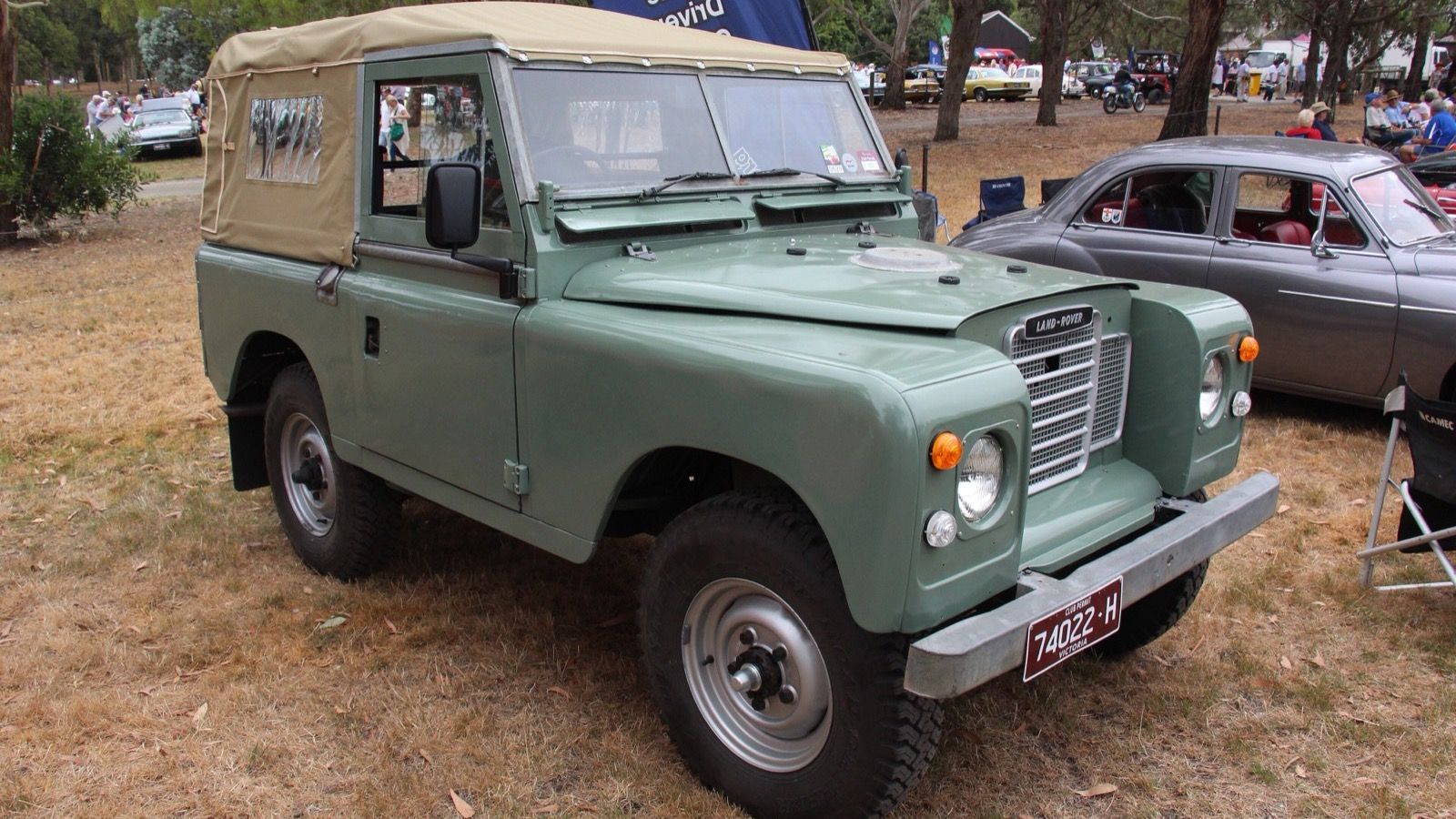
1976 Photo: “1976 Land Rover Series III 88 (46912892521)” by Sicnag / Wikimedia Commons, licensed under CC BY 2.0. Cropped to 16:9.
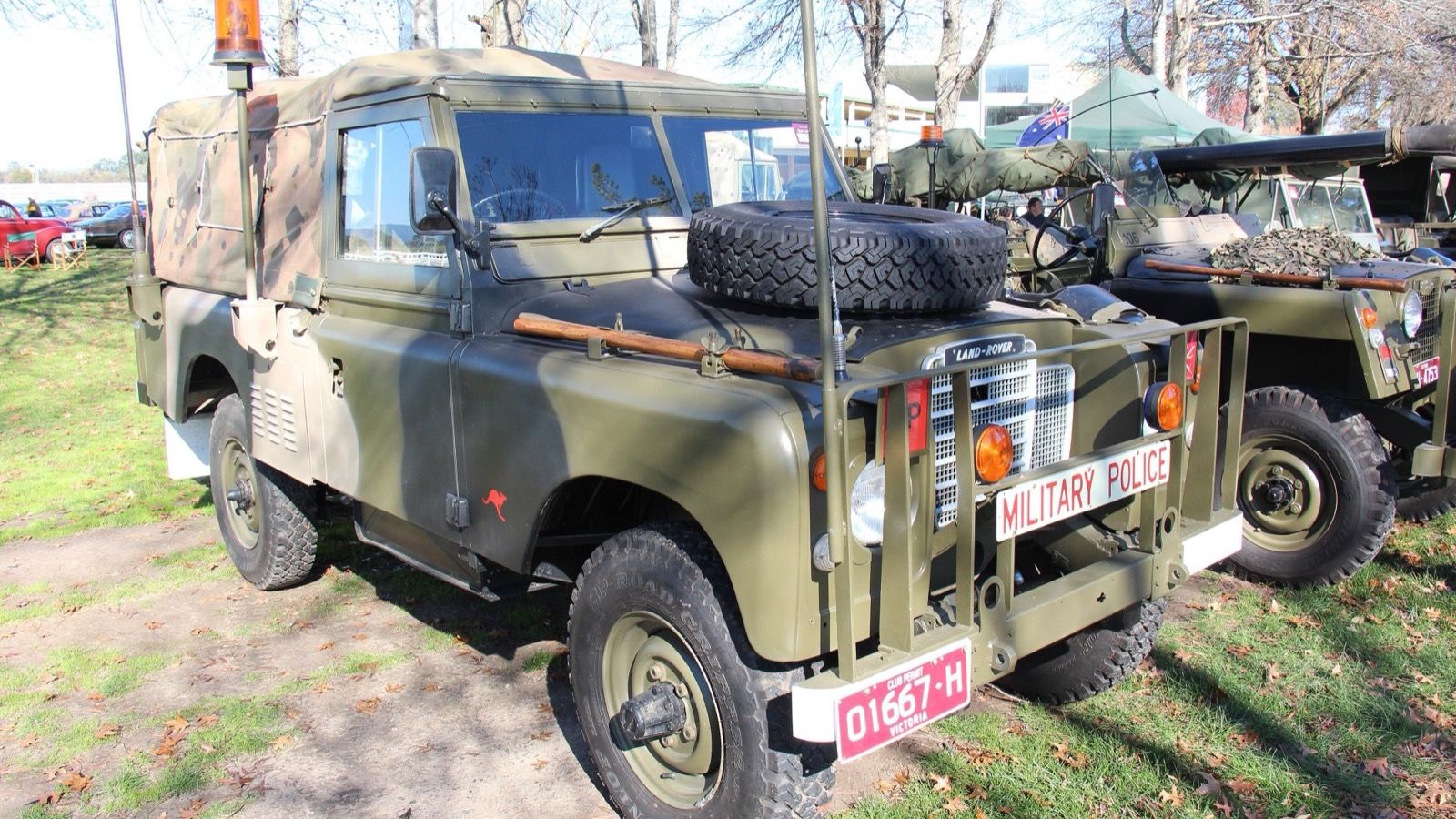
1977 Photo: “1977 Land Rover Series III LWB (17883724772)” by Sicnag / Wikimedia Commons, licensed under CC BY 2.0. Cropped to 16:9.
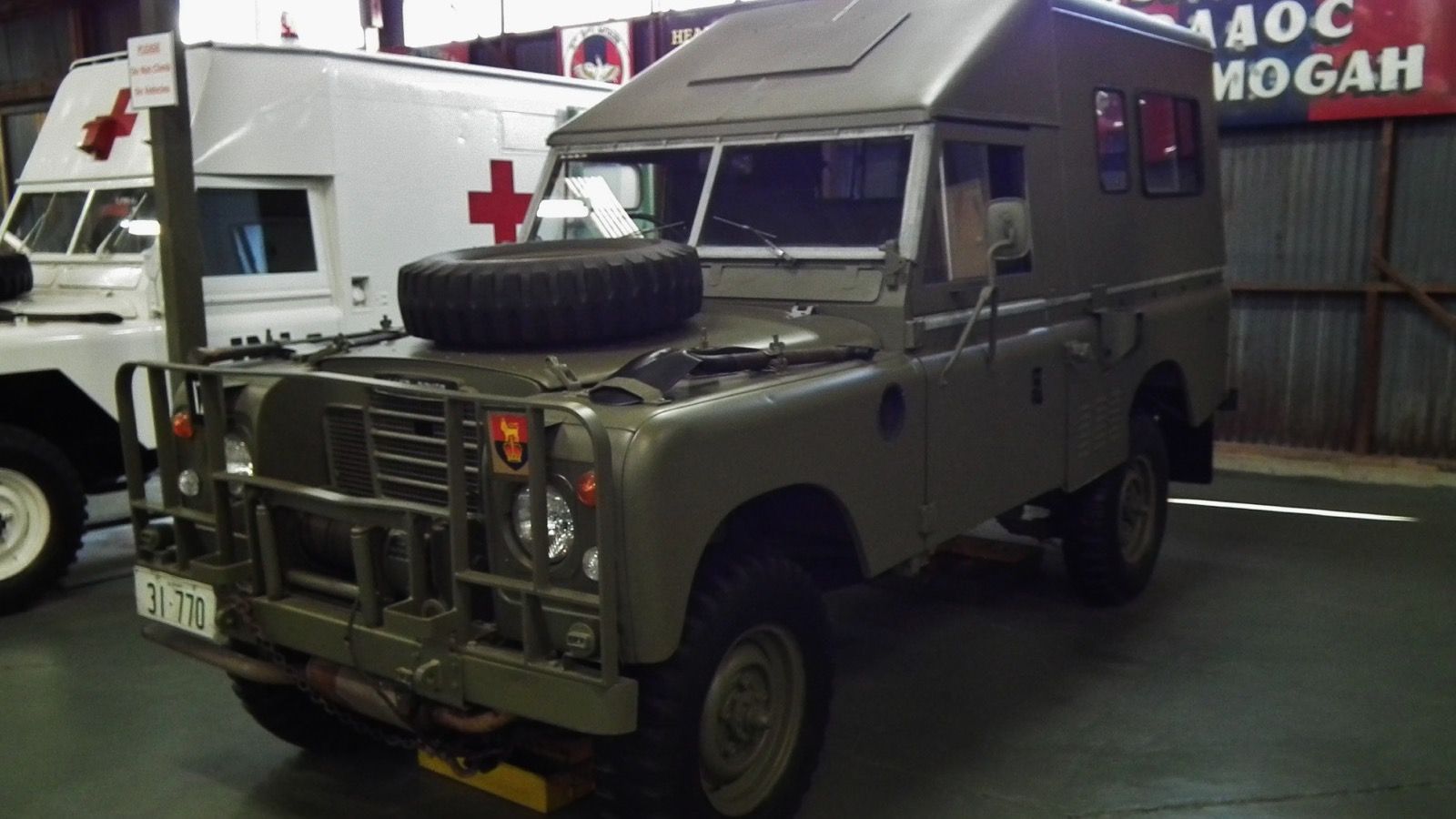
1978 Photo: “1978 Land Rover Series 3 LWB (5636674853)” by sv1ambo / Wikimedia Commons, licensed under CC BY 2.0. Cropped to 16:9.
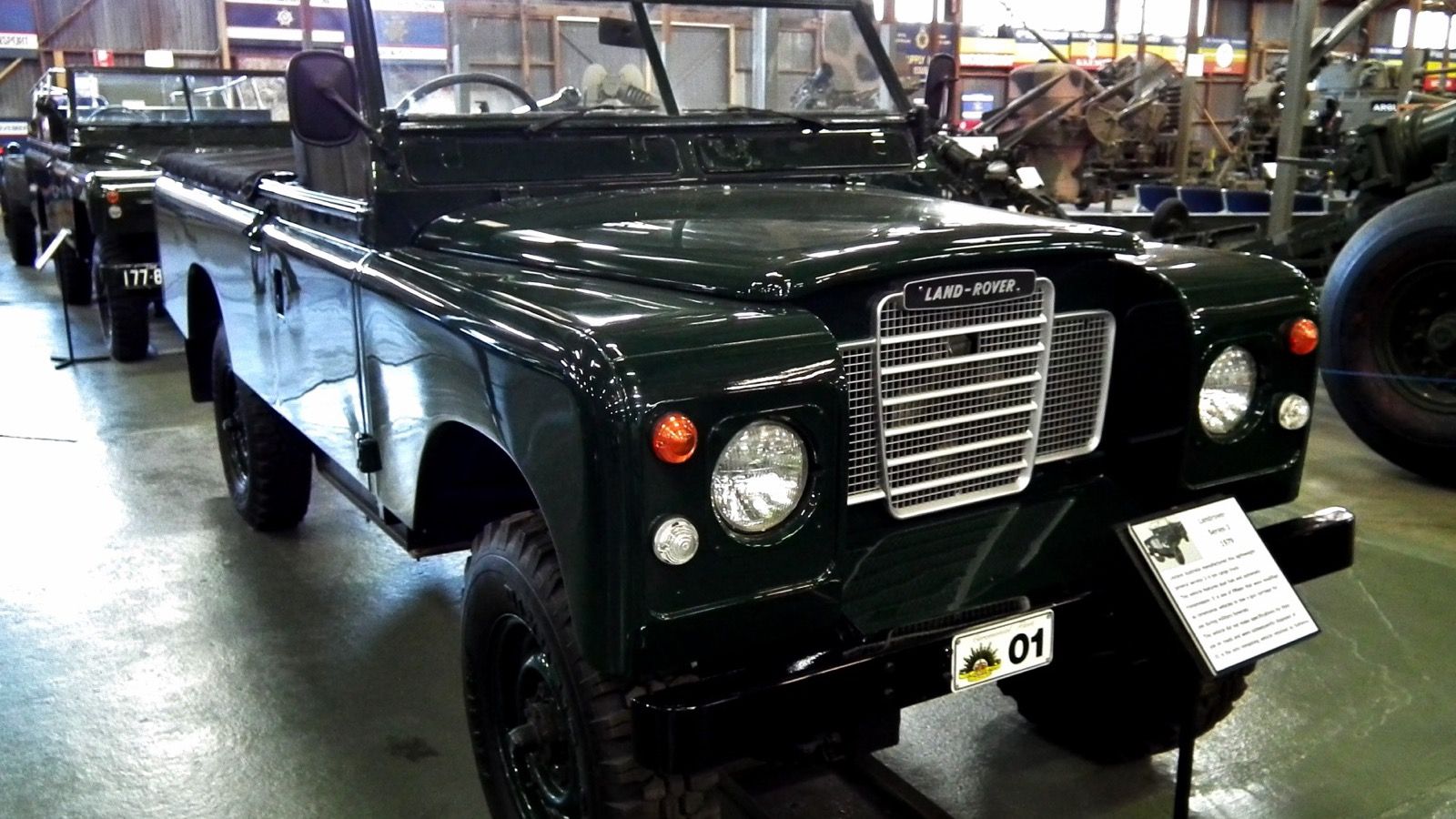
1979 Photo: “1979 Land Rover Series 3 LWB - Ceremonial Vehicle (5637263872)” by sv1ambo / Wikimedia Commons, licensed under CC BY 2.0. Cropped to 16:9.
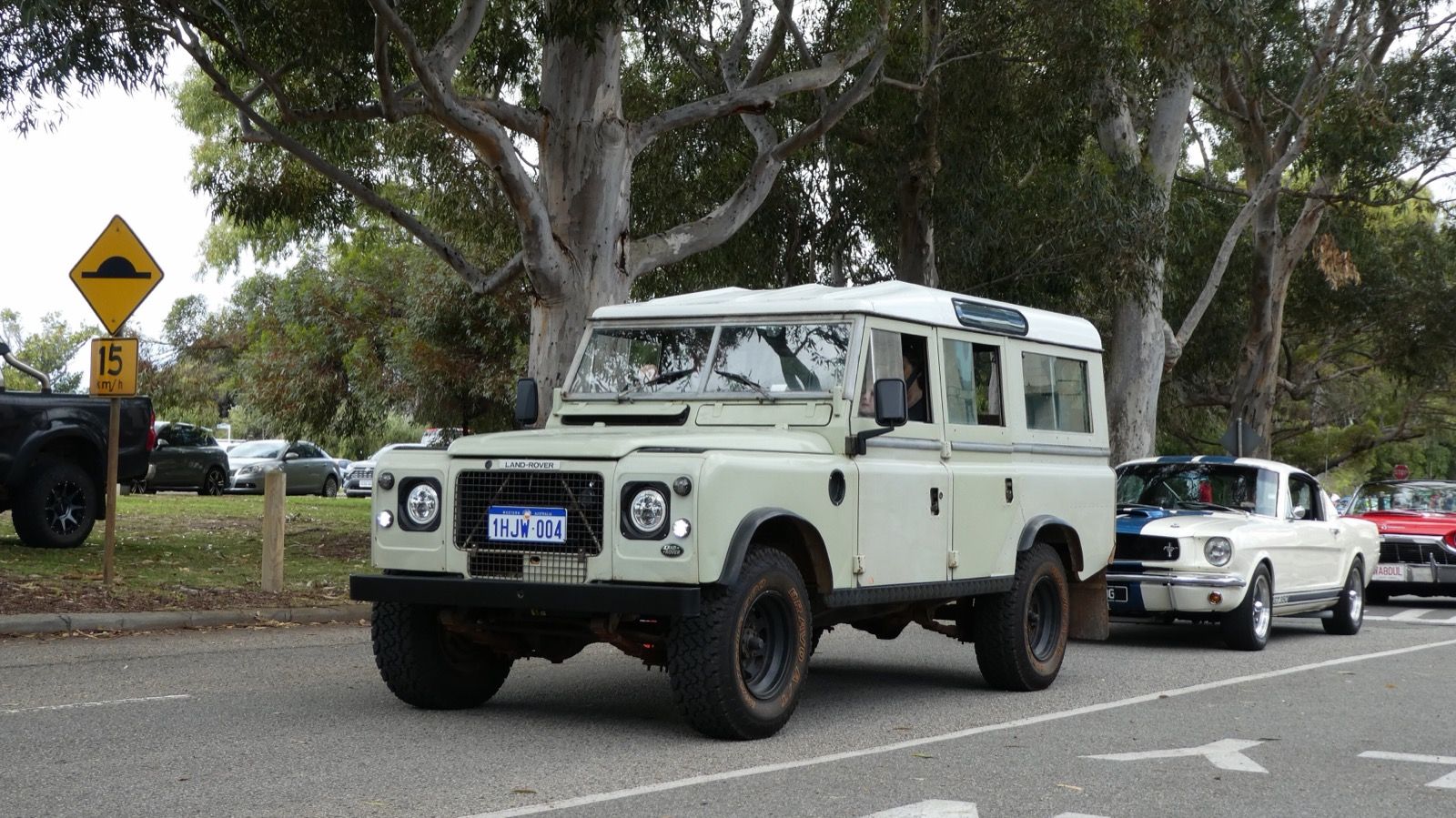
1980 Photo: “1980 Land Rover Series III 1HJW004 @ UWA Car Park 3,Crawley” by ZidaneHartono / Wikimedia Commons, licensed under CC BY-SA 4.0
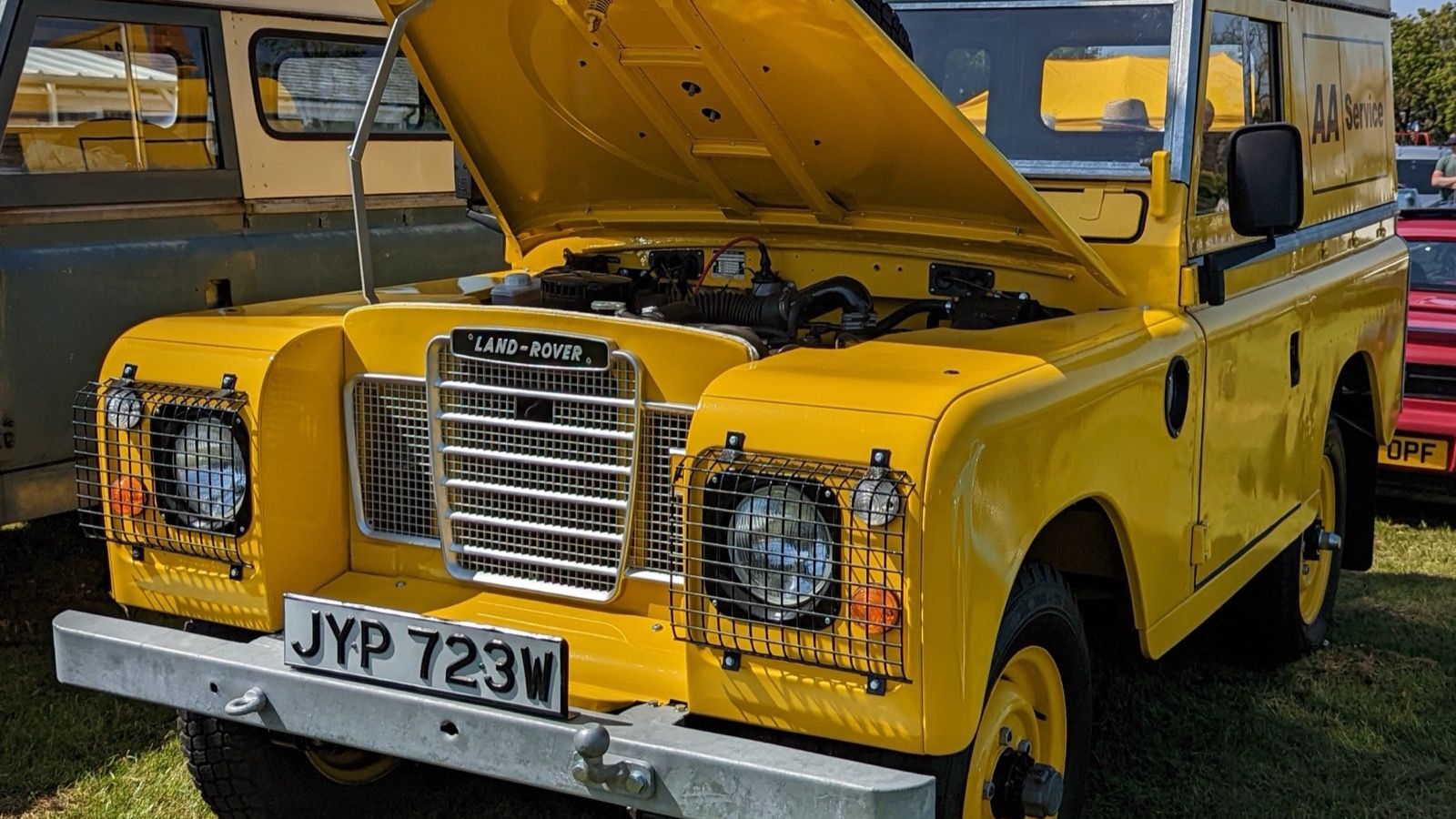
1981 Photo: “1981 Land Rover Series III 88” by Calreyn88 / Wikimedia Commons, licensed under CC BY-SA 4.0. Cropped to 16:9.
Body styles
- Soft-top
- Hard-top
- Station wagon
- Pickup
Related models
Collect the nameplate
Find a scale model of the Land Rover Series (I/II/III)
Search Amazon across available years, colors, and scales. Exact releases vary, so confirm the listing before ordering.