
Land Rover Range Rover History
The full-size flagship that invented the luxury SUV — a 1970 original that grew into Land Rover's range-topping 4x4 limousine.
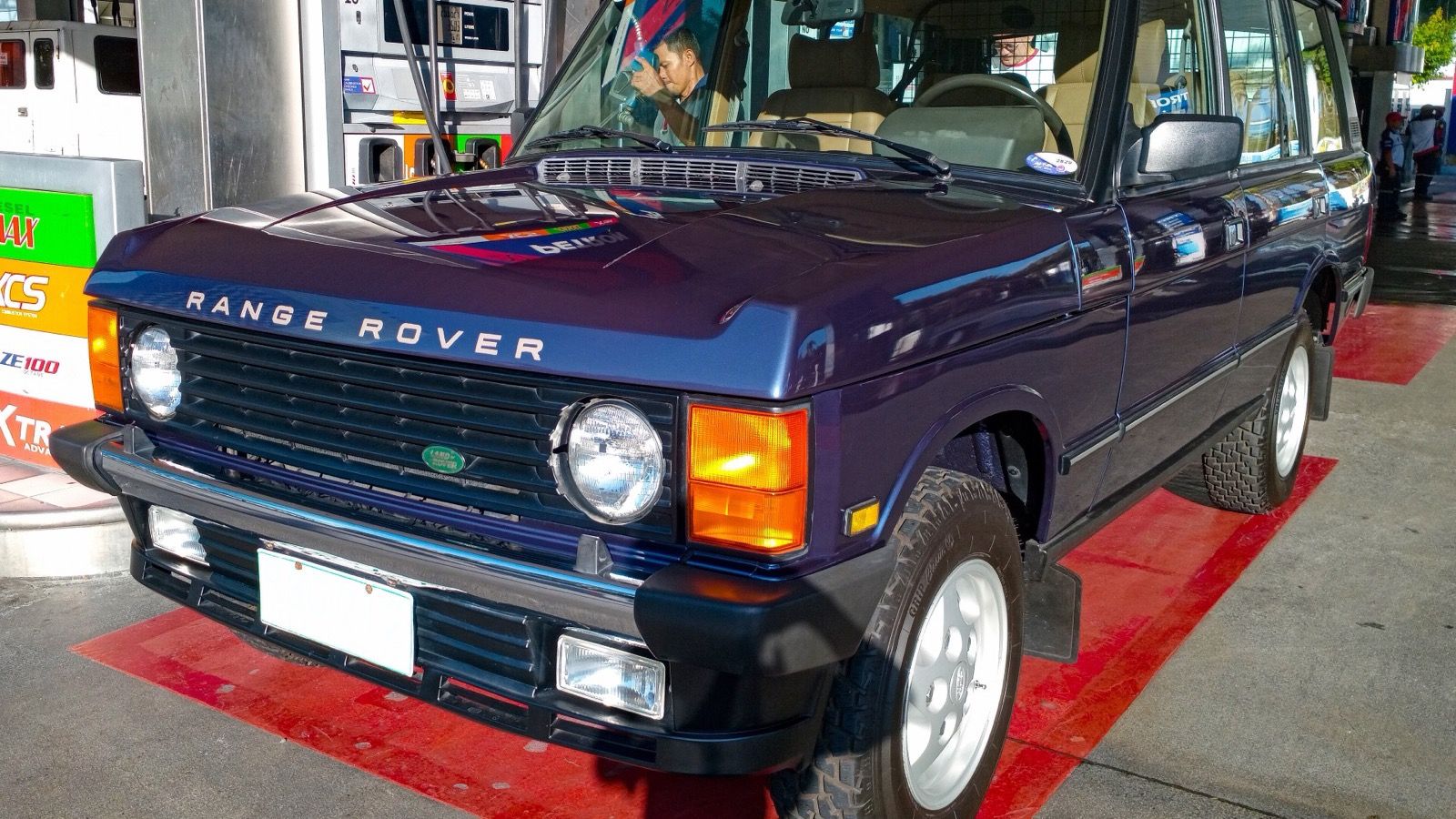
Photo: “1994 Range Rover Classic County LWB V8, front left, 06-02-2024” by Ethan Llamas / Wikimedia Commons, licensed under CC BY-SA 4.0. Cropped to 16:9.
History
Launched in 1970, the original Range Rover (now called the Classic) paired genuine off-road ability with coil-spring comfort, a 3.5-litre Rover V8, and a clean, upright design — pioneering the idea of a premium, road-and-rough 4x4. It started as a fairly utilitarian two-door but steadily moved upmarket, gaining four doors and ever more luxury through its long 1970–1996 run.
The second-generation P38A (1994–2002) modernised the formula, and the BMW-developed third-generation L322 (2002–2012) pushed the Range Rover firmly into luxury-limousine territory with a monocoque body and air suspension. The fourth-generation L405 (2012–2021) introduced an aluminium monocoque that cut weight dramatically.
The current fifth generation (L460), launched for 2022, continues as Land Rover's flagship, offered with long-wheelbase and (for the first time on this model) seven-seat options, plug-in hybrids, and a planned fully electric variant — capping more than five decades as the template for the modern luxury SUV.
Generations
Classic · Range Rover Classic
Photo: “1994 Range Rover Classic County LWB V8, front left, 06-02-2024” by Ethan Llamas / Wikimedia Commons, licensed under CC BY-SA 4.0. Cropped to 16:9.
The original — a coil-sprung, V8-powered 4x4 that pioneered the luxury SUV; began as a two-door and gained four doors and upmarket trim over its long run.
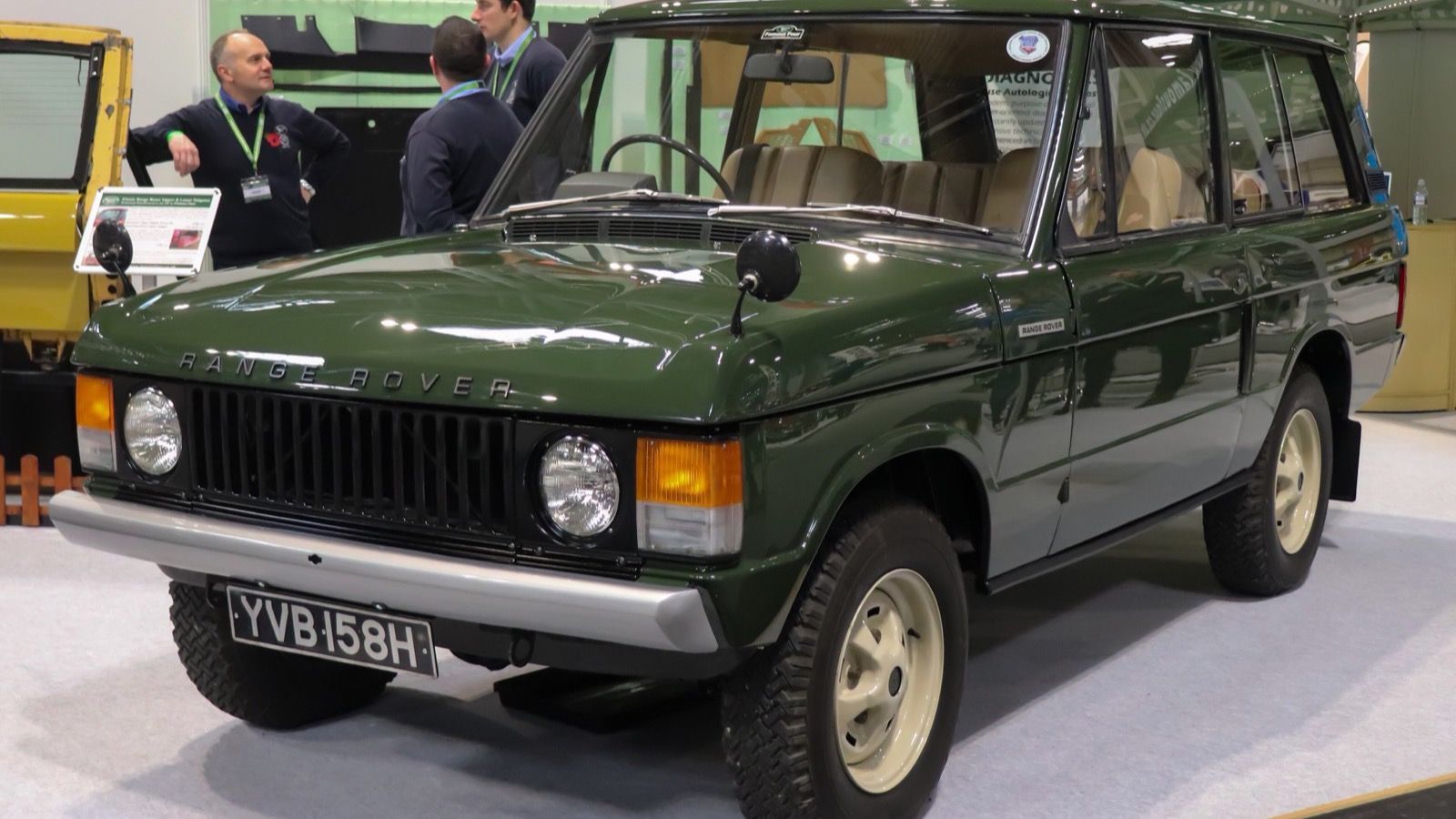
1970 Photo: “1970 Land Rover Range Rover 3.5” by Vauxford / Wikimedia Commons, licensed under CC BY-SA 4.0. Cropped to 16:9.
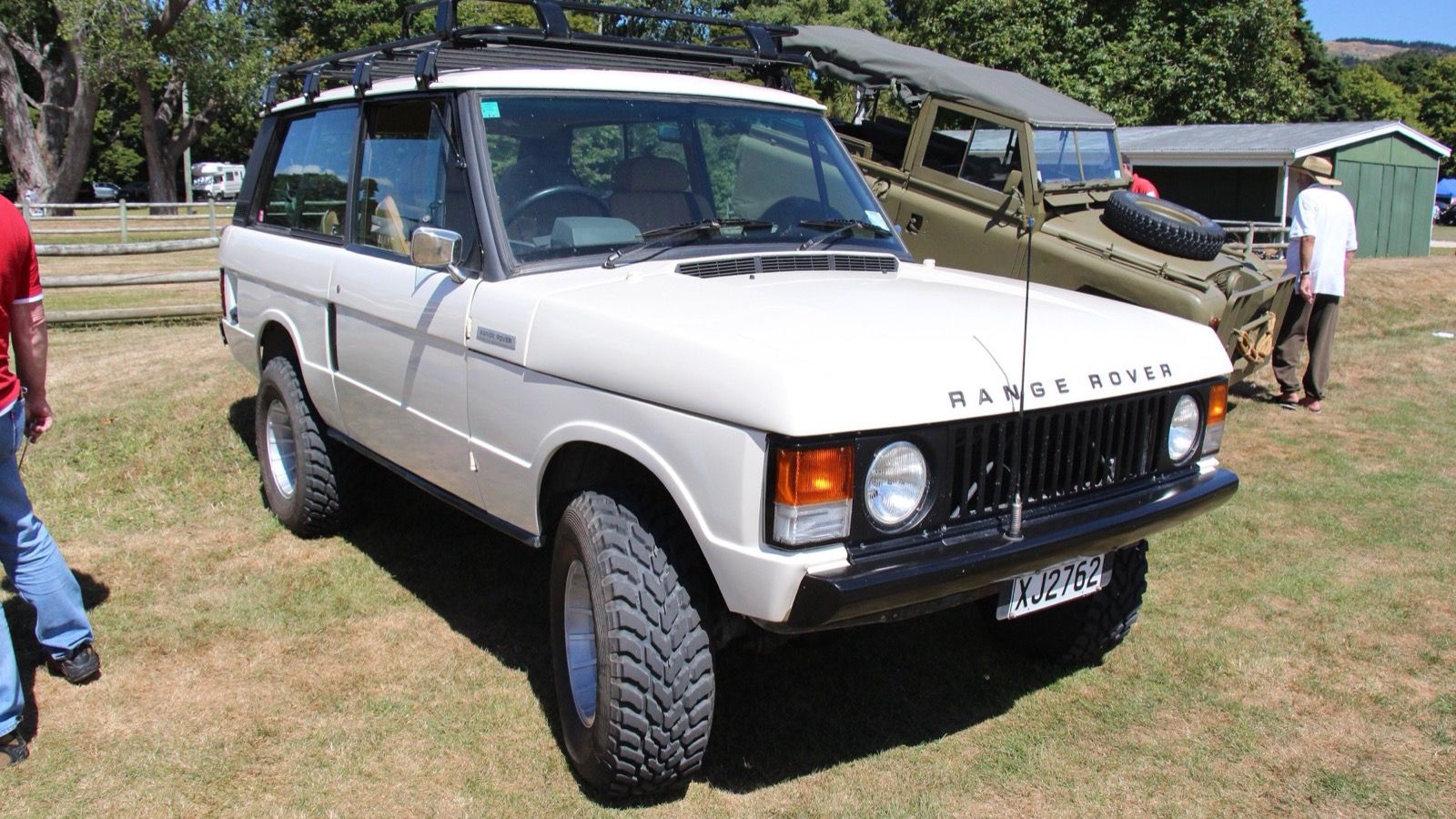
1974 Photo: “1974 Range Rover Classic 4X4 Wagon (47201968852)” by Sicnag / Wikimedia Commons, licensed under CC BY 2.0. Cropped to 16:9.
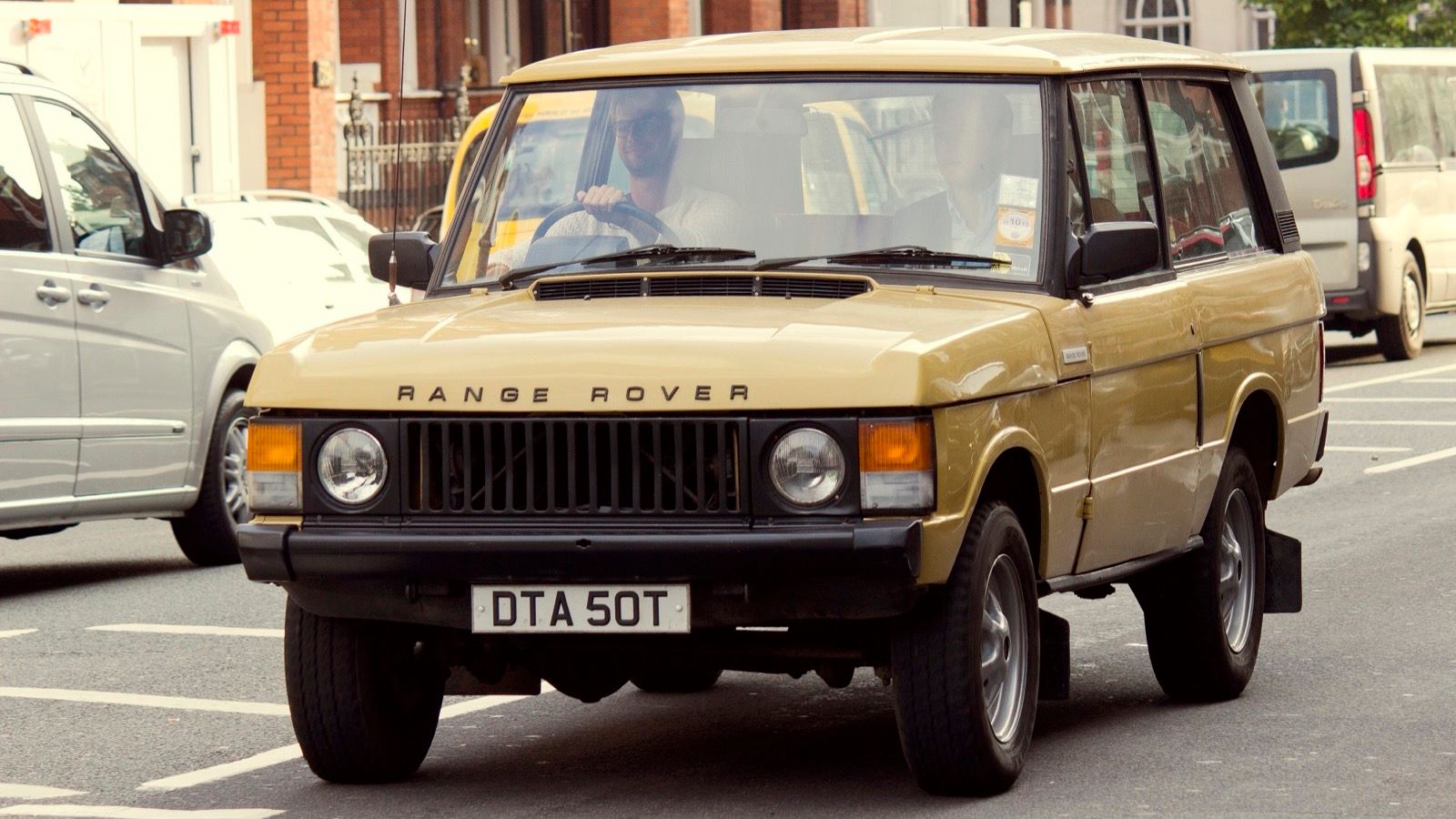
1979 Photo: “1979 Land Rover Range Rover (9106653385)” by Spanish Coches / Wikimedia Commons, licensed under CC BY 2.0. Cropped to 16:9.
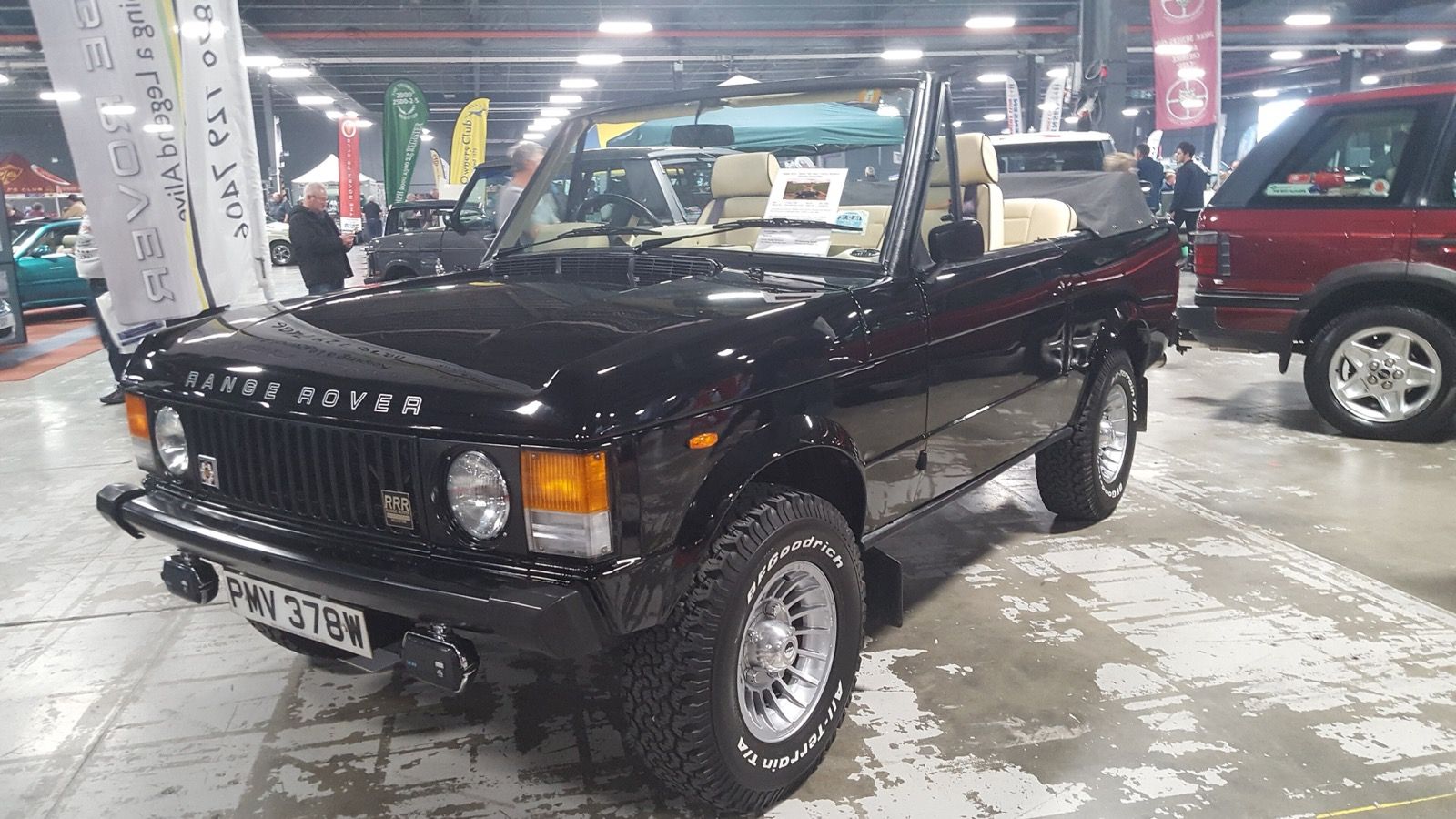
1981 Photo: “1981 Range Rover 3.5 V8 Convertible (39119357385)” by Kieran White from Manchester, England / Wikimedia Commons, licensed under CC BY 2.0. Cropped to 16:9.
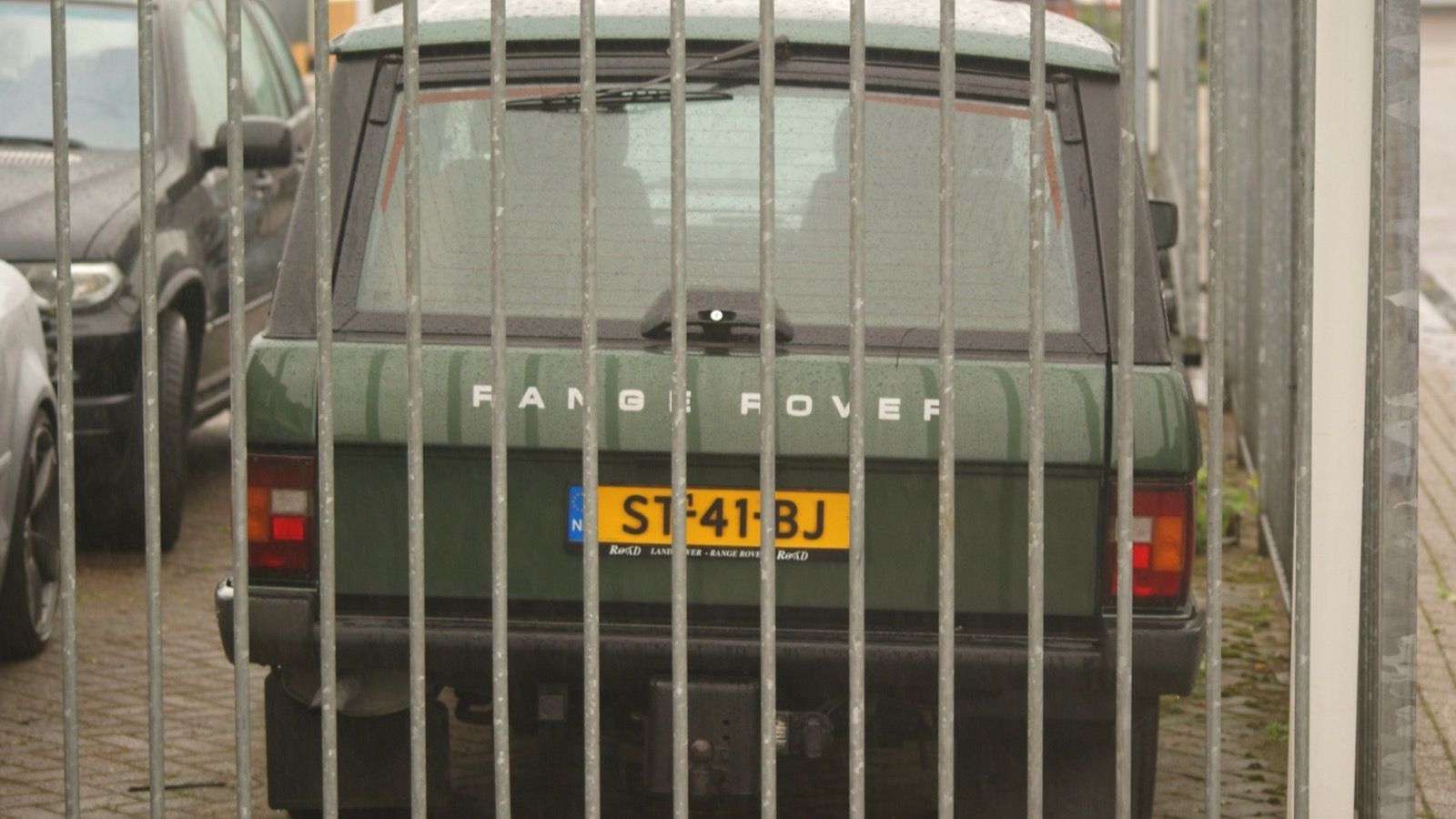
1987 Photo: “1987 Range Rover (14155987412)” by Niels de Wit from Lunteren, The Netherlands / Wikimedia Commons, licensed under CC BY 2.0. Cropped to 16:9.
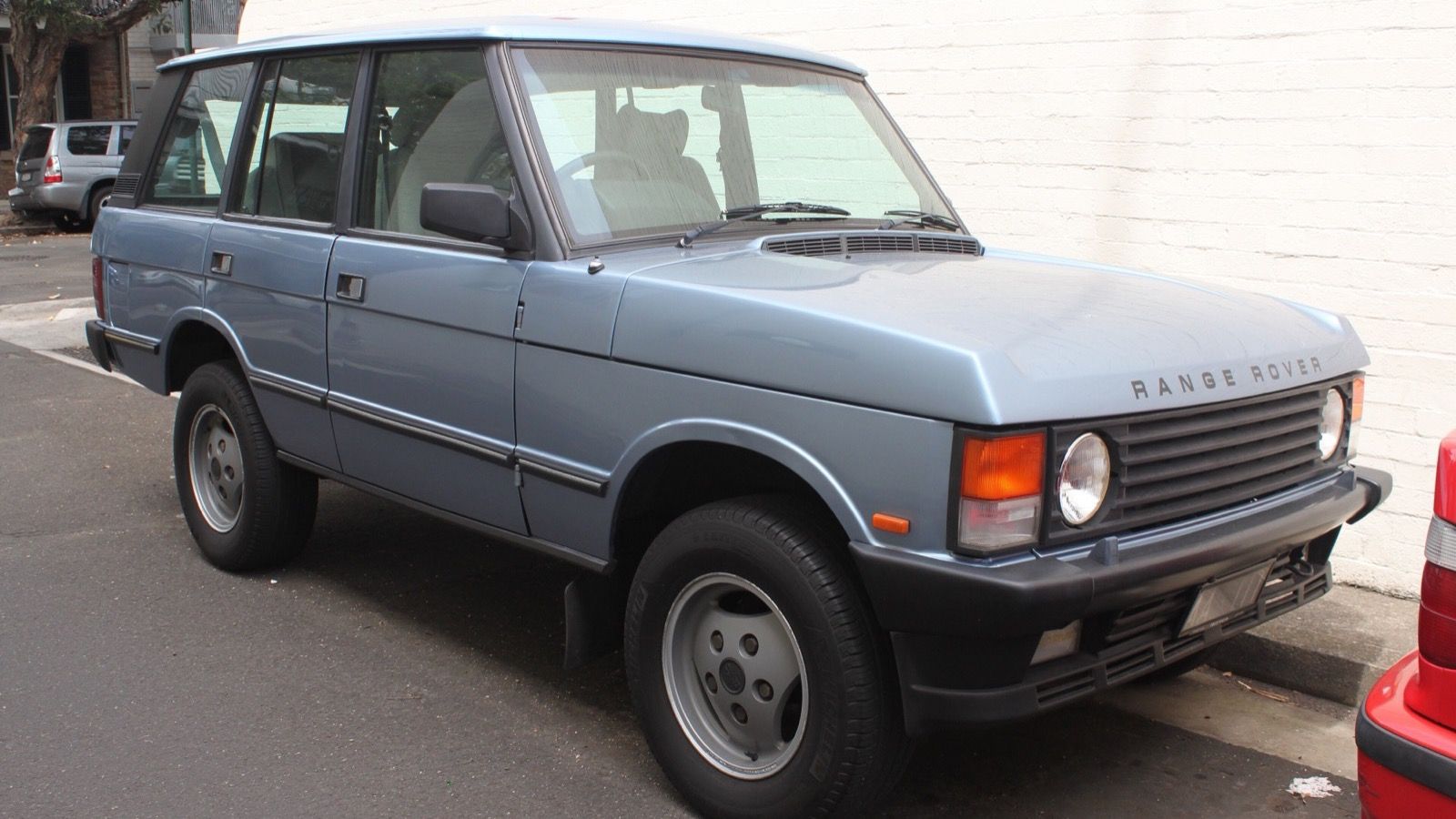
1988 Photo: “1988 Land Rover Range Rover 5-door wagon (23295942714)” by Jeremy from Sydney, Australia / Wikimedia Commons, licensed under CC BY 2.0. Cropped to 16:9.
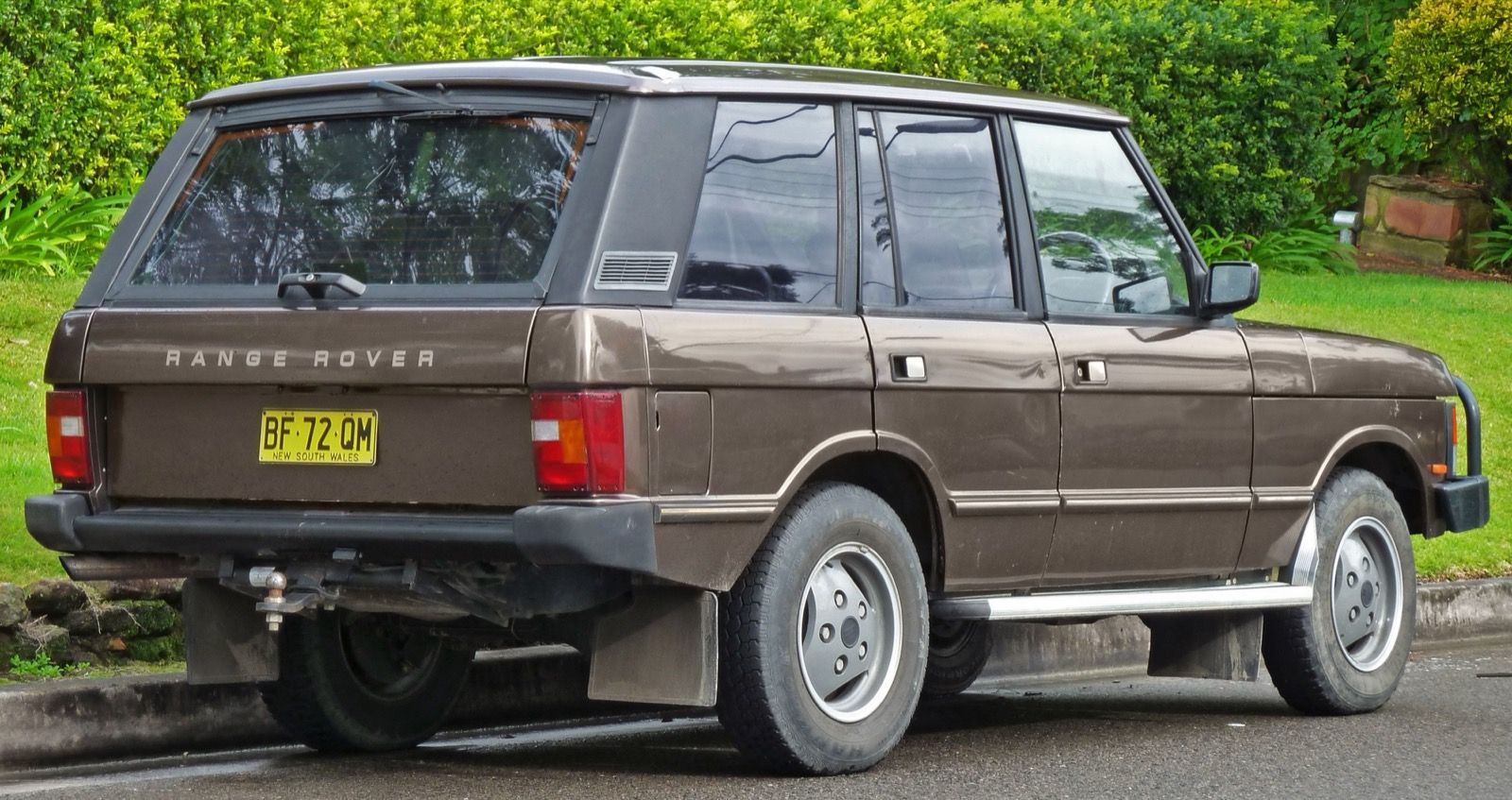
1989 Photo: “1989 Land Rover Range Rover 5-door wagon (2011-06-15) 02” by OSX / Wikimedia Commons — Public domain
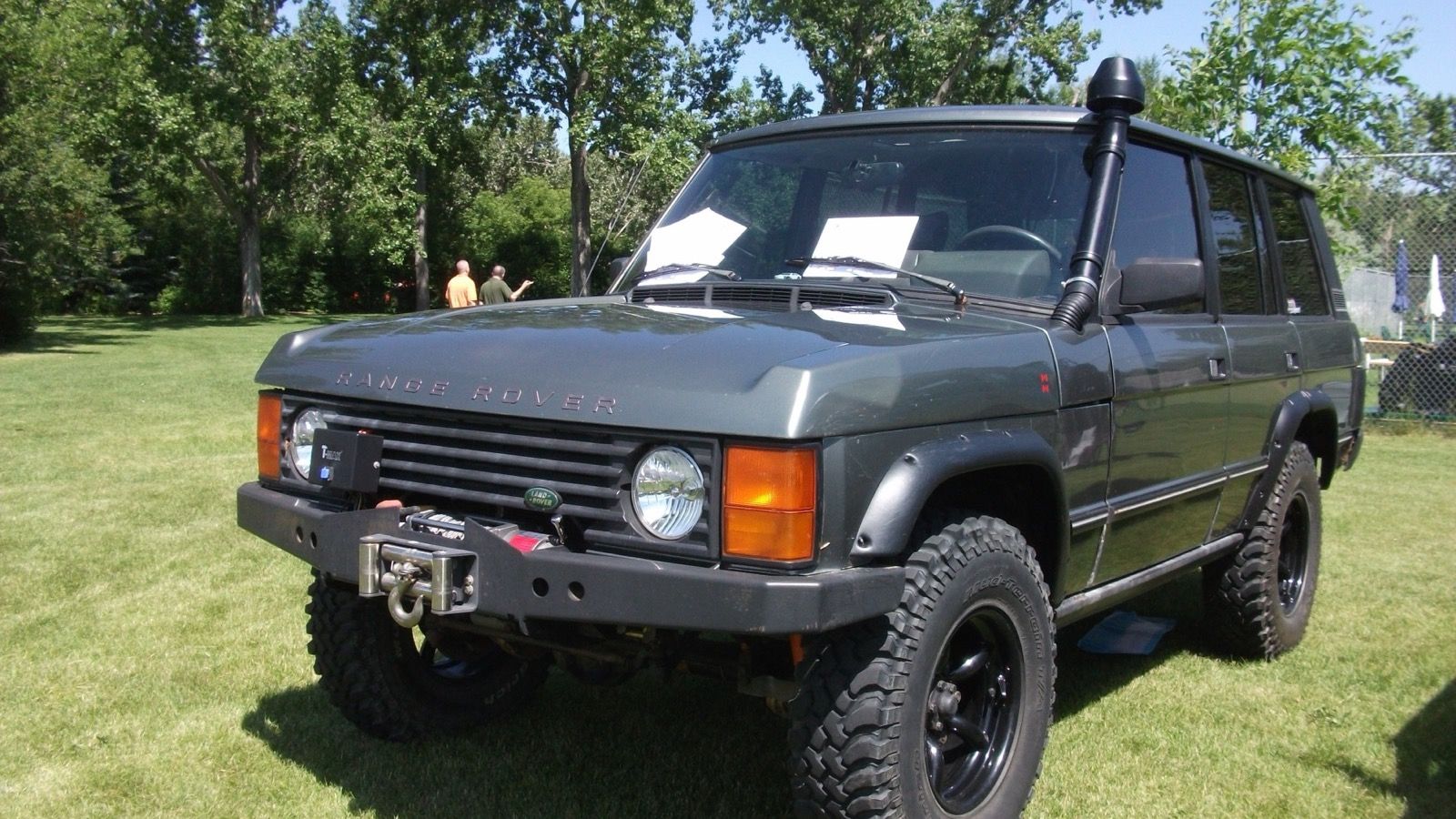
1990 Photo: “1990 Range Rover (5971571137)” by dave_7 from Lethbridge, Canada / Wikimedia Commons, licensed under CC BY 2.0. Cropped to 16:9.
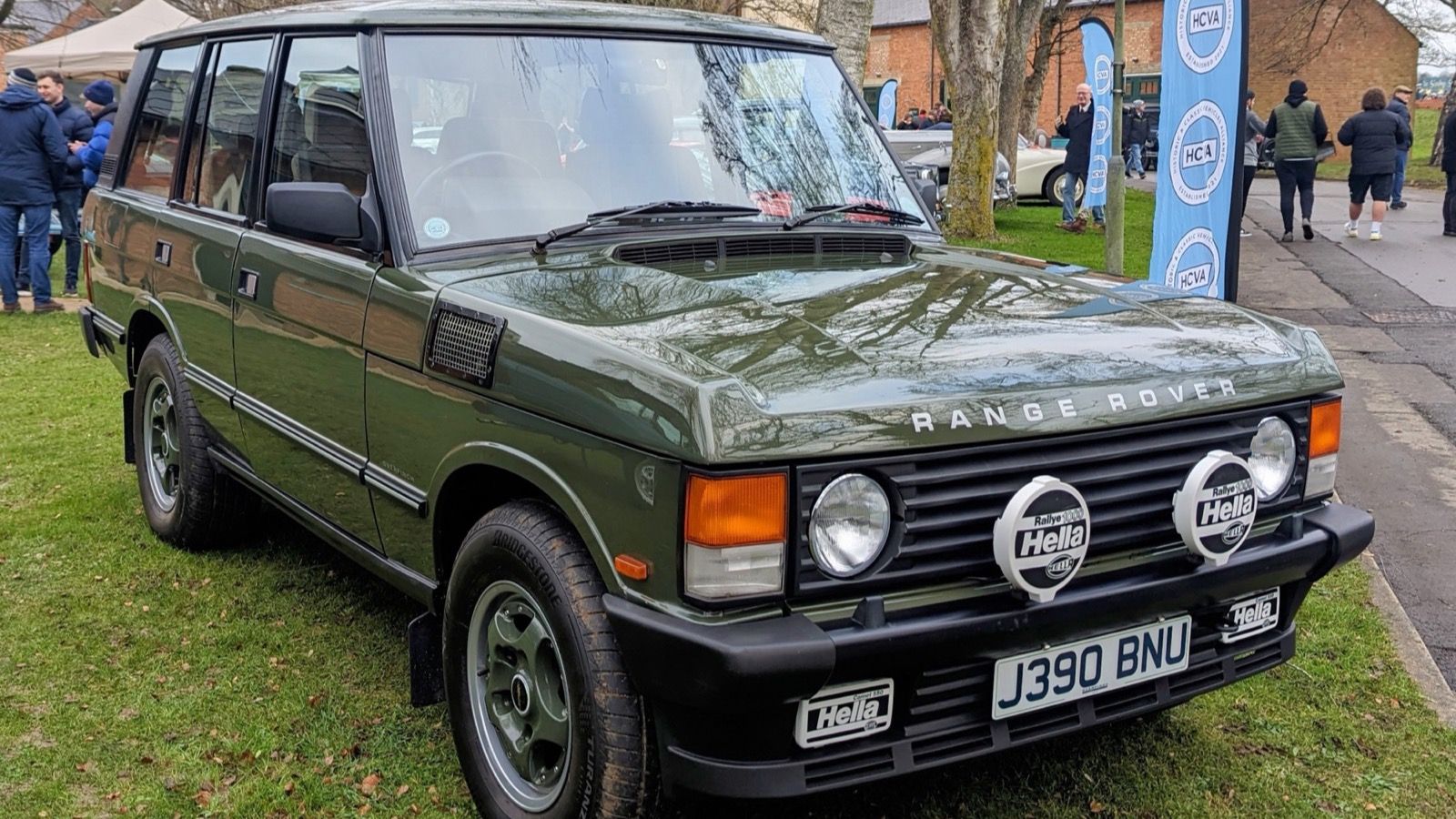
1991 Photo: “1991 Range Rover Vogue EFi Auto Overfinch” by Calreyn88 / Wikimedia Commons, licensed under CC BY 4.0. Cropped to 16:9.
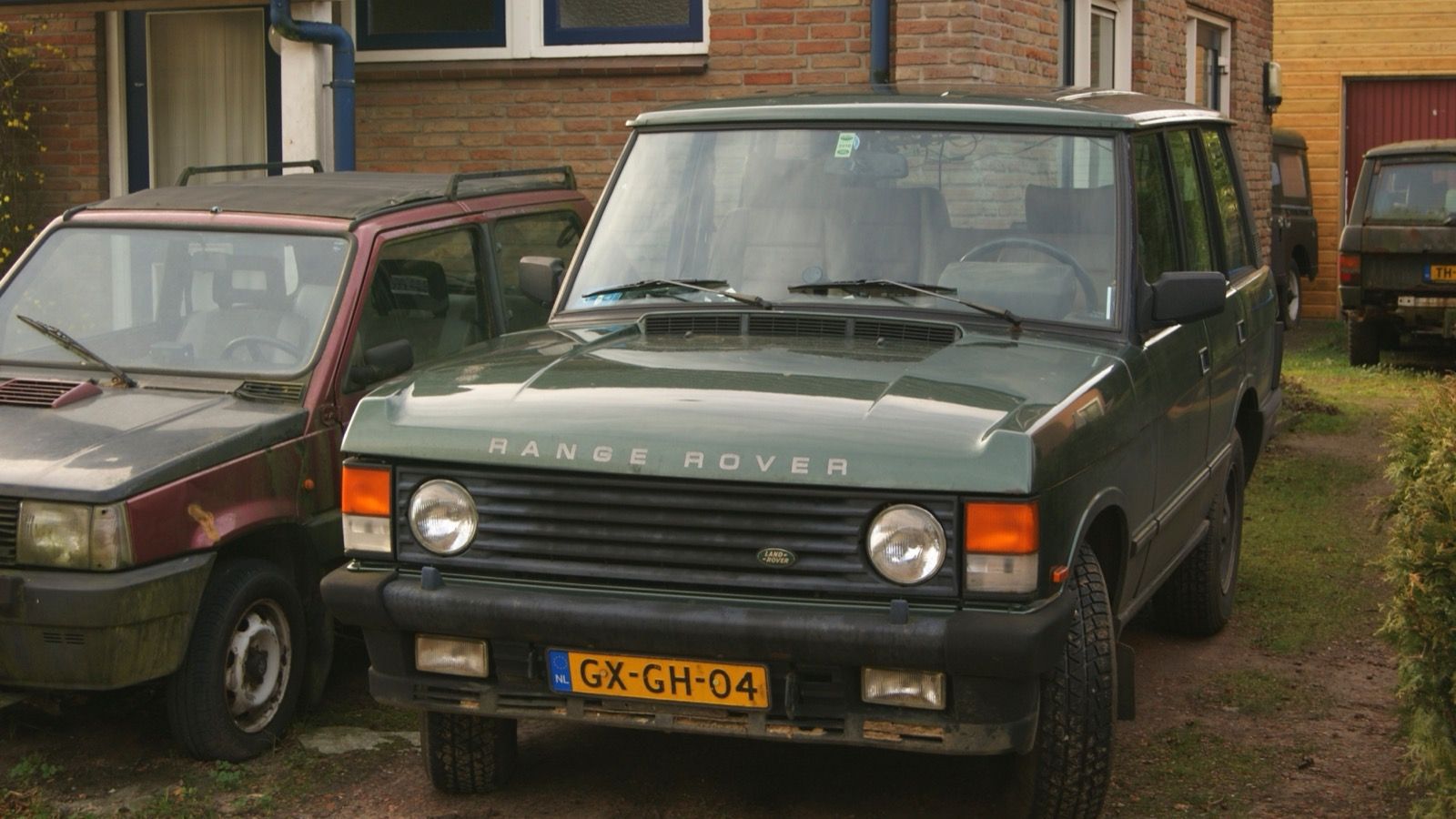
1992 Photo: “1992 Range Rover (11822156565)” by Niels de Wit from Lunteren, The Netherlands / Wikimedia Commons, licensed under CC BY 2.0. Cropped to 16:9.
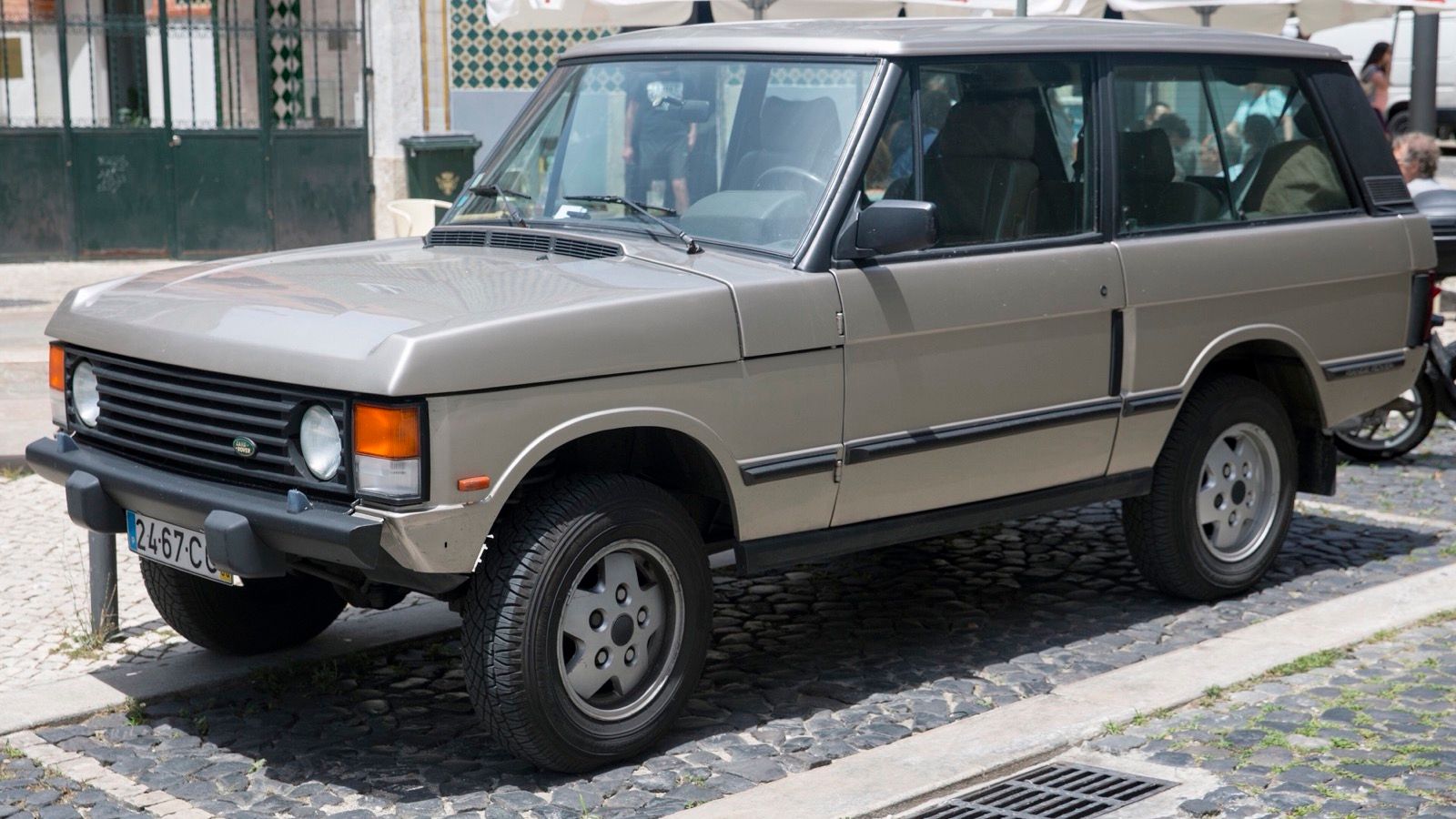
1993 Photo: “1993 Range Rover three-door in Lisbon (front left)” by Mr.choppers / Wikimedia Commons, licensed under CC BY-SA 3.0. Cropped to 16:9.
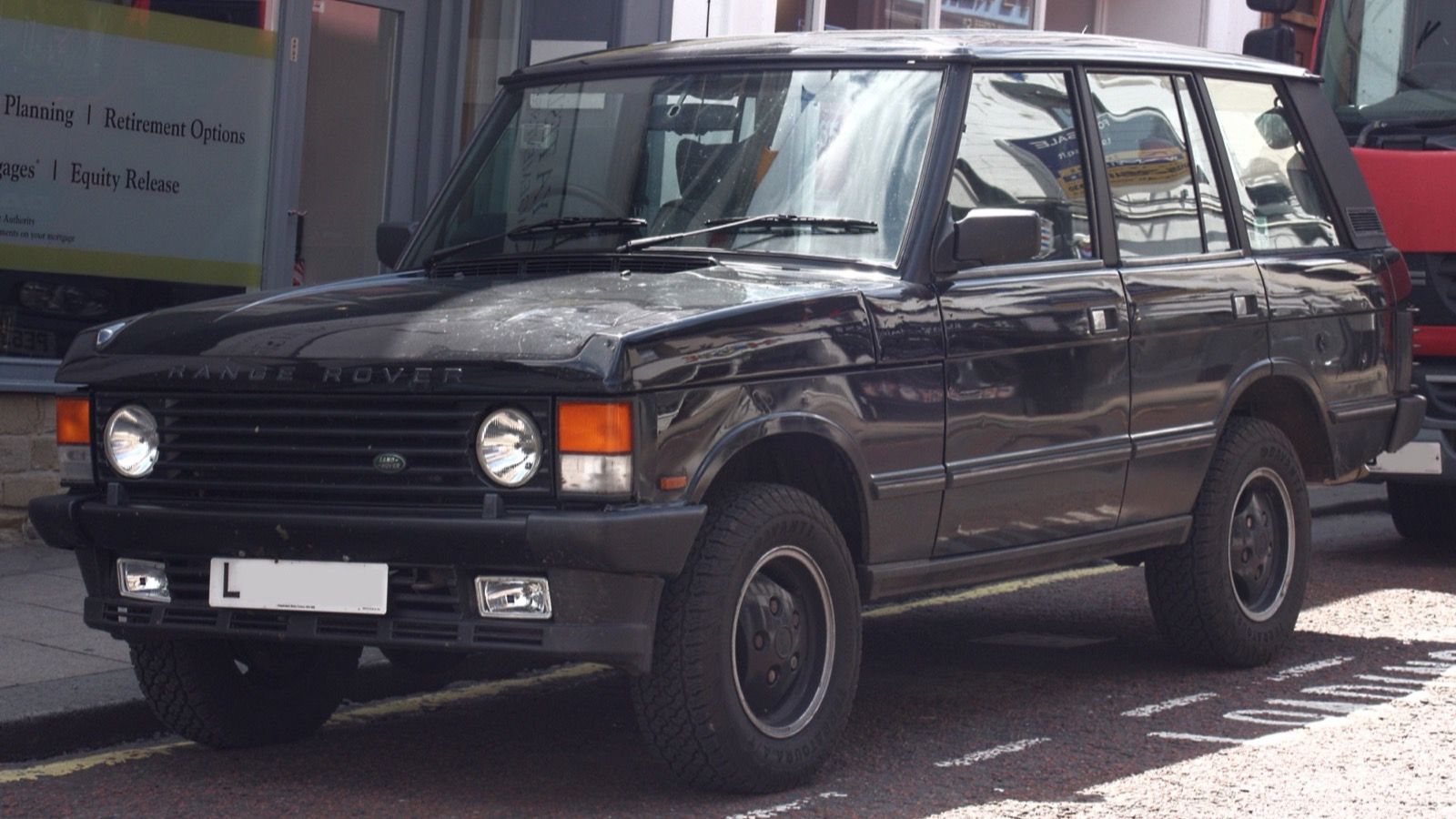
1994 Photo: “1994 Land Rover Range Rover Vogue SE - 3950cc 180PS V8 Petrol - Beluga Black - 29-06-2023, Front Left” by DieselFordMondeo / Wikimedia Commons, licensed under CC BY-SA 4.0. Cropped to 16:9.
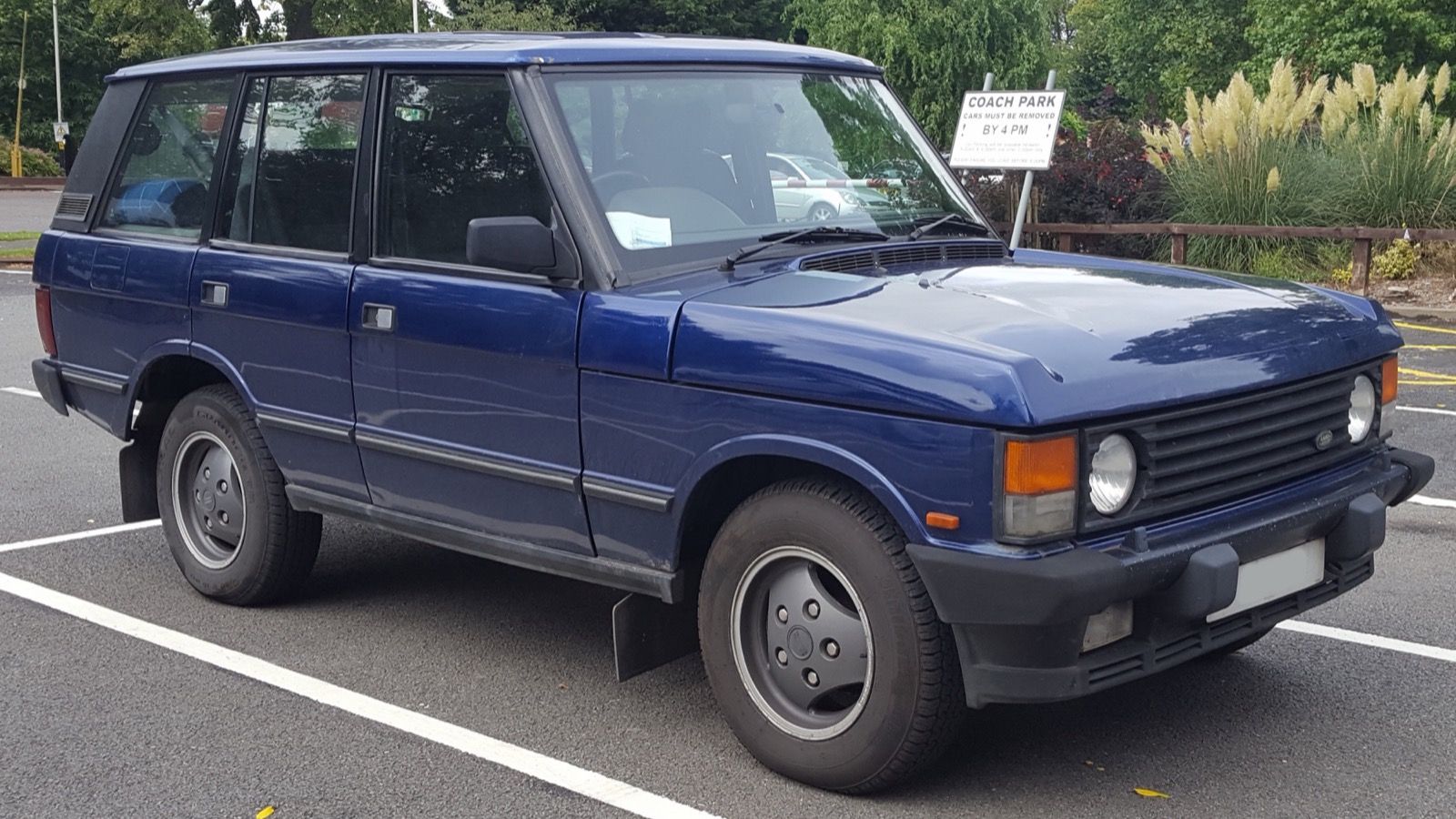
1995 Photo: “1995 Land Rover Range Rover Vogue TDi 2.5 Front” by Makizox / Wikimedia Commons, licensed under CC BY-SA 4.0. Cropped to 16:9.
P38A
The second generation — a more refined, more luxurious evolution that overlapped the Classic's final years on sale.
L322
The BMW-era third generation — monocoque body, air suspension, and a decisive move into luxury-limousine territory.
L405
The fourth generation — the first Range Rover with an all-aluminium monocoque, shedding significant weight.
L460
The current fifth generation — long-wheelbase and seven-seat options, plug-in hybrids, and a planned battery-electric variant.
Body styles
- 3-door SUV
- 5-door SUV
Related models
Collect the nameplate
Find a scale model of the Land Rover Range Rover
Search Amazon across available years, colors, and scales. Exact releases vary, so confirm the listing before ordering.