
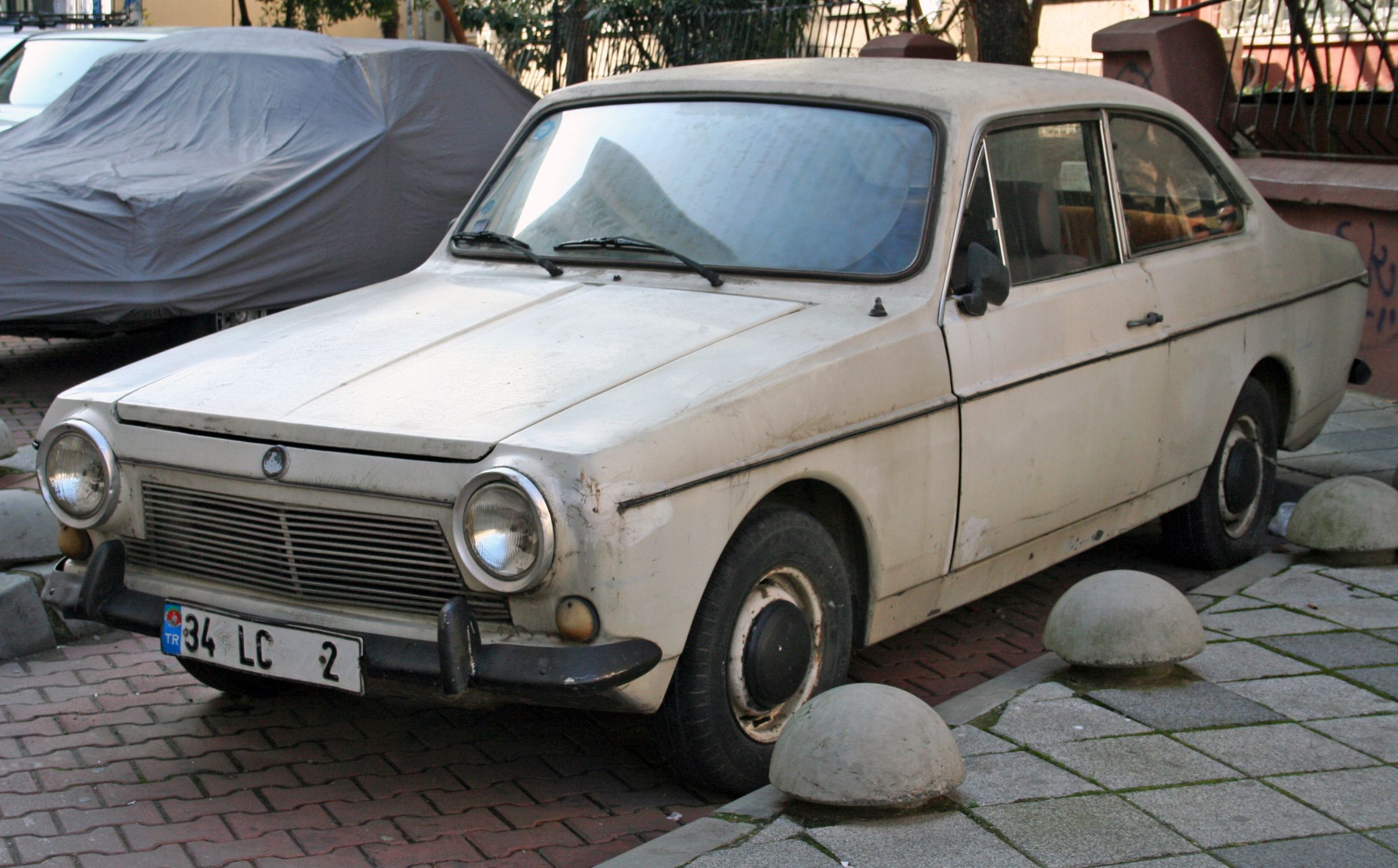
Anadol A1 History
The pioneering original Anadol (1966–1975) — Turkey's first mass-produced passenger car, with a fiberglass body and Ford Kent engine.
Photo: “Anadol A1 light grey front.jpg” by Mr.choppers / Wikimedia Commons, licensed under CC BY-SA 3.0
History
The Anadol A1 entered production on 16 December 1966 at Otosan's new east-Istanbul plant, making it Turkey's first mass-produced domestic passenger car — only the second Turkish car ever after the one-off Devrim prototype of 1961. The body was moulded in fiberglass, a practical choice that sidestepped the enormous investment required for steel pressings; the running gear came from Ford, starting with a 1.2-litre Cortina engine that was replaced in October 1968 by the more robust 1.3-litre Ford Kent unit.
Designed with input from Reliant Motor Company in England — experienced fiberglass specialists — the A1 had a contemporary European silhouette and was offered in coupé, saloon, and estate body styles. It found a loyal following among Turkish buyers and proved competitive in domestic motorsport, with noted rally drivers such as Renç Koçibey campaigning examples in the late 1960s and early 1970s.
By the end of its run in 1975, Otosan had built 19,724 A1s, a substantial number for a young domestic industry. The model established Anadol's template — fiberglass construction on a Ford-derived chassis — that all subsequent models would follow.
Generations
A1 (1966–1975) · A1
Photo: “Anadol A1 light grey front.jpg” by Mr.choppers / Wikimedia Commons, licensed under CC BY-SA 3.0
Turkey's first mass-produced car — a fiberglass-bodied two-door on a Ford Kent drivetrain, updated to a MkII front from the early 1970s.
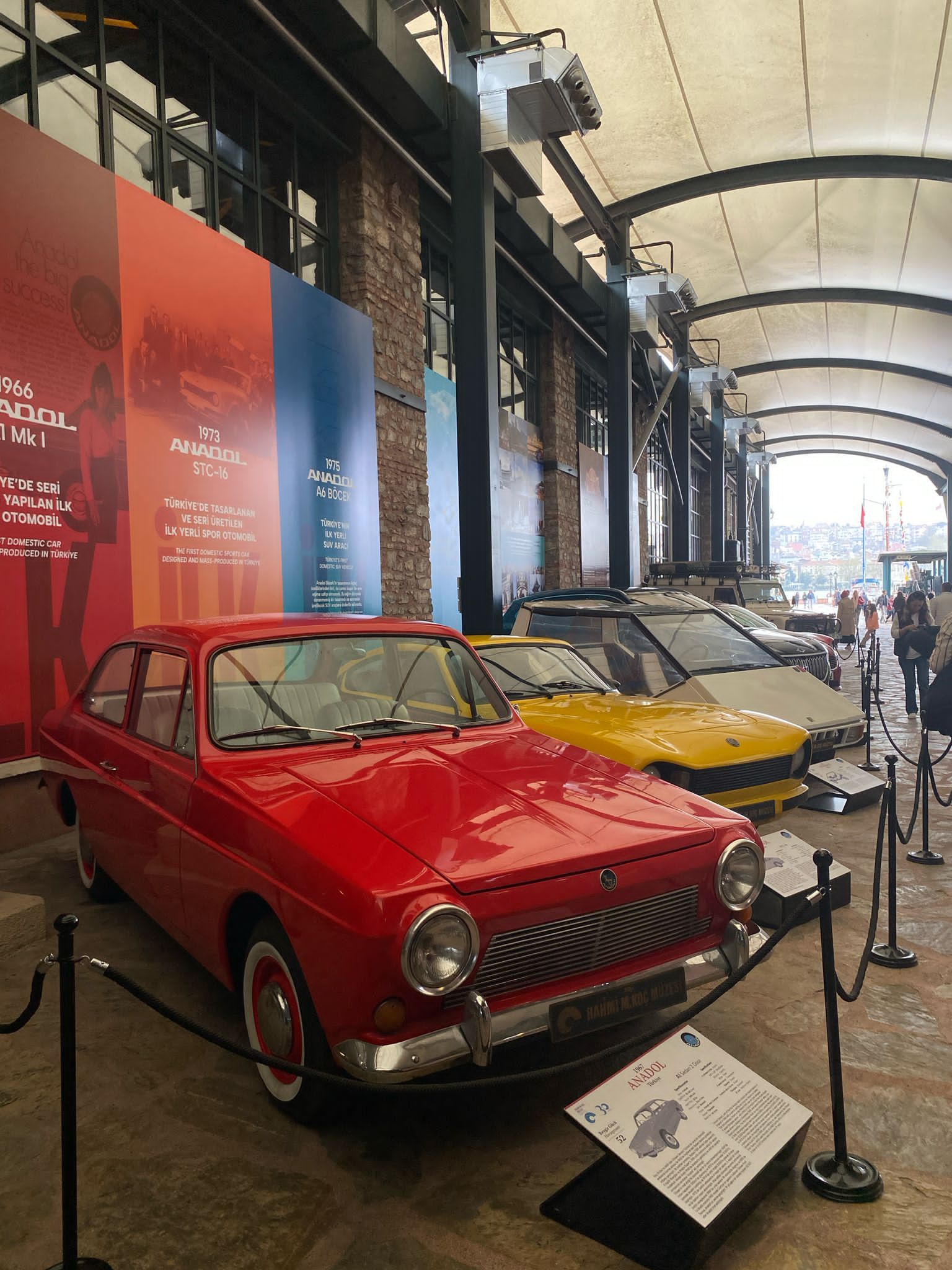
1967 Photo: “1967 model bir Anadol.jpg” by Sue ata / Wikimedia Commons, licensed under CC BY-SA 4.0
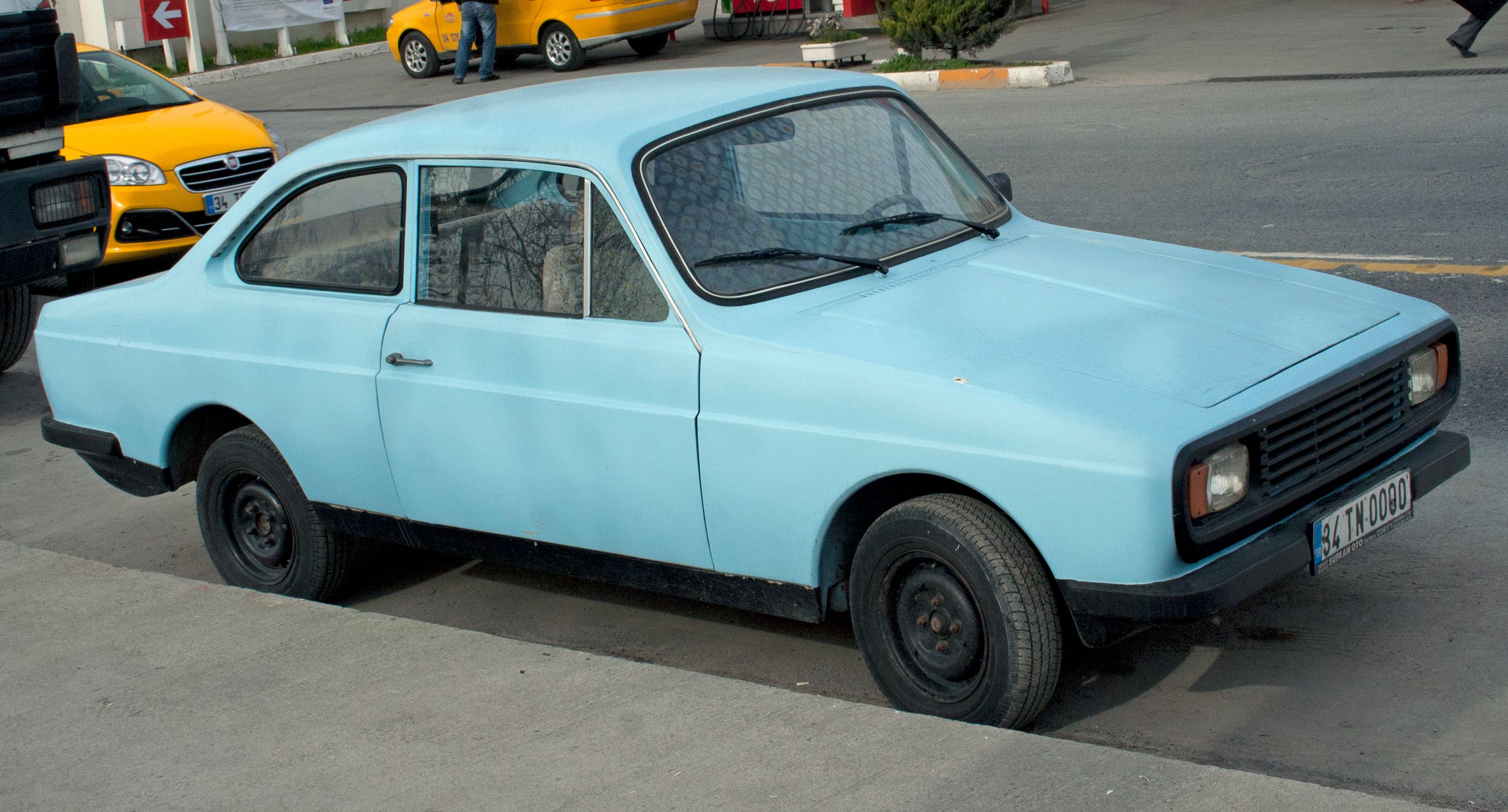
1972 Photo: “1972 Anadol A1 blue.jpg” by Mr.choppers / Wikimedia Commons, licensed under CC BY-SA 3.0
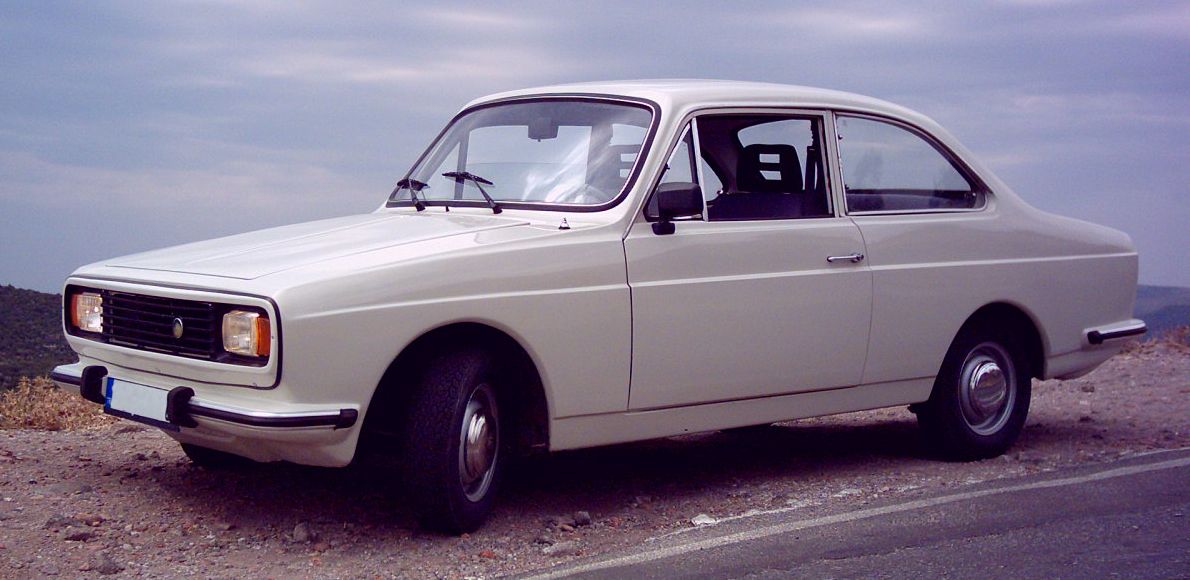
1974 Photo: “Anadol A1 MkII 1974.jpg” by EnginT at Turkish Wikipedia (Cropped, plates blurred, and transfered by Mr.choppers ) / Wikimedia Commons, licensed under CC BY 2.5
Body styles
- 2-door coupé
- 4-door saloon
- 5-door estate
Related models
Collect the nameplate
Find a scale model of the Anadol A1
Search Amazon across available years, colors, and scales. Exact releases vary, so confirm the listing before ordering.