
Tata Motors Indica History
Catalog record
Photography for this nameplate has not yet cleared the archive’s licensing and identity checks. The researched text below remains available while the page stays out of search and advertising inventory.
History
Introduced on December 30, 1998 and built entirely in India with Indian design, the Tata Indica was a landmark: the country's first fully indigenous passenger car. Within a week of its 1999 public launch it had collected 115,000 orders, a record for the Indian market.
The first generation (1998–2008) was offered with 1.2-litre and 1.4-litre petrol and diesel engines. An early V2 update addressed customer complaints about performance and refinement. The second generation — branded Indica Vista (also known as V3) — arrived in 2008 on an all-new platform with Fiat-sourced engines (1.3-litre Quadrajet diesel, 1.2-litre Safire petrol).
The Indica also spawned the Indigo three-box sedan family, cementing the platform's importance to Tata's product range. Production of the Indica concluded in April 2018 after a 20-year run.
Generations
First generation · Indica / V2
India's first indigenous car — diesel-strong hatchback with 1.2/1.4-litre engines; V2 facelift improved performance and refinement.
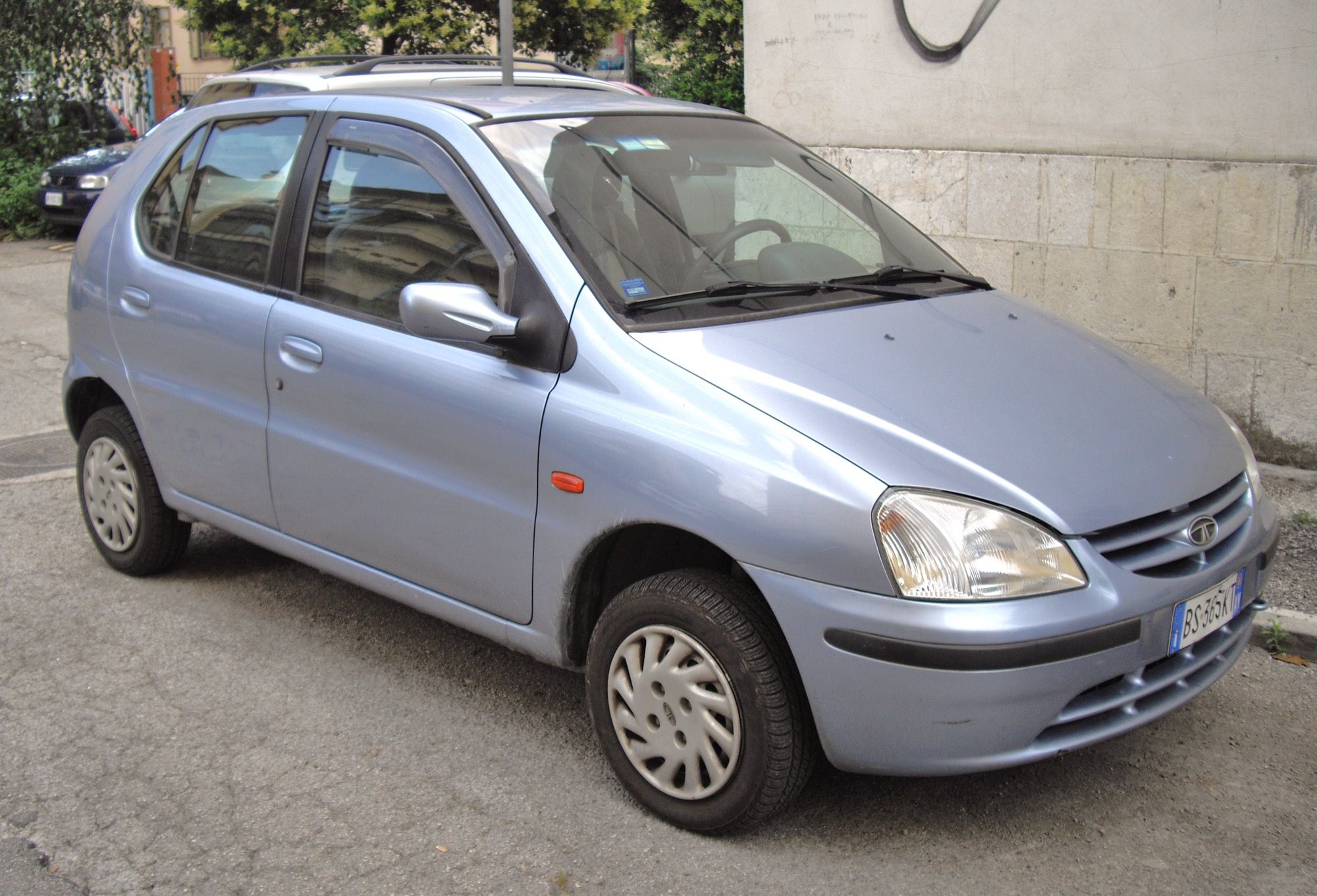
2000 Photo: “2000 Tata Indica.JPG” by Corvettec6r / Wikimedia Commons — Public domain
Second generation (Vista) · Indica Vista / V3
All-new platform with Fiat-sourced Quadrajet diesel; branded 'Indica Vista' (V3) for this generation.
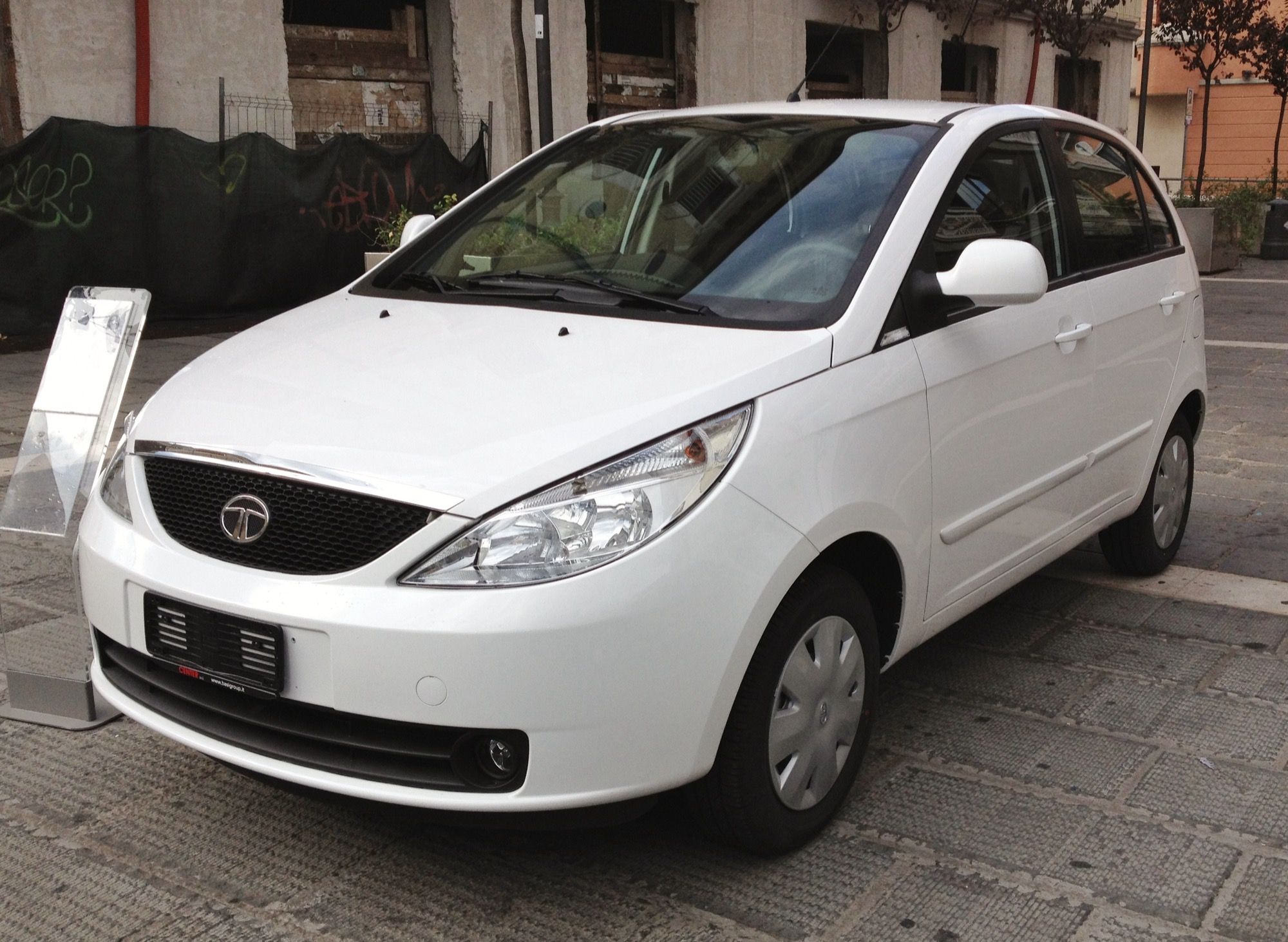
2012 Photo: “2012 Tata Indica Vista Safire front.JPG” by Corvettec6r / Wikimedia Commons — CC0 1.0
Body styles
- Hatchback
Related models
Collect the nameplate
Find a scale model of the Tata Motors Indica
Search Amazon across available years, colors, and scales. Exact releases vary, so confirm the listing before ordering.