
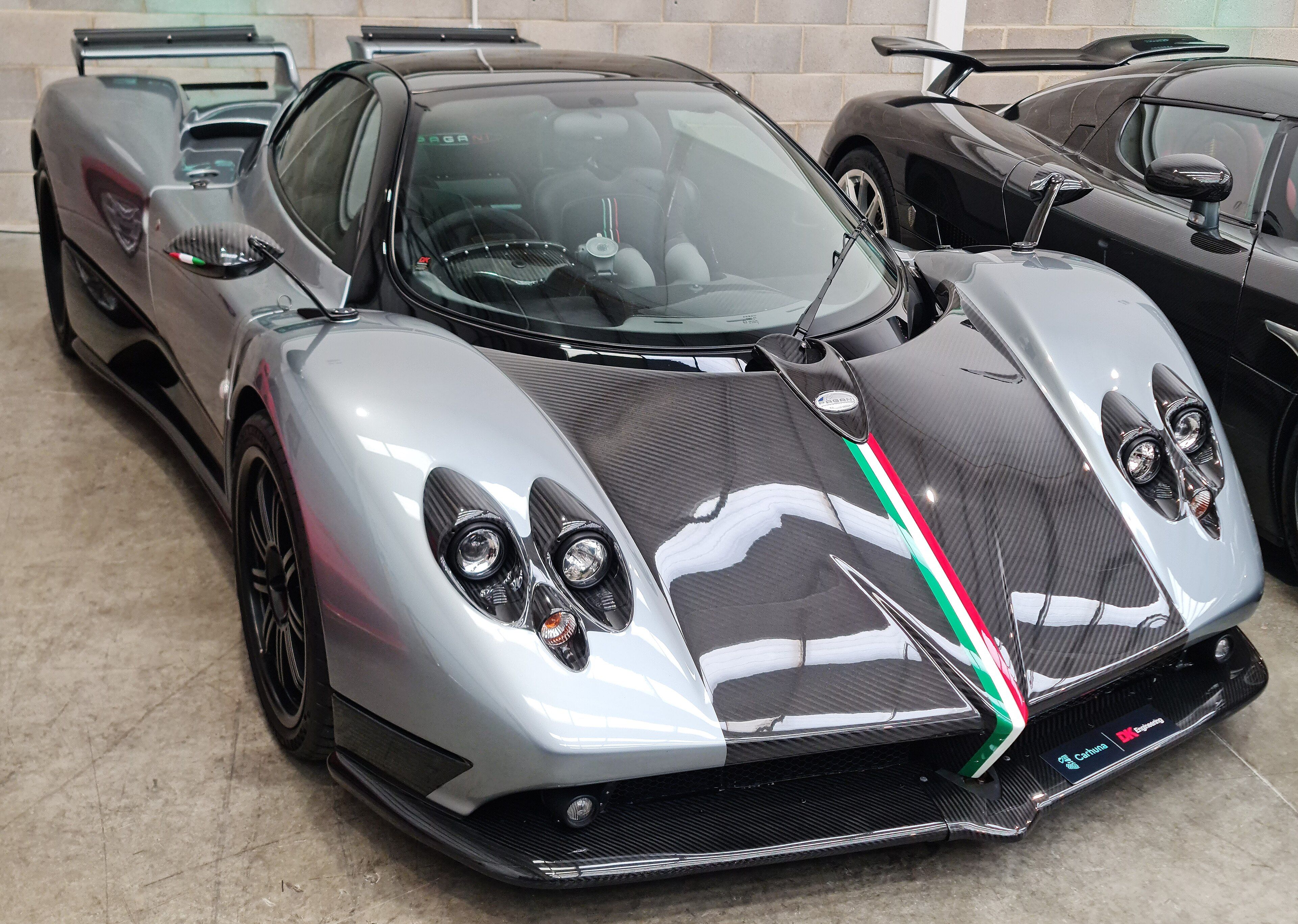
Pagani Zonda History
Pagani's debut masterpiece — a hand-built, Mercedes V12-powered hypercar produced from 1999 to 2019 in roughly 140 examples across a cascade of variants.
Photo: “Silver Pagani Zonda C12 DKEng.jpg” by MrWalkr / Wikimedia Commons, licensed under CC BY-SA 4.0
History
Horacio Pagani unveiled the Zonda C12 at the 1999 Geneva Motor Show, the culmination of a decade of work that began when he left Lamborghini's composites department and founded Modena Design in 1991. Named after a warm wind that blows across the Andes (a nod to Pagani's Argentine roots), the C12 used a naturally aspirated 6.0-litre Mercedes-AMG V12 producing roughly 450 PS inside a hand-formed steel space-frame body panelled entirely in carbon-fibre. Only five were built before the displacement grew to 7.0 litres for the C12-S.
Pagani refined the Zonda relentlessly across a decade of variants rather than engineering clean-sheet replacements. The Zonda F of 2005 — named in tribute to Formula 1 champion Juan Manuel Fangio, who had encouraged Pagani's career — bumped power to 602 PS and was limited to 25 coupés and 25 roadsters. More extreme still, the Zonda R (2007) was a full track-only exercise producing 740 PS; it set a Nürburgring lap record of 6 min 47 sec in 2010. The ultra-rare Zonda Cinque (2009, five produced) and Tricolore (2010, three produced) pushed exclusivity to its logical limit.
By the time the Zonda HP Barchetta — a 800 PS, open-cockpit creation built in three examples for Horacio Pagani's 60th birthday in 2017 — rolled out of the San Cesario workshops, the model had already been nominally superseded by the Huayra. Yet demand for bespoke Zonda commissions (each built to individual specification) kept the nameplate alive well into the 2020s, and Pagani has never formally declared production closed. Approximately 140 cars had been built through 2019, each valued at millions of euros and each treated by collectors as rolling sculpture.
Generations
Single generation (continuously evolved 1999–2019) · Zonda
Photo: “Silver Pagani Zonda C12 DKEng.jpg” by MrWalkr / Wikimedia Commons, licensed under CC BY-SA 4.0
One hand-built platform refined across a decade of variants rather than replaced — a Mercedes-AMG V12 in a carbon-fibre body, built in roughly 140 examples from the C12 through the HP Barchetta.
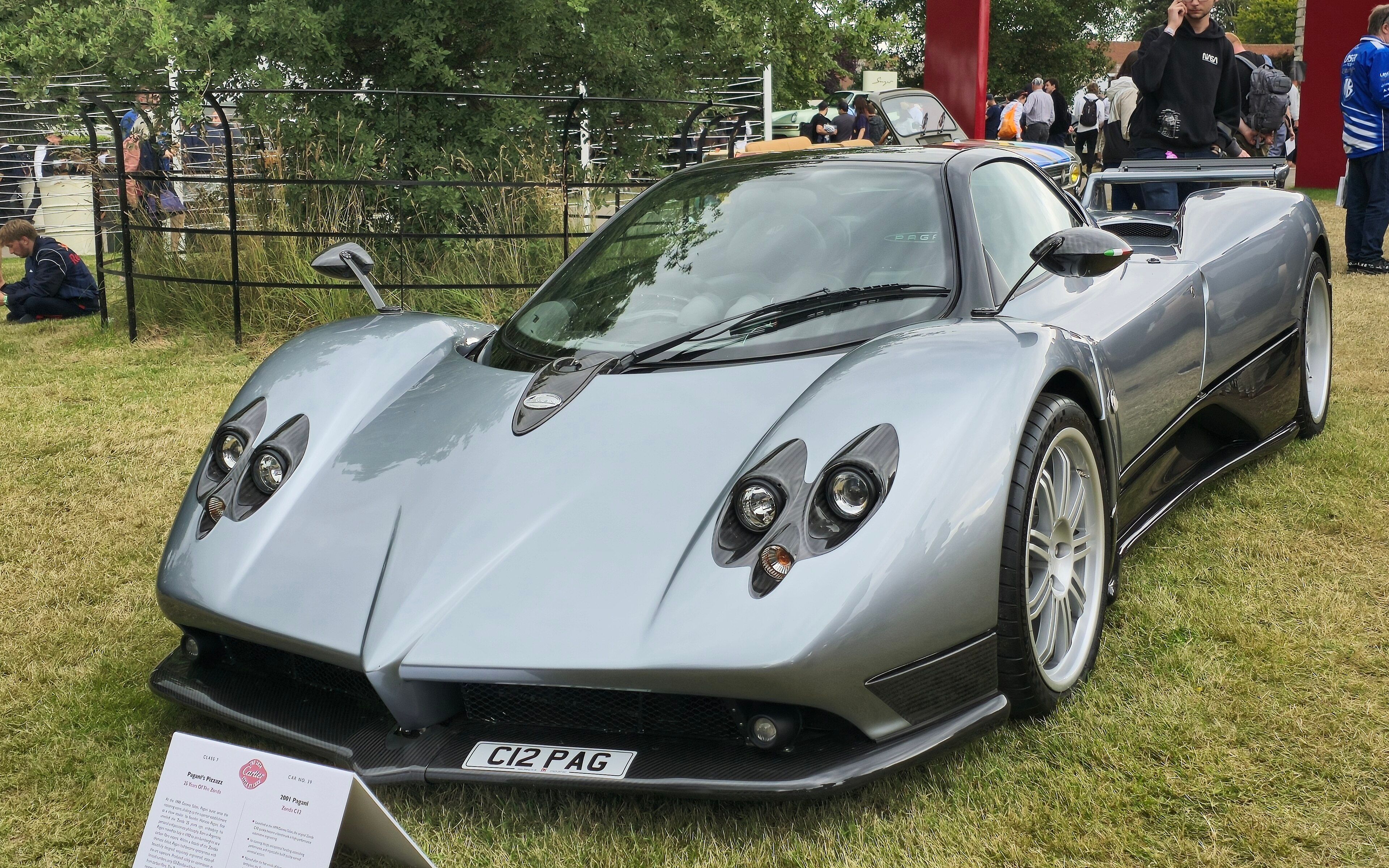
2001 Photo: “2001 Pagani Zonda C12.jpg” by Calreyn88 / Wikimedia Commons, licensed under CC BY-SA 4.0
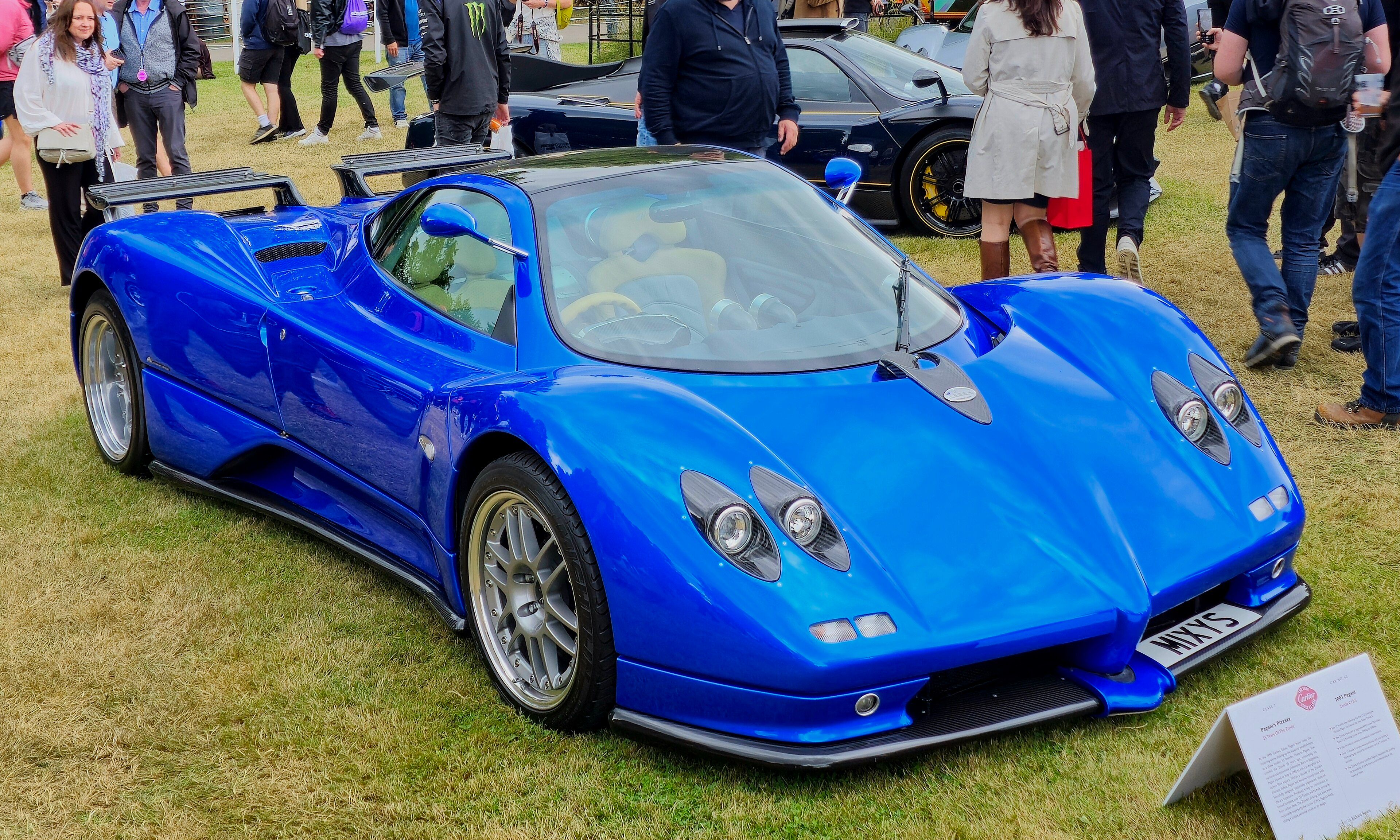
2003 Photo: “2003 Pagani Zonda C12 S.jpg” by Calreyn88 / Wikimedia Commons, licensed under CC BY-SA 4.0
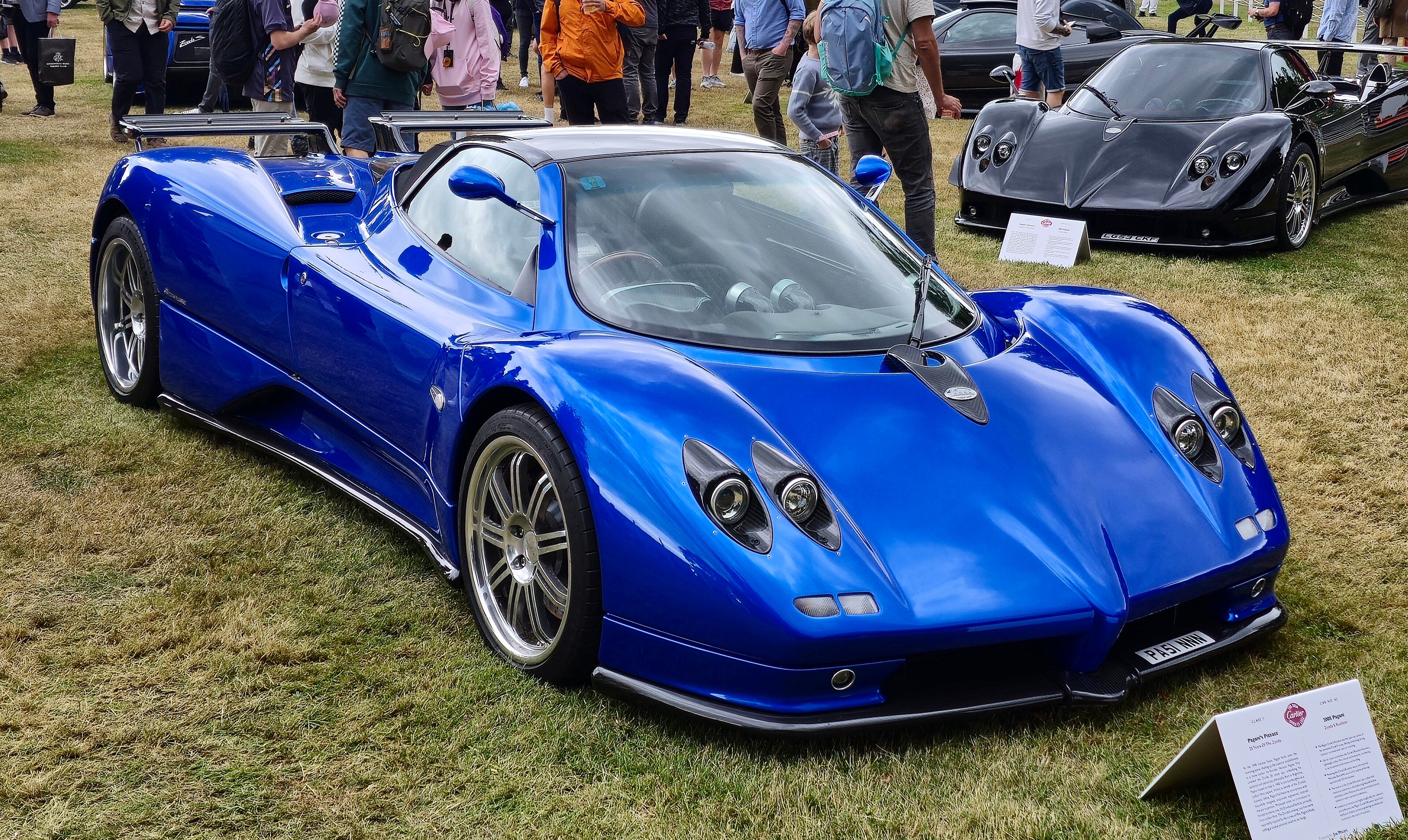
2005 Photo: “2005 Pagani Zonda S Roadster.jpg” by Calreyn88 / Wikimedia Commons, licensed under CC BY-SA 4.0
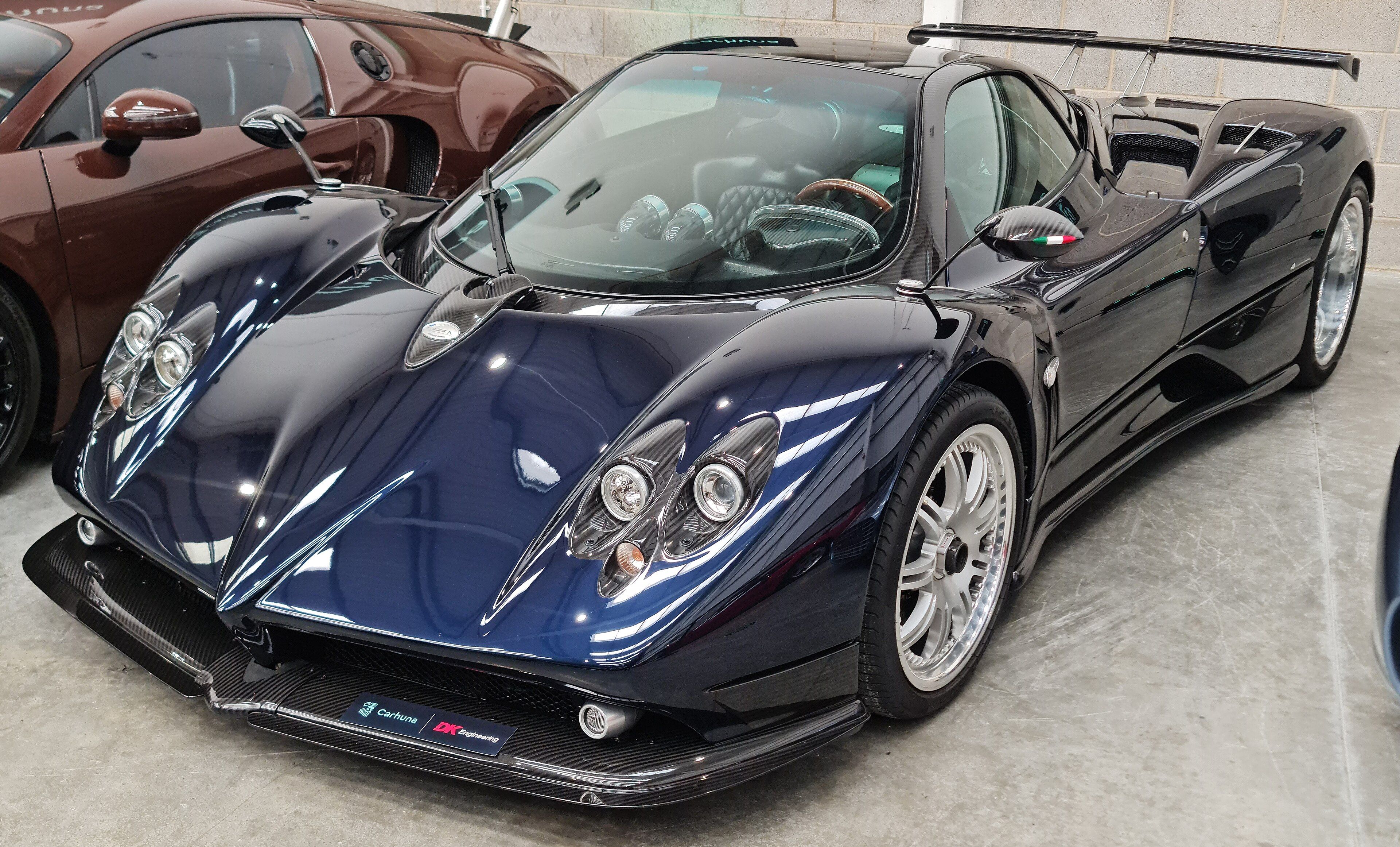
2007 Photo: “2007 Pagani Zonda F DKEng.jpg” by MrWalkr / Wikimedia Commons, licensed under CC BY-SA 4.0
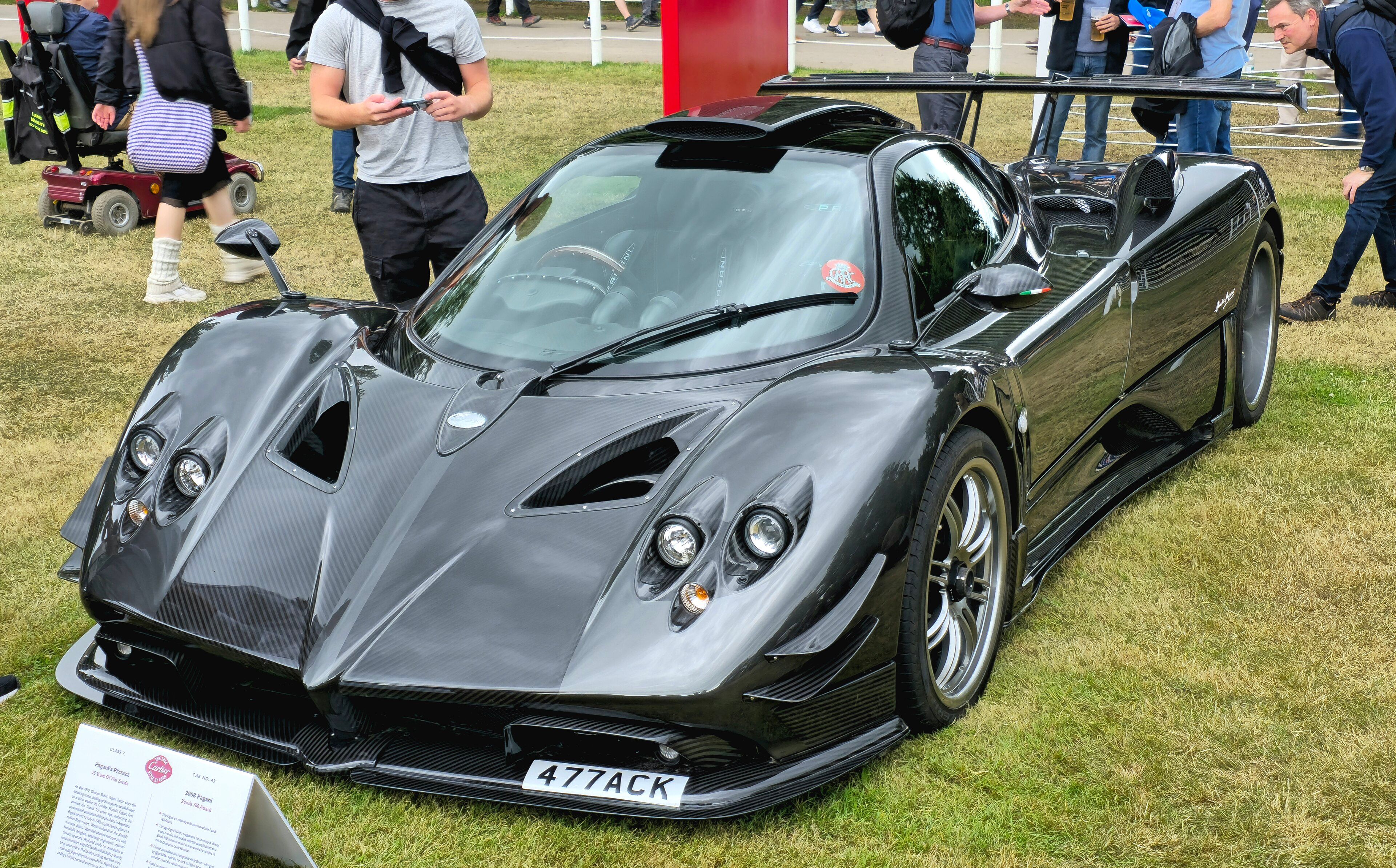
2008 Photo: “2008 Pagani Zonda 760 Attack.jpg” by Calreyn88 / Wikimedia Commons, licensed under CC BY-SA 4.0
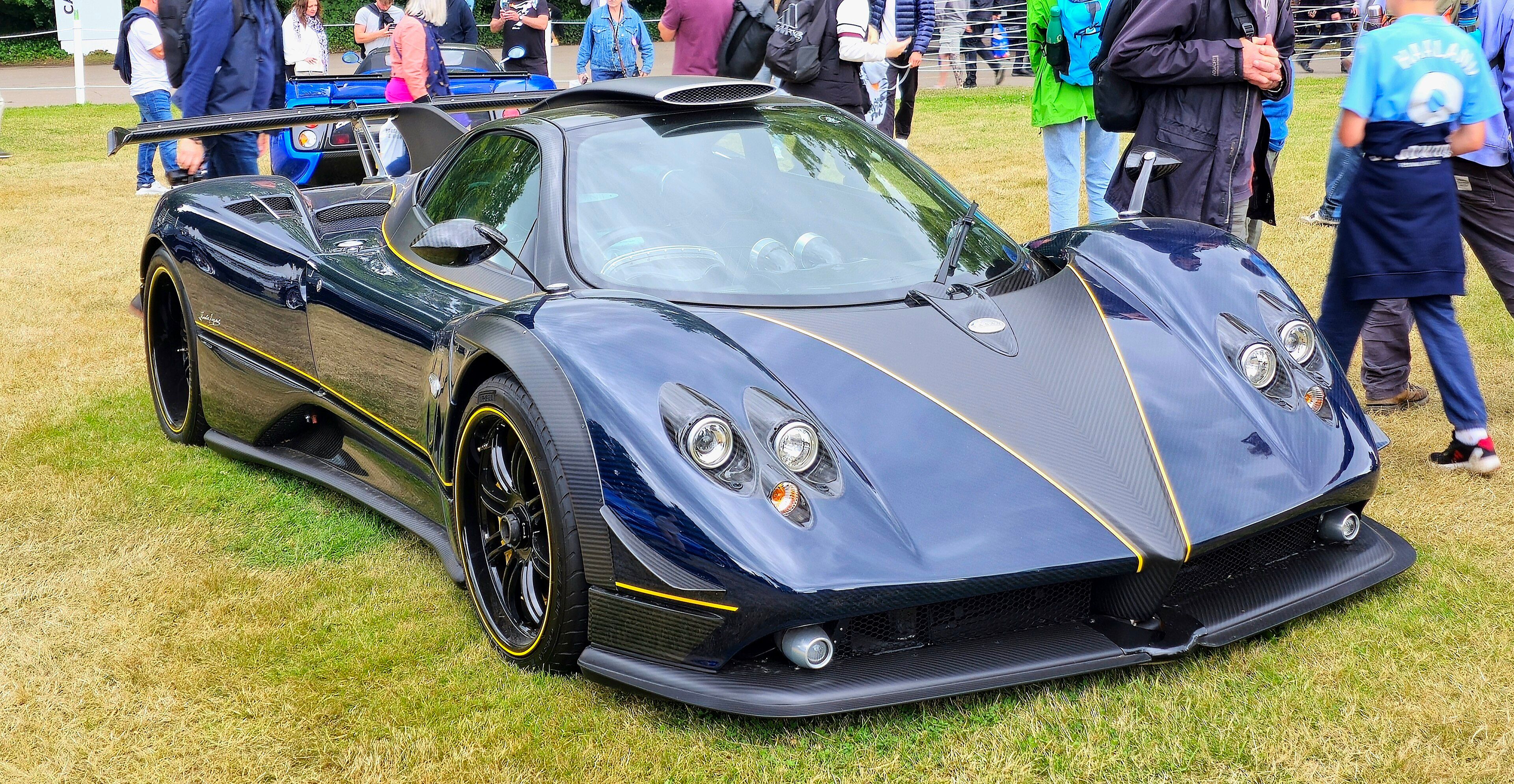
2009 Photo: “2009 Pagani Zonda PS 2.jpg” by Calreyn88 / Wikimedia Commons, licensed under CC BY-SA 4.0
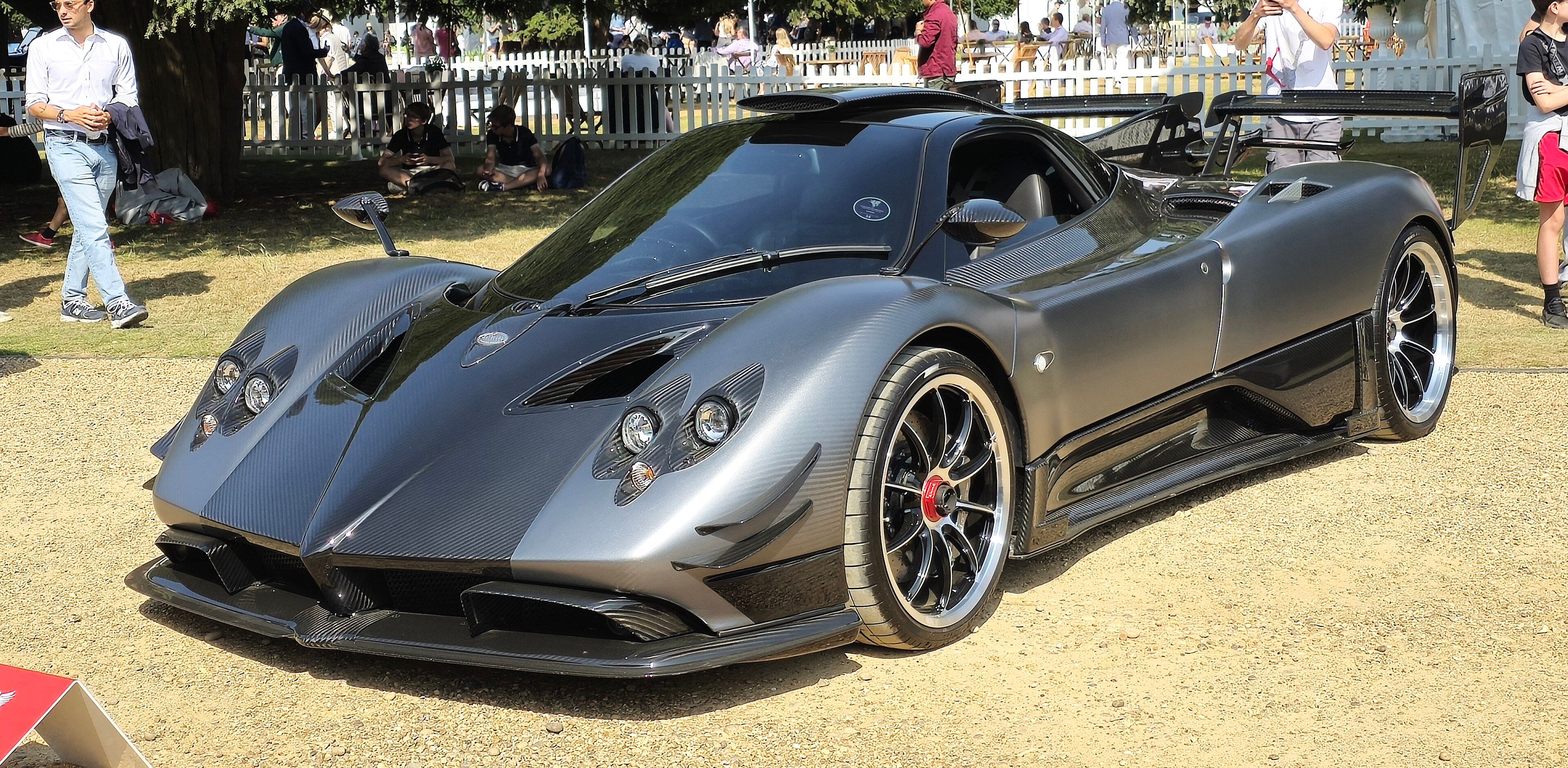
2016 Photo: “2016 Pagani Zonda 760 Oliver Evolution 'Hermes Edition'.jpg” by Calreyn88 / Wikimedia Commons, licensed under CC BY-SA 4.0
Body styles
- Coupe
- Roadster
- Track car (Zonda R / Revolución)
Notable special editions & performance variants
Zonda C12
The original 6.0-litre debut car shown at Geneva 1999; five examples built.
Zonda C12-S / S 7.3
7.0-litre upgrade producing 550 PS, followed by a 7.3-litre variant delivering 555 PS.
Zonda Roadster
Open-top version of the 7.3-litre Zonda; approximately 40 produced.
Zonda F
602 PS coupé (25 units) and 650 PS Roadster F (25 units), named for Juan Manuel Fangio.
Zonda R
Track-only, naturally aspirated 740 PS V12; set a Nürburgring record of 6:47 in 2010.
Zonda Cinque / Cinque Roadster
Five coupés and five roadsters producing 678 PS; name means 'five' in Italian.
Zonda Tricolore
Three examples built to honour the Italian Air Force aerobatic team; 670 PS.
Zonda Revolución
Track-only evolution of the Zonda R concept; 800 PS, active aerodynamics.
Zonda HP Barchetta
800 PS open-cockpit special built in three examples to mark Horacio Pagani's 60th birthday; marked the end of 'regular' Zonda production.
Related models
Collect the nameplate
Find a scale model of the Pagani Zonda
Search Amazon across available years, colors, and scales. Exact releases vary, so confirm the listing before ordering.