
McLaren F1 History
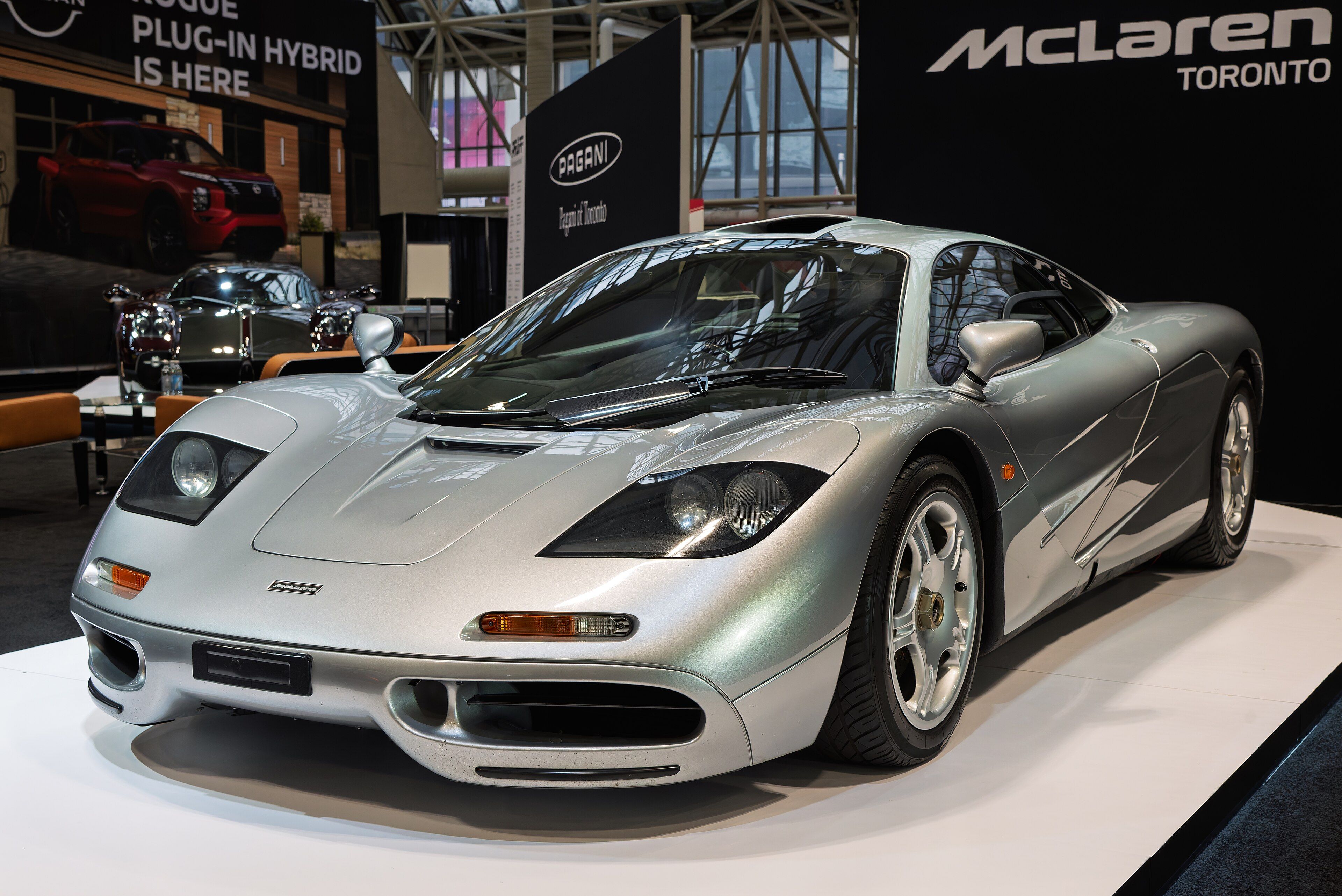
The Gordon Murray-designed, BMW V12 McLaren F1 — a central-seat three-seater that hit 240 mph and won Le Mans on its debut.
Photo: “1992 McLaren F1 (55108055586).jpg” by Mustang Joe / Wikimedia Commons — CC0 1.0
History
Conceived by Gordon Murray and styled by Peter Stevens, the McLaren F1 was the company's first road car — a no-compromise supercar with a carbon-fibre monocoque, a distinctive central driving position flanked by two passenger seats, and a 6.1-litre BMW S70/2 V12 making 618 hp. It was built from 1992 to 1998, with just 106 cars produced.
In 1998 the XP5 prototype reached 240.1 mph (386.4 km/h), making the F1 the fastest naturally aspirated production car ever built — a record it still holds. Its racing version, the F1 GTR, won the 24 Hours of Le Mans outright in 1995, taking first, third, fourth, fifth and thirteenth places.
Two ultra-rare road-going specials followed: five F1 LMs were built to commemorate the Le Mans win (with unrestricted 671-hp engines), and just three F1 GTs were produced as homologation specials for the long-tail racers. The F1 remains one of the most valuable and revered cars of the modern era.
Generations
Single generation · McLaren F1
Photo: “1992 McLaren F1 (55108055586).jpg” by Mustang Joe / Wikimedia Commons — CC0 1.0
Gordon Murray-designed, carbon-monocoque supercar with a central driving position and a 6.1-litre BMW S70/2 V12; 106 built, and still the fastest naturally aspirated production car.
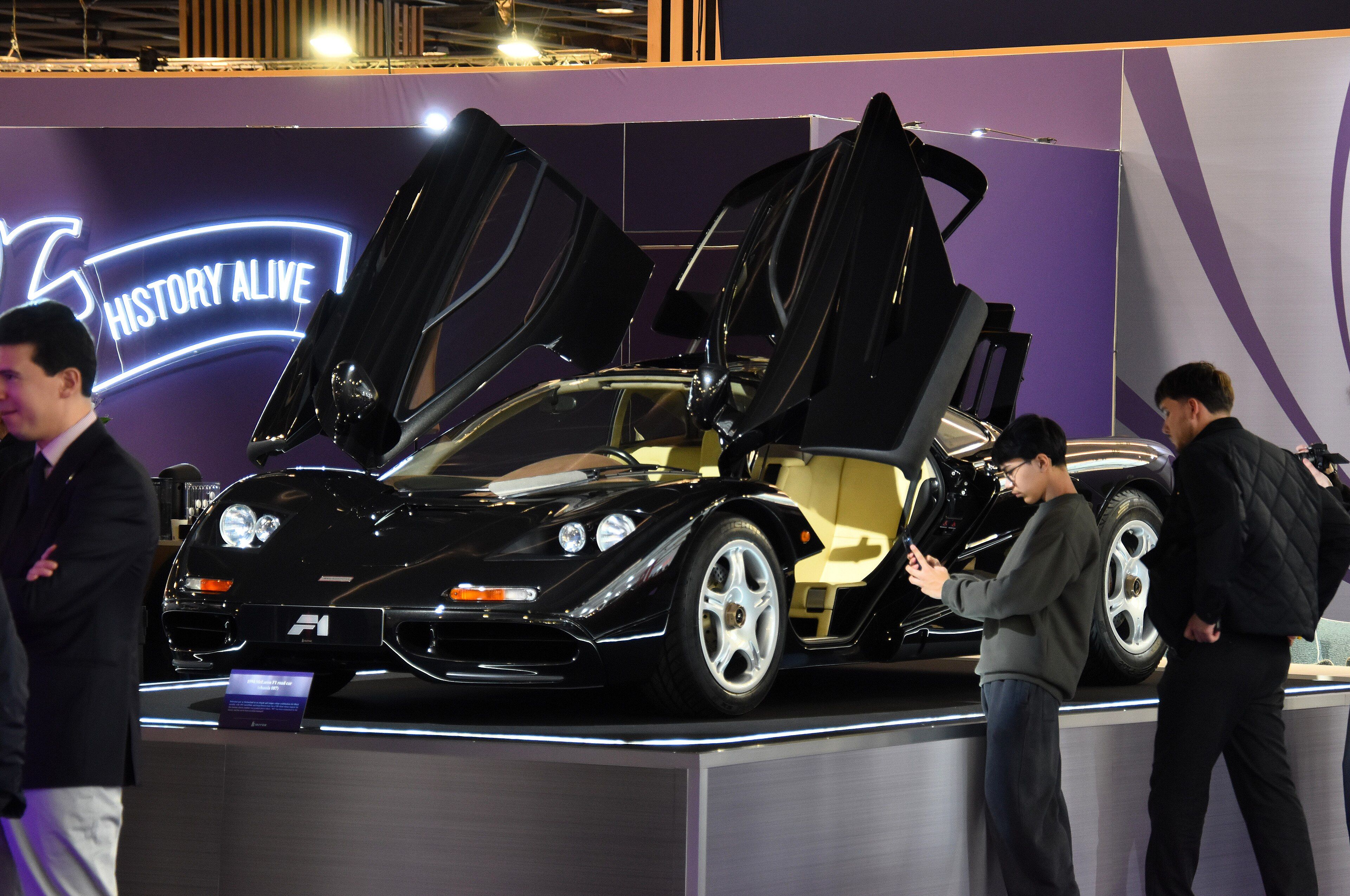
1994 Photo: “McLaren F1 (1994) (55082189081).jpg” by Charles from Port Chester, New York / Wikimedia Commons — CC0 1.0
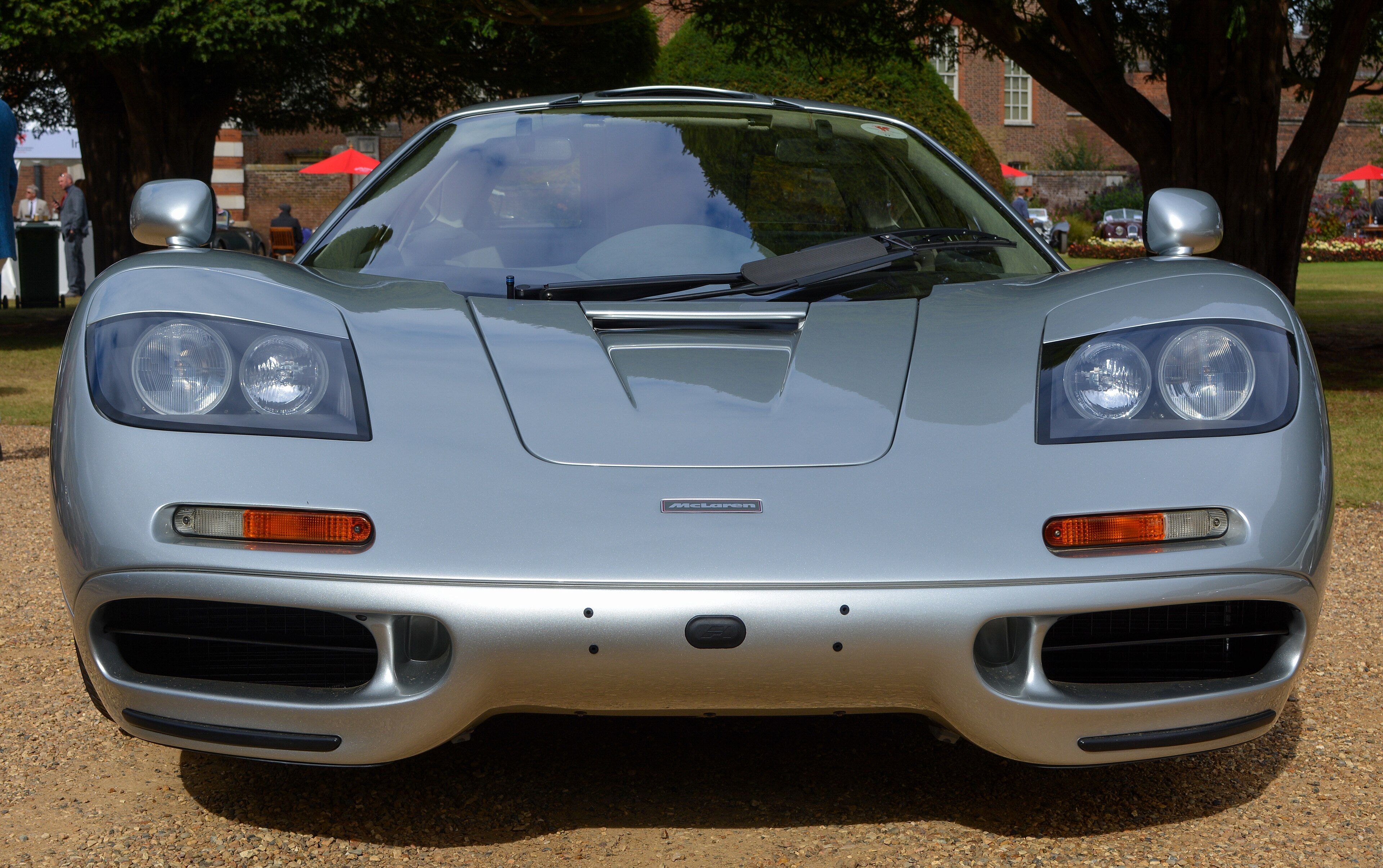
1996 Photo: “1996 McLaren F1 Chassis No 63 6.1 Front End.jpg” by Chelsea Jay / Wikimedia Commons, licensed under CC BY-SA 4.0
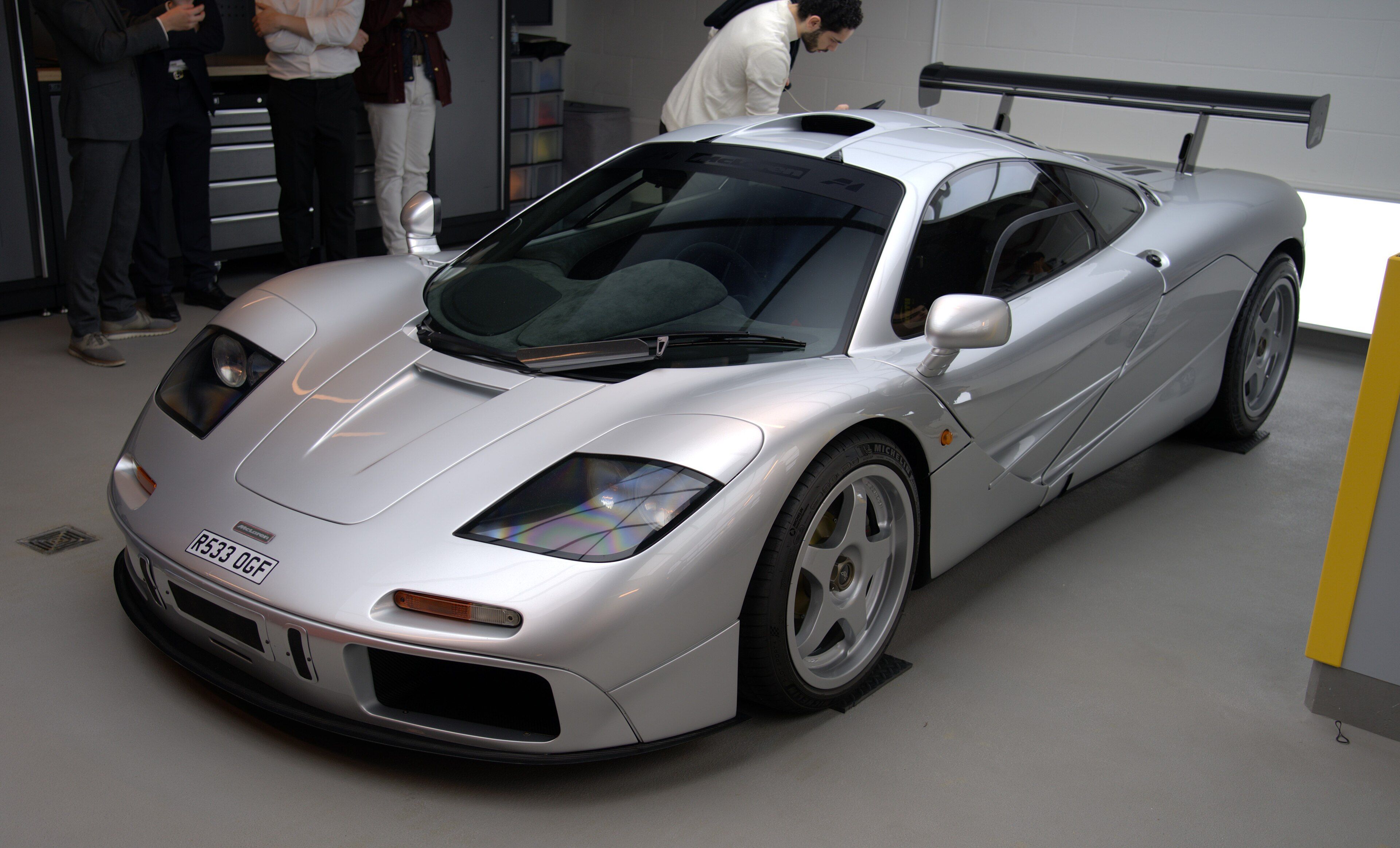
1998 Photo: “1998 McLaren F1 HDK RMS.jpg” by MrWalkr / Wikimedia Commons, licensed under CC BY-SA 4.0
Body styles
- Coupe (central driving position, three-seat)
Notable special editions & performance variants
F1 LM
Five road cars built to celebrate the 1995 Le Mans win, with the GTR's unrestricted ~671-hp engine and stripped, track-focused spec.
F1 GT
Three 'longtail' homologation specials (one prototype, two production) built to legalise the long-tail F1 GTR racer.
Related models
Collect the nameplate
Find a scale model of the McLaren F1
Search Amazon across available years, colors, and scales. Exact releases vary, so confirm the listing before ordering.