
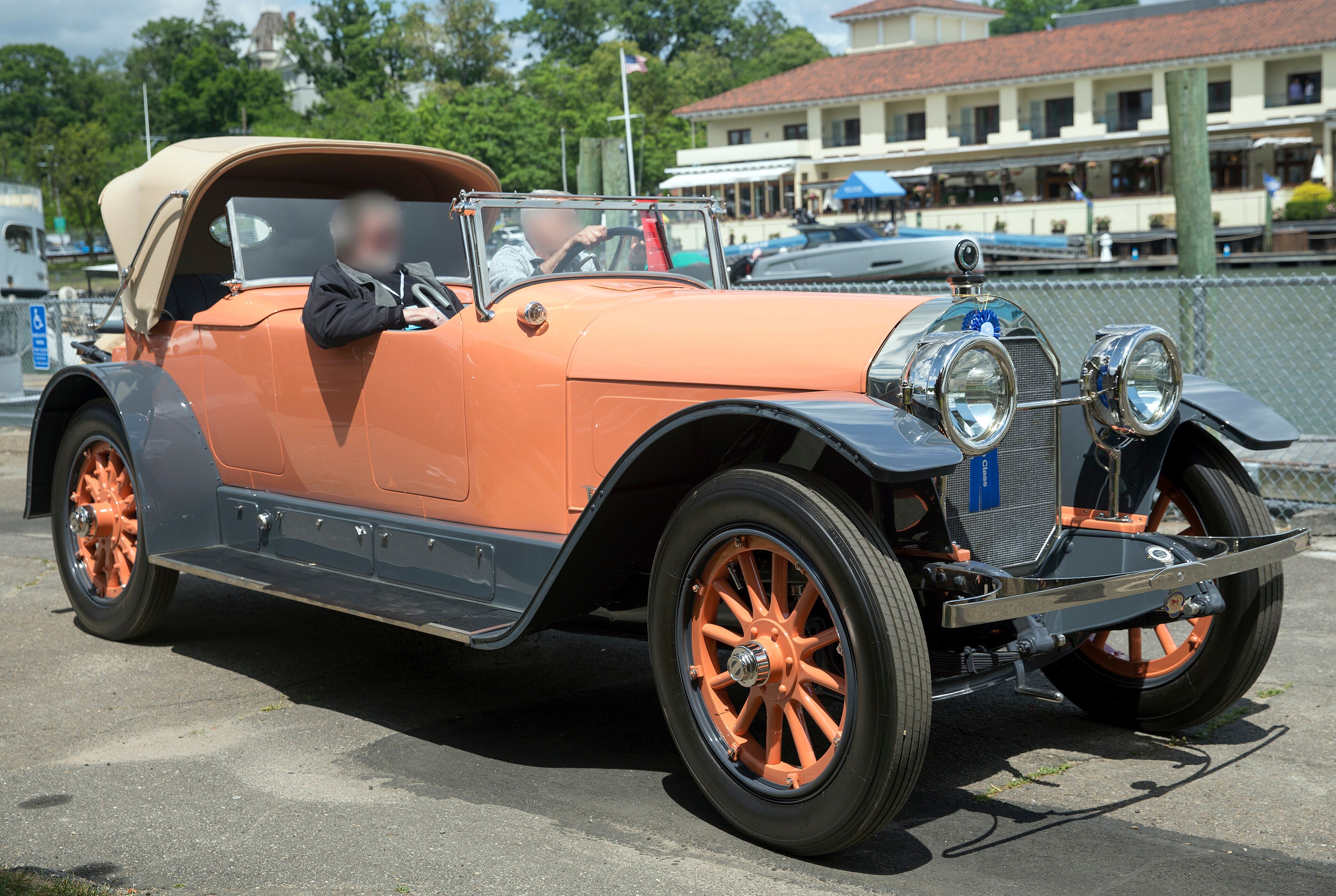
Locomobile Model 48 History
Locomobile's flagship — a large straight-six luxury car built to an impeccable standard from 1911 until the company's end in 1929.
Photo: “1917 Locomobile Model 48 Type M, Series 7 Dual Cowl Sportif, front right 2.jpg” by Mr.choppers / Wikimedia Commons, licensed under CC BY-SA 3.0
History
The Model 48 was Locomobile's flagship and its defining car: a large, hand-built luxury automobile powered by a 429-cubic-inch (roughly 7-liter) straight-six engine. Introduced in 1911, it earned a reputation for quality of materials and workmanship that ranked among the very best in the world, and a price — around $10,000 fully coachbuilt — to match.
Sold as a bare chassis, the Model 48 wore custom bodywork from America's finest coachbuilders, with some examples even featuring fittings from Tiffany Studios. It was the car of choice for wealthy buyers who wanted American engineering rather than an imported marque, and it remained in the catalog with remarkable continuity for nearly two decades.
When Durant Motors acquired Locomobile in July 1922, it kept the Model 48 in production as the prestige top of its range, building the now-dated but still superbly made car right up to the company's collapse in 1929 — making the Model 48 both the marque's high point and the last link to its golden age.
Generations
Model 48 (1911–1929) · Model 48
Photo: “1917 Locomobile Model 48 Type M, Series 7 Dual Cowl Sportif, front right 2.jpg” by Mr.choppers / Wikimedia Commons, licensed under CC BY-SA 3.0
Locomobile's hand-built flagship — a 429 cu in straight-six chassis wearing custom coachwork, in production with remarkable continuity from 1911 to 1929.
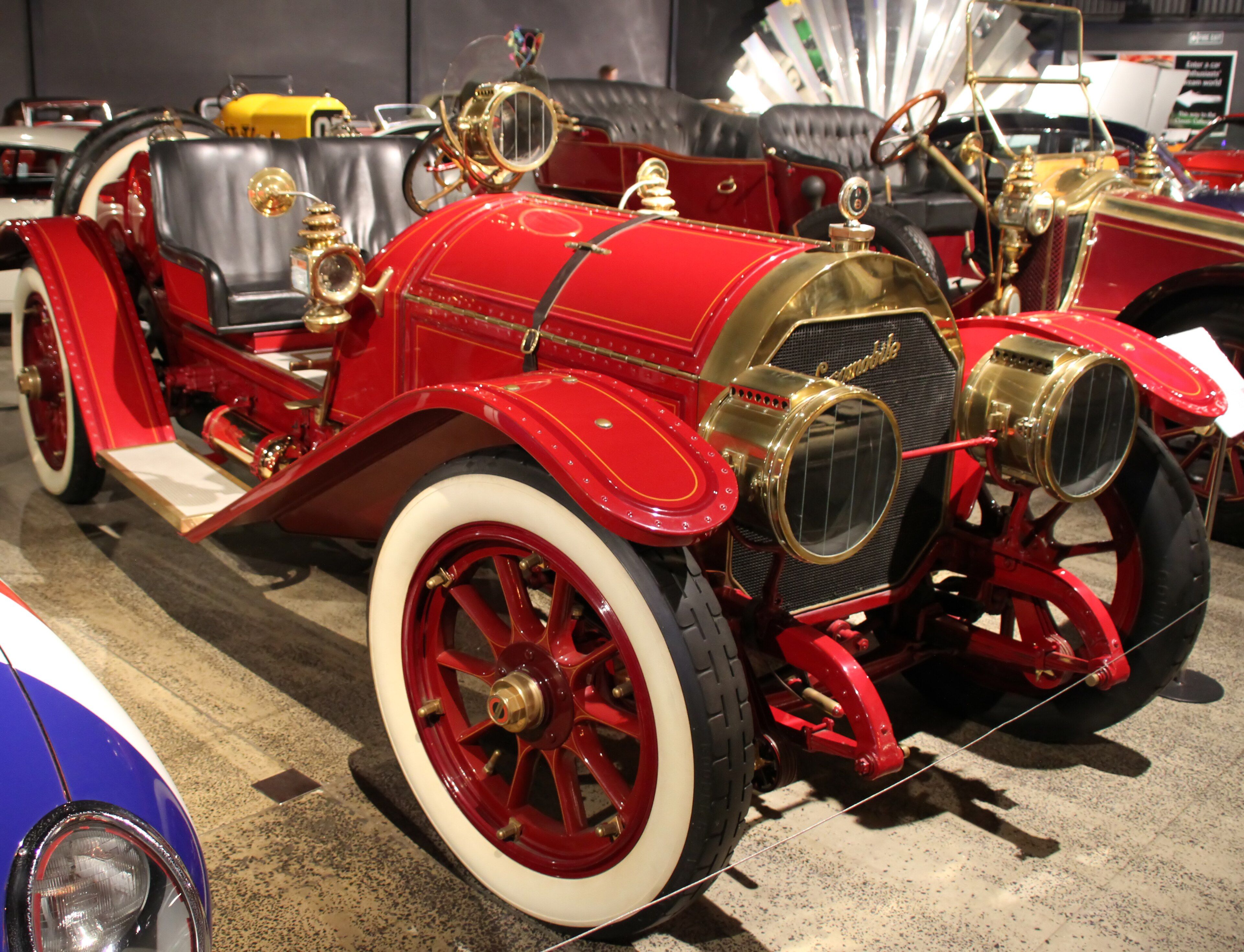
1916 Photo: “1916 Locomobile Speedster (31632527541).jpg” by Tony Hisgett from Birmingham, UK / Wikimedia Commons, licensed under CC BY 2.0
1917 Photo: “1917 Locomobile Model 48 Type M, Series 7 Dual Cowl Sportif, front right 2.jpg” by Mr.choppers / Wikimedia Commons, licensed under CC BY-SA 3.0
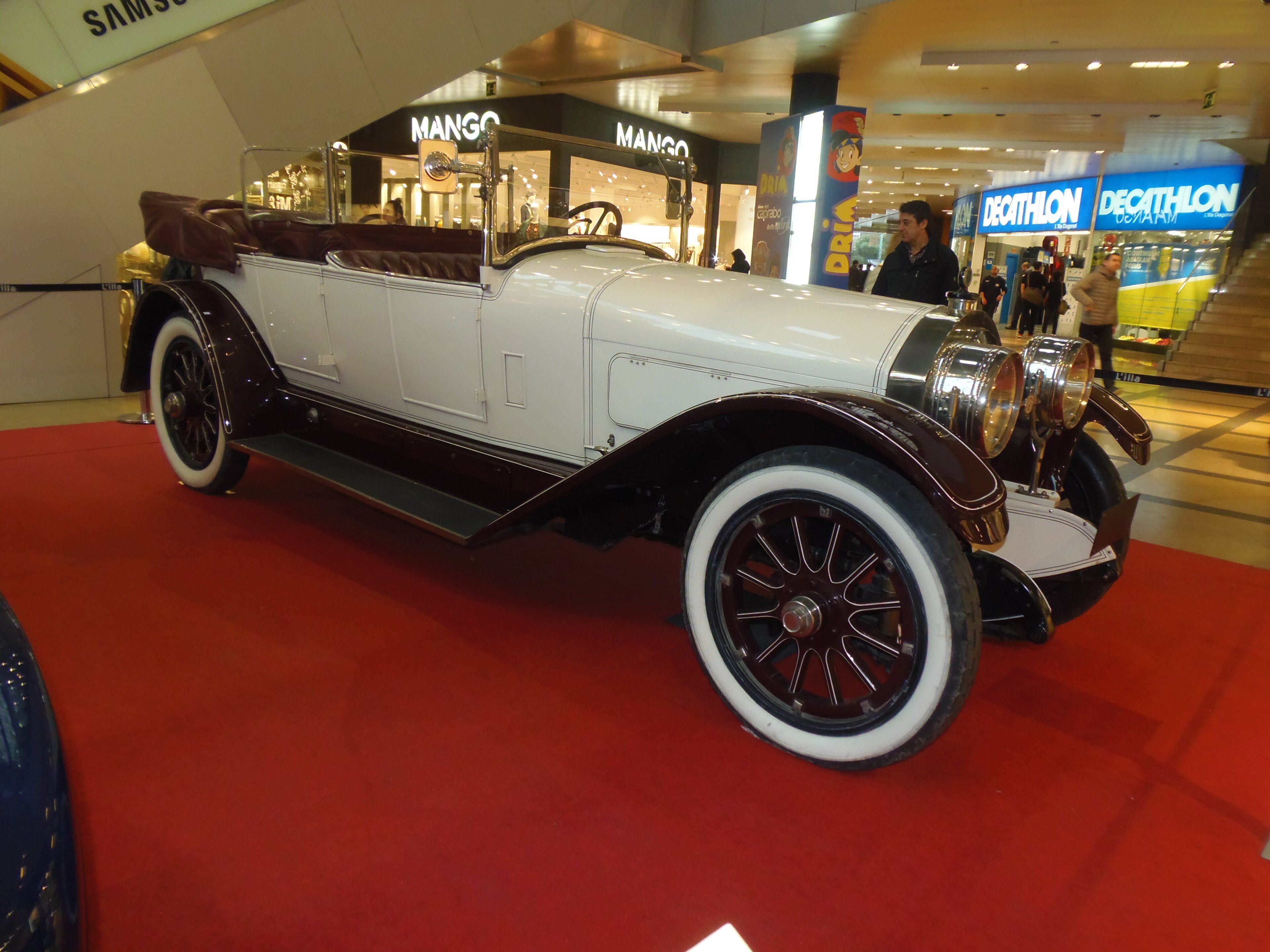
1918 Photo: “Locomobile 48 Sportif 1918.jpg” by Peprovira / Wikimedia Commons, licensed under CC BY-SA 4.0
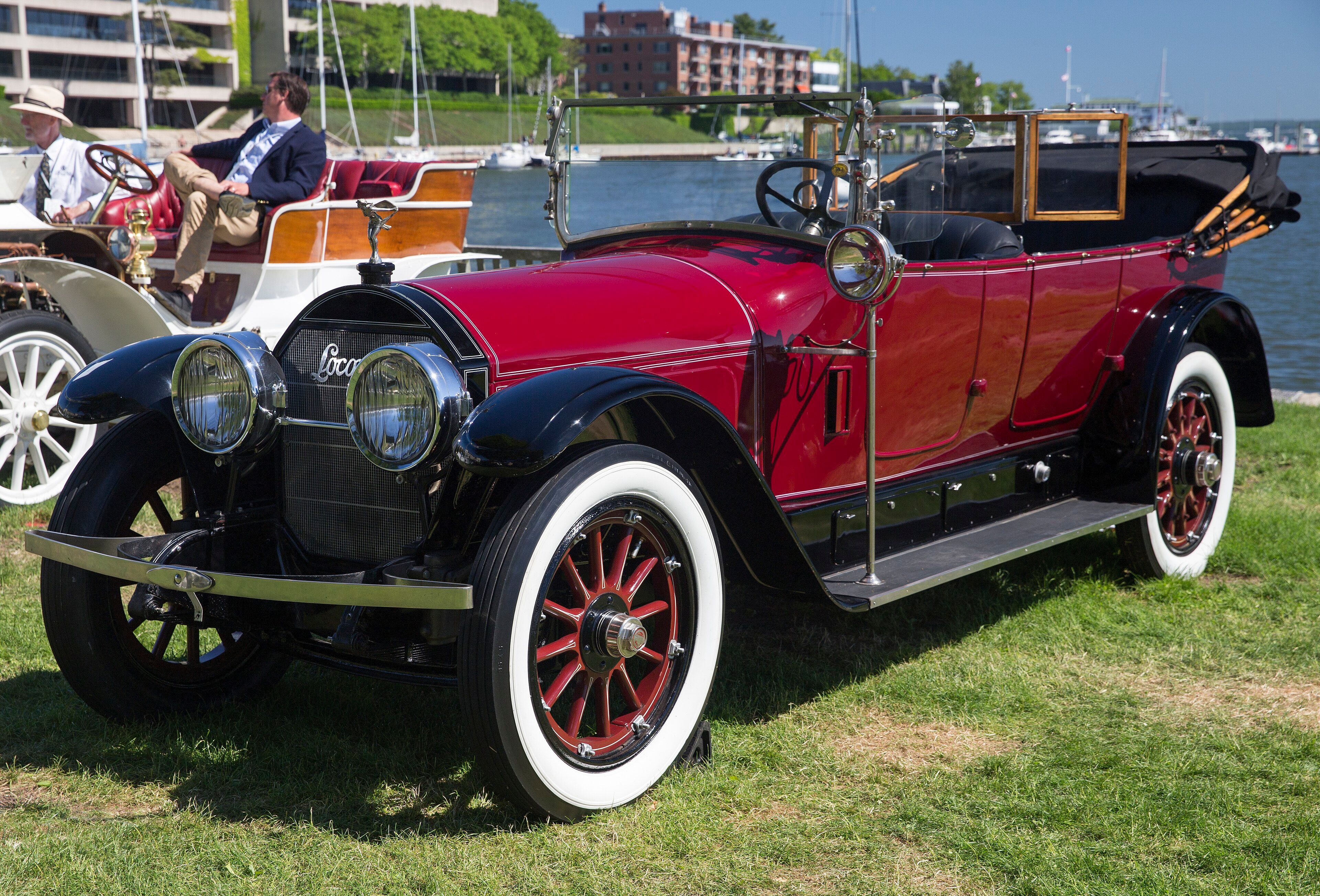
1923 Photo: “1923 Locomobile 48 Touring Car in Maroon, front left.jpg” by Mr.choppers / Wikimedia Commons, licensed under CC BY-SA 3.0
Body styles
- Touring
- Roadster
- Limousine
- Sedan
- Phaeton
Related models
Collect the nameplate
Find a scale model of the Locomobile Model 48
Search Amazon across available years, colors, and scales. Exact releases vary, so confirm the listing before ordering.