
Ginetta G4 History
Catalog record
Photography for this nameplate has not yet cleared the archive’s licensing and identity checks. The researched text below remains available while the page stays out of search and advertising inventory.
History
The G4 arrived in 1961 as Ginetta's first car that could genuinely serve double duty as a road and competition machine. Clothed in a glass-fibre body over a tubular steel spaceframe and initially powered by the 997cc Ford 105E engine, the G4 weighed around 400 kg — light enough for go-kart reflexes and a claimed 120 mph top speed with larger engines. About 200 Series I cars were built between 1961 and 1963.
The Series II of 1963 brought a revised, longer-tailed body, while the Series III (1966) adopted a new, stronger square-tube spaceframe and Triumph Herald front suspension. Across the original 1961–1969 run more than 500 G4s were sold, the majority as kits. The nameplate returned for a Series IV from 1981 to 1984, now 51 mm wider and 76 mm longer than the III, before being superseded by the G27.
Generations
Series I · Original Ford 105E car
Inaugural G4 with glass-fibre body and Ford 105E power; approximately 200 built.
Series II · Long-tail redesign
Restyled longer tail for improved aerodynamics and interior space.
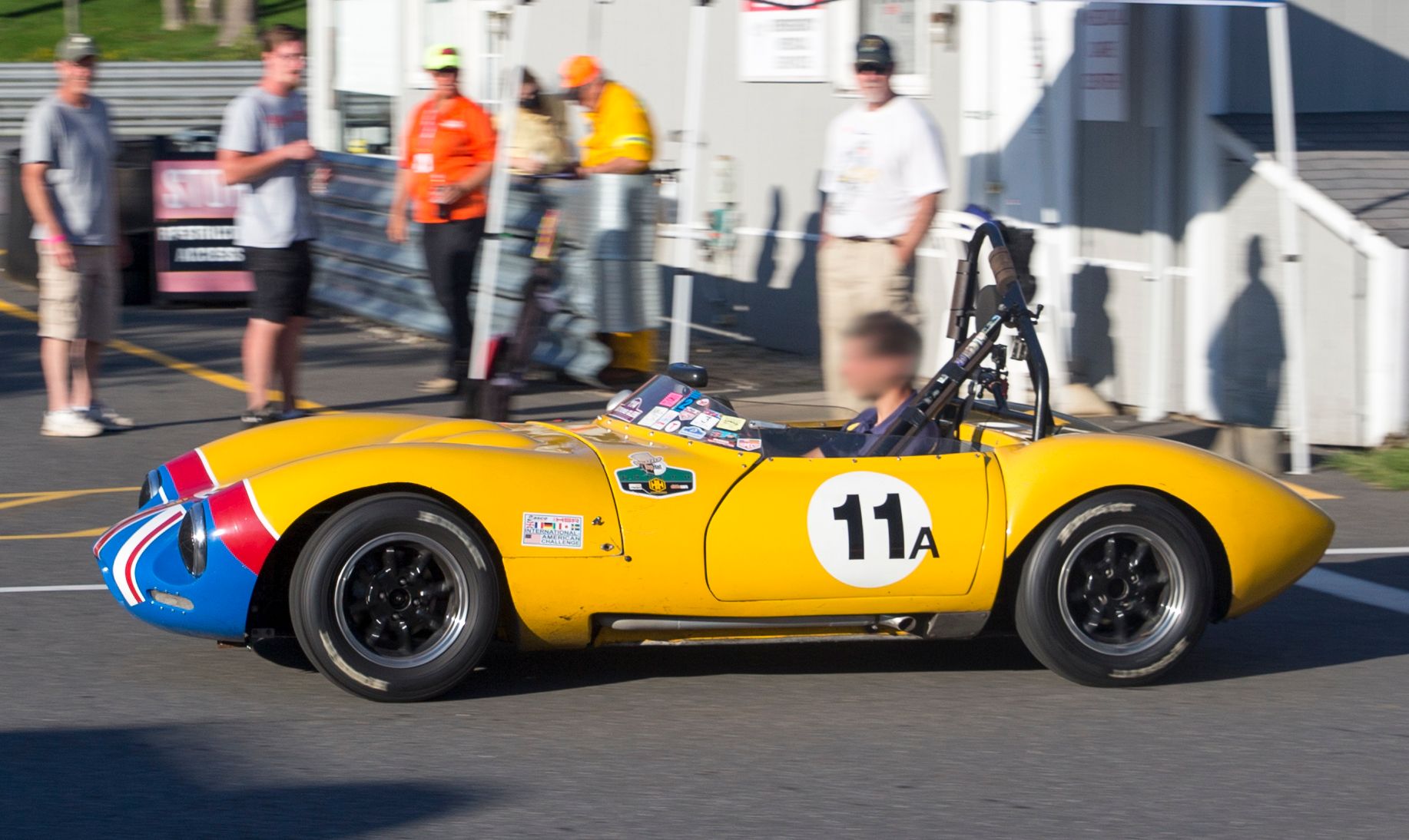
1965 Photo: “1965 Ginetta G4 in yellow (Hervey Parke), Lime Rock 2021” by Mr.choppers / Wikimedia Commons, licensed under CC BY-SA 3.0
Series III · Square-tube spaceframe
Stronger square-tubed spaceframe and Triumph Herald front suspension; the final Walklett-era original run.
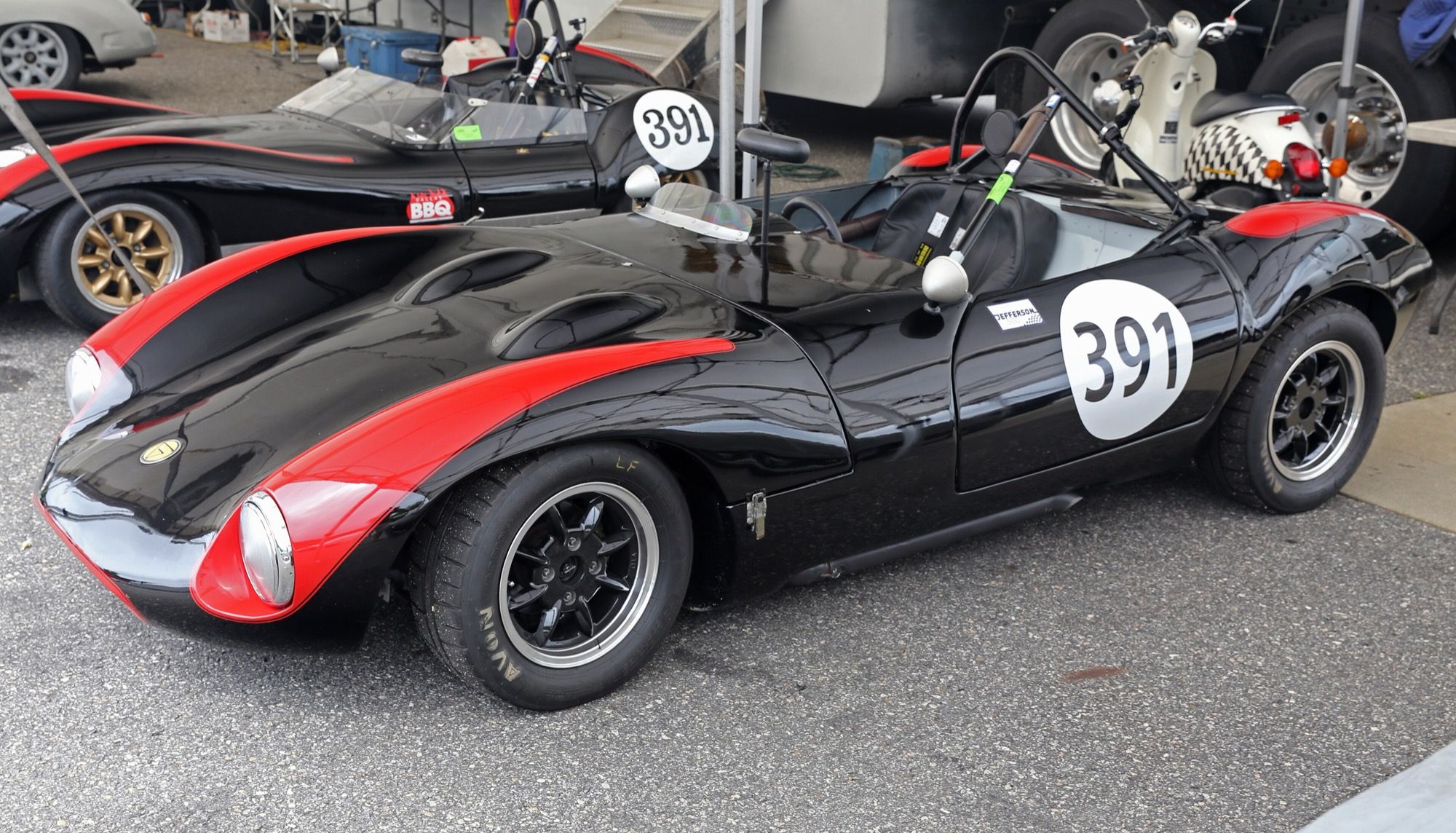
1966 Photo: “1966 Ginetta G4 at Lime Rock (Wetanson)” by Mr.choppers / Wikimedia Commons, licensed under CC BY-SA 3.0
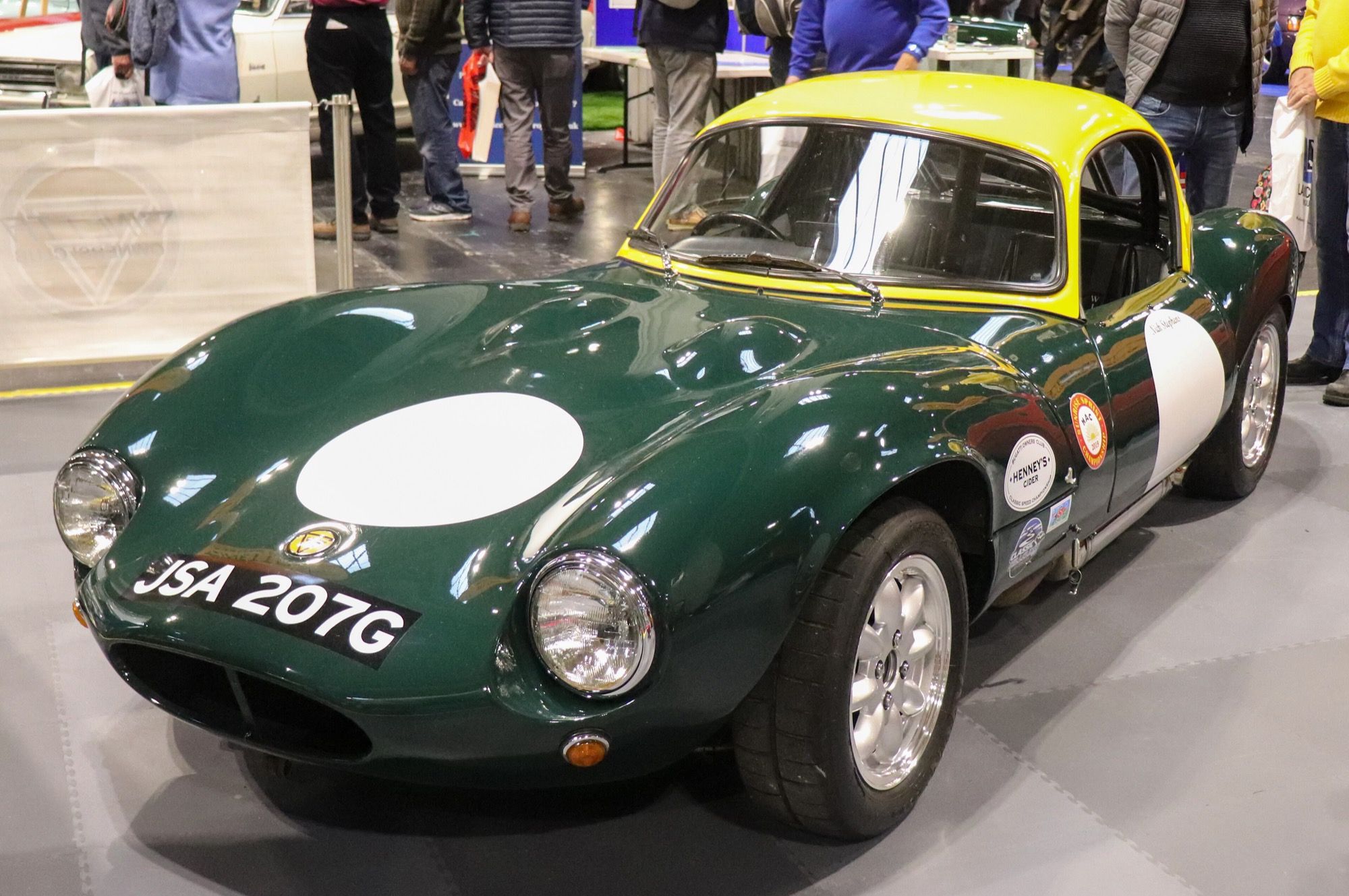
1968 Photo: “1968 Ginetta G4 1.6 Front” by Vauxford / Wikimedia Commons, licensed under CC BY-SA 4.0
Series IV · 1980s revival
Wider and longer than the S3; revived for a new generation of kit-car buyers before giving way to the G27.
Body styles
- Roadster
- Coupé
Related models
Collect the nameplate
Find a scale model of the Ginetta G4
Search Amazon across available years, colors, and scales. Exact releases vary, so confirm the listing before ordering.