
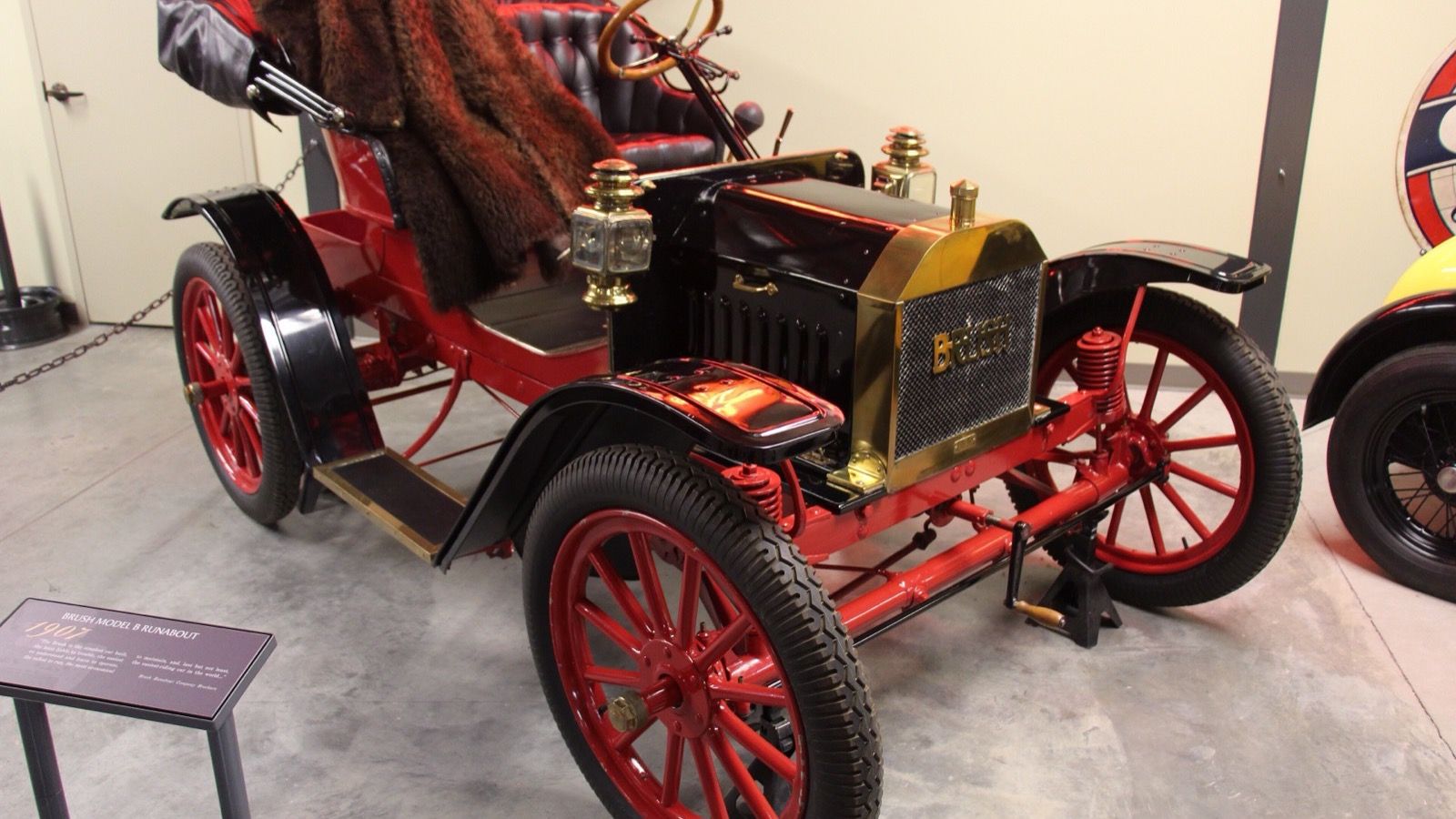
Brush Runabout History
Alanson Brush's wooden-framed, coil-sprung single-cylinder two-seater — the 'Everyman's Car' of the brass era, priced from about $450.
Photo: “1907 Brush Model B Runabout” by Sicnag / Wikimedia Commons, licensed under CC BY 2.0. Cropped to 16:9.
History
Introduced in 1907 by Alanson Partridge Brush — a self-taught engineer who had already helped Henry Leland develop the original single-cylinder Cadillac — the Brush Runabout was engineered from the outset for affordability. Its chassis was built from oak, hickory, and maple with iron cross-members; the frame, axles, and wheels were all wood. A single-cylinder, water-cooled, four-stroke engine of approximately 824 cc produced six horsepower and drove through a friction-drive transmission and chain to the rear axle. The whole car sold for around $450–$500 at introduction — roughly the same price as a good horse and buggy — and was marketed nationally as the 'Everyman's Car.'
Brush's engineering choices were unconventional and shrewdly practical. The engine rotated counter-clockwise, reducing kickback injuries when hand-cranking. Coil springs were fitted at all four corners — a genuine innovation for the era — giving the light car a notably compliant ride on poor roads. The rear axle dispensed with a differential, instead disengaging one wheel in corners to limit tire scrub. By late 1907 the Model B replaced the original friction drive with a two-speed planetary transmission. By October 1909 the Model D had grown to an 80-inch wheelbase with a 10 hp engine. Brush Runabouts gained publicity through endurance events: a Brush was the third car to summit Pikes Peak under its own power in 1908, and in 1912 Sid Ferguson and Francis Birtles completed the first east-to-west motor crossing of Australia in one.
At peak output in 1910–1911 the company was selling thousands of runabouts a year; total production across the marque's life is estimated at approximately 10,000–13,250 vehicles. The company was renamed the Brush Runabout Company in 1909 and absorbed into Benjamin Briscoe's United States Motor Company combine around 1910, alongside Maxwell-Briscoe and Stoddard-Dayton. When USMC collapsed in 1913, Brush production ended. The open runabout body style had by then fallen out of favor as buyers gravitated toward enclosed cars and the ever-cheaper Model T Ford.
Generations
First generation · Model A / B — friction-drive original
Photo: “1907 Brush Model B Runabout” by Sicnag / Wikimedia Commons, licensed under CC BY 2.0. Cropped to 16:9.
The debut runabout with wooden chassis, six-hp single-cylinder engine, and friction-drive transmission; priced around $500. Model B arrived late 1907 with a two-speed planetary gearbox.
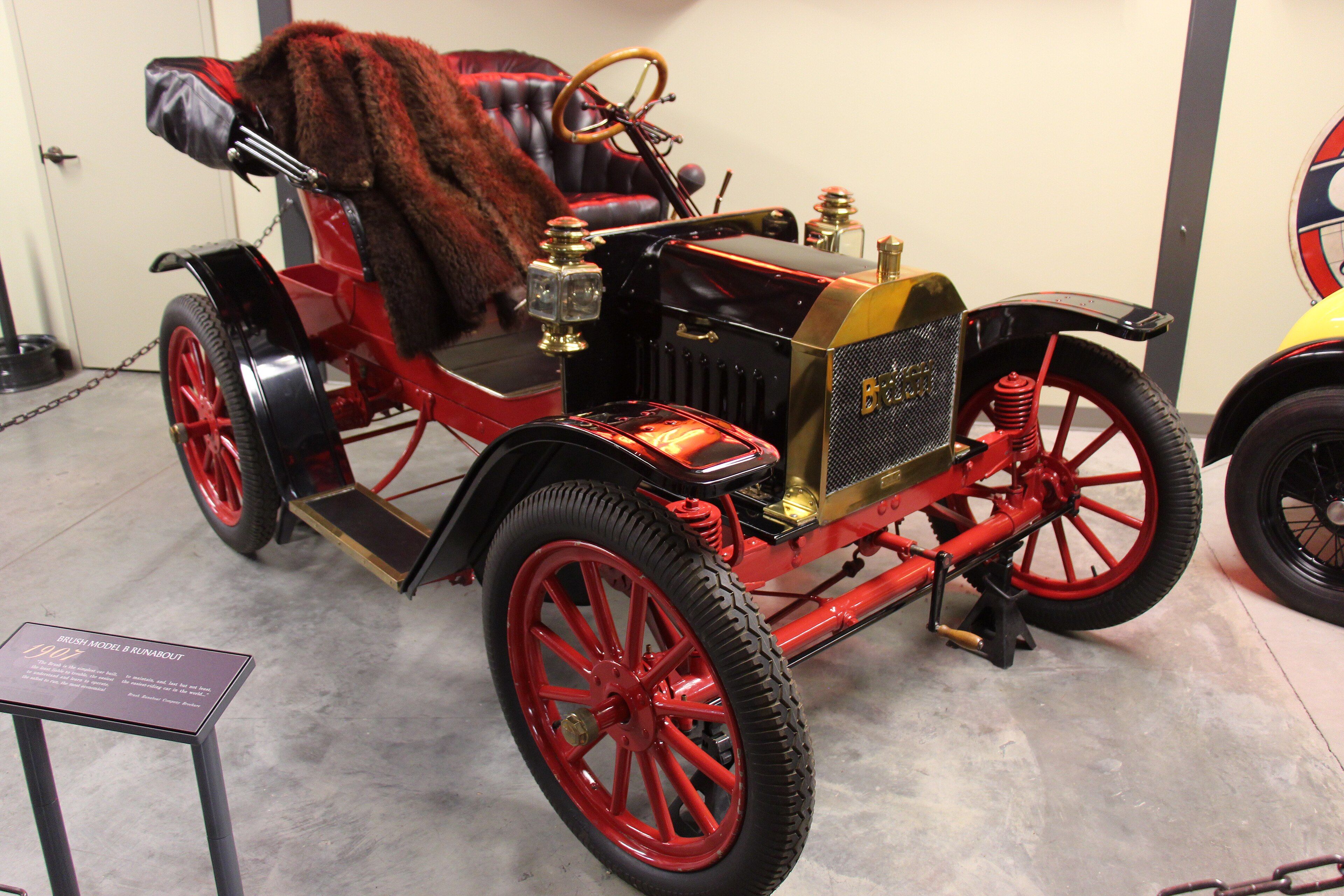
1907 Photo: “1907 Brush Model B Runabout” by Sicnag / Wikimedia Commons, licensed under CC BY 2.0
Second generation · Model D / E — enlarged chassis
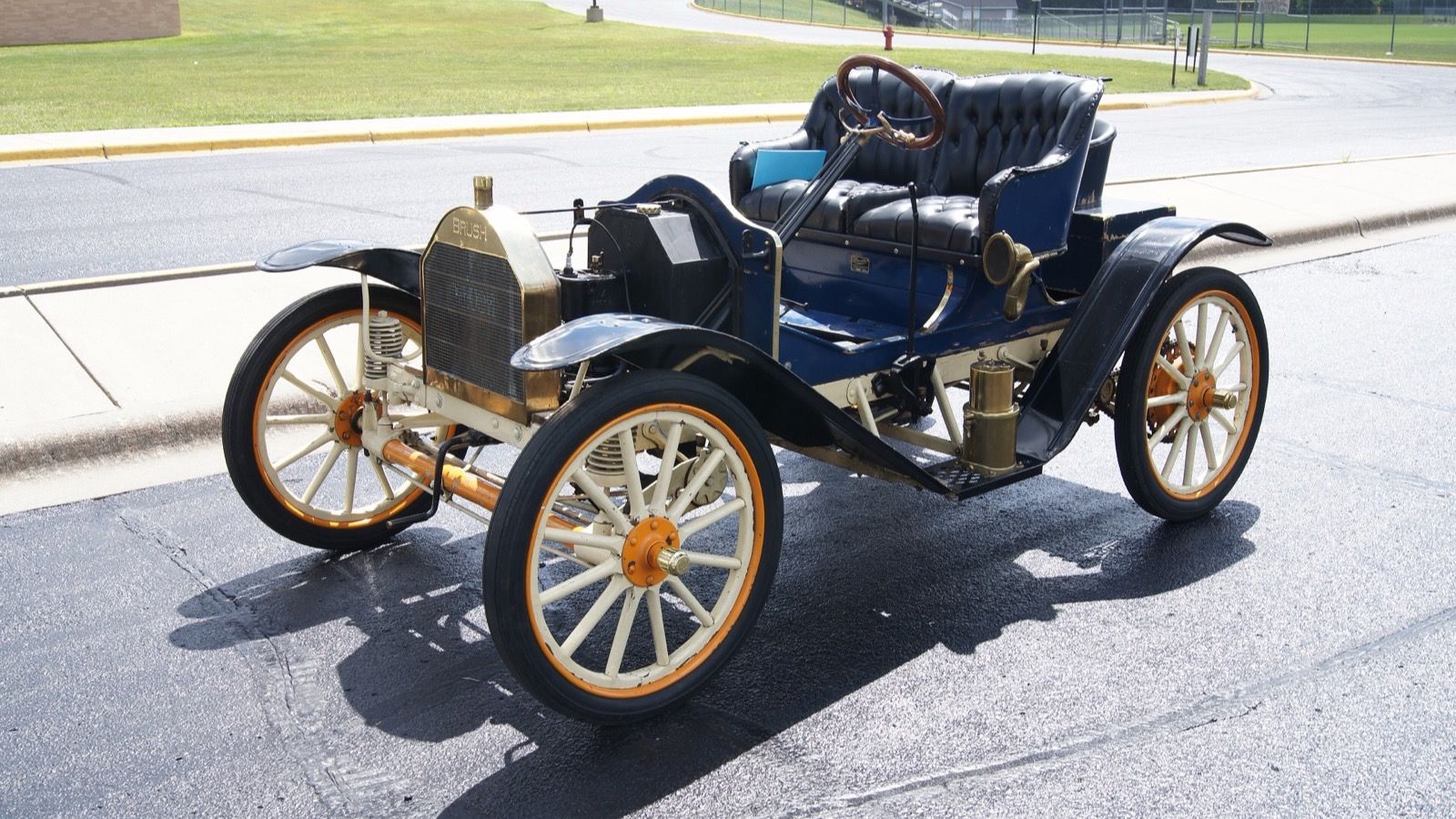
Photo: “1911 Brush E28 Runabout” by Greg Gjerdingen from Willmar, USA / Wikimedia Commons, licensed under CC BY 2.0. Cropped to 16:9.
Wheelbase stretched to 80 inches and engine uprated to 10 hp; produced under the renamed Brush Runabout Company within the USMC combine until the conglomerate's 1913 collapse.
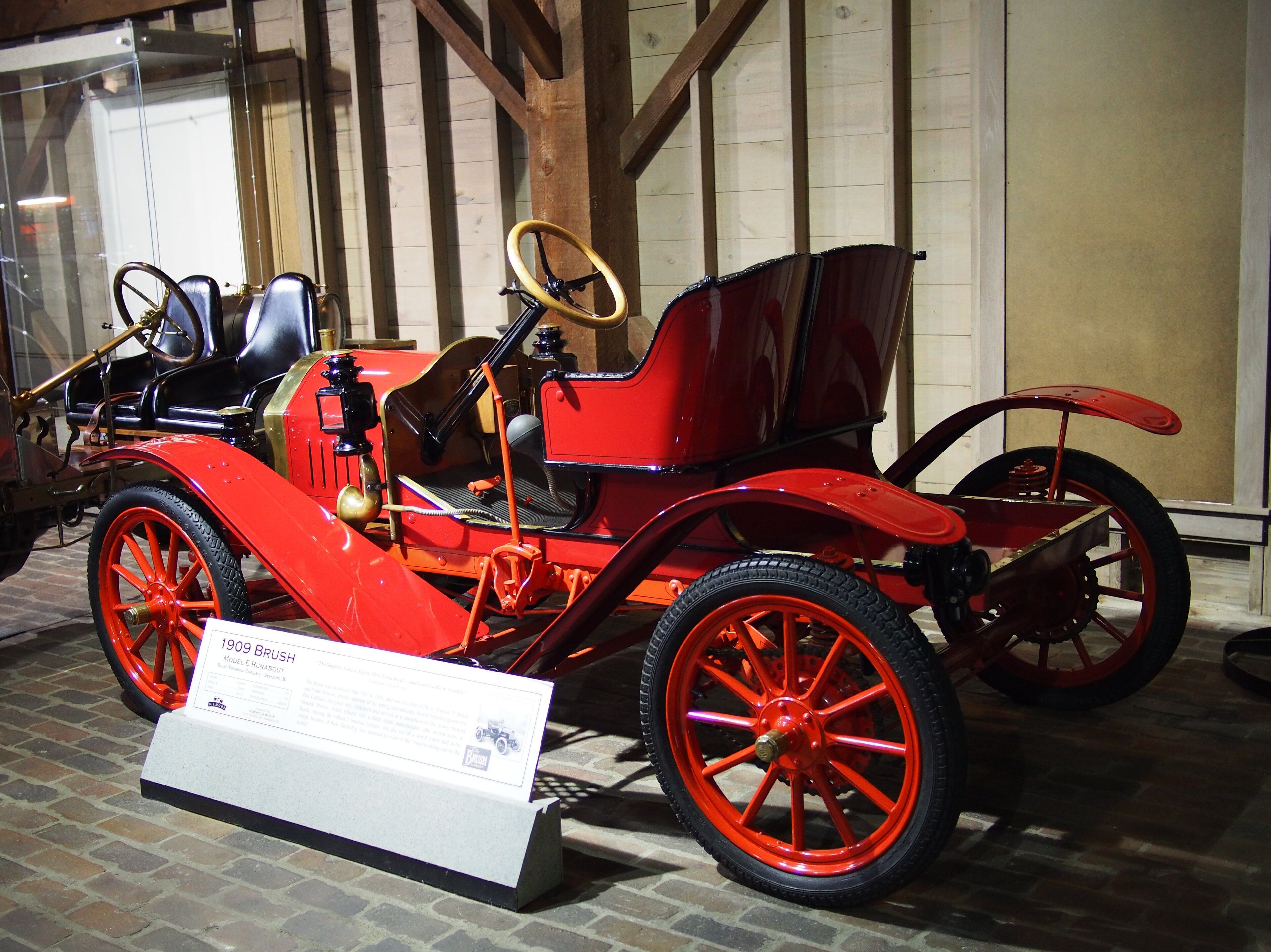
1909 Photo: “1909 Brush Model E Runabout, Dearborn, Michigan” by F. D. Richards from Clinton, MI / Wikimedia Commons, licensed under CC BY-SA 2.0
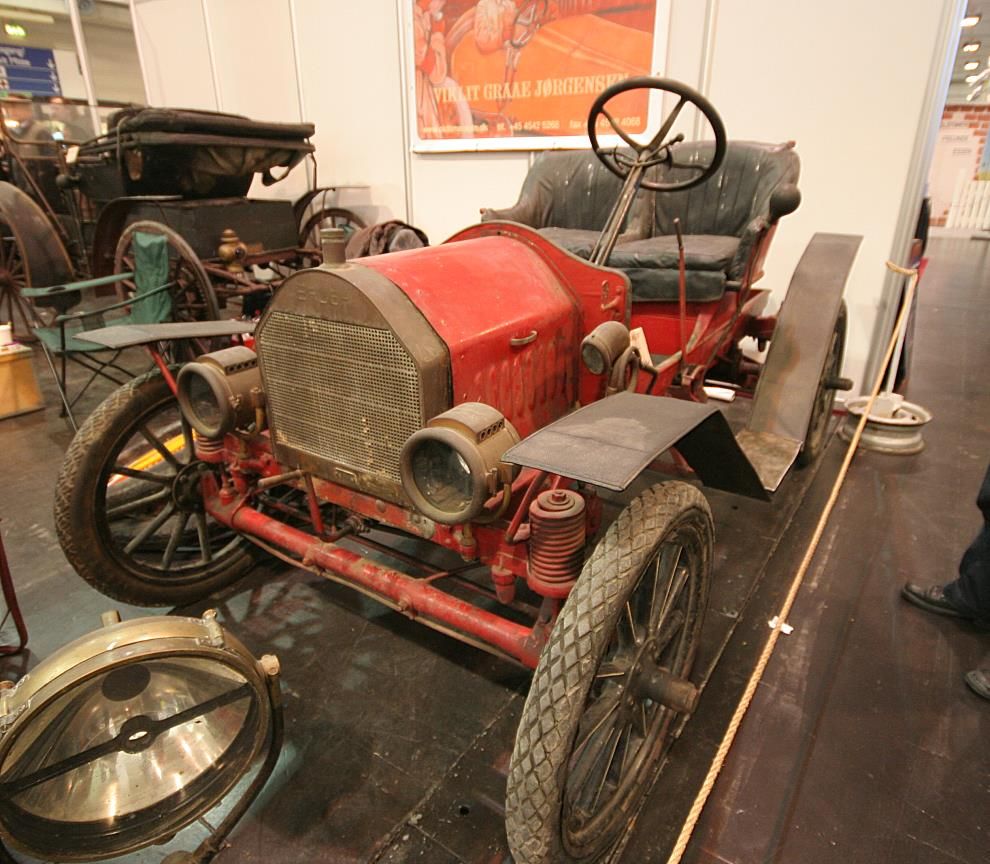
1910 Photo: “Brush 1910 - 1 cyl” by Th-Photos / Wikimedia Commons, licensed under CC BY-SA 3.0
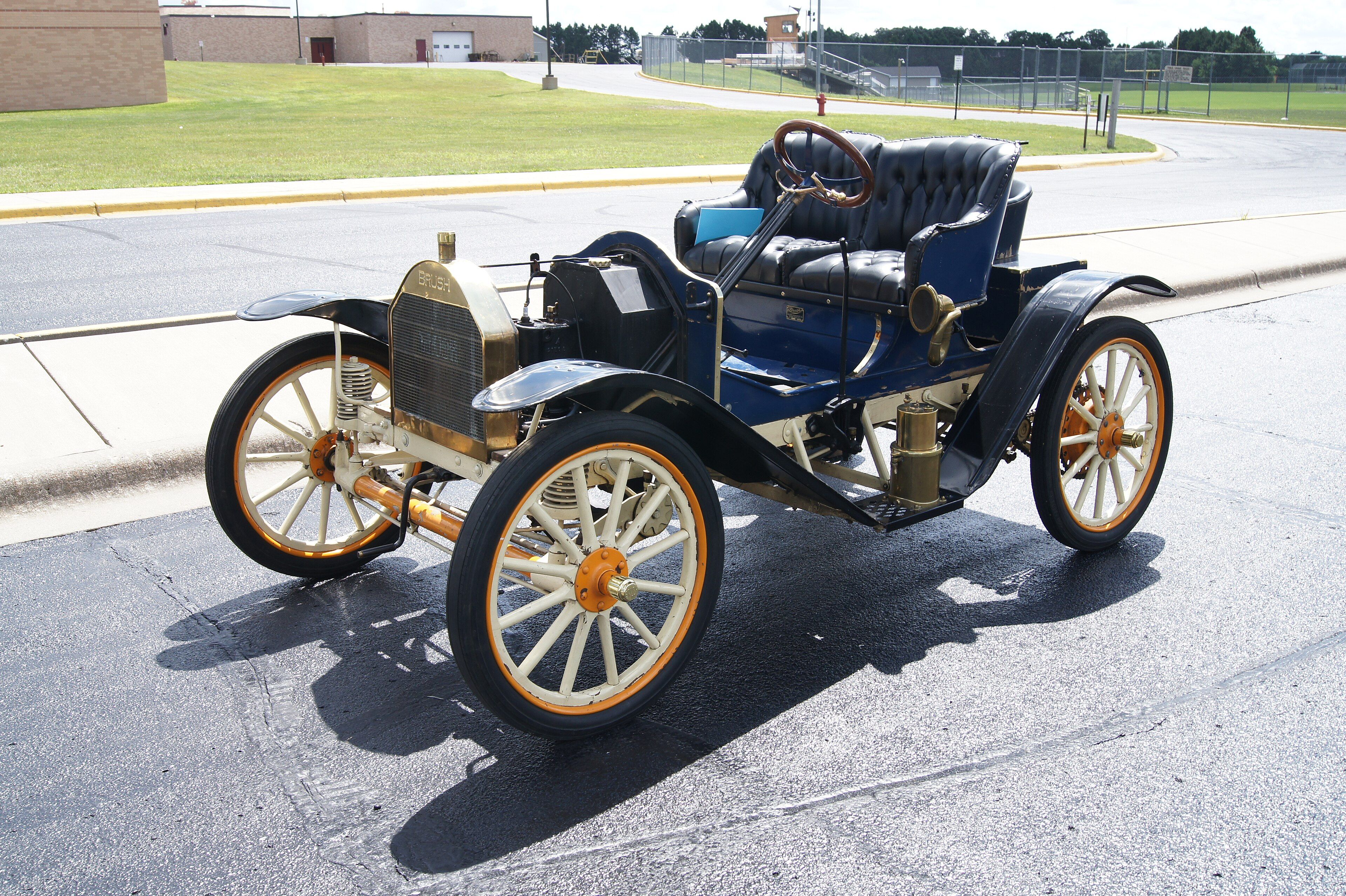
1911 Photo: “1911 Brush E28 Runabout” by Greg Gjerdingen from Willmar, USA / Wikimedia Commons, licensed under CC BY 2.0
Body styles
- Runabout
- Roadster
Notable special editions & performance variants
Liberty-Brush
A stripped, lower-priced variant (~$350) with bicycle-type fenders instead of a connected running board; aimed at buyers priced out of even the standard Runabout.
Related models
Collect the nameplate
Find a scale model of the Brush Runabout
Search Amazon across available years, colors, and scales. Exact releases vary, so confirm the listing before ordering.