
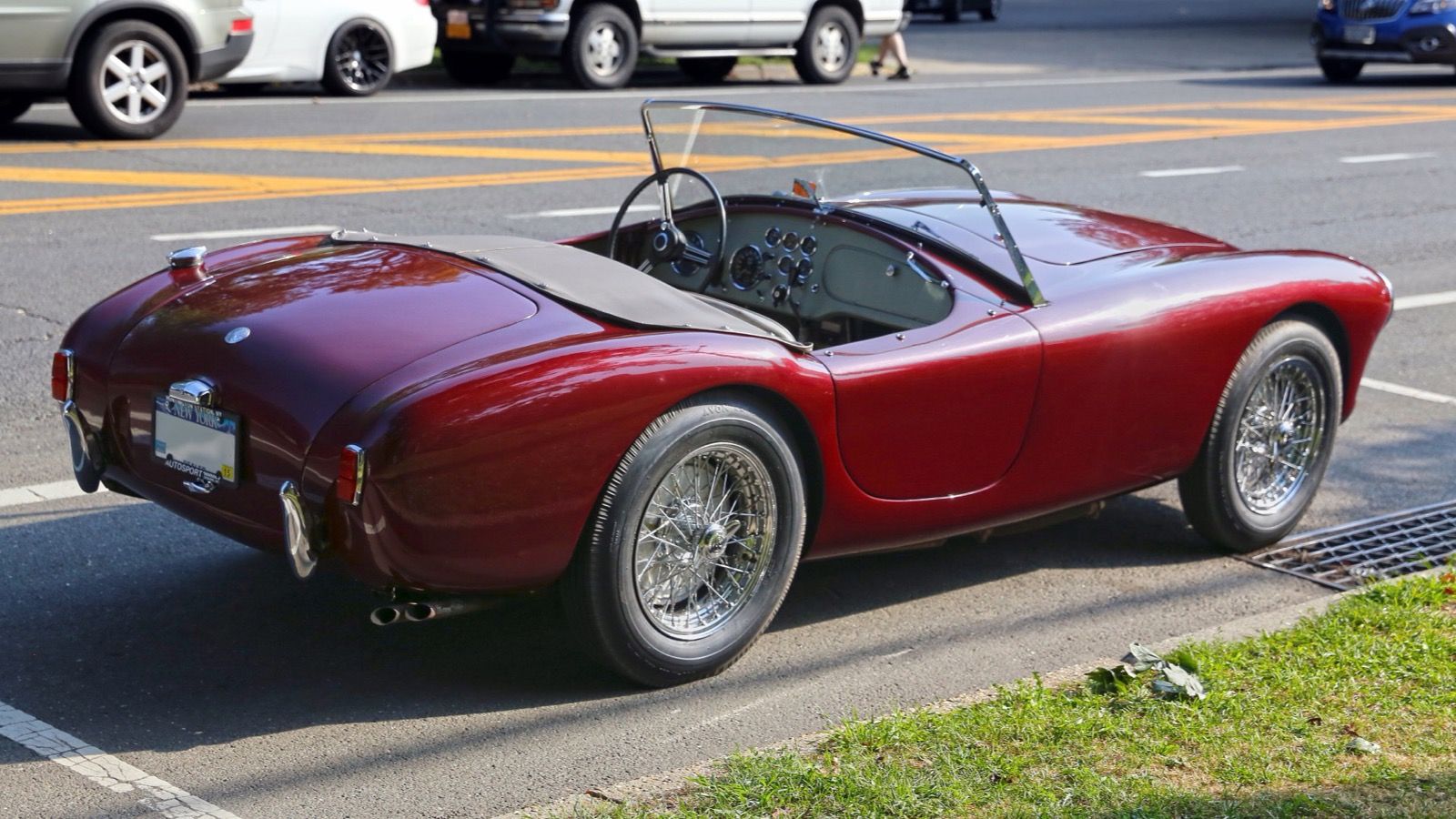
AC Ace History
AC's lightweight aluminium roadster (1953–1963) — a Le Mans class winner and the direct chassis basis for the Cobra.
Photo: “1958 AC Ace roadster, AC engine” by Mr.choppers / Wikimedia Commons, licensed under CC BY-SA 3.0. Cropped to 16:9.
Start with a make and model. Add a year where a detailed guide is available.
Model history available. Detailed year guides are not published for this model.
Browse this model's history and yearsHistory
The Ace, launched at Earls Court in 1953, was built on a tubular steel ladder chassis derived from a design by engineer John Tojeiro, with all-round independent suspension and a graceful hand-beaten aluminium body. It was first powered by AC's own Weller six (approximately 100 bhp, ~103 mph top speed), then offered from 1956 with the much stronger Bristol 2.0-litre six (120 bhp, ~116 mph), which became the most popular option with approximately 466 built. Late in production a tuned 2.6-litre Ford Zephyr unit producing up to 170 bhp was offered; only 37 Ace 2.6s were made.
The Ace earned genuine competition prestige — class wins and high overall finishes at Le Mans in the late 1950s — and roughly 689 cars were built in total across the three engine variants, making it a small but significant piece of British sports-car history.
Its lasting importance is what it became. In September 1961 American racing driver Carroll Shelby contacted AC's Charles Hurlock, proposing to fit a Ford V8 into the Ace's light chassis. The first prototype — chassis CSX2000 — was completed at Thames Ditton in January 1962. It was the first AC Cobra, and it transformed the company's history.
Generations
Ace (AC engine) · AC-engined
Photo: “1958 AC Ace roadster, AC engine” by Mr.choppers / Wikimedia Commons, licensed under CC BY-SA 3.0. Cropped to 16:9.
Original 2-litre Weller overhead-cam six; ~220 built; light and agile but the least powerful variant.
Ace-Bristol · Bristol-engined
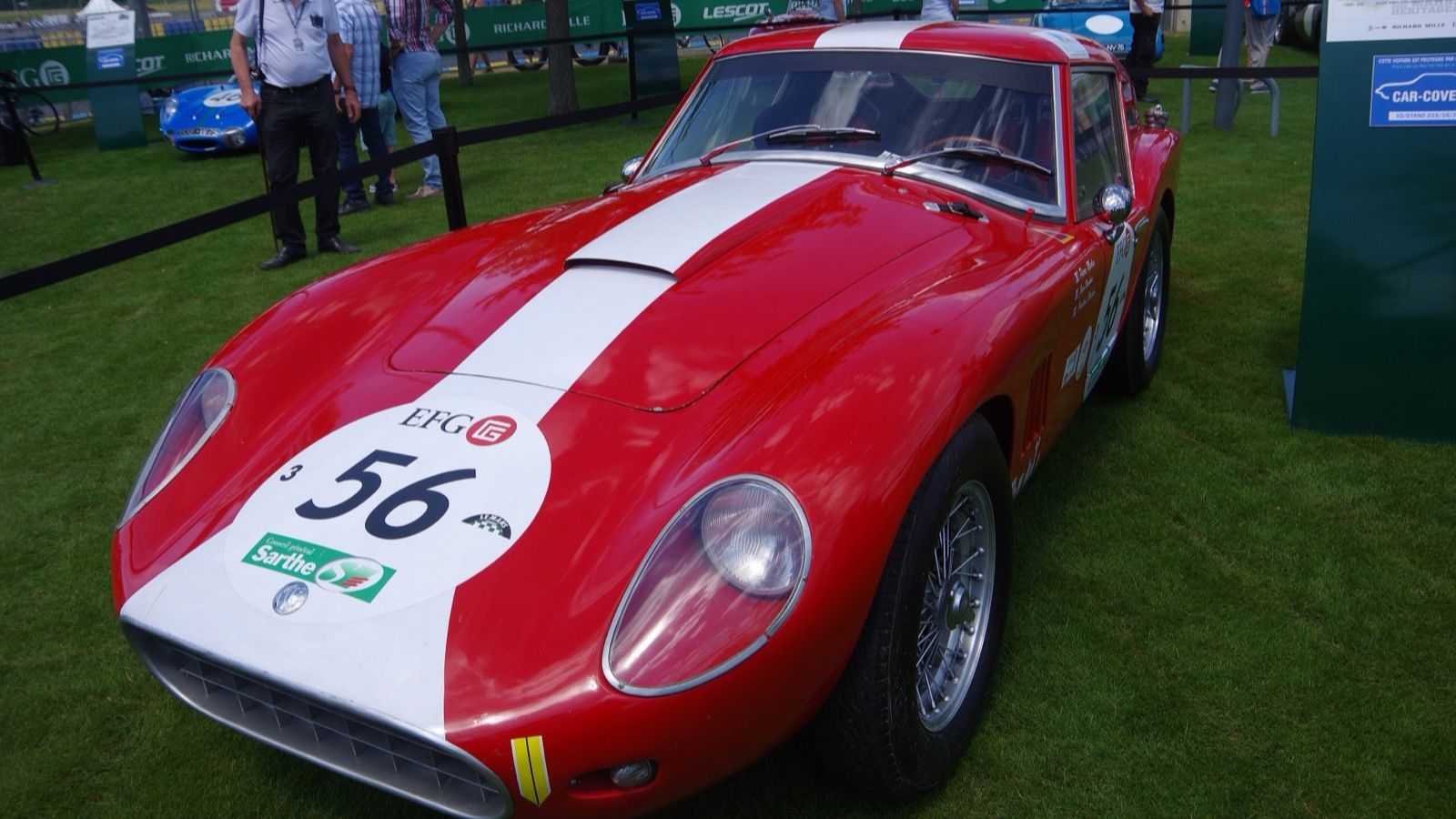
Photo: “1957 AC Ace Bristol” by David Merrett from Daventry, England / Wikimedia Commons, licensed under CC BY 2.0. Cropped to 16:9.
Bristol 2.0-litre six giving 120 bhp and ~116 mph; the most numerous variant (~466 built) and most sought-after today.
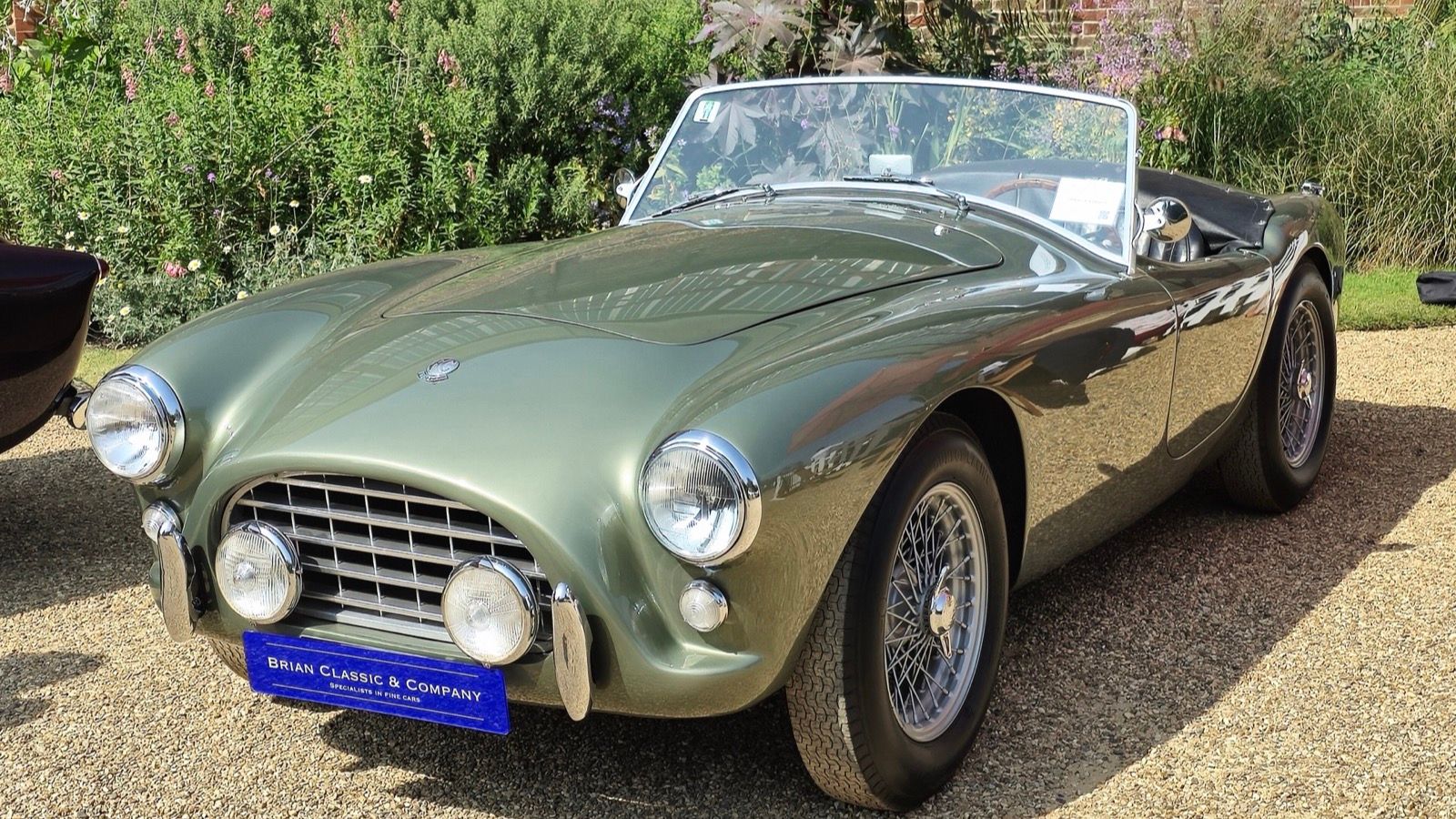
1959 Photo: “1959 AC Ace Bristol” by Calreyn88 / Wikimedia Commons, licensed under CC BY-SA 4.0. Cropped to 16:9.
Ace 2.6 · Ford Zephyr-engined
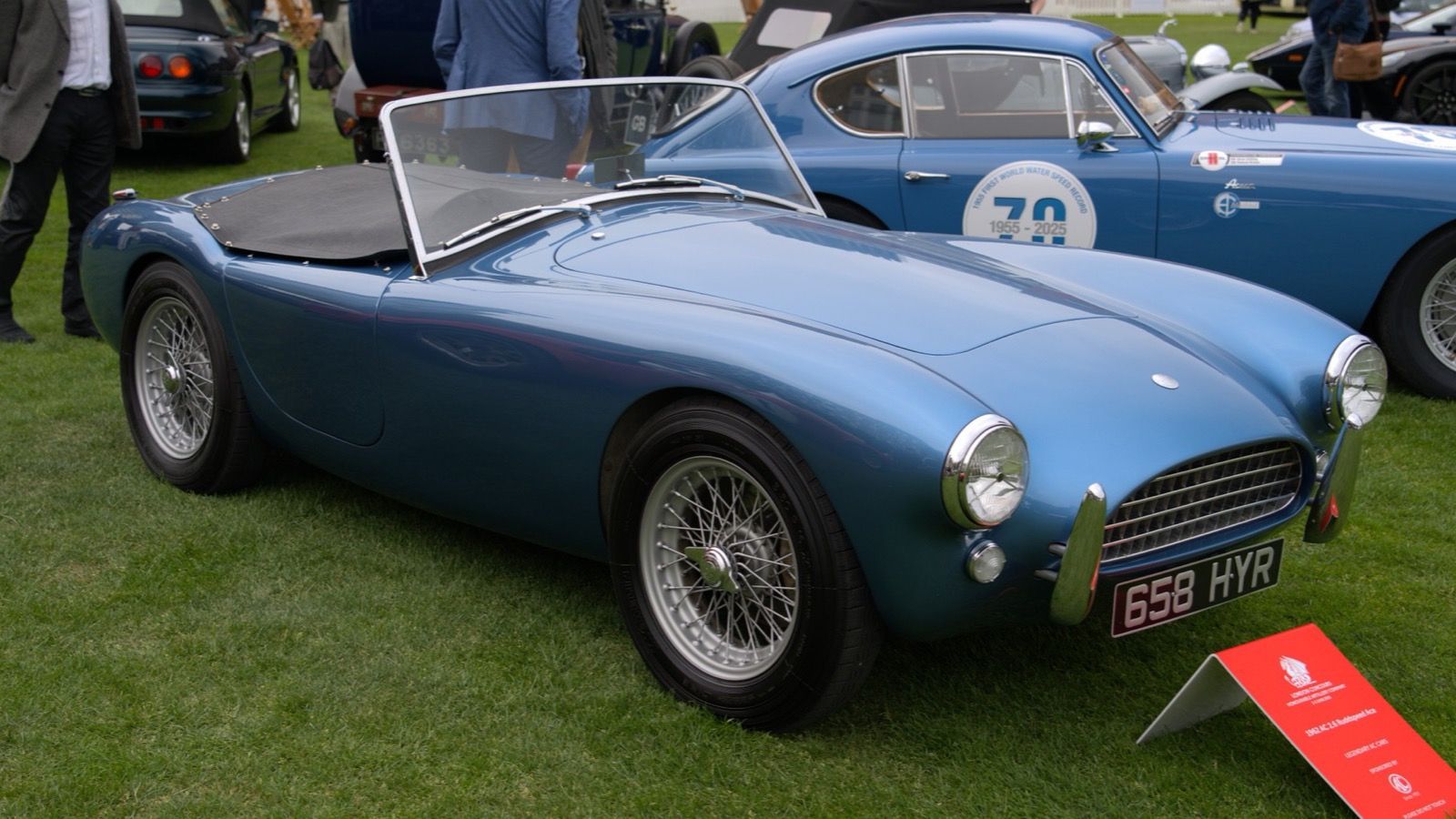
Photo: “1962 AC Ace Ruddspeed LC25” by MrWalkr / Wikimedia Commons, licensed under CC BY-SA 4.0. Cropped to 16:9.
Tuned 2.6-litre Ford Zephyr six offering up to 170 bhp; only 37 built before the Cobra project superseded the Ace.
Body styles
- Roadster
Related models
Collect the nameplate
Find a scale model of the AC Ace
Search Amazon across available years, colors, and scales. Exact releases vary, so confirm the listing before ordering.