
Berkeley Sports History
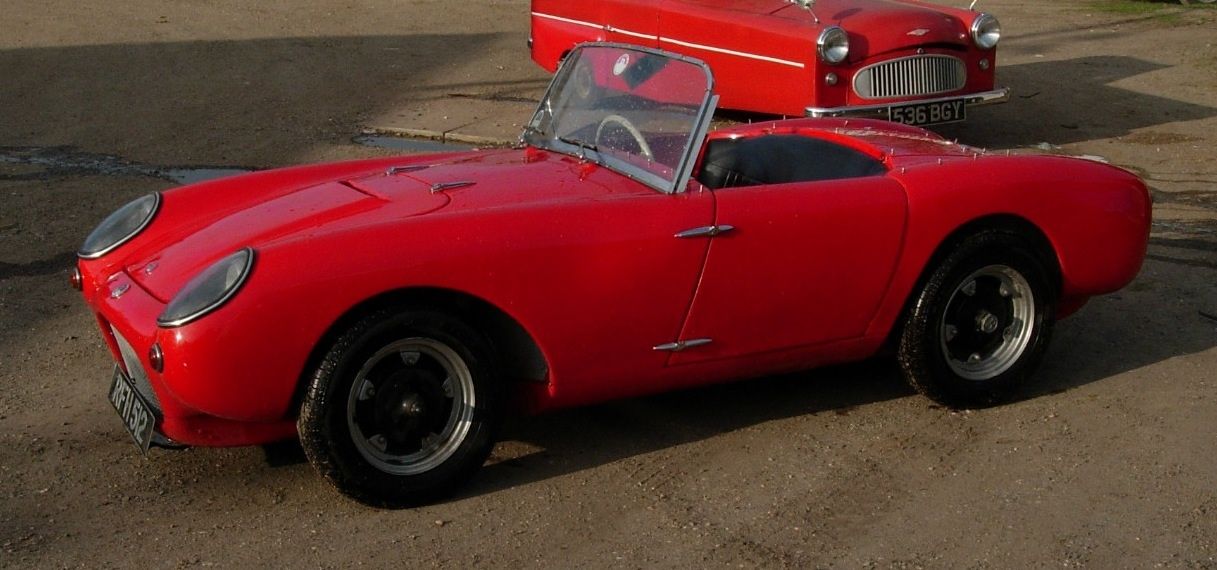
Berkeley's founding model — a lightweight GRP two-seater with motorcycle-derived two-stroke power and front-wheel drive, built 1956–1960.
Photo: “Berkeley SA322 side view.jpg” by Glachlan / Wikimedia Commons, licensed under CC BY-SA 3.0
History
Announced at the 1956 London Motor Show and first delivered in October 1956, the Berkeley Sports (type SA322) was a glass-fibre monocoque two-seater designed by Lawrence 'Lawrie' Bond — the same engineer behind the Bond Minicar three-wheeler. It used a 322 cc British Anzani two-cylinder two-stroke engine mounted transversely at the front, driving the front wheels through a chain and three-speed gearbox. Only 163 examples of this initial version were produced before the engine was replaced.
From January 1957 a 328 cc Excelsior twin replaced the Anzani, lifting output to around 18 bhp and the top speed to approximately 70 mph — the SE328. That version sold strongly and was exported to North America at roughly $1,600, making Berkeley a genuine transatlantic marque. Pat Moss drove an SE328 in the gruelling 1958 Liège–Brescia–Liège rally, underlining its competition credibility. From October 1957 a more powerful 492 cc Excelsior three-cylinder two-stroke (SE492, ~30 bhp, four-speed gearbox) extended the line upward, with an 80 mph capability and a stretched 2+2 'Foursome' body variant appearing in 1958.
Racing success in Europe burnished the name: Count Giovanni Lurani purchased three Berkeleys, fitted them with bespoke hardtops, and ran them in the 750 cc GT class at the 1958 Monza 12-Hour race, where one driven by a young Lorenzo Bandini took class honours. Despite the sporting achievements, the company's underlying dependence on caravan sales proved fatal — when the UK caravan market collapsed in late 1960, cash flow dried up and Berkeley Cars went into liquidation on 12 December 1960, ending the Sports line.
Generations
First generation · SA322
Photo: “Berkeley SA322 side view.jpg” by Glachlan / Wikimedia Commons, licensed under CC BY-SA 3.0
Debut model with 322 cc Anzani twin-cylinder two-stroke; 163 built, shown at the 1956 London Motor Show.
Second generation · SE328
328 cc Excelsior engine, ~18 bhp, ~70 mph; widely exported to North America; approximately 1,259 produced.
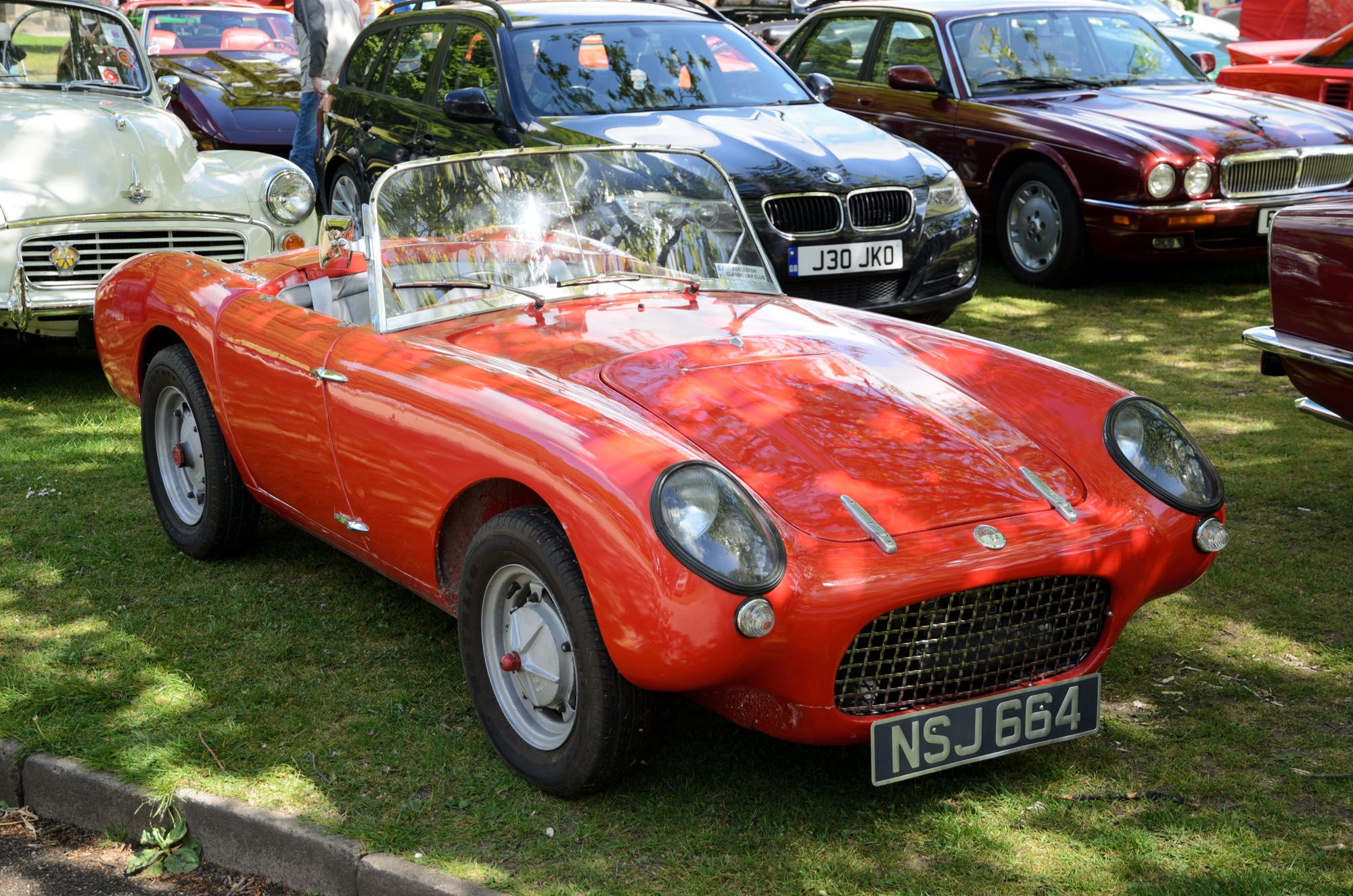
1958 Photo: “Berkeley Sports SE328 (1958).jpg” by SG2012 / Wikimedia Commons, licensed under CC BY 2.0
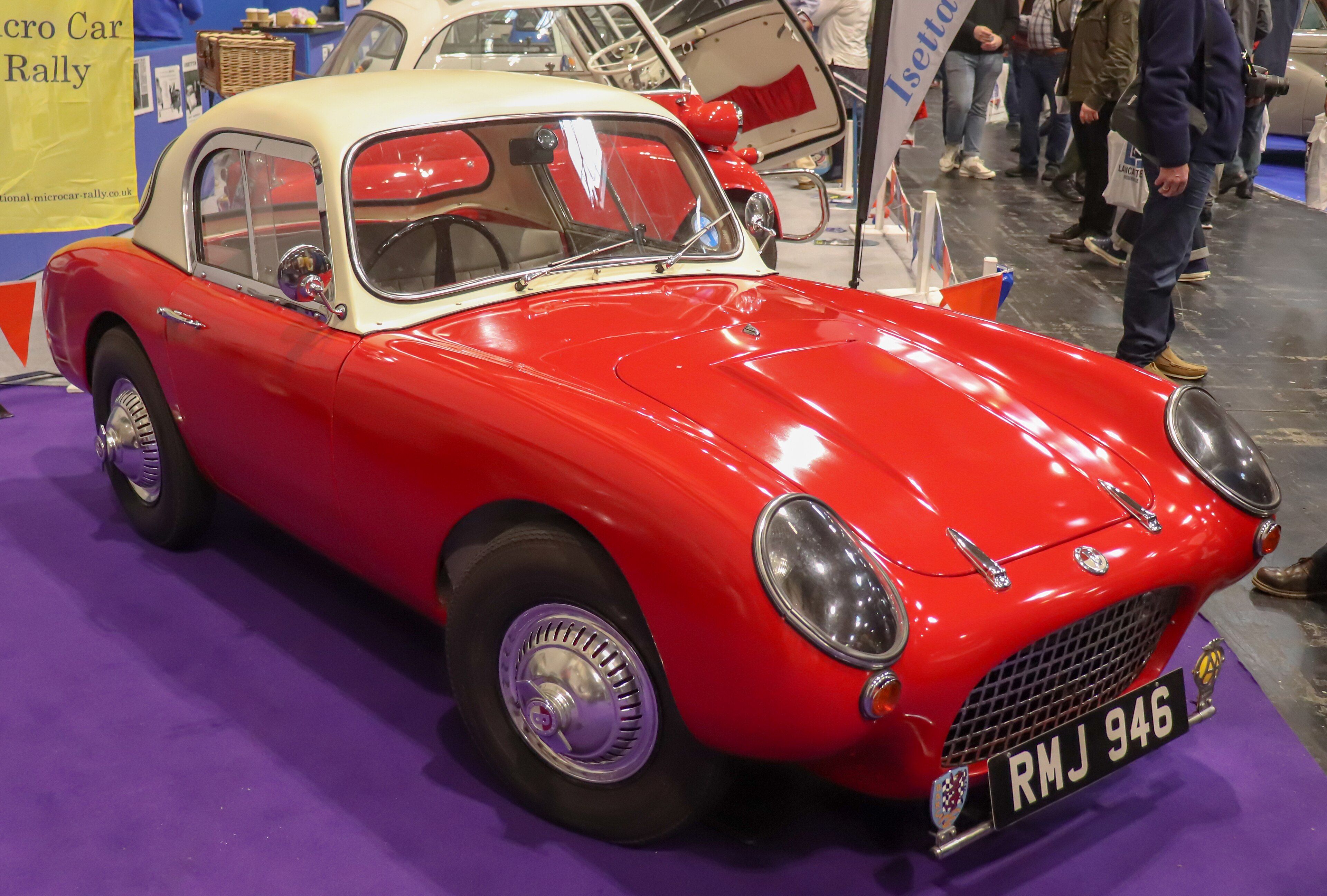
1959 Photo: “1959 Berkeley Sports (SE328) Front.jpg” by Vauxford / Wikimedia Commons, licensed under CC BY-SA 4.0
Third generation · SE492 / Twosome
Three-cylinder 492 cc Excelsior, ~30 bhp, four-speed gearbox, 80 mph; stretched Foursome 2+2 body available from 1958; ~666 produced.
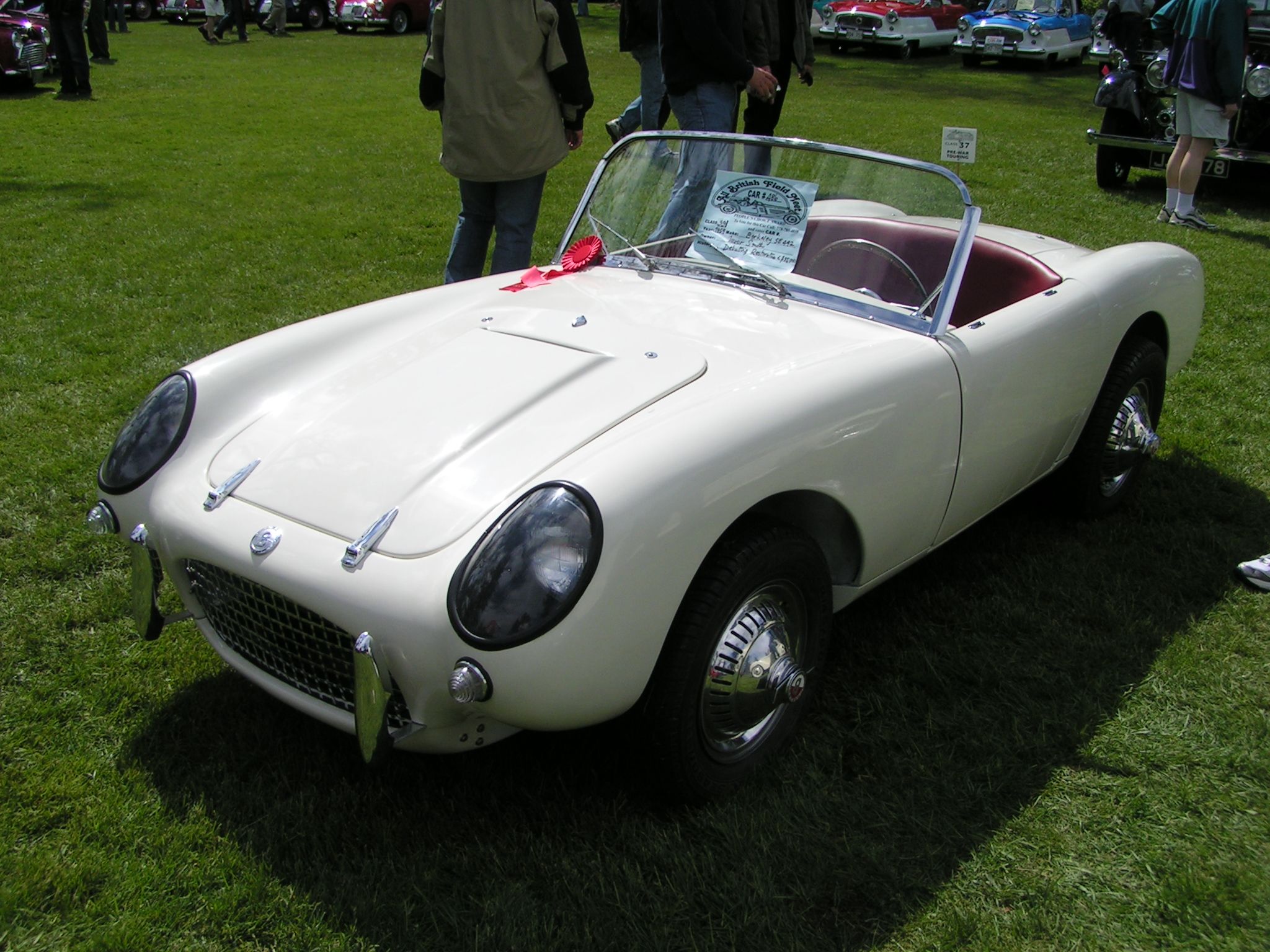
1959 Photo: “1959BerkeleySE492.jpg” by dave_7 from Airdrie, Canada / Wikimedia Commons, licensed under CC BY-SA 2.0
Body styles
- Roadster
- Coupe (hardtop option)
Related models
Collect the nameplate
Find a scale model of the Berkeley Sports
Search Amazon across available years, colors, and scales. Exact releases vary, so confirm the listing before ordering.