
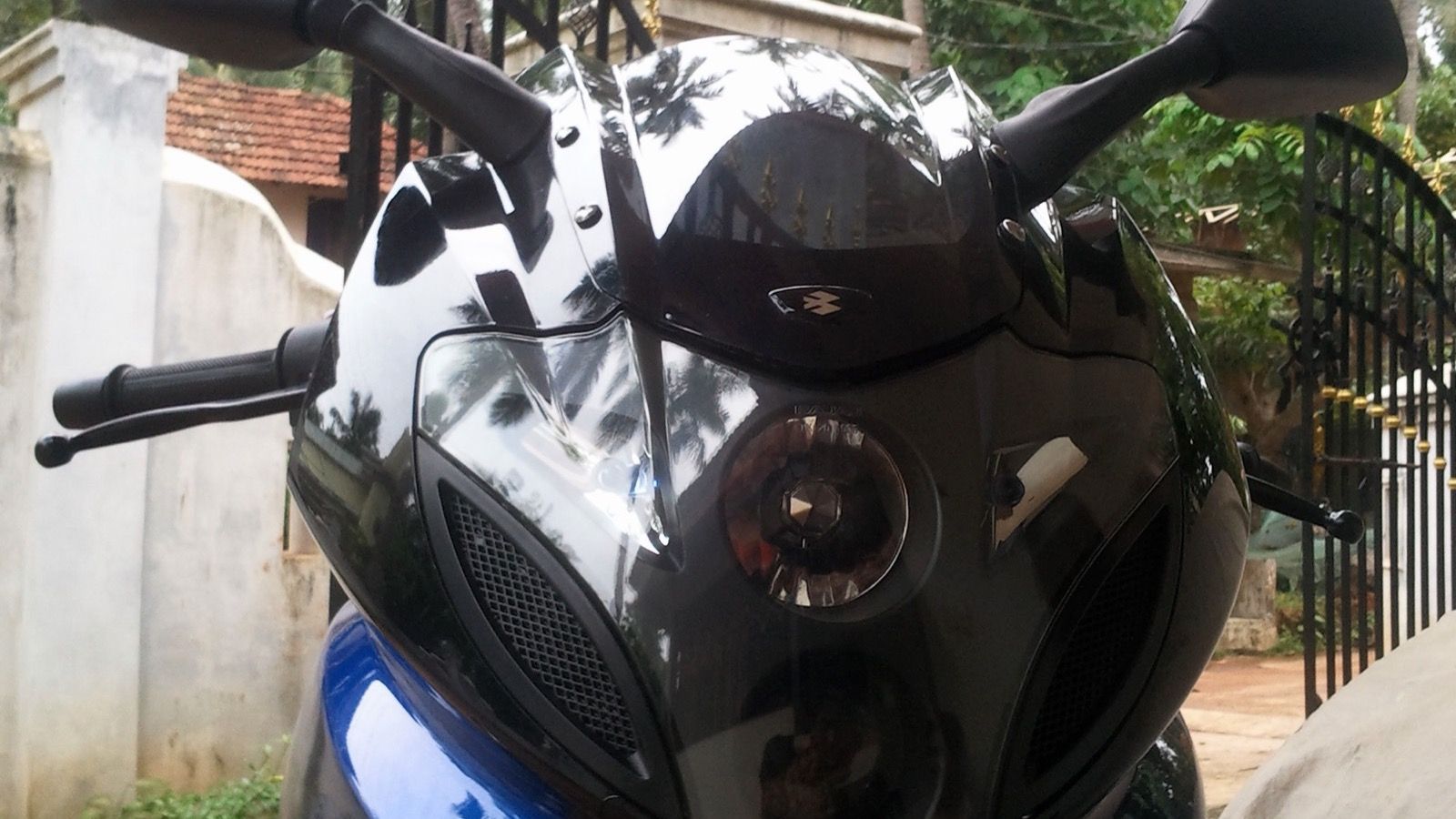
Bajaj Pulsar History
Bajaj's landmark sport-commuter line — launched November 2001 and still the benchmark for affordable performance motorcycles in India.
Photo: “Pulsar 220F fairing” by Dkworld9 / Wikimedia Commons — CC0 1.0. Cropped to 16:9.
History
Bajaj launched the Pulsar twins (150cc and 180cc) on 24 November 2001, a project that took 36 months and cost ₹1 billion, developed with Tokyo R&D and later styled with designer Glynn Kerr. The first-generation Pulsar brought disc brakes as standard — then a novelty in India — and immediately disrupted the commuter-dominated market by offering genuinely sporty proportions at an accessible price.
The second-generation Pulsars introduced Bajaj's proprietary DTSi (Digital Twin Spark Ignition) technology, boosting power and efficiency, and in 2006 the Pulsar became the first Indian motorcycle to display speed on an all-digital speedometer. The family expanded upward in 2007 with the 200cc and 220cc Pulsar 220-Fi — at the time among the most powerful production bikes from an Indian manufacturer.
By April 2012, more than five million Pulsars had been sold; by 2018 the cumulative tally exceeded ten million. The Pulsar line continued expanding: the 2015 RS200 was Bajaj's first fully faired motorcycle, while subsequent NS (Naked Sport) and N/F variants through the 2020s kept the nameplate competitive. With a market share of roughly 47 percent in its segment in 2011, the Pulsar effectively created the 'performance commuter' category in India.
Generations
First generation · Original Pulsar 150/180
Air-cooled single-cylinder 150/180cc twins; standard disc brake was a first for Indian mass-market bikes.
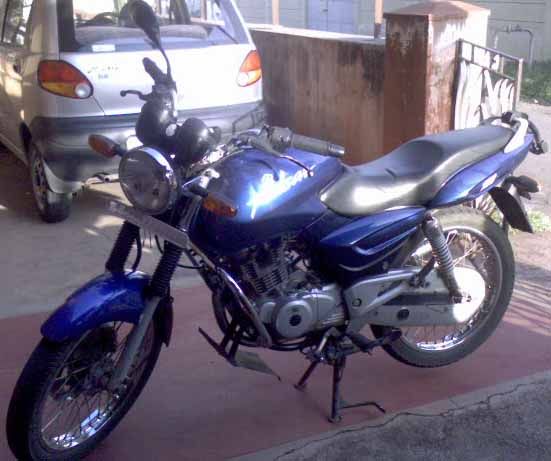
2003 Photo: “Bajaj Pulsar 150, 2003” by Philanthropist 1 / Wikimedia Commons, licensed under CC BY-SA 3.0
DTSi generation · DTSi
Photo: “Pulsar 220F fairing” by Dkworld9 / Wikimedia Commons — CC0 1.0. Cropped to 16:9.
Digital Twin Spark Ignition improved power and economy; 200cc and 220cc flagships added from 2007.
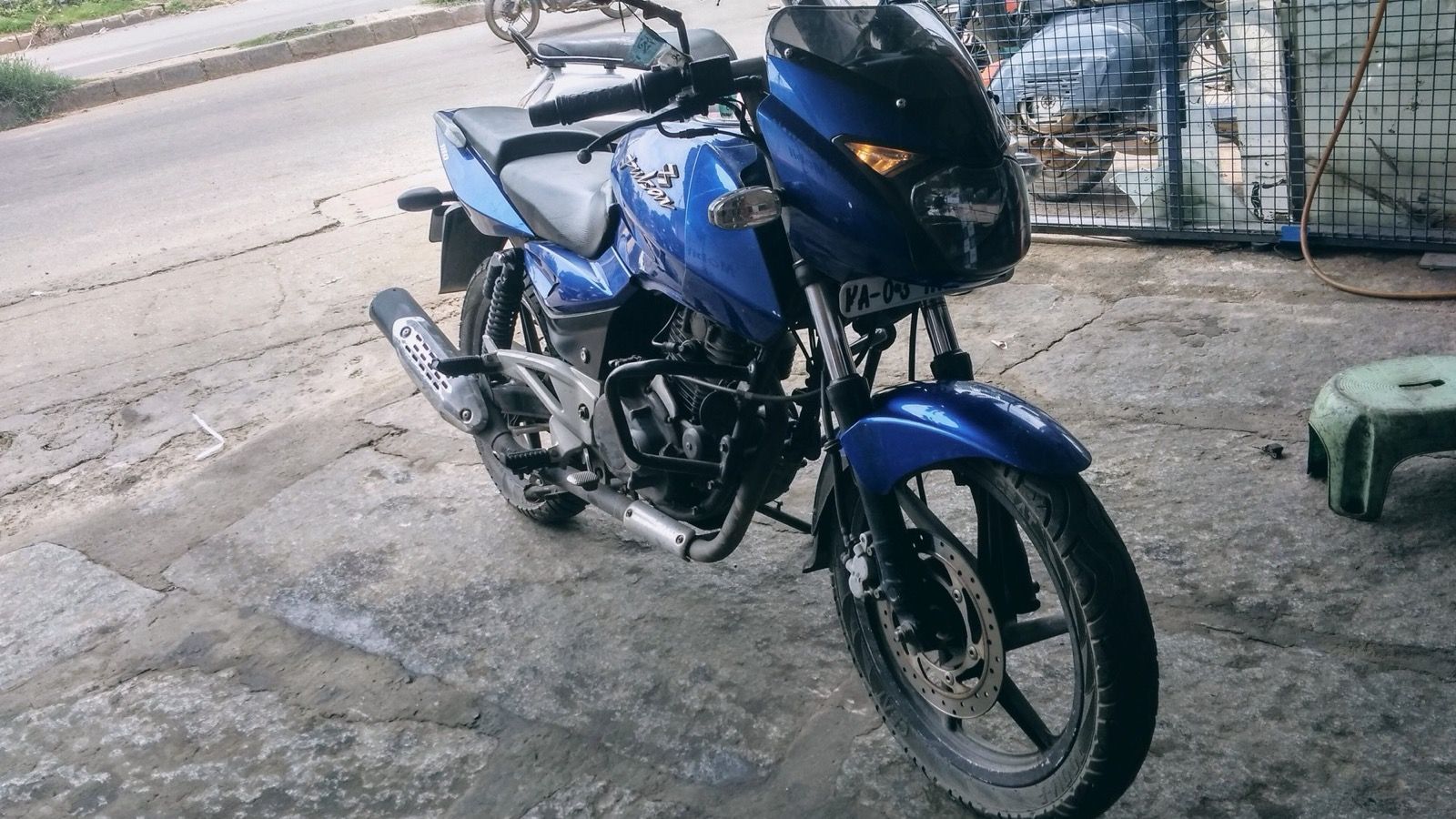
2010 Photo: “Bajaj Pulsar 180 2010 model” by Ritinkar Malakar / Wikimedia Commons, licensed under CC BY-SA 4.0. Cropped to 16:9.
NS / RS / AS generation · NS/RS/AS
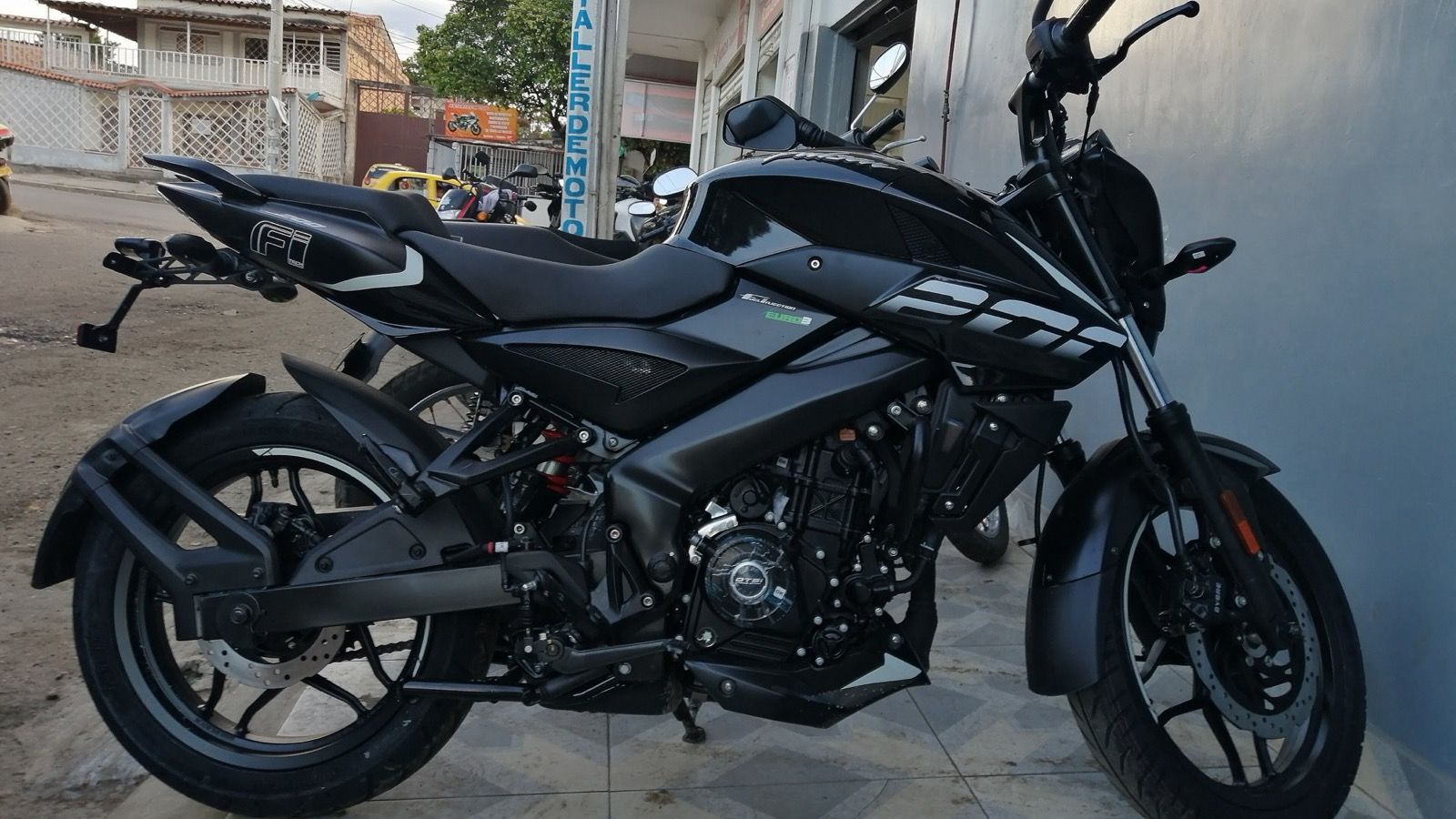
Photo: “Bj Pulsar NS 200” by EEIM / Wikimedia Commons, licensed under CC BY-SA 4.0. Cropped to 16:9.
Perimeter-frame Naked Sport (NS200) from 2012, fully faired Race Sport RS200 from 2015, Adventure Sport AS series; liquid-cooled and fuel-injected variants across the range.
Body styles
- Sport motorcycle
- Naked motorcycle
- Faired motorcycle
Notable special editions & performance variants
Pulsar RS200
Bajaj's first fully faired production motorcycle; 199.5cc liquid-cooled engine with fuel injection.
Pulsar 220F
Long-running 220cc semi-faired flagship; fuel-injected from launch, an affordable performance benchmark for over a decade.
Related models
Collect the nameplate
Find a scale model of the Bajaj Pulsar
Search Amazon across available years, colors, and scales. Exact releases vary, so confirm the listing before ordering.