
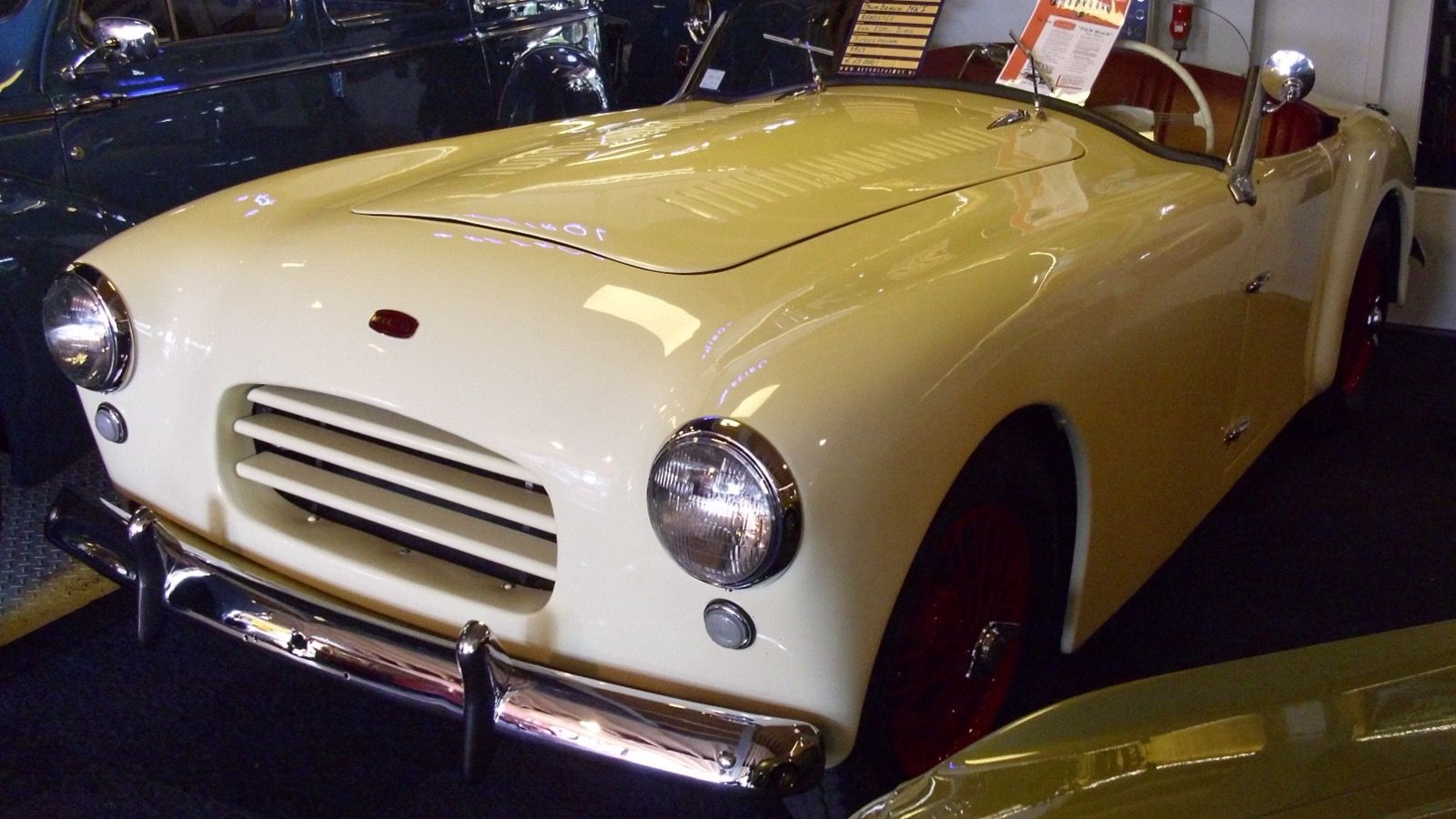
Allard Palm Beach History
Allard's attempt at a more refined, lighter sports car — only around 80 built across two marks as the company's finances declined.
Photo: “Allard Palm Beach Mk. I Roadster 1953 schräg 1” by Buch-t / Wikimedia Commons, licensed under CC BY-SA 3.0 de. Cropped to 16:9.
History
The Palm Beach was introduced in 1952 as a departure from the brutish V8 formula — a smaller, lighter sports car on a 96-inch wheelbase using four- or six-cylinder Ford Consul and Zephyr engines. It was styled for the growing sports-car market that the Triumph TR2 and MG TF were serving, but proved difficult to position and sold poorly.
A revised Mark II arrived in 1956 with six-cylinder-only power and detail chassis changes in an attempt to modernise the model. Only around 80 Palm Beaches were built in total across both marks — including just six Mk II cars — making it one of the rarest Allards. A handful of Mk II GT (fastback-bodied) variants exist.
The Palm Beach's commercial failure was symptomatic of the wider difficulties that would close Allard in 1958. The company lacked the capital to develop a truly competitive new model as the British sports-car market consolidated around better-funded rivals.
Generations
Mark I · Palm Beach Mk I
Photo: “Allard Palm Beach Mk. I Roadster 1953 schräg 1” by Buch-t / Wikimedia Commons, licensed under CC BY-SA 3.0 de. Cropped to 16:9.
Original four- or six-cylinder Palm Beach on a 96-inch wheelbase; aimed at a lighter, more refined market than the V8 Allards.
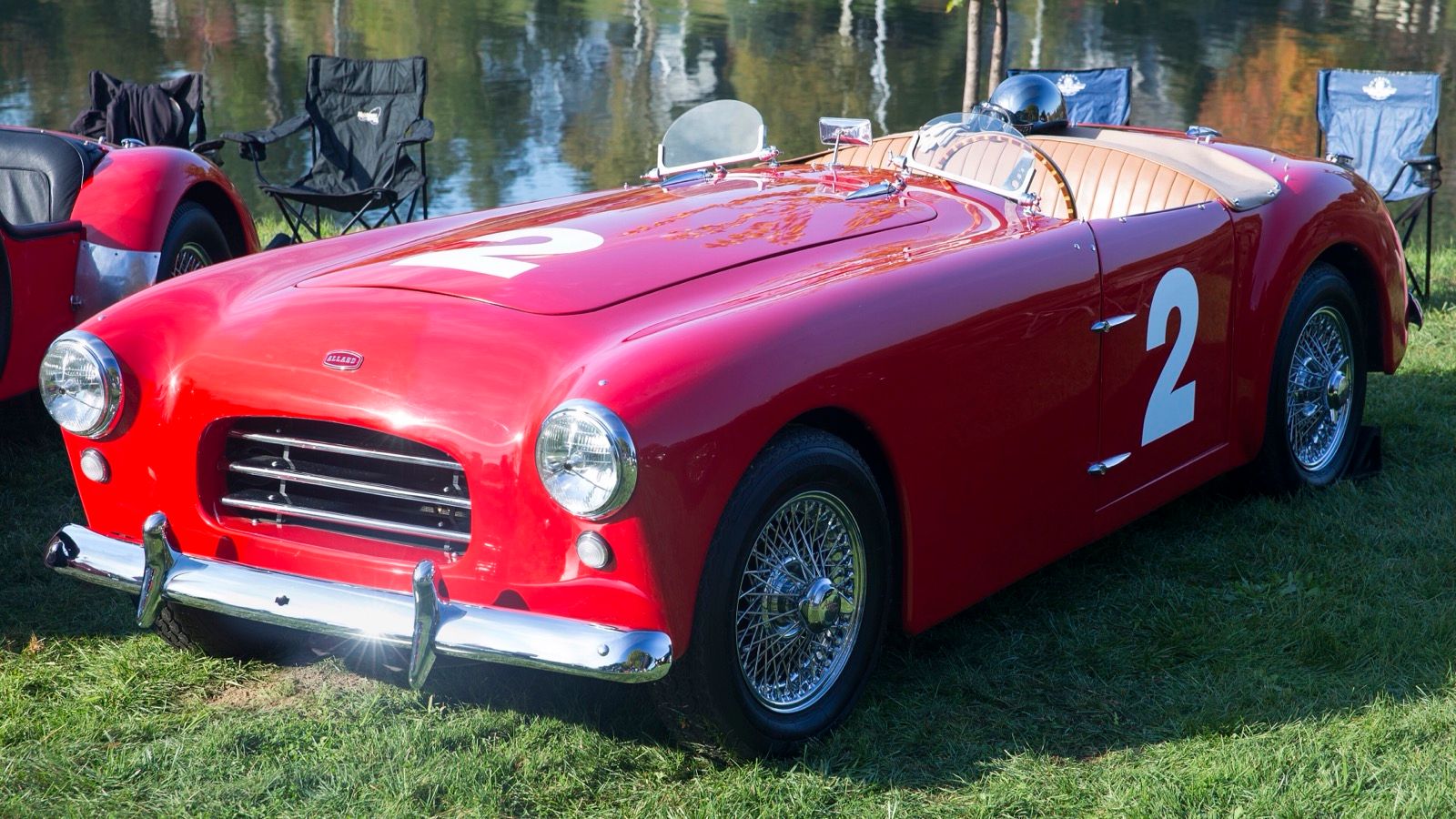
1953 Photo: “1953 Allard Palm Beach 21C in Red, front left (Greenwich 2021)” by Mr.choppers / Wikimedia Commons, licensed under CC BY-SA 3.0. Cropped to 16:9.
Mark II · Palm Beach Mk II
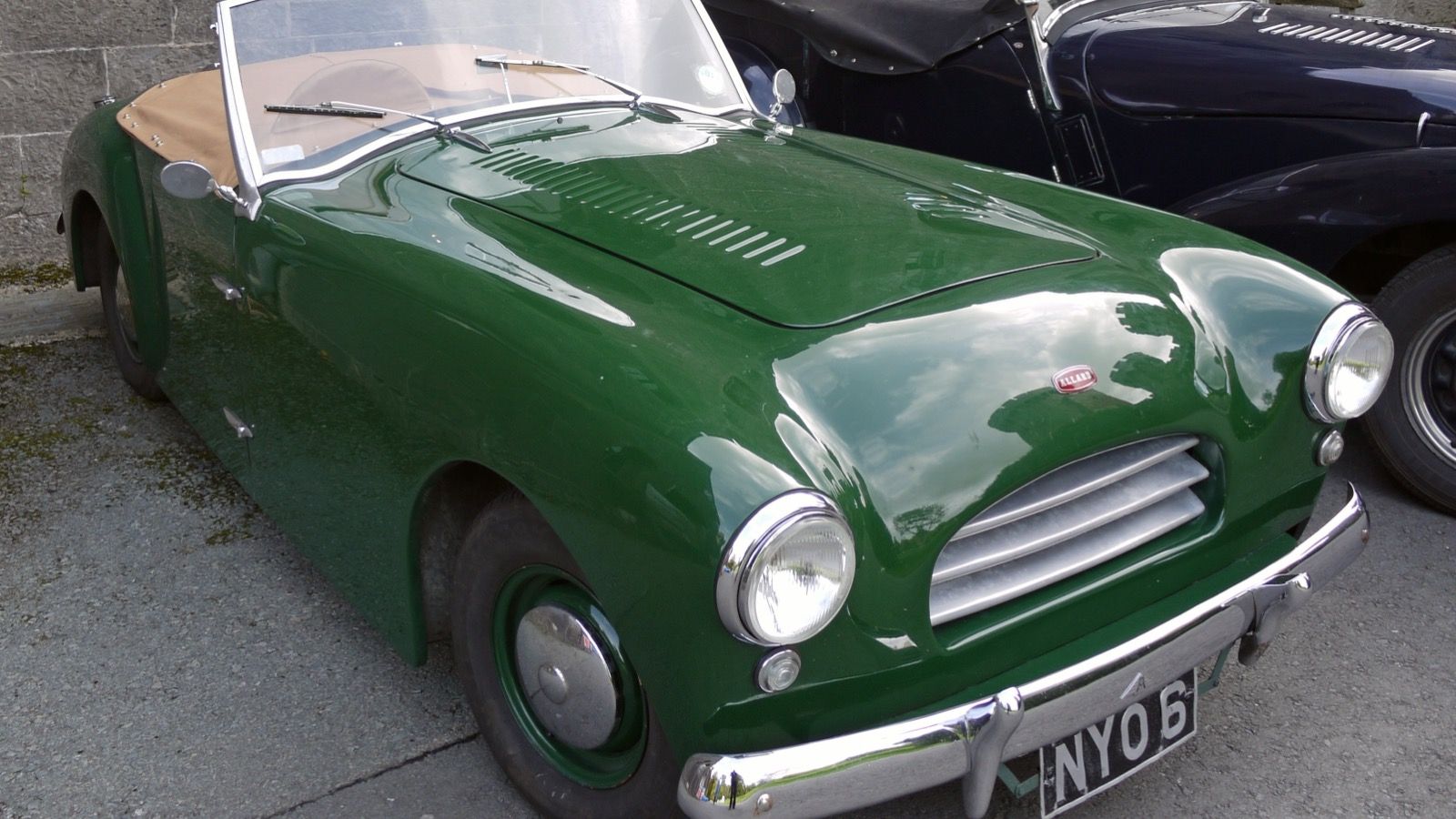
Photo: “Allard Palm Beach 21Z fl” by Smabs Sputzer from Stockport, UK, cropped and altered by uploader Mr.choppers / Wikimedia Commons, licensed under CC BY 2.0. Cropped to 16:9.
Six-cylinder-only revision with chassis updates; only around six built, including a rare GT fastback variant.
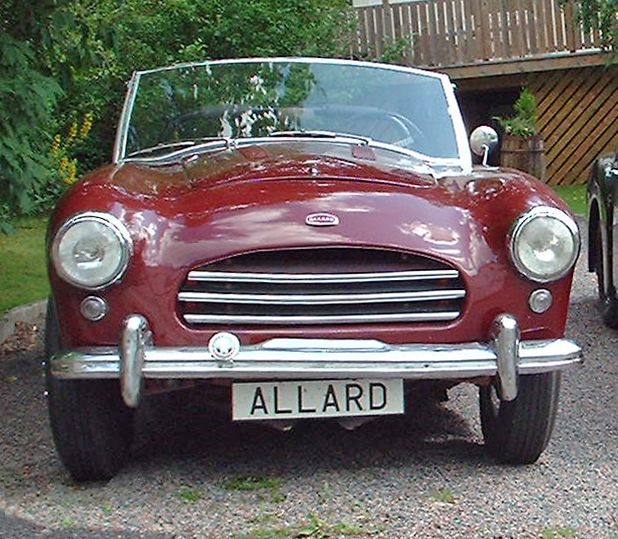
1956 Photo: “1956 Allard Palm Beach 21Z” by Created by Allardcars ; cropped by Mr.choppers / Wikimedia Commons — Public domain
Body styles
- Roadster
- Fastback coupe
Related models
Collect the nameplate
Find a scale model of the Allard Palm Beach
Search Amazon across available years, colors, and scales. Exact releases vary, so confirm the listing before ordering.