
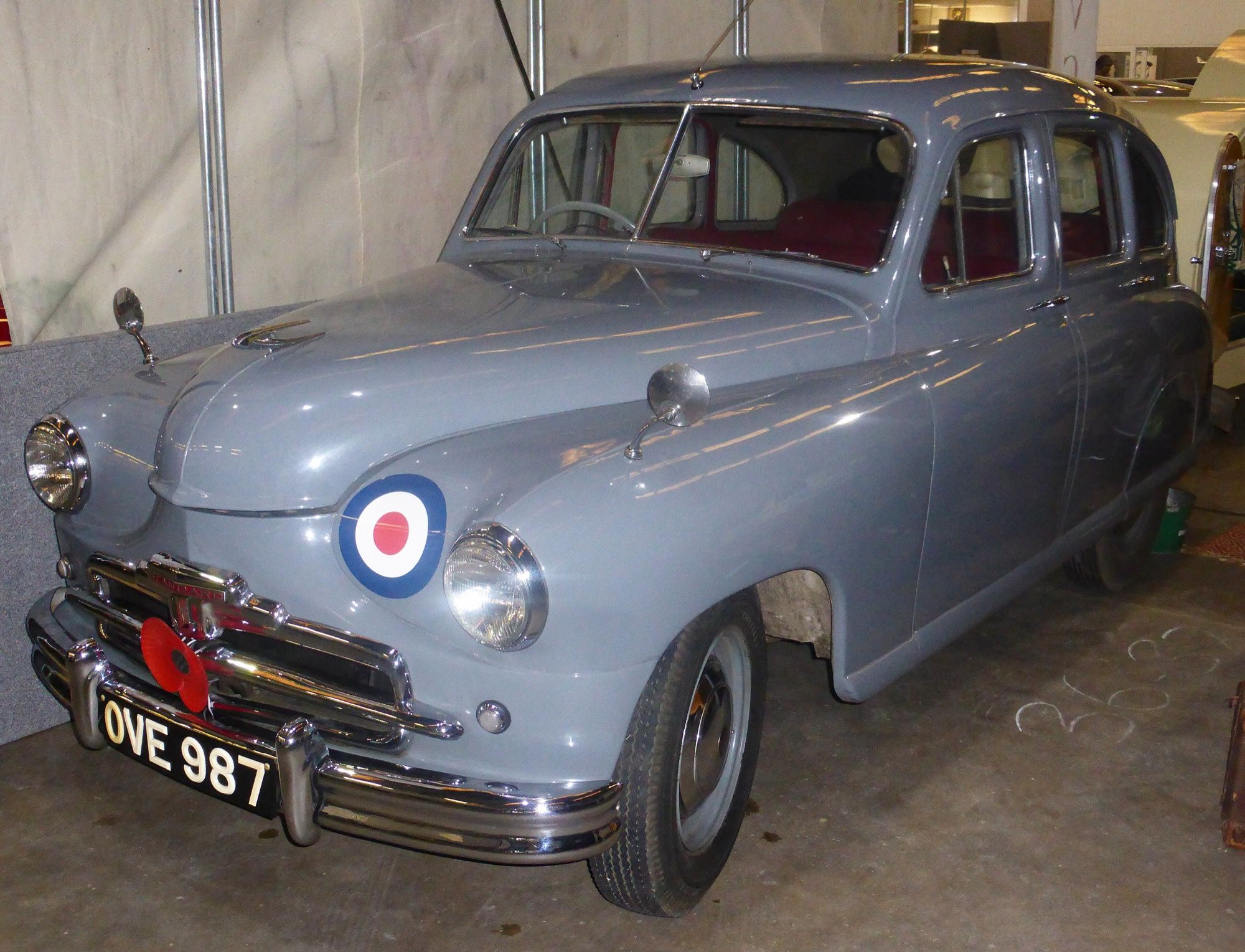
Standard Vanguard History
Standard's landmark post-war saloon (1947–1963) — Britain's first all-new post-WWII design from a major maker, whose 2.1-litre engine also powered Ferguson tractors and Triumph TR sports cars.
Photo: “Standard Vanguard Phase 1A (1952) (49022996843).jpg” by Andrew Bone from Weymouth, England / Wikimedia Commons, licensed under CC BY 2.0
History
Announced in July 1947, the Standard Vanguard was the company's first post-war car and one of the first all-new British designs to appear after the Second World War, owing nothing to pre-war models. Its full-width, American-influenced 'beetle-back' body (styled by Walter Belgrove) and 2,088 cc overhead-valve four-cylinder engine let Standard rationalise its entire range around a single model aimed heavily at export markets.
That rugged 2.1-litre 'wet-liner' engine became one of Britain's most important post-war units: it powered the Ferguson TE20 tractor and, in tuned form, the Triumph TR2/TR3 sports cars, as well as the Vanguard itself. The car evolved through the separate-chassis Phase I (1947–1953), the Phase II (1953–1955), and the much lower, monocoque Phase III (1955–1958), restyled for 1958 by Giovanni Michelotti with Vignale.
A six-cylinder Vanguard Six (1,998 cc) was offered from 1961 to early 1963 after Leyland Motors took control of Standard-Triumph. Both the Vanguard and the related Ensign were replaced in 1963 by the Triumph 2000, and the Standard name disappeared from the British market after 60 years.
Generations
Phase I · Beetle-back
Photo: “Standard Vanguard Phase 1A (1952) (49022996843).jpg” by Andrew Bone from Weymouth, England / Wikimedia Commons, licensed under CC BY 2.0
The original full-width 'beetle-back' saloon on a separate chassis with the 2,088 cc OHV four; about 174,799 built before the Phase II restyle.
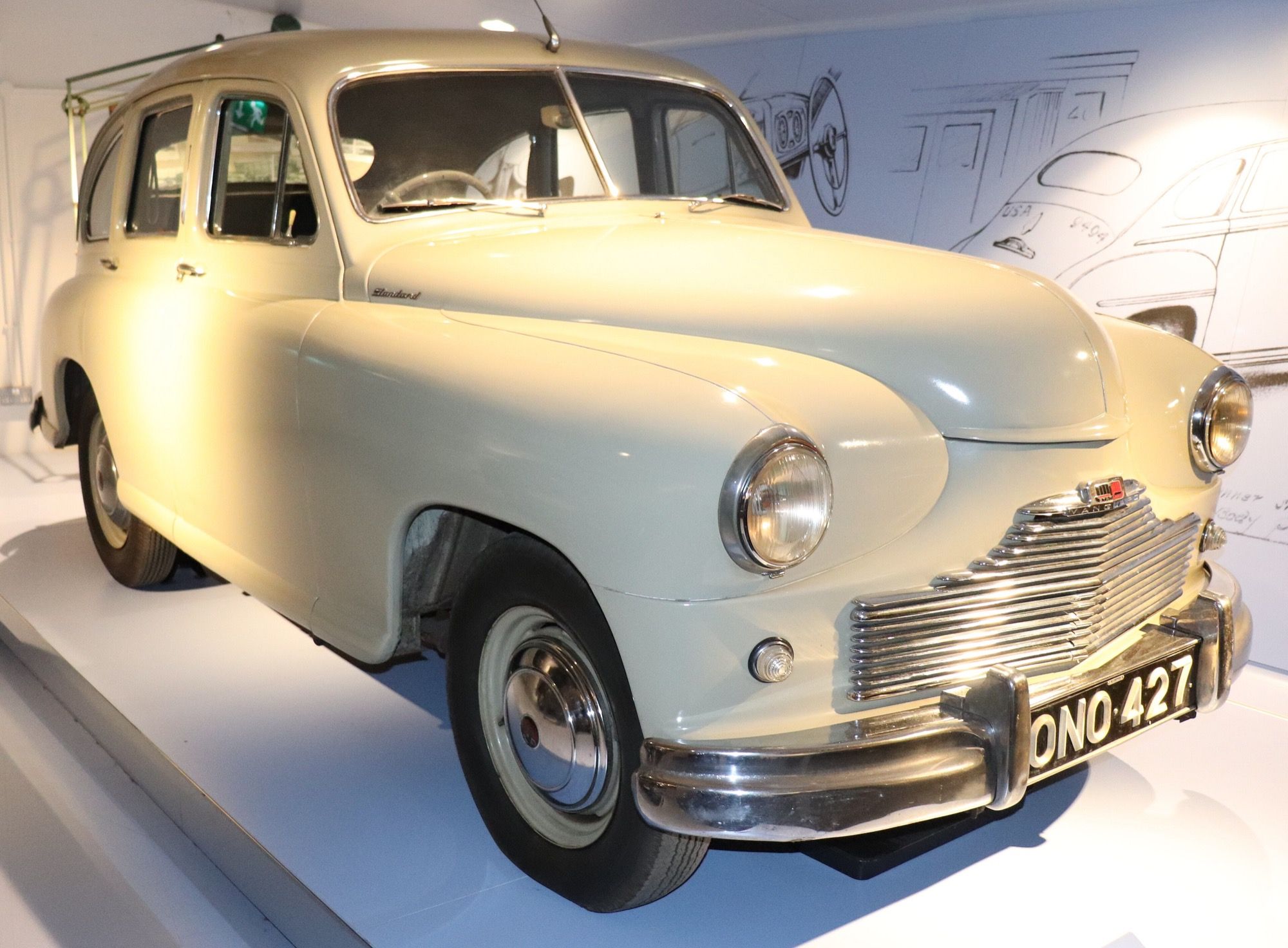
1948 Photo: “1948 Standard Vanguard 2.0 Front.jpg” by Vauxford / Wikimedia Commons, licensed under CC BY-SA 4.0
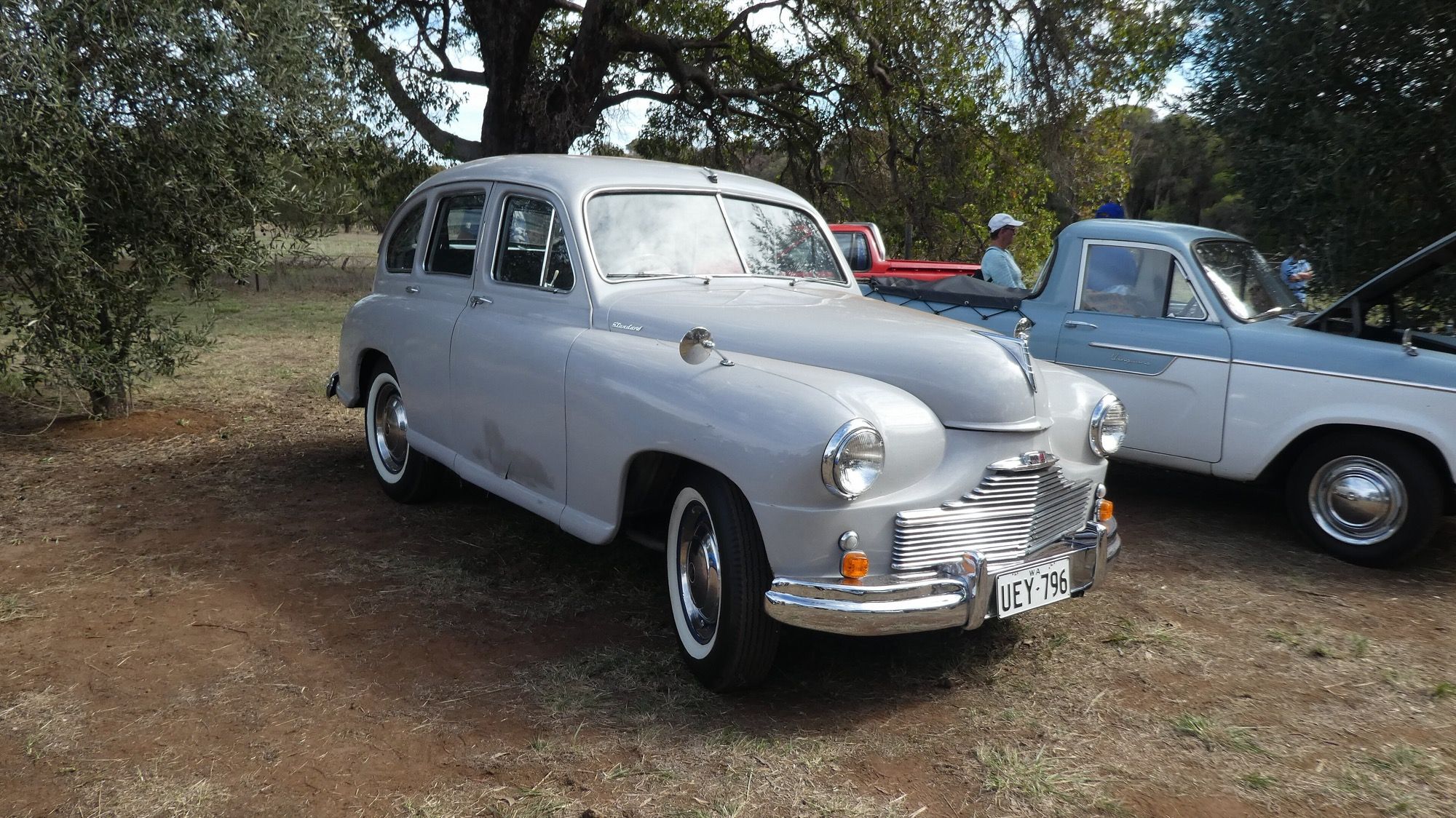
1949 Photo: “1949 Standard Vanguard Phase I UEY796 @ Granville Park,Gingin.jpg” by ZidaneHartono / Wikimedia Commons, licensed under CC BY-SA 4.0
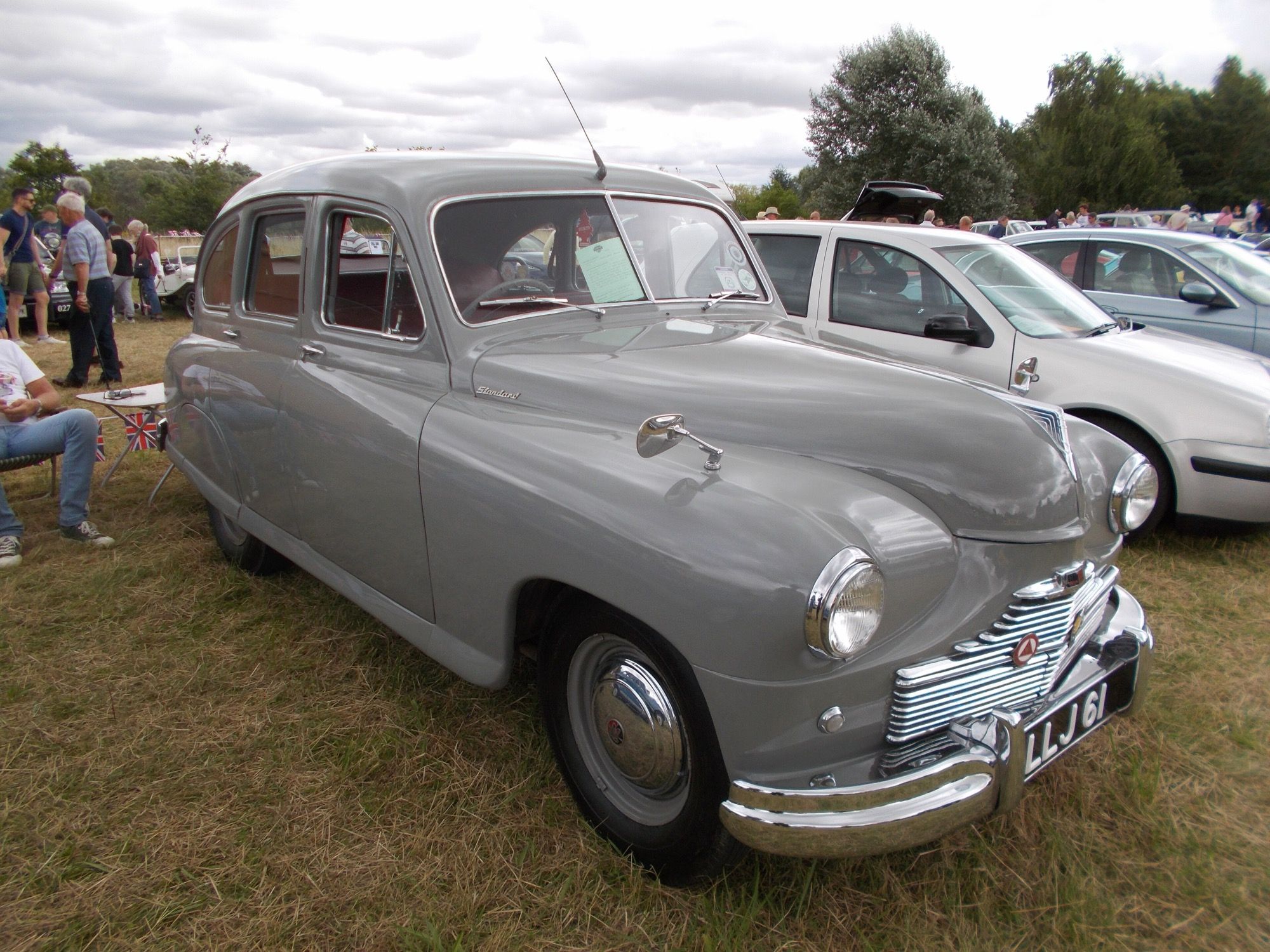
1951 Photo: “1951 Standard Vanguard at the Maxey Classic Car Show - August 2021 - geograph.org.uk - 6936223.jpg” by Paul Bryan / Wikimedia Commons, licensed under CC BY-SA 2.0
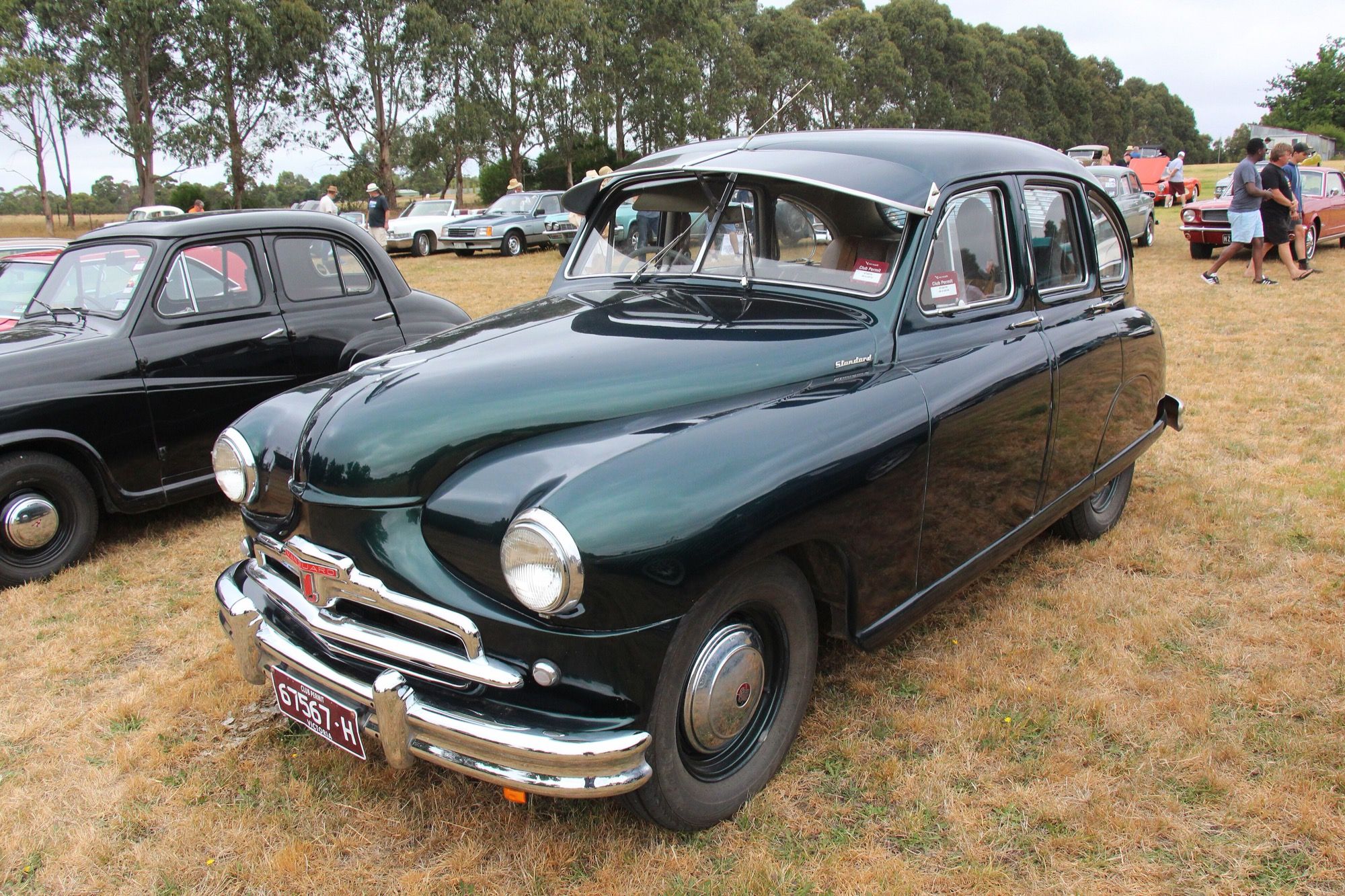
1952 Photo: “1952 Standard Vanguard Phase 1A Saloon (46009120475).jpg” by Sicnag / Wikimedia Commons, licensed under CC BY 2.0
Phase II · Notchback restyle
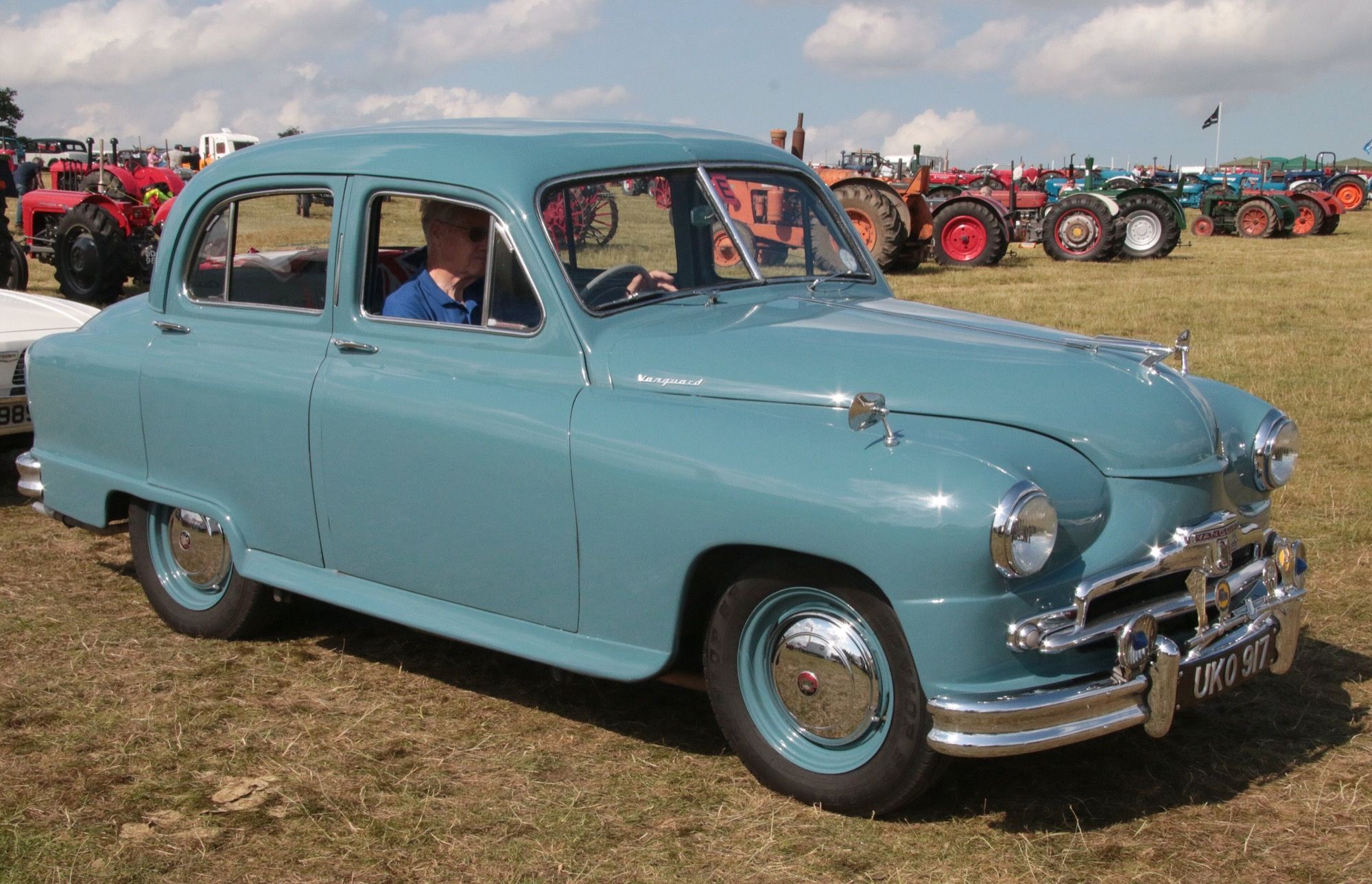
Photo: “UKO917 Standard Vanguard Phase II.jpg” by kitmasterbloke / Wikimedia Commons, licensed under CC BY 2.0
A reworked, more conventional notchback body on the same separate chassis and 2.1-litre engine; an estate and a diesel option were offered.
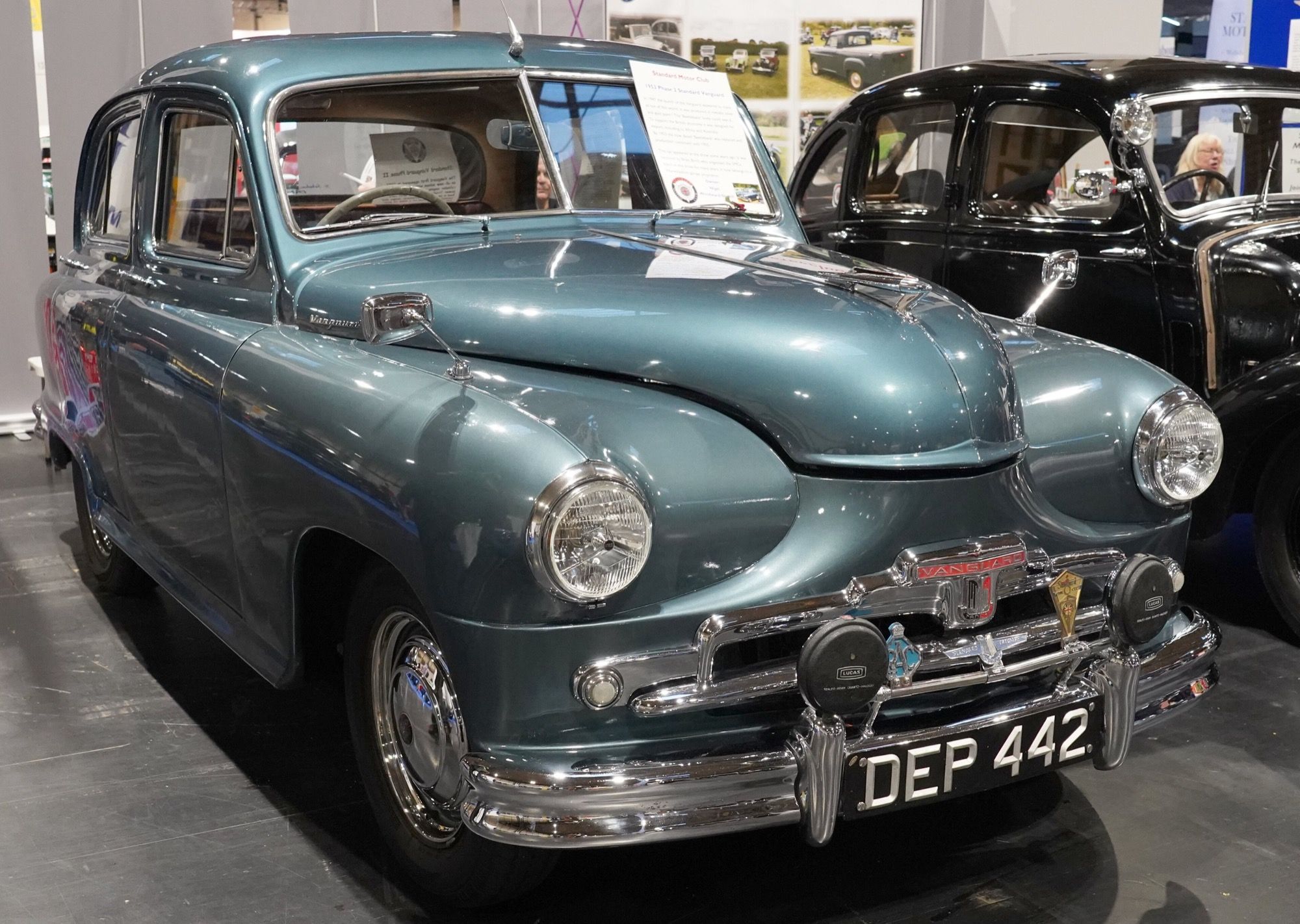
1953 Photo: “DEP442 1953 Standard Vanguard.jpg” by kitmasterbloke / Wikimedia Commons, licensed under CC BY 4.0
Phase III · Monocoque
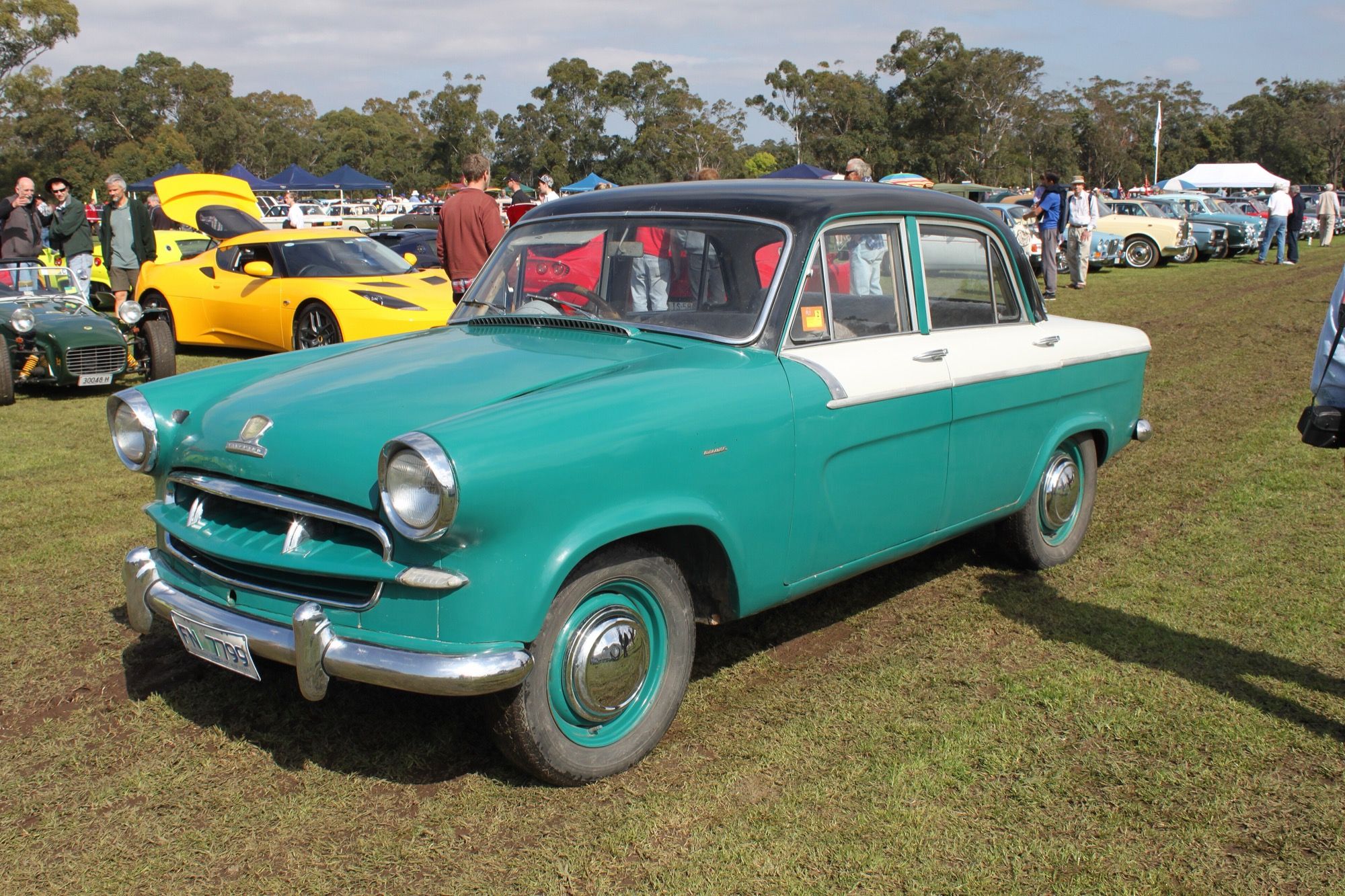
Photo: “Standard Vanguard Phase III (15733731208).jpg” by Jeremy from Sydney, Australia / Wikimedia Commons, licensed under CC BY 2.0
An all-new, much lower monocoque body abandoning the separate chassis; facelifted for 1958 by Michelotti and Vignale.
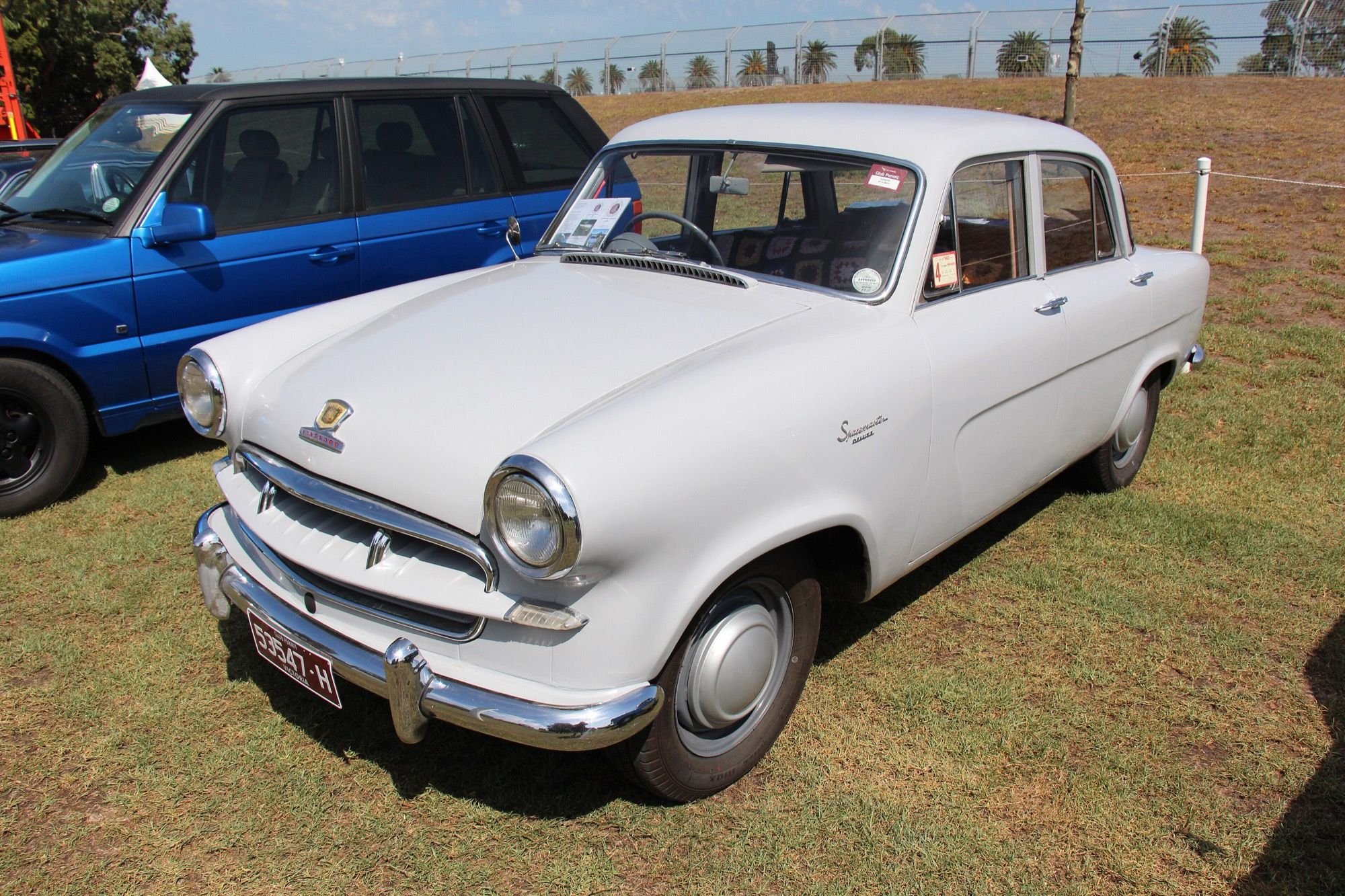
1956 Photo: “1956 Standard Vanguard Ph III Spacemaster Sedan (25405632063).jpg” by Sicnag / Wikimedia Commons, licensed under CC BY 2.0
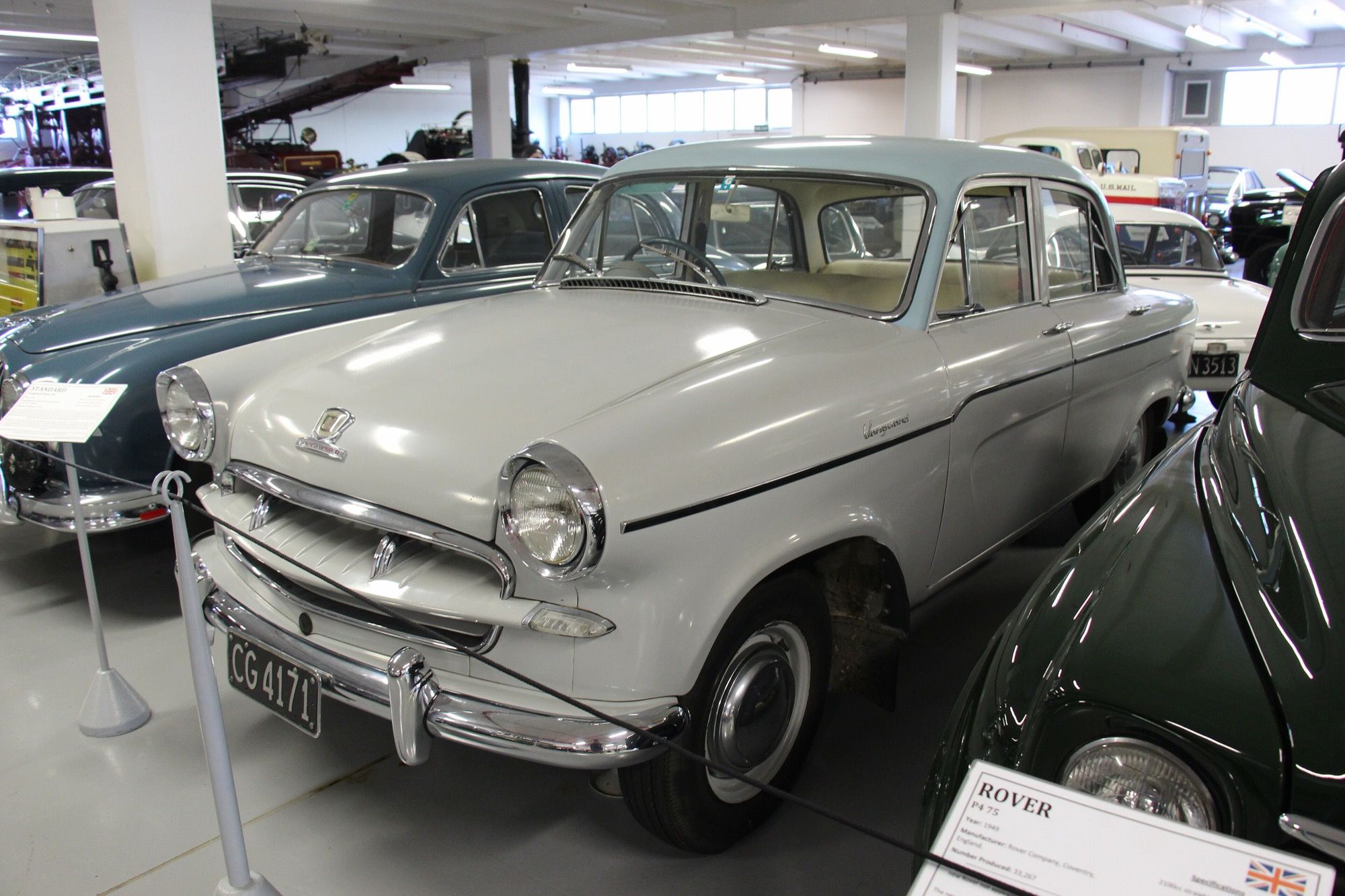
1957 Photo: “1957 Standard Vanguard Phase III Sedan (47957407787).jpg” by Sicnag / Wikimedia Commons, licensed under CC BY 2.0
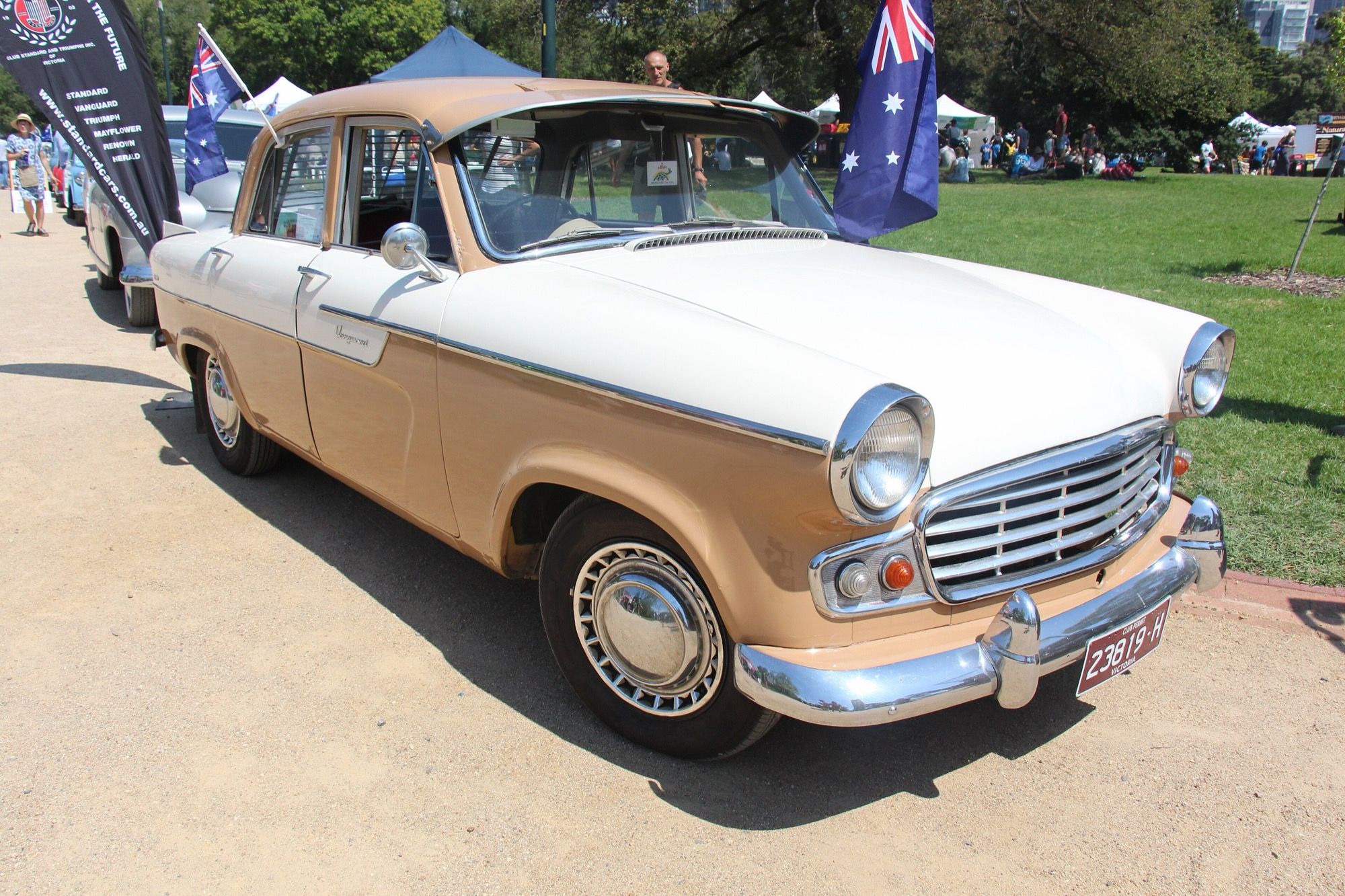
1958 Photo: “1958 Standard Vanguard Vignale Saloon (24326384340).jpg” by Sicnag / Wikimedia Commons, licensed under CC BY 2.0
Vanguard Six · Six-cylinder
The final Vanguard, with a 1,998 cc six-cylinder engine, sold under Leyland ownership until replaced by the Triumph 2000 in 1963.
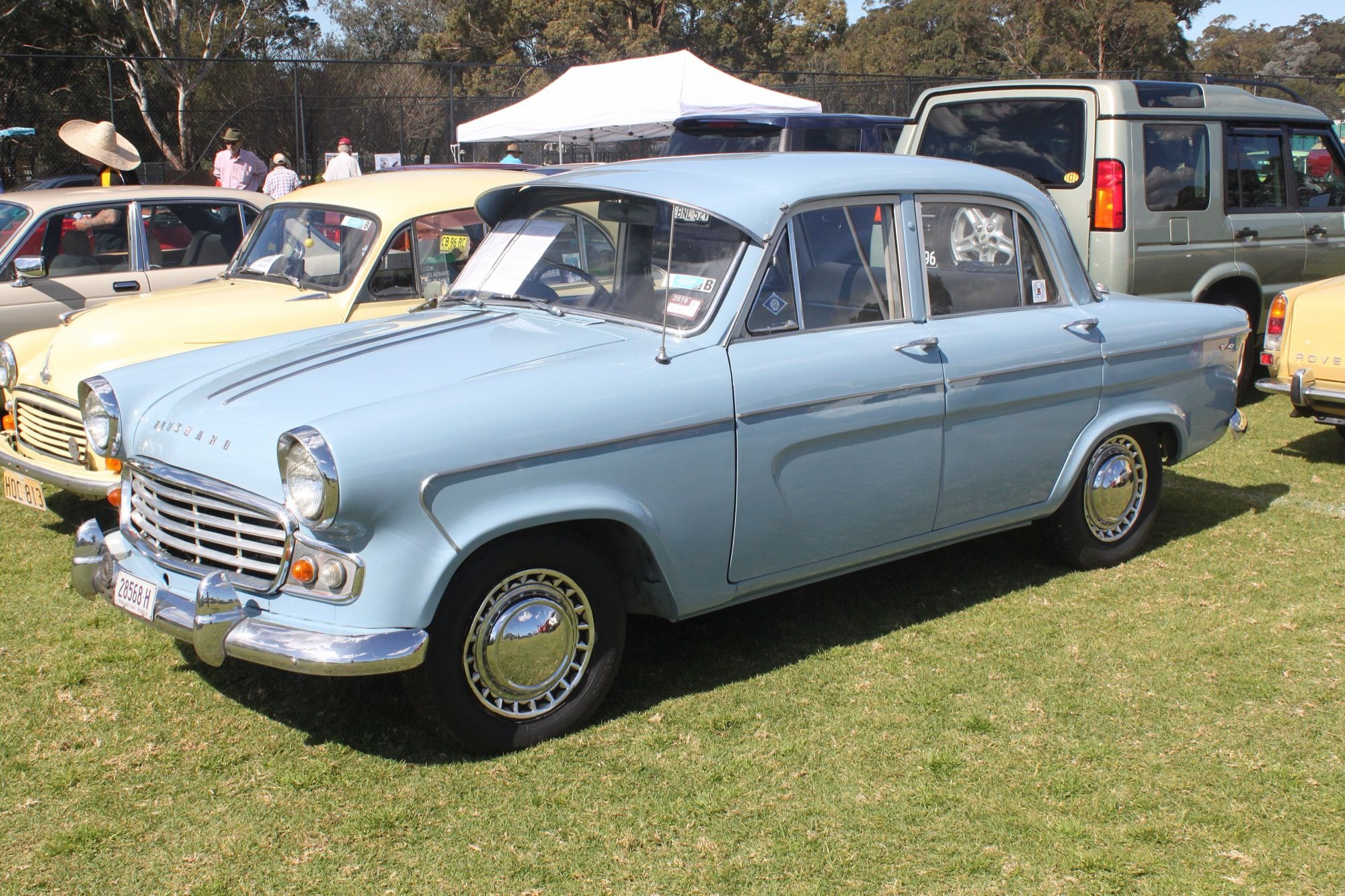
1962 Photo: “1962 Standard Vanguard Six (22033100295).jpg” by Jeremy from Sydney, Australia / Wikimedia Commons, licensed under CC BY 2.0
Body styles
- Saloon
- Estate
- Pickup
Notable special editions & performance variants
Vanguard Sportsman
A higher-performance, better-trimmed Phase III with a twin-carburettor version of the 2.1-litre engine; originally planned as a Triumph.
Related models
Collect the nameplate
Find a scale model of the Standard Vanguard
Search Amazon across available years, colors, and scales. Exact releases vary, so confirm the listing before ordering.