
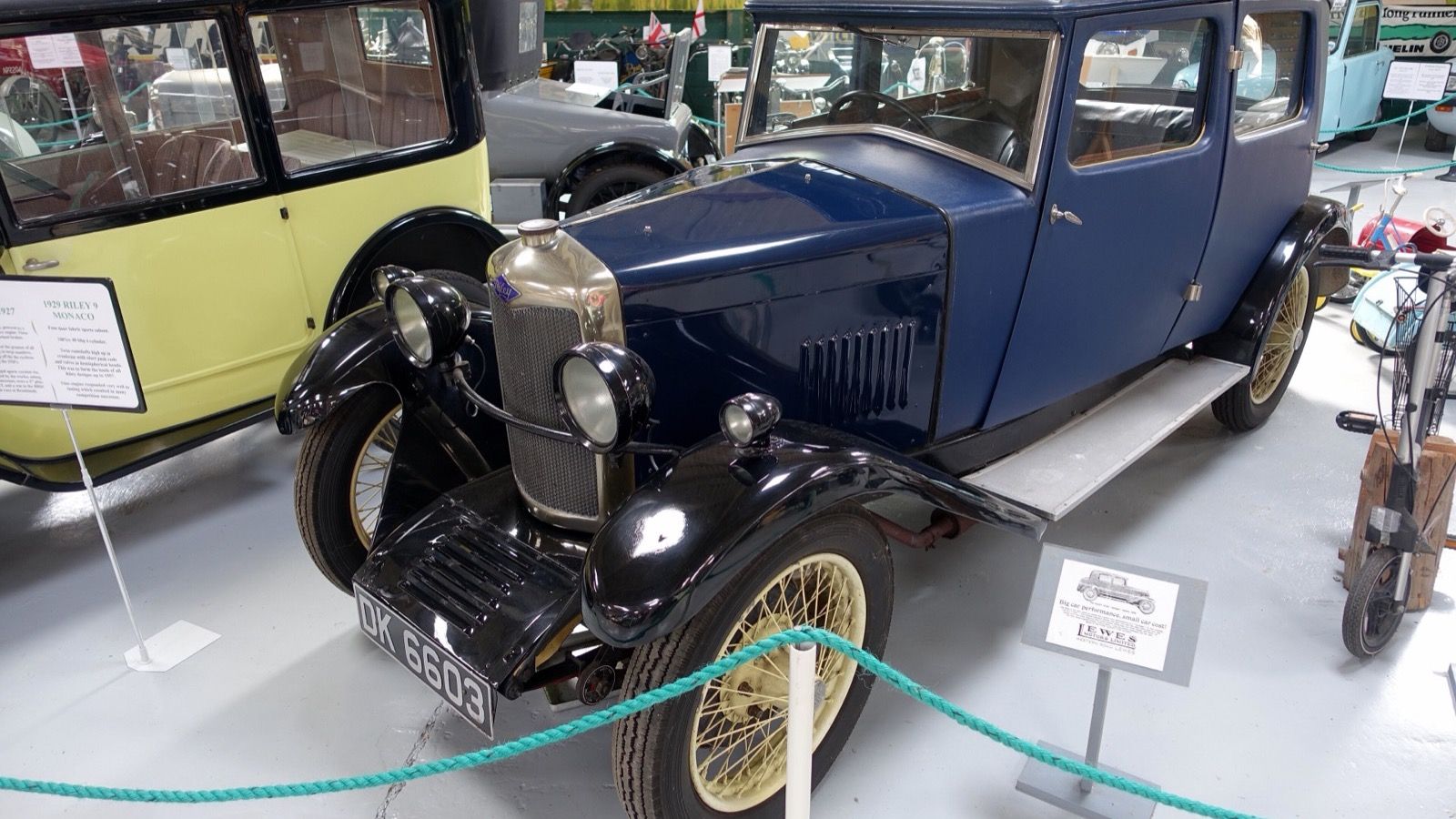
Riley Nine History
Riley's landmark small car (1926–1938) — Percy Riley's hemi-head high-camshaft engine in saloons, tourers and the racing Brooklands.
Photo: “Riley 9 Monaco 1929 - Bentley Wildfowl and Motor Museum - Halland, East Sussex, England - DSC05790” by Daderot / Wikimedia Commons — CC0 1.0. Cropped to 16:9.
History
Launched in July 1926, the Riley Nine was largely the work of two of the Riley brothers — Stanley designed the chassis, suspension and body, and the older Percy designed the engine. Its 1,087 cc four-cylinder unit had hemispherical combustion chambers with valves inclined at 45 degrees in a crossflow head, operated from two camshafts mounted high in the crankcase via short pushrods — a design that gave it free-revving performance well ahead of typical small cars of the day, and which underpinned Riley engines for decades.
At launch two bodies were offered: a fabric-bodied saloon called the Monaco and a four-seat fabric tourer. The range broadened steadily through the 1930s, with the Kestrel, Lynx and Falcon bodies all appearing in 1933. The Nine made Riley's reputation and was the basis of its competition cars.
The competition derivative, the Riley 9 Brooklands (built 1929–1932), was a low, lightweight two-seater developed with the help of J.G. Parry-Thomas and Reid Railton and named for Riley's racing success at the Brooklands circuit. Nine-based cars were giant-killers in 1930s racing and rallying.
Generations
Monaco / early bodies · Monaco saloon & tourer
Photo: “Riley 9 Monaco 1929 - Bentley Wildfowl and Motor Museum - Halland, East Sussex, England - DSC05790” by Daderot / Wikimedia Commons — CC0 1.0. Cropped to 16:9.
The original 1,087 cc high-camshaft Nine launched July 1926 as the fabric-bodied Monaco saloon and a four-seat tourer.
1929 Photo: “Riley 9 Monaco 1929 - Bentley Wildfowl and Motor Museum - Halland, East Sussex, England - DSC05790” by Daderot / Wikimedia Commons — CC0 1.0. Cropped to 16:9.
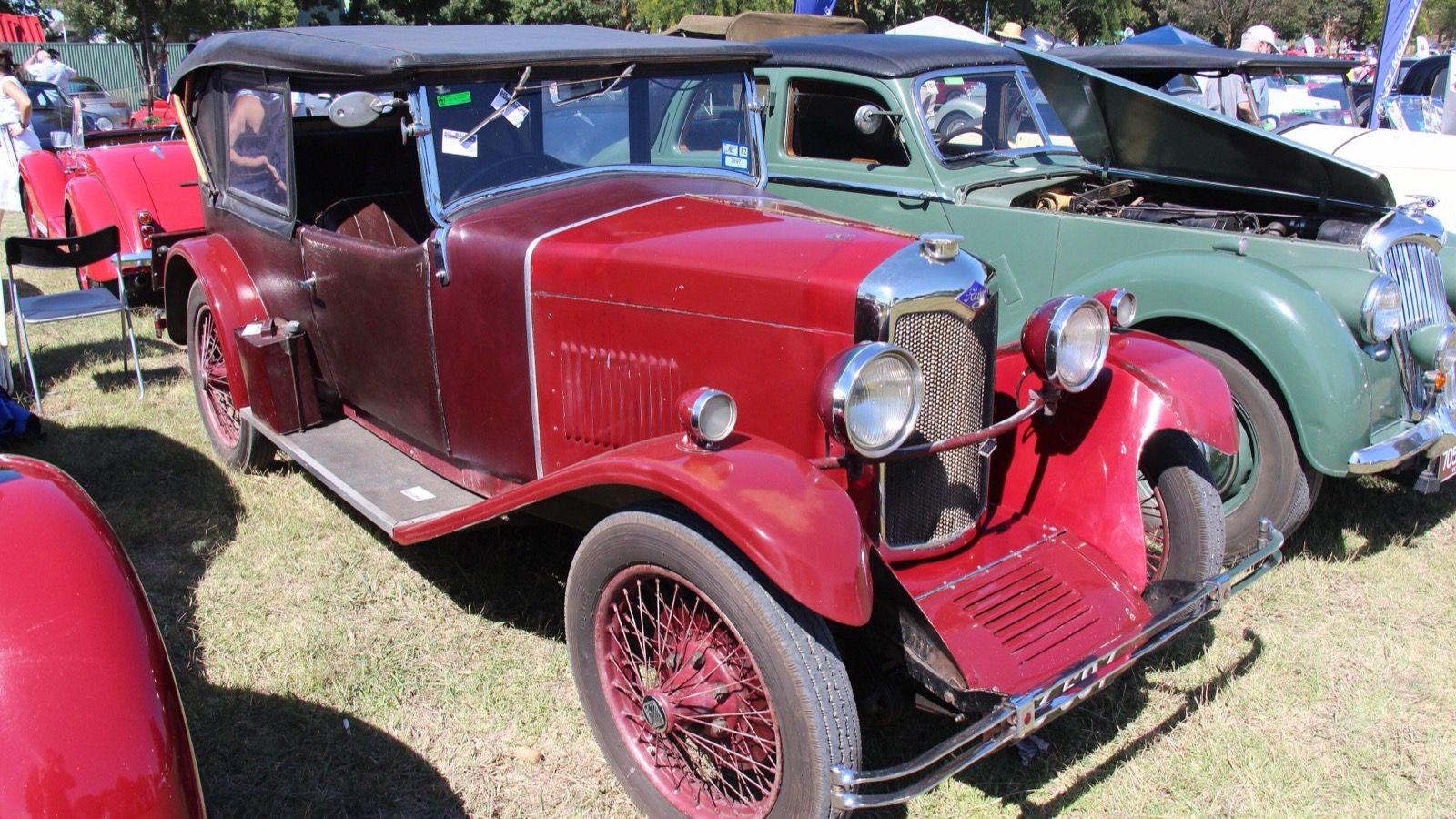
1930 Photo: “1930 Riley Nine Tourer (47588096981)” by Sicnag / Wikimedia Commons, licensed under CC BY 2.0. Cropped to 16:9.
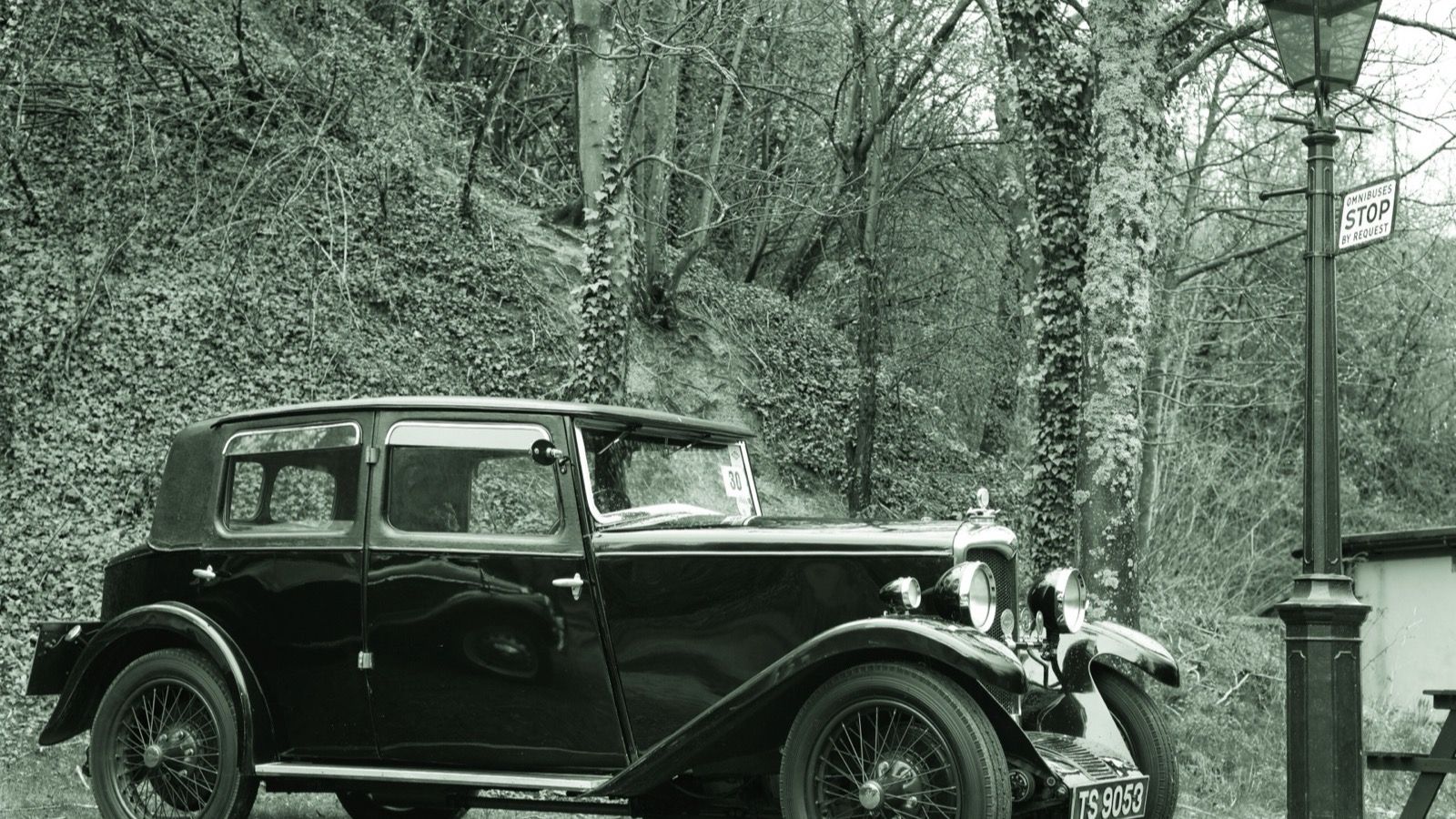
1931 Photo: “1931 Riley Nine Biarritz” by pyntofmyld / Wikimedia Commons, licensed under CC BY 2.0. Cropped to 16:9.
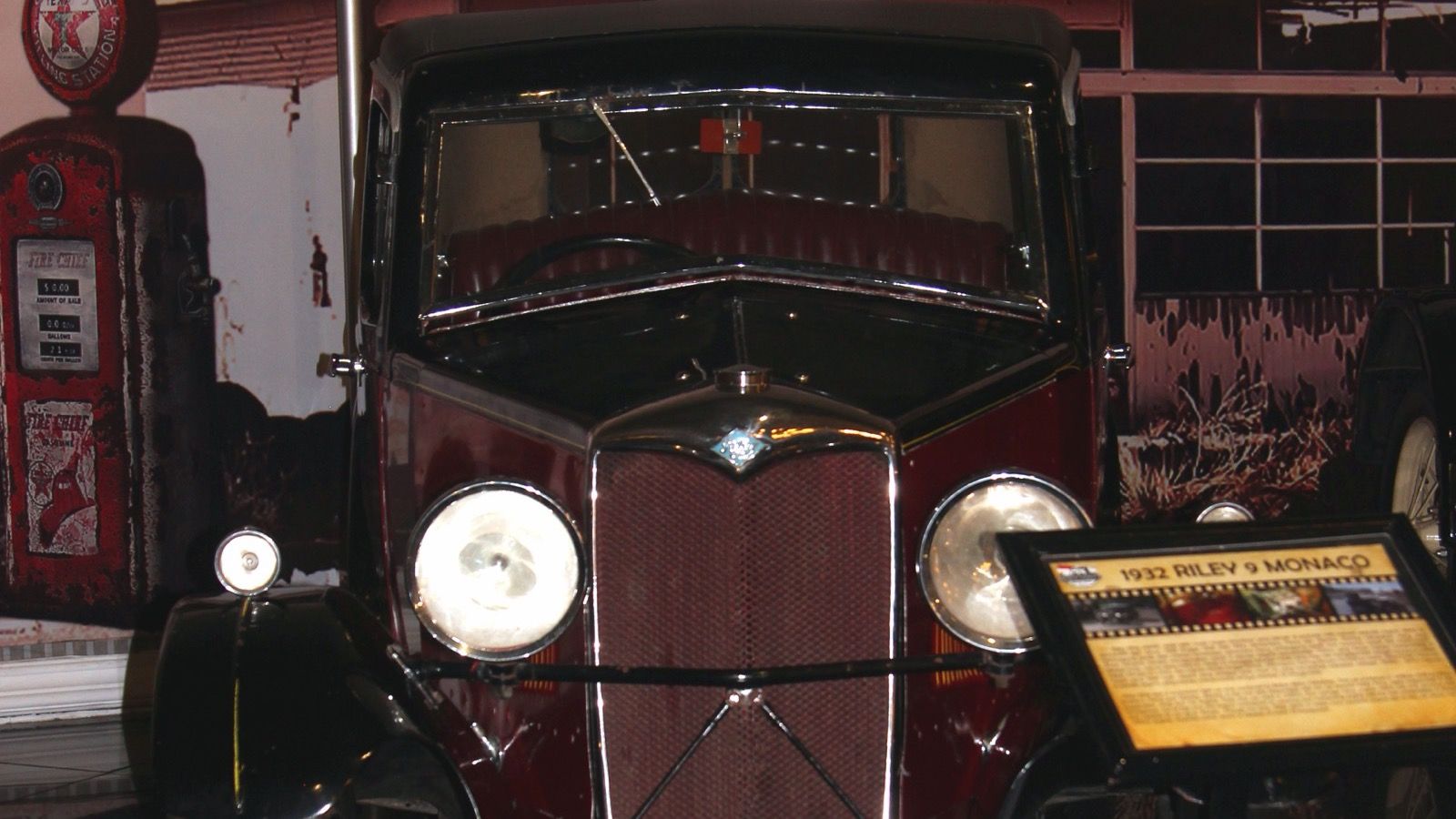
1932 Photo: “1932 Riley-9 Monaco ( 1098 cc ) (26947260195)” by Thank You (25 Millions ) views from Fresno, USA / Wikimedia Commons, licensed under CC BY 2.0. Cropped to 16:9.
Kestrel / Falcon era · 1930s body range
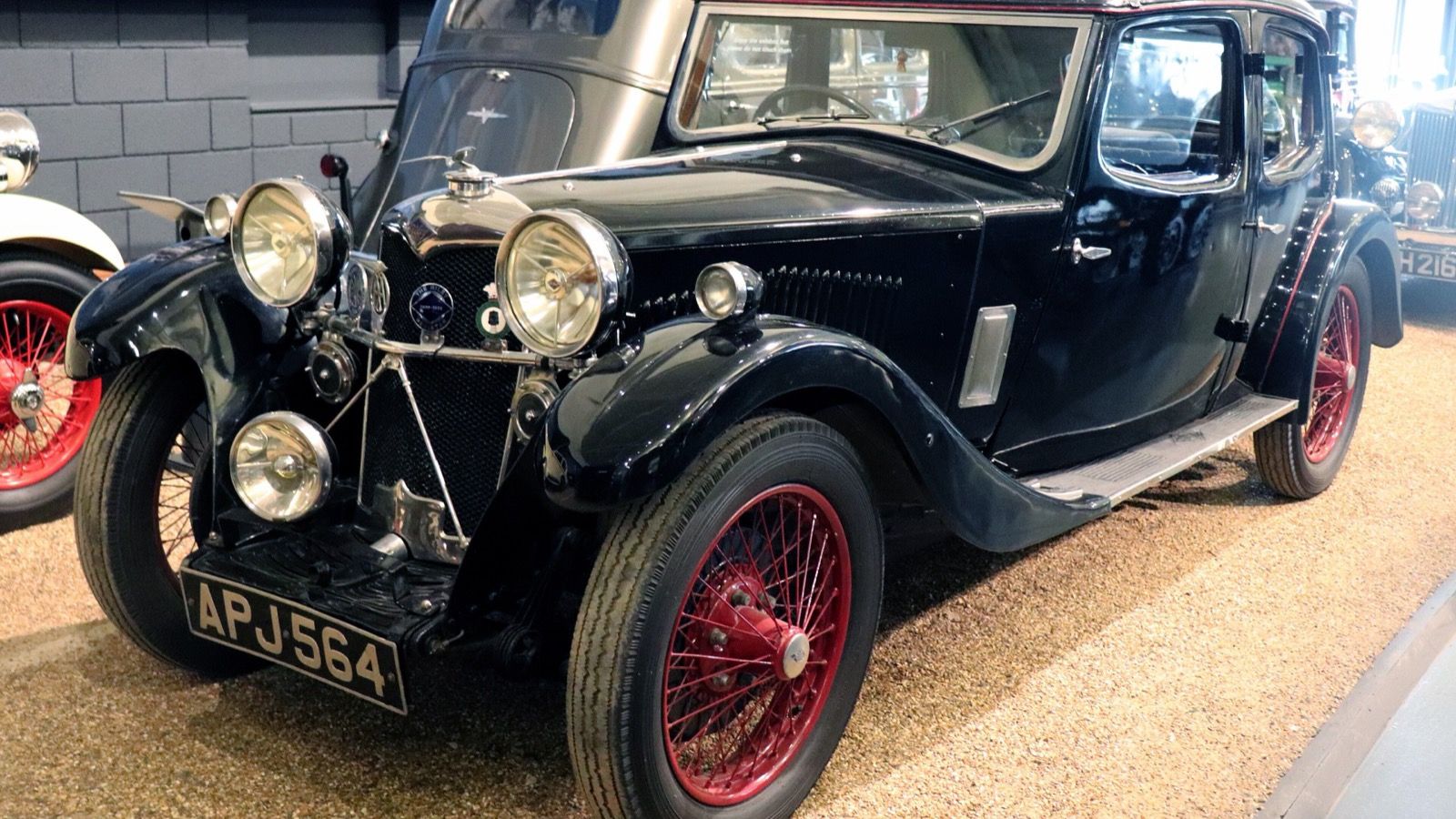
Photo: “1933 Riley Nine Kestrel 1.1 Front” by Vauxford / Wikimedia Commons, licensed under CC BY-SA 4.0. Cropped to 16:9.
The fuller 1930s line-up, with the Kestrel, Lynx and Falcon coachwork all introduced in the busy 1933 model year.
1933 Photo: “1933 Riley Nine Kestrel 1.1 Front” by Vauxford / Wikimedia Commons, licensed under CC BY-SA 4.0. Cropped to 16:9.
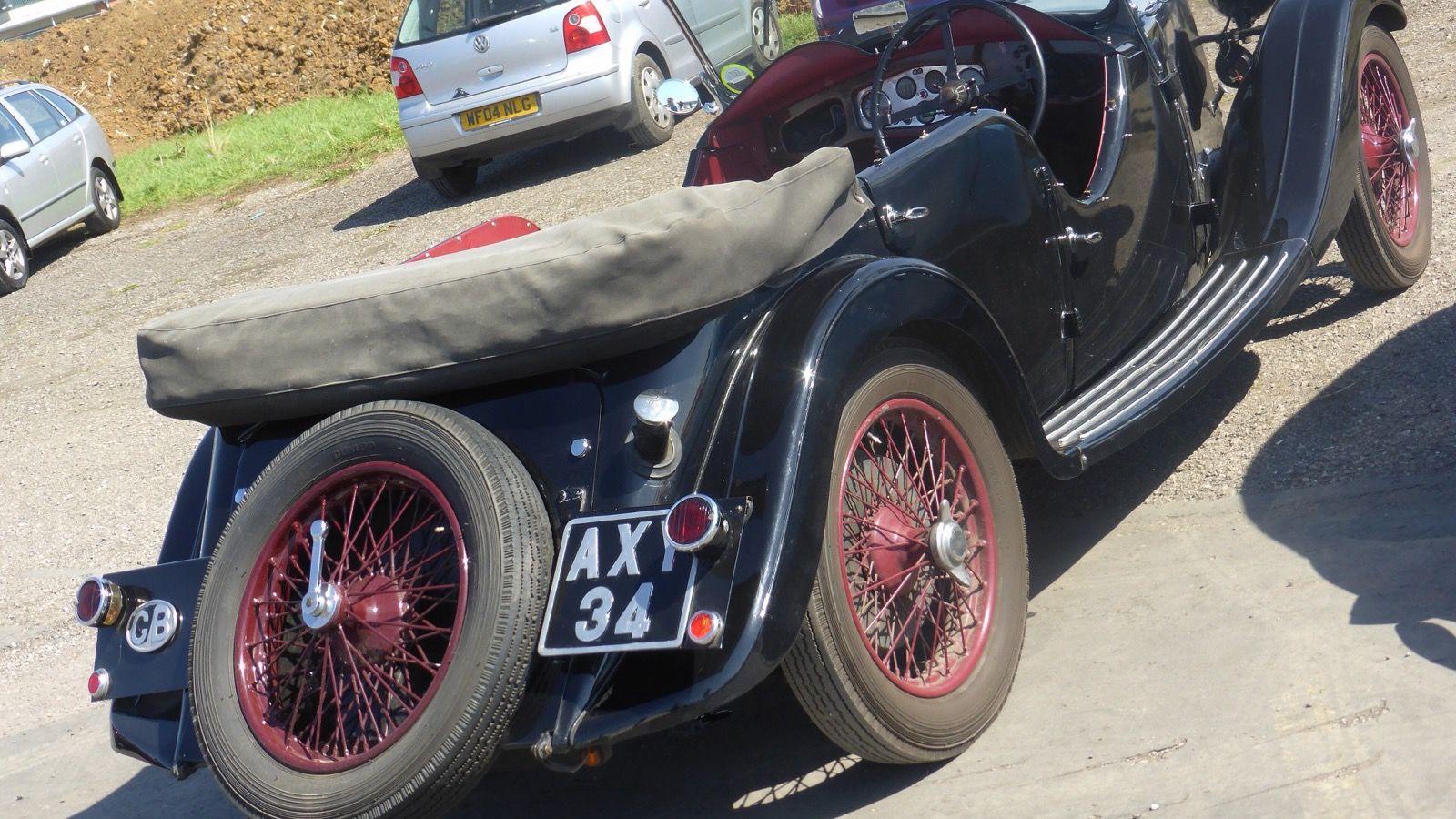
1934 Photo: “Riley Nine Lynx 4-seat Tourer (1934) (48660981912)” by Andrew Bone from Weymouth, England / Wikimedia Commons, licensed under CC BY 2.0. Cropped to 16:9.
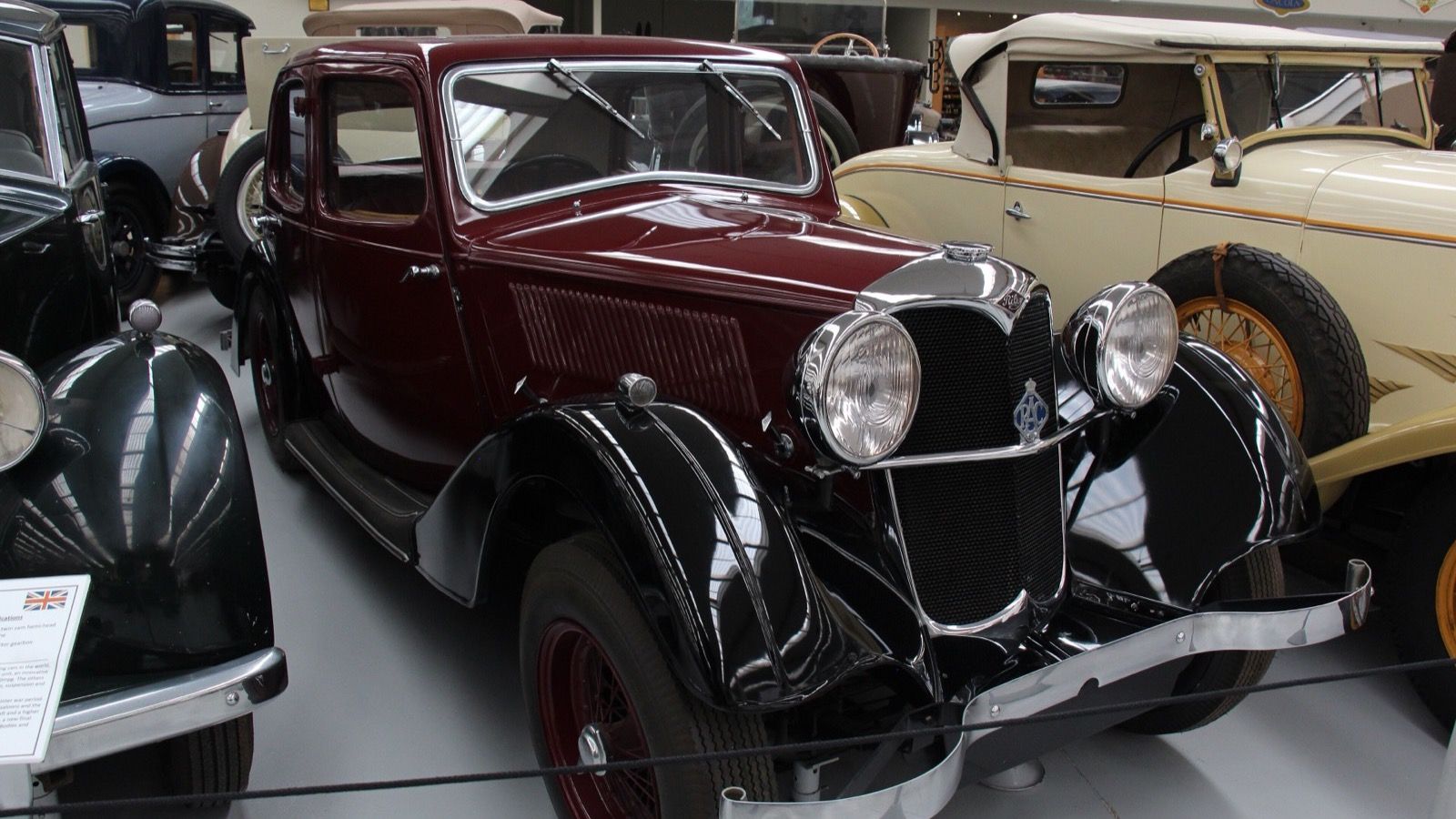
1936 Photo: “1936 Riley Nine Merlin Saloon (46409092214)” by Sicnag / Wikimedia Commons, licensed under CC BY 2.0. Cropped to 16:9.
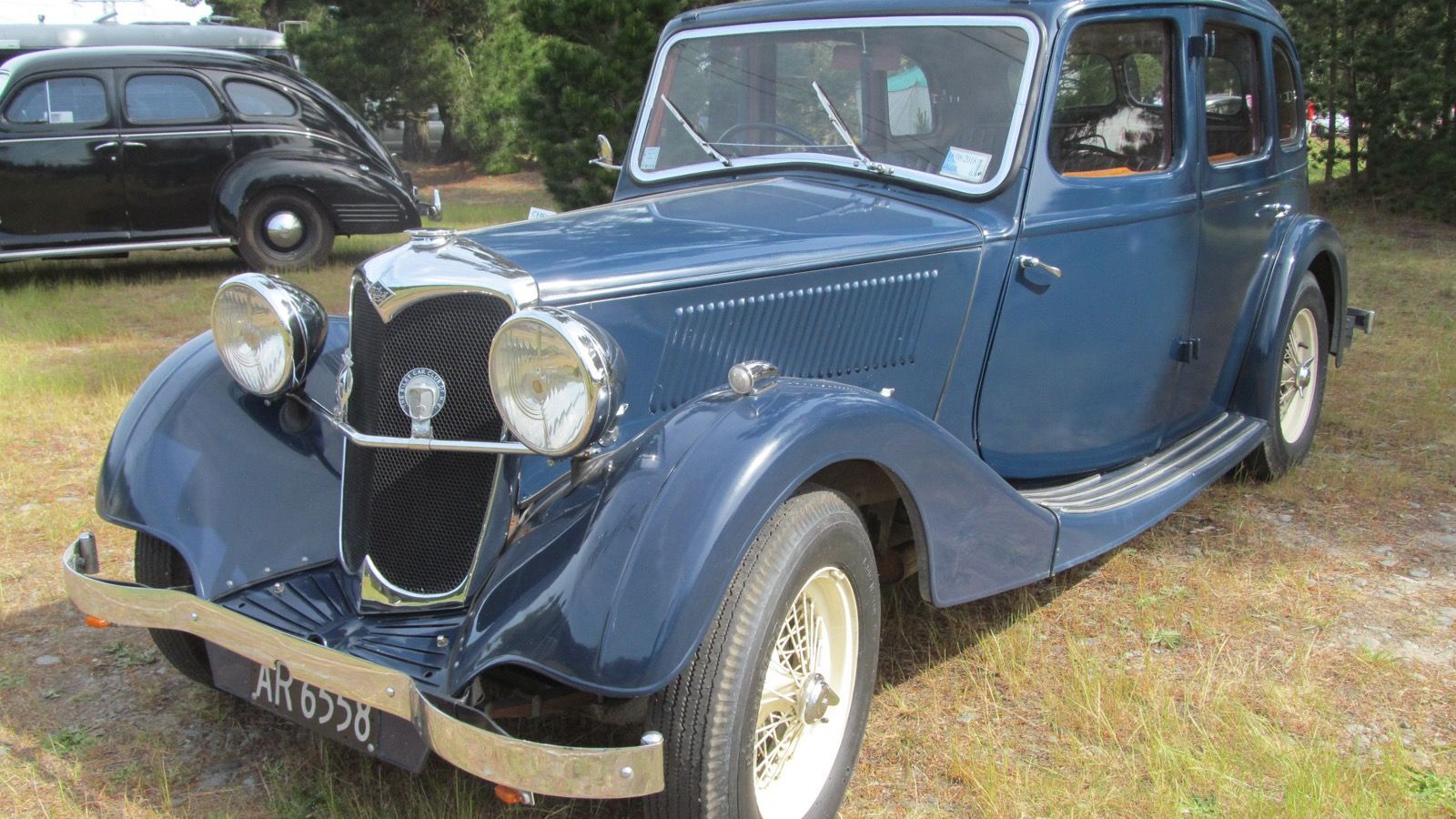
1937 Photo: “1937 Riley Nine” by NZ Car Freak / Wikimedia Commons, licensed under CC BY 2.0. Cropped to 16:9.
Body styles
- Saloon
- Tourer
- Two-seat sports
- Coupe
Notable special editions & performance variants
Riley 9 Brooklands
Low, lightweight two-seat racing/sports version developed with Parry-Thomas and Reid Railton; named for Riley's Brooklands racing successes and a 1930s competition giant-killer.
Monaco
The fabric-bodied saloon body offered from the Nine's 1926 launch — the model most associated with the car.
Related models
Collect the nameplate
Find a scale model of the Riley Nine
Search Amazon across available years, colors, and scales. Exact releases vary, so confirm the listing before ordering.