
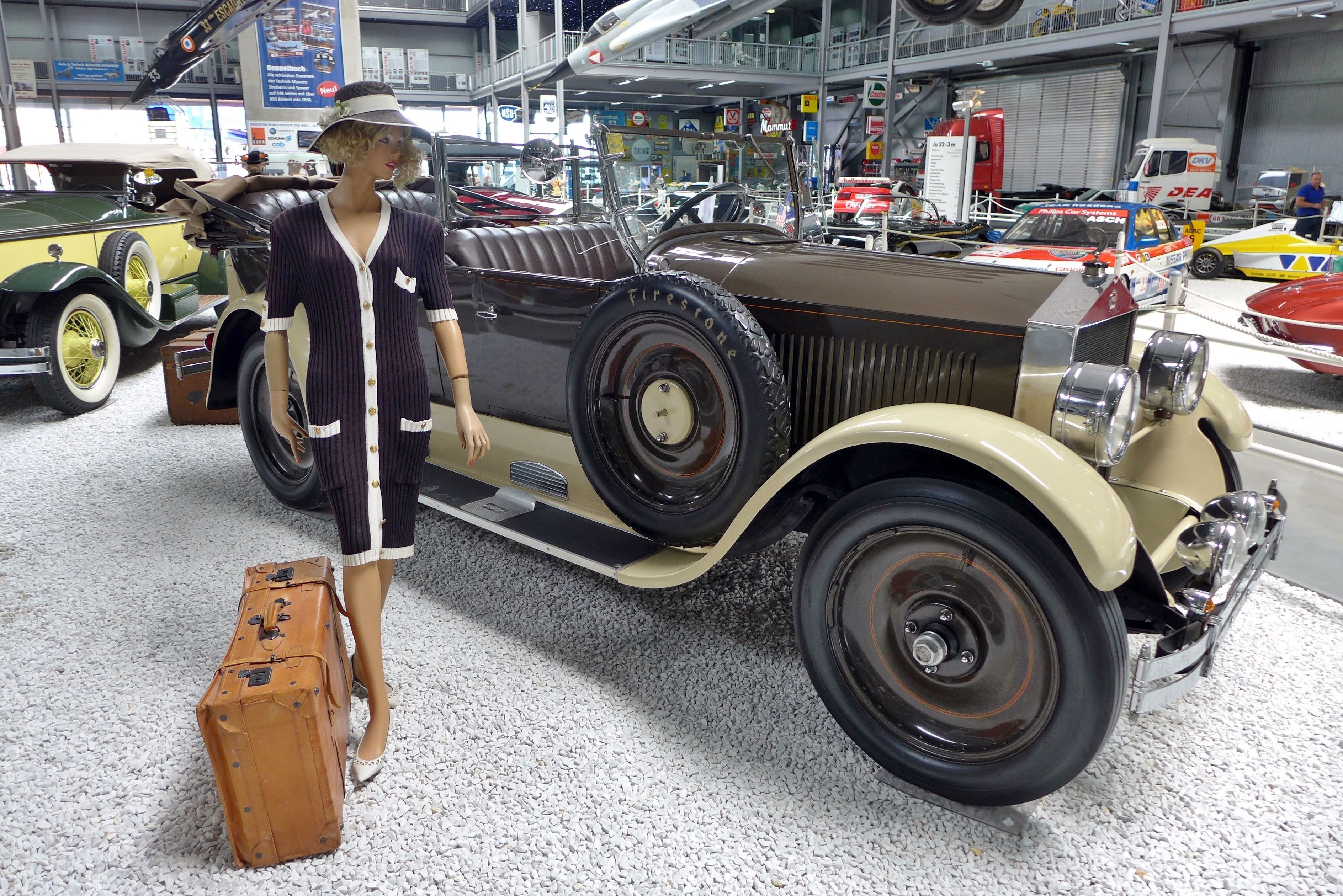
Moon Six History
Moon's six-cylinder line — the heart of the marque from the mid-1910s, sold by horsepower designations (6-40, 6-58, 6-66) and famed for its 1919 'Parthenon' radiator.
Photo: “File:1920 Moon 6-28, Speyer, 2014.JPG” by Bahnfrend / Wikimedia Commons, licensed under CC BY-SA 4.0
History
The six-cylinder Moon was the car that made the company's reputation. From 1916 Moon built sixes exclusively, selling them by horsepower-based designations — the 6-40, 6-48, 6-58, 6-66 and similar — all assembled around bought-in Continental engines and other proprietary components. Buyers knew Moon as a maker of solidly built, easily affordable mid-level cars that used high-quality parts, and the brand earned a venerable standing on that basis.
In 1919 Moon adopted a distinctive 'Parthenon' radiator shell, an upright classical grille that became the marque's signature styling cue and aped the fashionable look of far costlier cars. The sixes carried Moon through its most successful years: peak production came in 1925 at 10,271 vehicles, with prices then ranging from $1,195 to $2,540, and the company reported exporting to dozens of countries during the 1920s.
As the decade wore on, Moon added eights and reshuffled its names, and from April 1929 the entire output was rebranded as the Windsor — so the Moon-badged six effectively ended as the company entered its final, troubled phase.
Generations
Six-cylinder line · Moon Six (6-28 / 6-40 / 6-42)
Photo: “File:1920 Moon 6-28, Speyer, 2014.JPG” by Bahnfrend / Wikimedia Commons, licensed under CC BY-SA 4.0
Continental-engined sixes sold by horsepower designations (6-28, 6-40, 6-42, 6-58, 6-66); adopted the classical 'Parthenon' radiator in 1919 and carried Moon to its 1925 production peak.
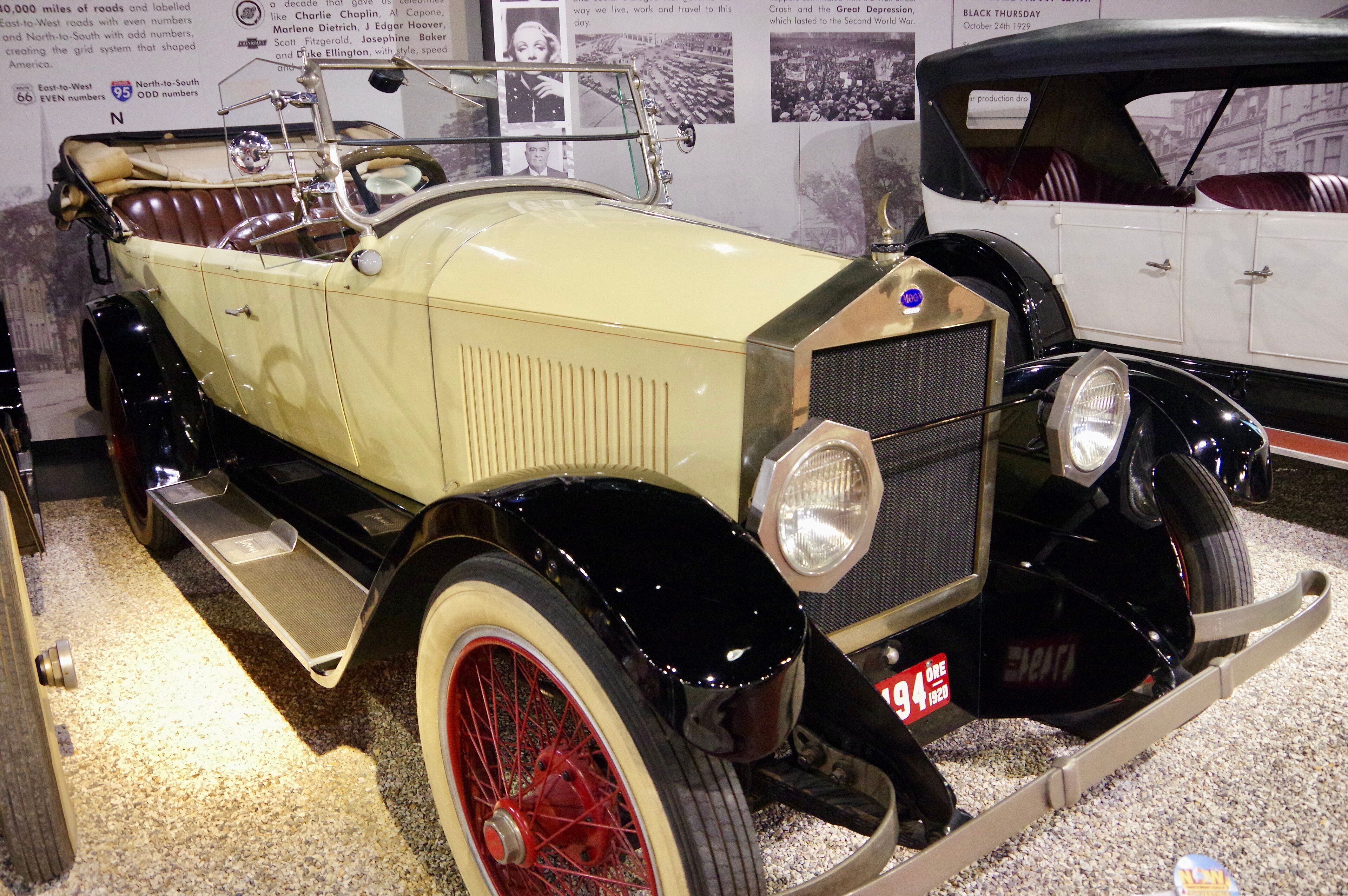
1920 Photo: “File:1920 Moon Model 6-42 Touring (53385596992).jpg” by David Merrett from Daventry, England / Wikimedia Commons, licensed under CC BY 2.0
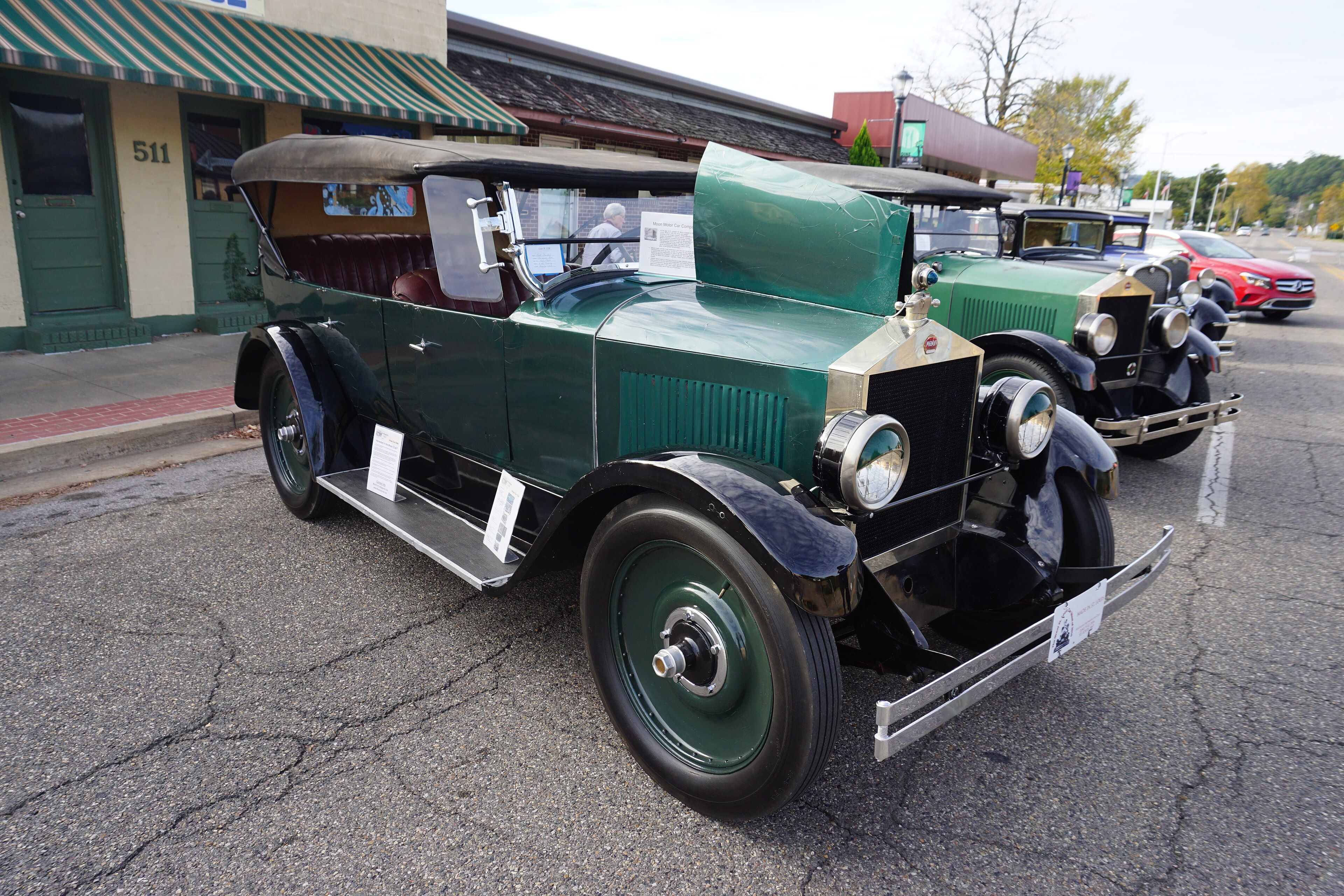
1923 Photo: “File:Mena November 2016 36 (1923 Moon 6-40).jpg” by Michael Barera / Wikimedia Commons, licensed under CC BY-SA 4.0
Body styles
- Touring
- Roadster
- Sedan
- Coupe
- Brougham
Related models
Collect the nameplate
Find a scale model of the Moon Six
Search Amazon across available years, colors, and scales. Exact releases vary, so confirm the listing before ordering.