
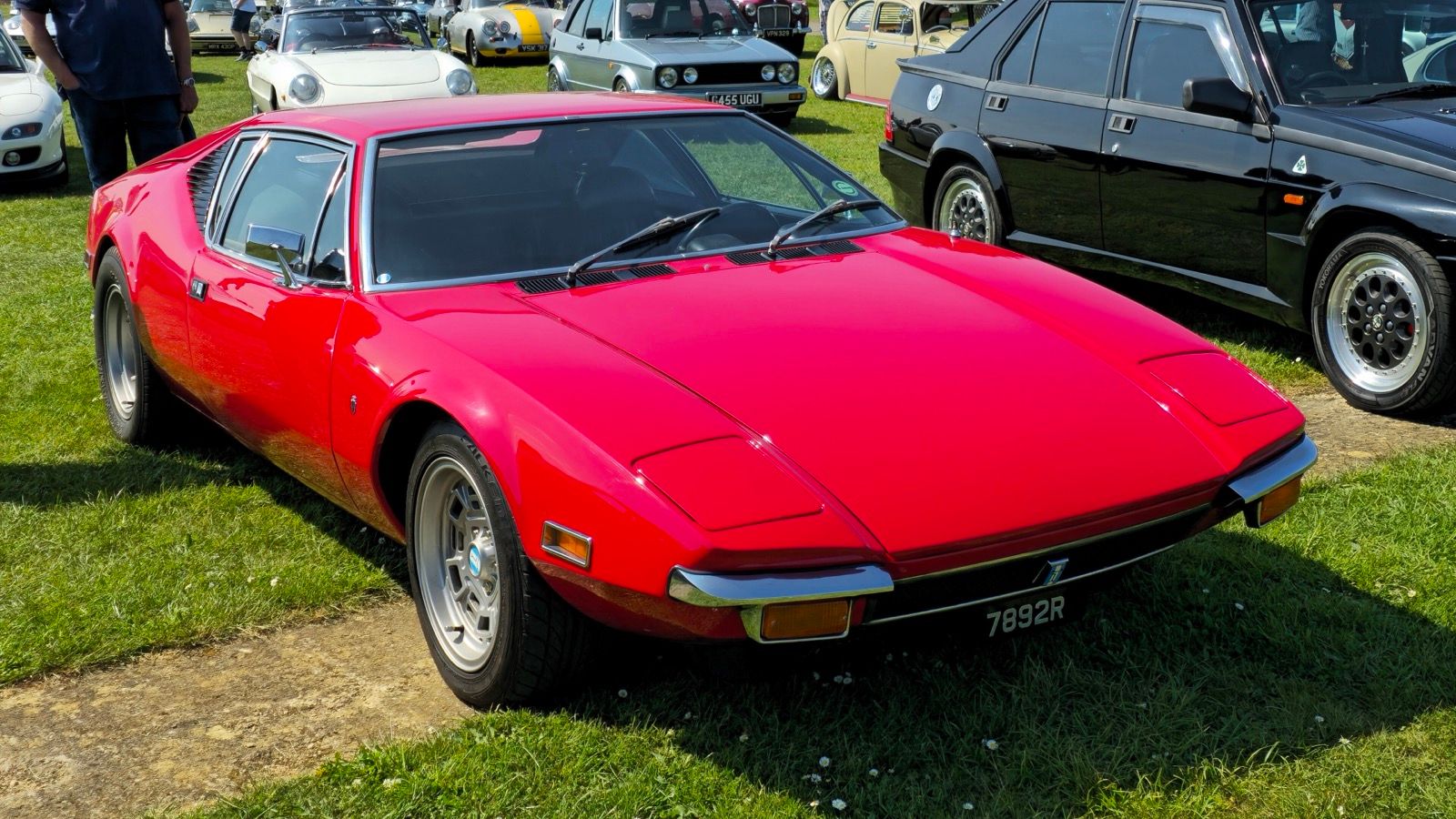
De Tomaso Pantera History
De Tomaso's masterpiece — a mid-engine Ford V8 supercar sold through US Lincoln-Mercury dealers, with over 7,000 built across a 21-year run.
Photo: “1971 De Tomaso Pantera” by Calreyn88 / Wikimedia Commons, licensed under CC BY-SA 4.0. Cropped to 16:9.
History
Unveiled at the 1970 New York Motor Show, the Pantera (Italian for 'panther') was a quantum leap over the Mangusta. Designed by American Tom Tjaarda at Ghia on a steel monocoque chassis — De Tomaso's first — it sat low and wide, powered by a mid-mounted Ford 351 Cleveland V8 rated initially at 330 hp. Ford saw an opportunity and signed a distribution deal: from 1972 Panteras were sold in the United States through Lincoln-Mercury dealers, making it one of the most accessible European supercars of its era, priced alongside a Corvette.
The Ford partnership collapsed after the 1973 oil crisis, with Ford exiting in 1974 after selling roughly 5,500 US-market cars. De Tomaso continued building the Pantera in much smaller numbers for Europe, evolving the design considerably. The GT5 (from 1980) added bonded fibreglass wheelarch extensions for a wider stance; the GT5-S (from 1984) blended the arches into the body for a cleaner wide-body look. The final Si variant of 1990–1992, produced in a run of just 41 cars, used a 305 hp Ford 5.0-litre V8.
Over its 21-year life more than 7,000 Panteras were built, making it the most numerous De Tomaso ever. Its Ford V8 soundtrack, mid-engine balance, and accessible performance have kept it among the most sought-after 1970s Italian-American supercars. Elvis Presley famously shot his with a pistol after it refused to start.
Generations
First generation (Ford era) · L / Pre-L
Photo: “1971 De Tomaso Pantera” by Calreyn88 / Wikimedia Commons, licensed under CC BY-SA 4.0. Cropped to 16:9.
US-market cars sold via Lincoln-Mercury dealers; 351 Cleveland V8, steel monocoque, approximately 5,500 sold in North America before Ford withdrew.
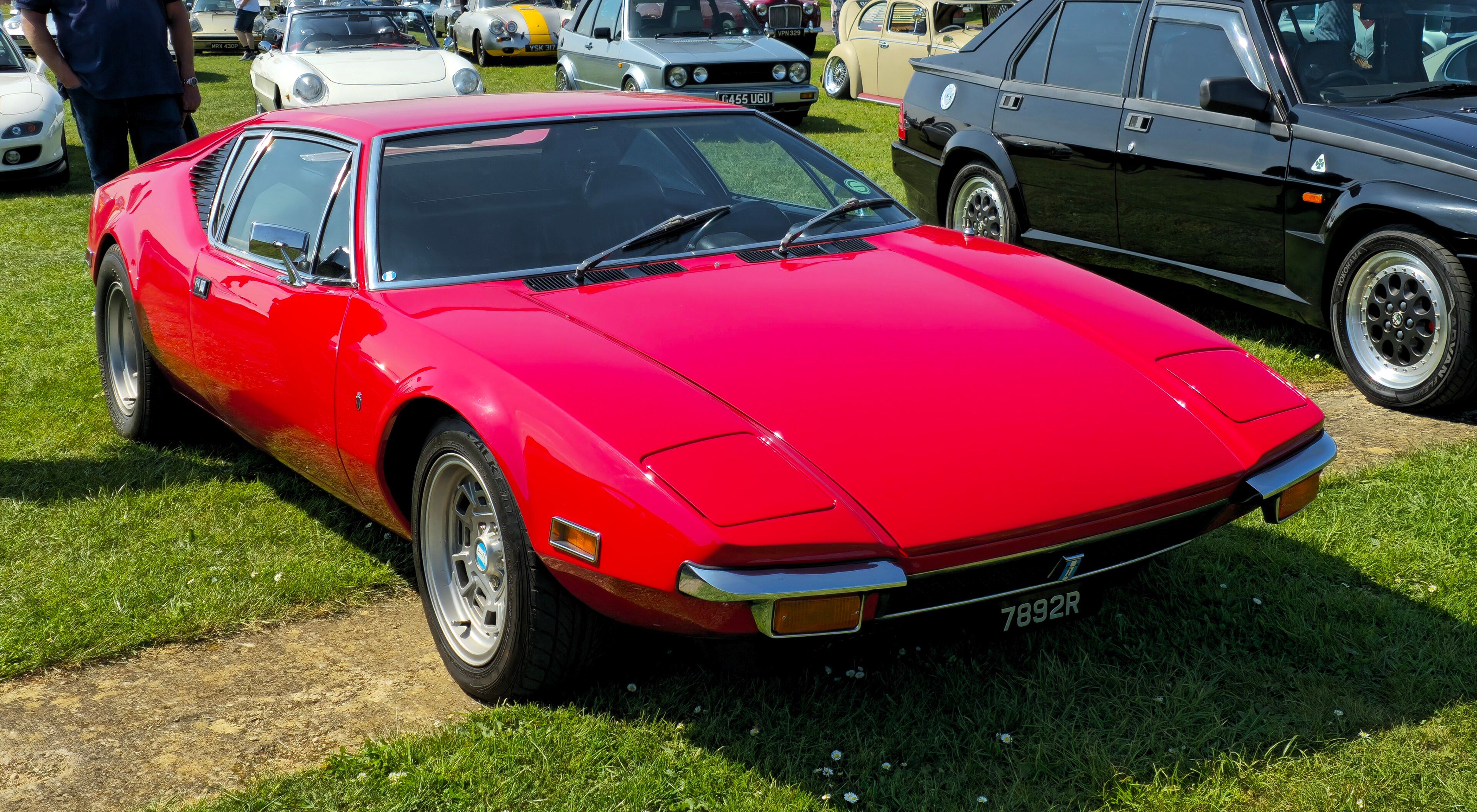
1971 Photo: “1971 De Tomaso Pantera” by Calreyn88 / Wikimedia Commons, licensed under CC BY-SA 4.0
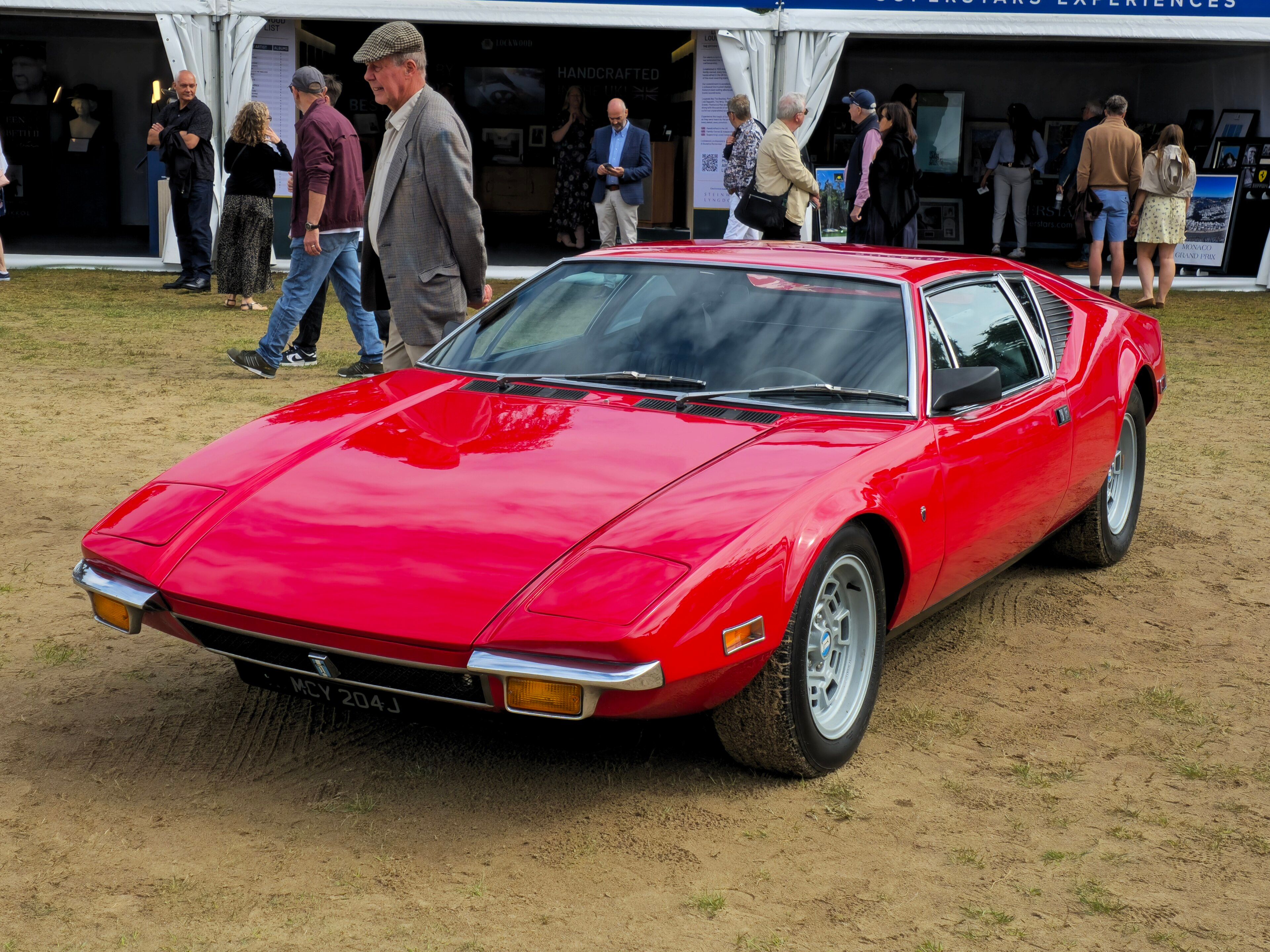
1972 Photo: “1972 De Tomaso Pantera” by Calreyn88 / Wikimedia Commons, licensed under CC BY-SA 4.0
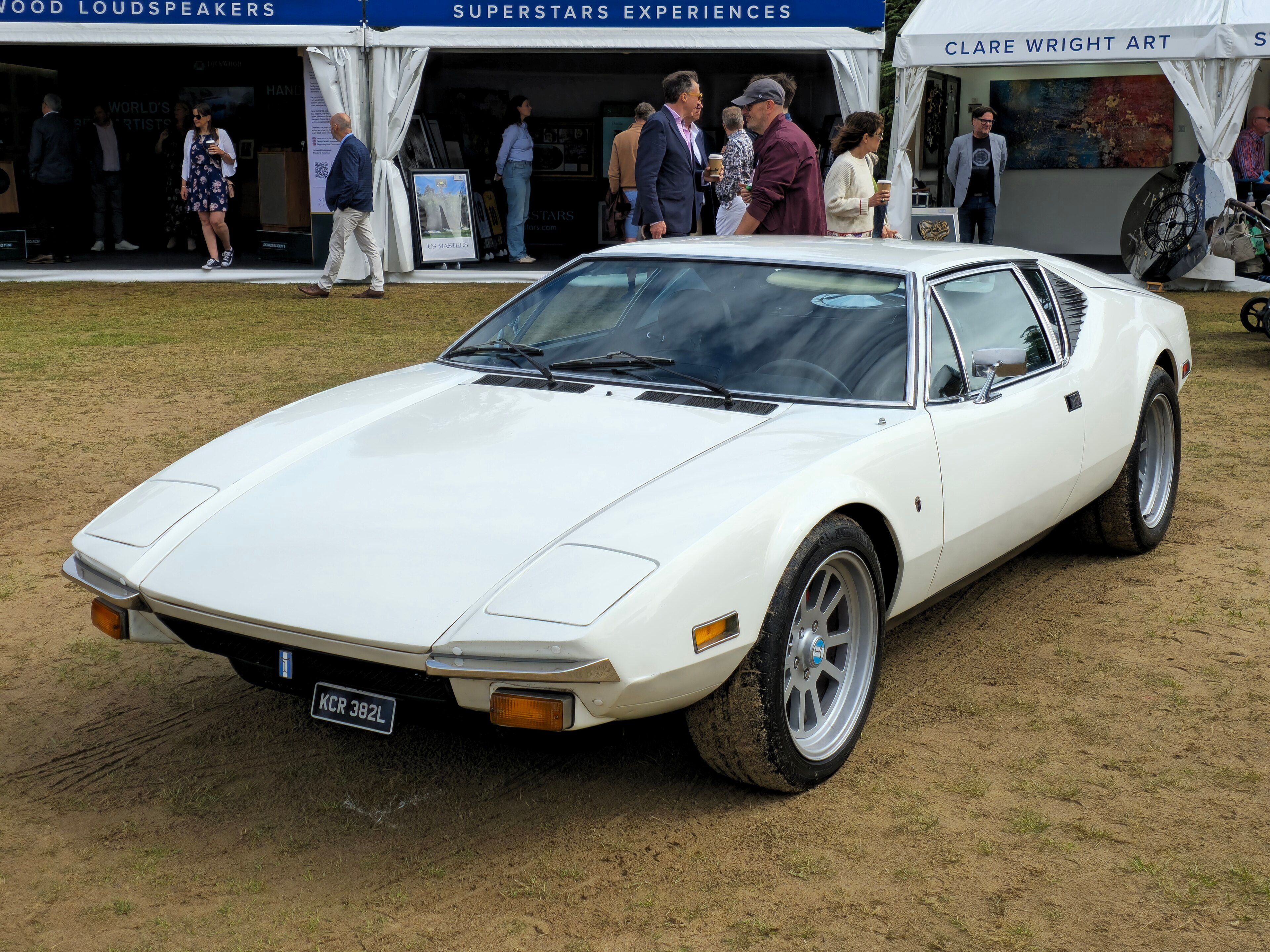
1973 Photo: “1973 De Tomaso Pantera” by Calreyn88 / Wikimedia Commons, licensed under CC BY-SA 4.0
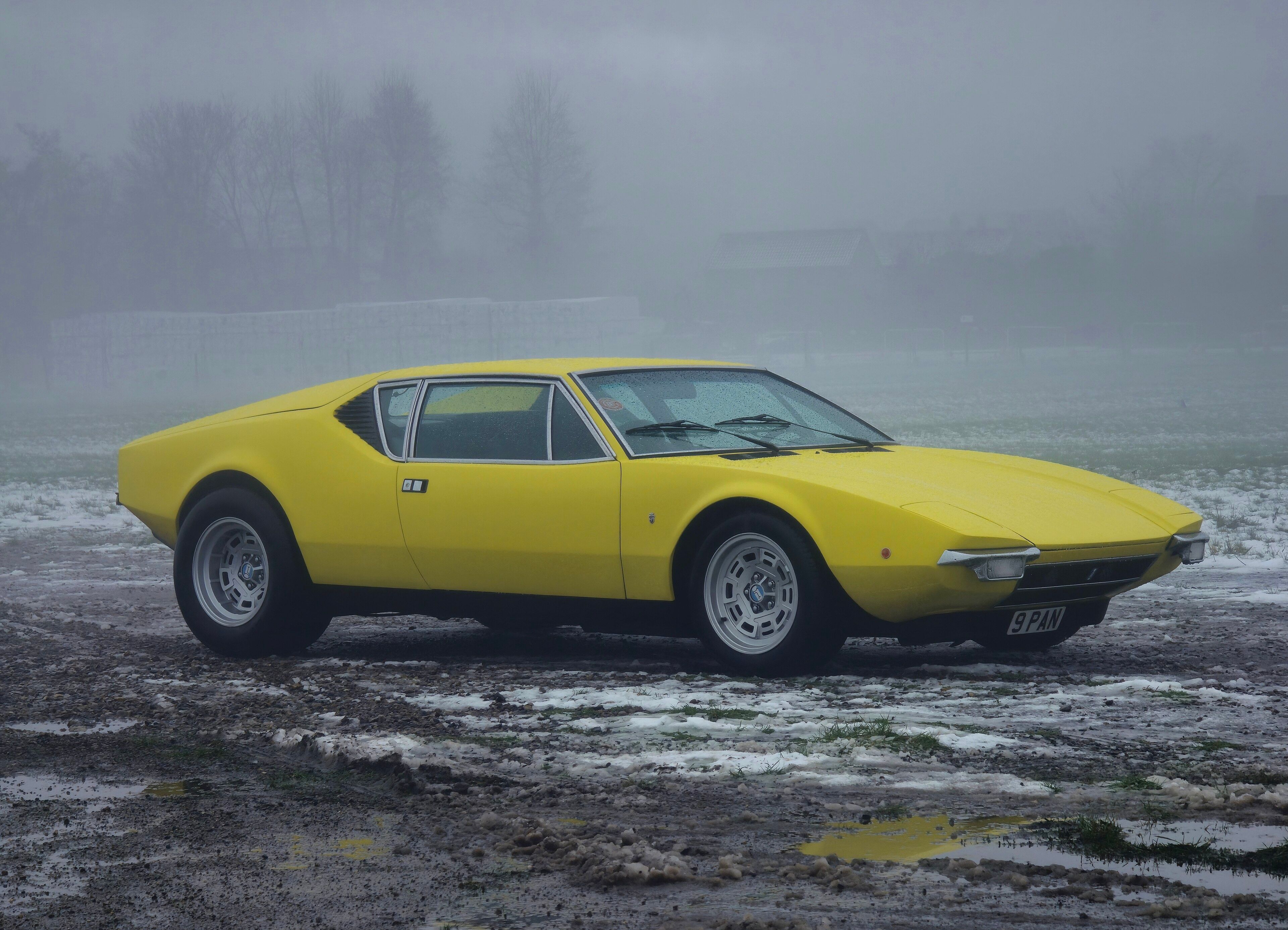
1974 Photo: “1974 De Tomaso Pantera” by Calreyn88 / Wikimedia Commons, licensed under CC BY 4.0
Second generation (European continuation) · GT5 / GT5-S
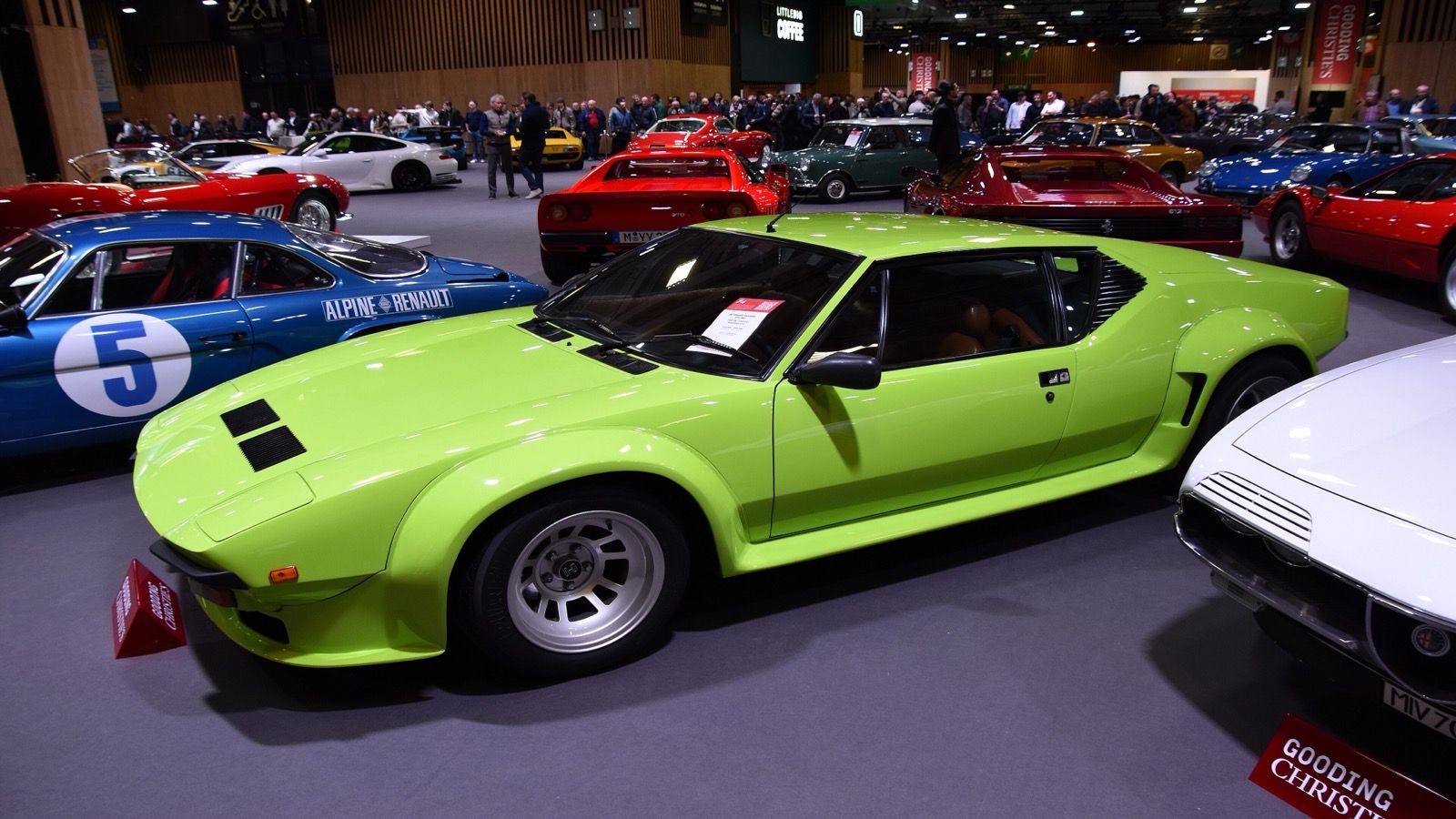
Photo: “De Tomaso Pantera GT5 (1982)” by Charles from Port Chester, New York / Wikimedia Commons — CC0 1.0. Cropped to 16:9.
Wide-body rework for European buyers: the GT5 (1980) added bolted fibreglass arches; the GT5-S (1984) blended them into the body for a cleaner look.
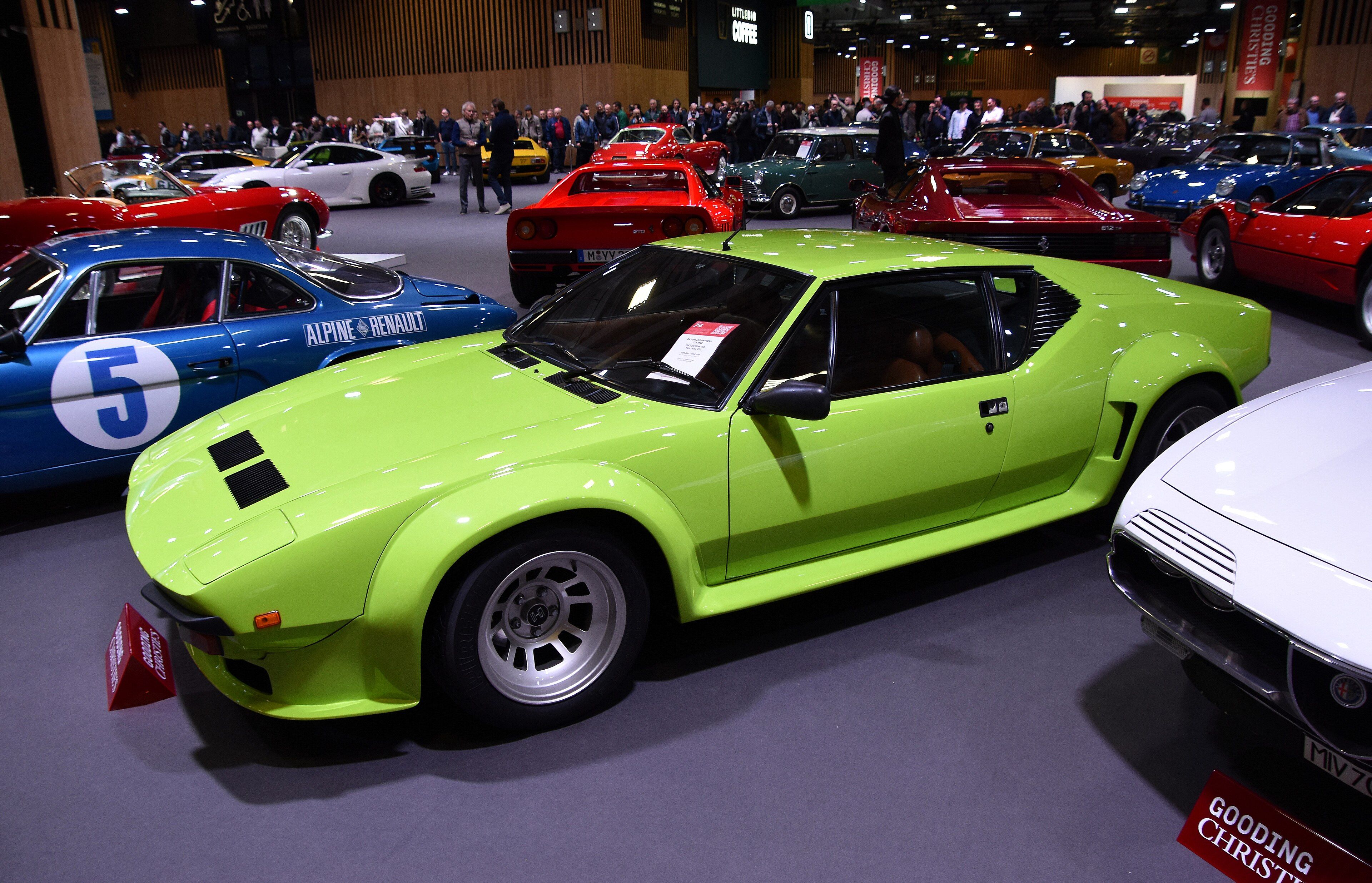
1982 Photo: “De Tomaso Pantera GT5 (1982)” by Charles from Port Chester, New York / Wikimedia Commons — CC0 1.0
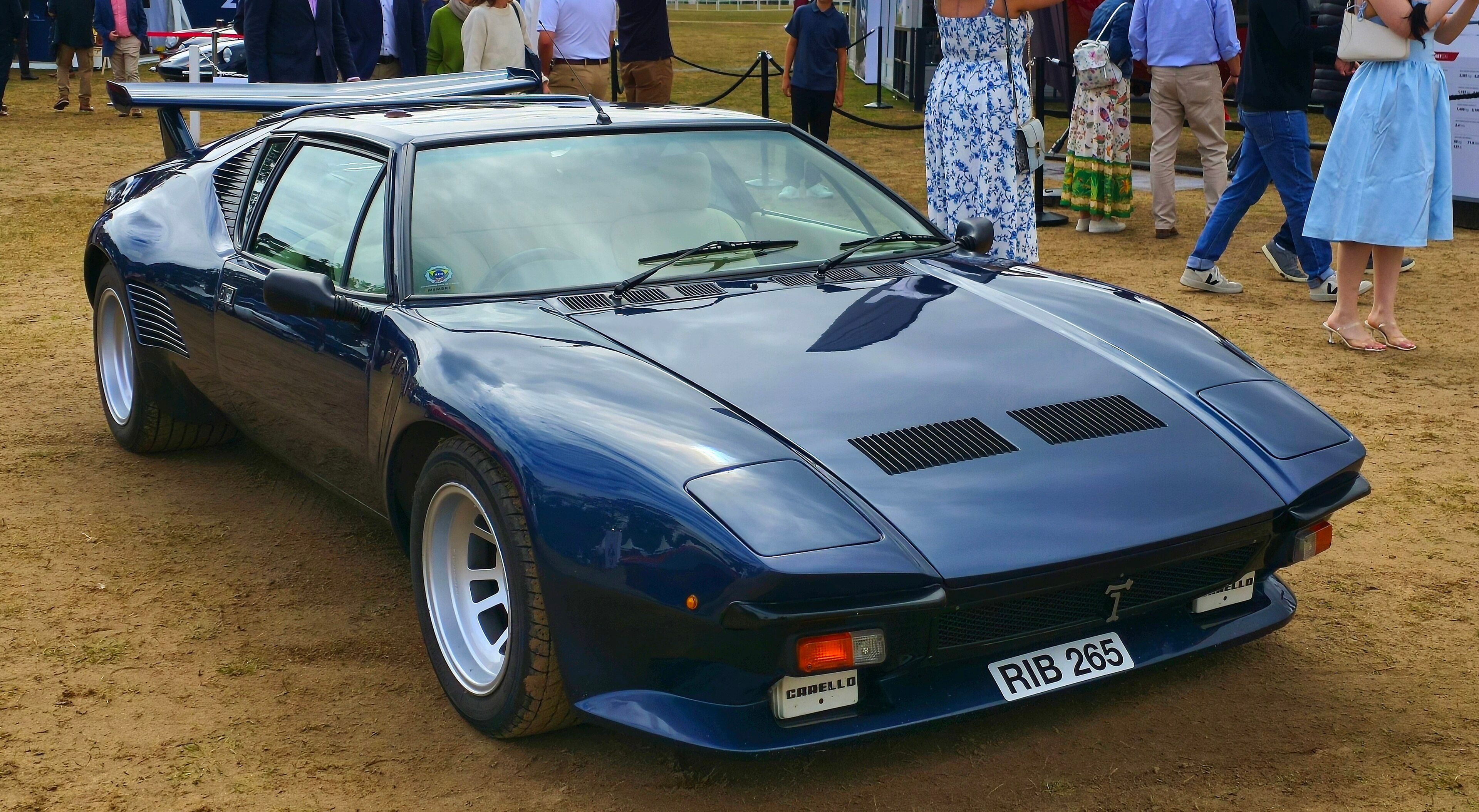
1987 Photo: “1987 De Tomaso Pantera GT5” by Calreyn88 / Wikimedia Commons, licensed under CC BY 4.0
Final variant · Si
Ultimate production Pantera — 41 cars with a 305 hp Ford 5.0-litre V8 and restyled bodywork, ending the model's 21-year run.
Body styles
- Coupé
Notable special editions & performance variants
GT5
Wide-body Pantera with bonded and riveted fibreglass wheelarch extensions; built in very small numbers for Europe.
GT5-S
Blended wide-body successor to the GT5 — smoother arches integrated into the bodywork.
Pantera Si
Final production Pantera; 41 cars built with a 305 hp 5.0-litre Ford V8 and extensively reworked body.
Related models
Collect the nameplate
Find a scale model of the De Tomaso Pantera
Search Amazon across available years, colors, and scales. Exact releases vary, so confirm the listing before ordering.