
Porsche 911 History
Catalog record
Photography for this nameplate has not yet cleared the archive’s licensing and identity checks. The researched text below remains available while the page stays out of search and advertising inventory.
History
Introduced at the Frankfurt Motor Show in September 1963 and on sale for the 1965 model year, the 911 (originally called the 901 until Peugeot objected to the three-digit name format) was Ferdinand Alexander Porsche's masterwork — a rear-engine, six-cylinder sports coupe intended to replace the 356 while preserving its character. The flat-six engine, unique rear-engine layout, and distinctive silhouette created an automotive icon that has been in continuous production ever since.
Eight distinct generations have carried the 911 name. The original 'long-hood' cars (1964–1973) established the formula. The G-series (1974–1989) introduced the whale-tail Turbo (930) and Targa body. The 964 (1989–1994) brought all-wheel drive and a significant modernization. The 993 (1994–1998) was the last of the air-cooled cars, revered by purists. The water-cooled 996 (1997–2005) was controversial for its 'fried-egg' headlights but dramatically improved performance and reliability. The 997 (2004–2012) restored the 911's classical looks and is widely considered among the most balanced. The 991 (2011–2019) grew the car and added turbocharged flat-sixes across most variants. The current 992 (2019–present) refines the formula with a wider body, more power, and a new hybrid-assisted Turbo S.
Across its life the 911 has spawned hundreds of variants — the GT3 track weapon, the GT2 RS ultra-high-performance flagship, the Targa open-air variant, the Carrera 4 and 4S all-wheel-drive versions, the Speedster limited editions, and the Safari off-road specials. It remains the definitive benchmark for the sports-car segment.
Generations
Original 911 (long-hood) · F/G-pre
The founding generation — long hood, slender bumpers, pure air-cooled flat-six; the template every 911 since has followed.
G-series
Impact-bumper 911s that introduced the legendary 930 Turbo, Targa, and Cabriolet to the lineup.
Third generation (964) · 964
The first 911 with Carrera 4 all-wheel drive and coil springs — a major modernization while keeping the air-cooled six.
Fourth generation (993) · 993
The last air-cooled 911 — universally beloved by enthusiasts; multilink rear suspension transformed its handling.
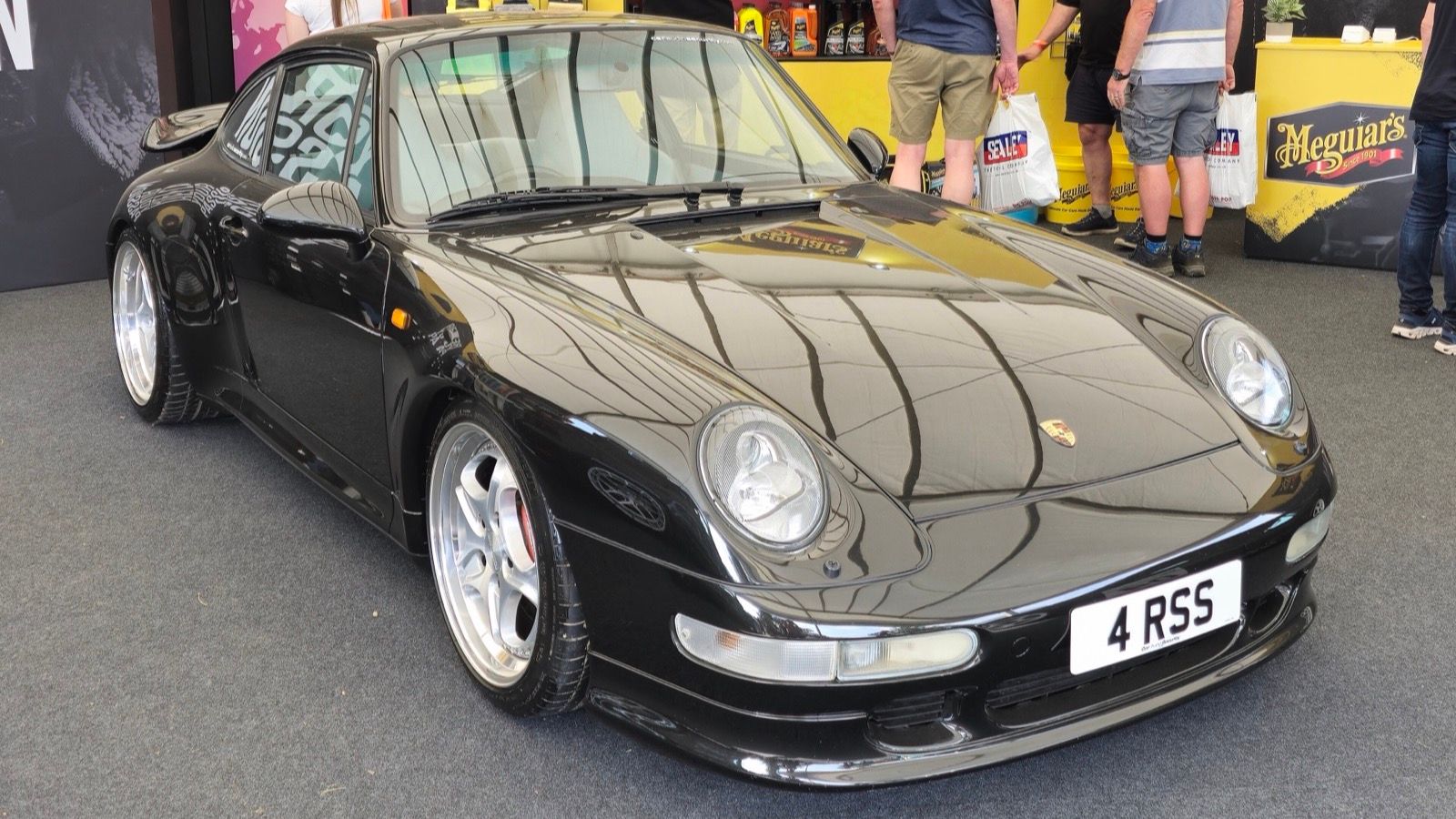
1995 Photo: “1995 Porsche 911 993 Turbo” by Calreyn88 / Wikimedia Commons, licensed under CC BY-SA 4.0. Cropped to 16:9.
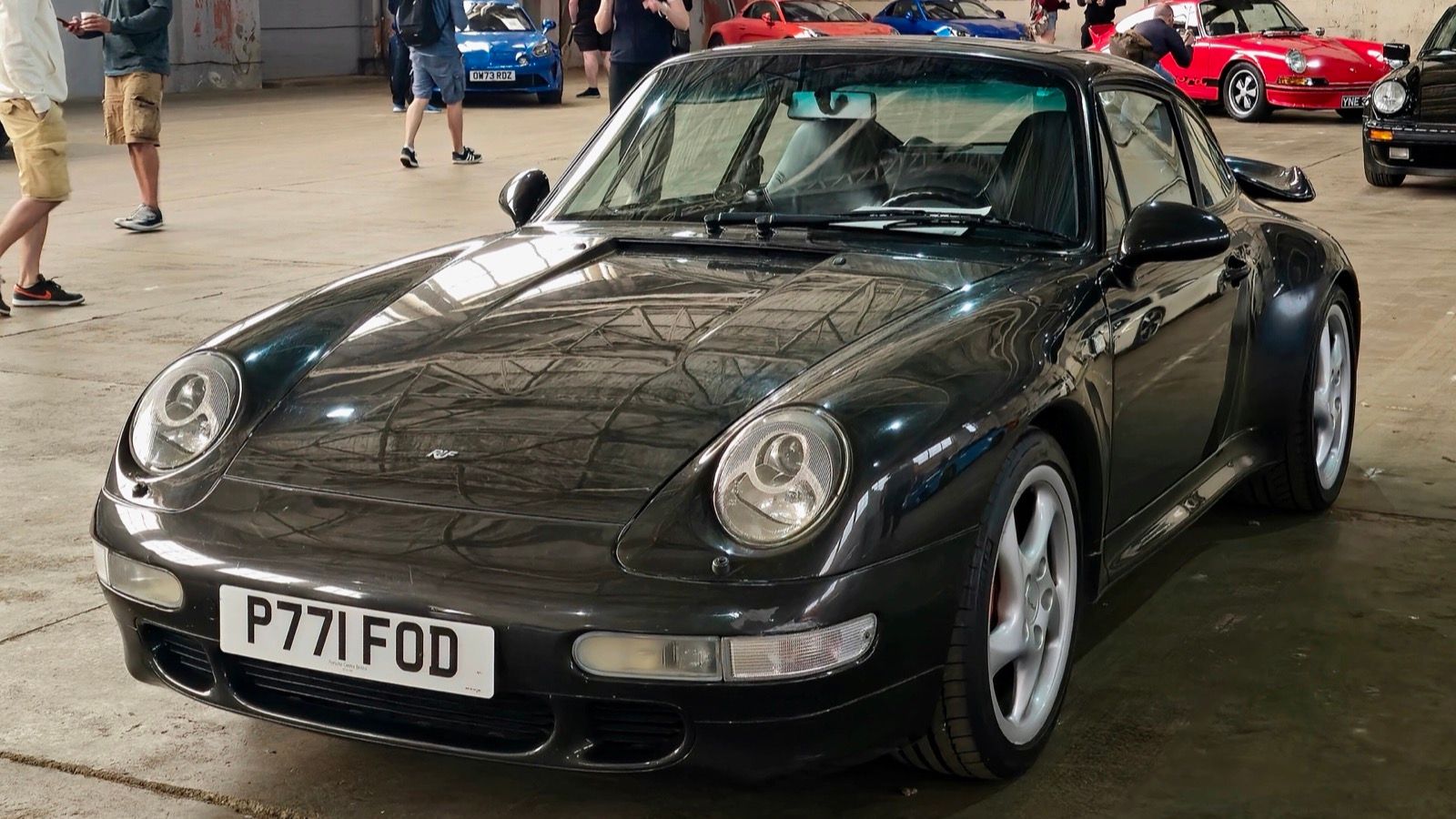
1997 Photo: “1997 Porsche 911 993 Turbo” by Calreyn88 / Wikimedia Commons, licensed under CC BY-SA 4.0. Cropped to 16:9.
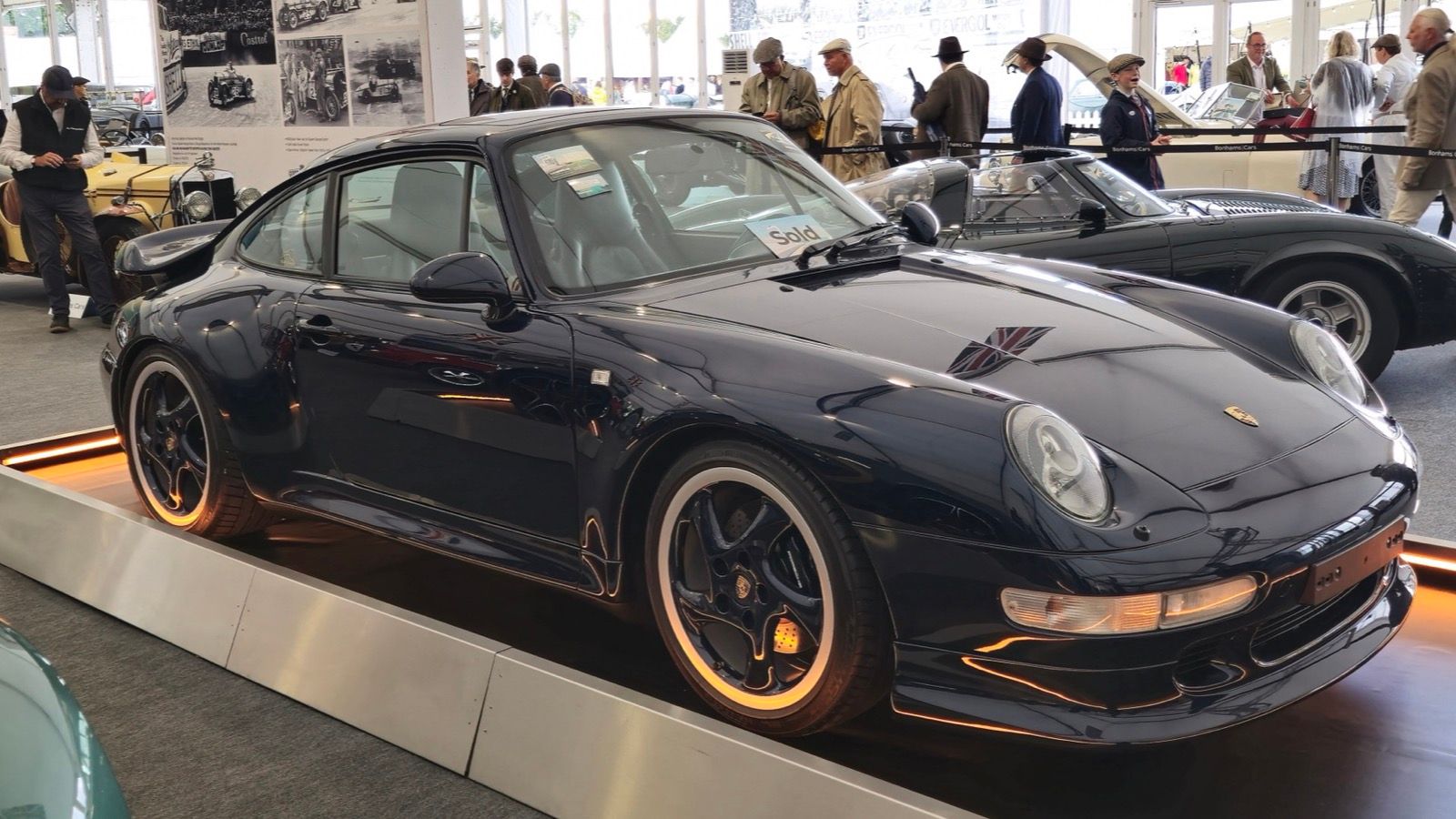
1998 Photo: “1998 Porsche 911 Turbo 993 Chassis WP0ZZZ99ZWS370750” by Calreyn88 / Wikimedia Commons, licensed under CC BY-SA 4.0. Cropped to 16:9.
Fifth generation (996) · 996
The controversial water-cooled leap: new platform, new engine, 'fried-egg' headlights — divisive then, respected now.
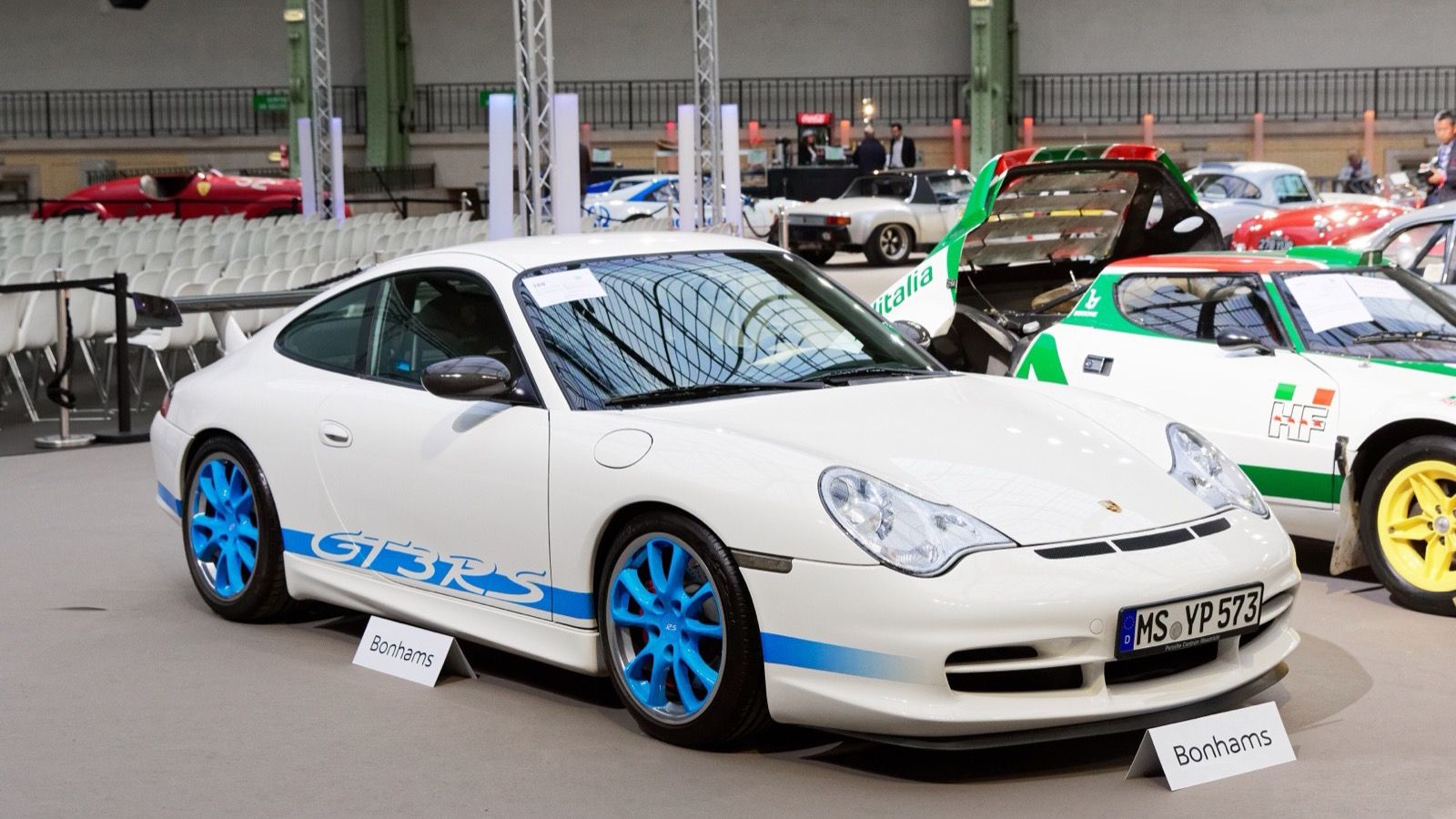
2003 Photo: “Paris - Bonhams 2017 - Porsche 911 GT3 RS type 996 coupé - 2003 - 001” by Thesupermat / Wikimedia Commons, licensed under CC BY-SA 4.0. Cropped to 16:9.
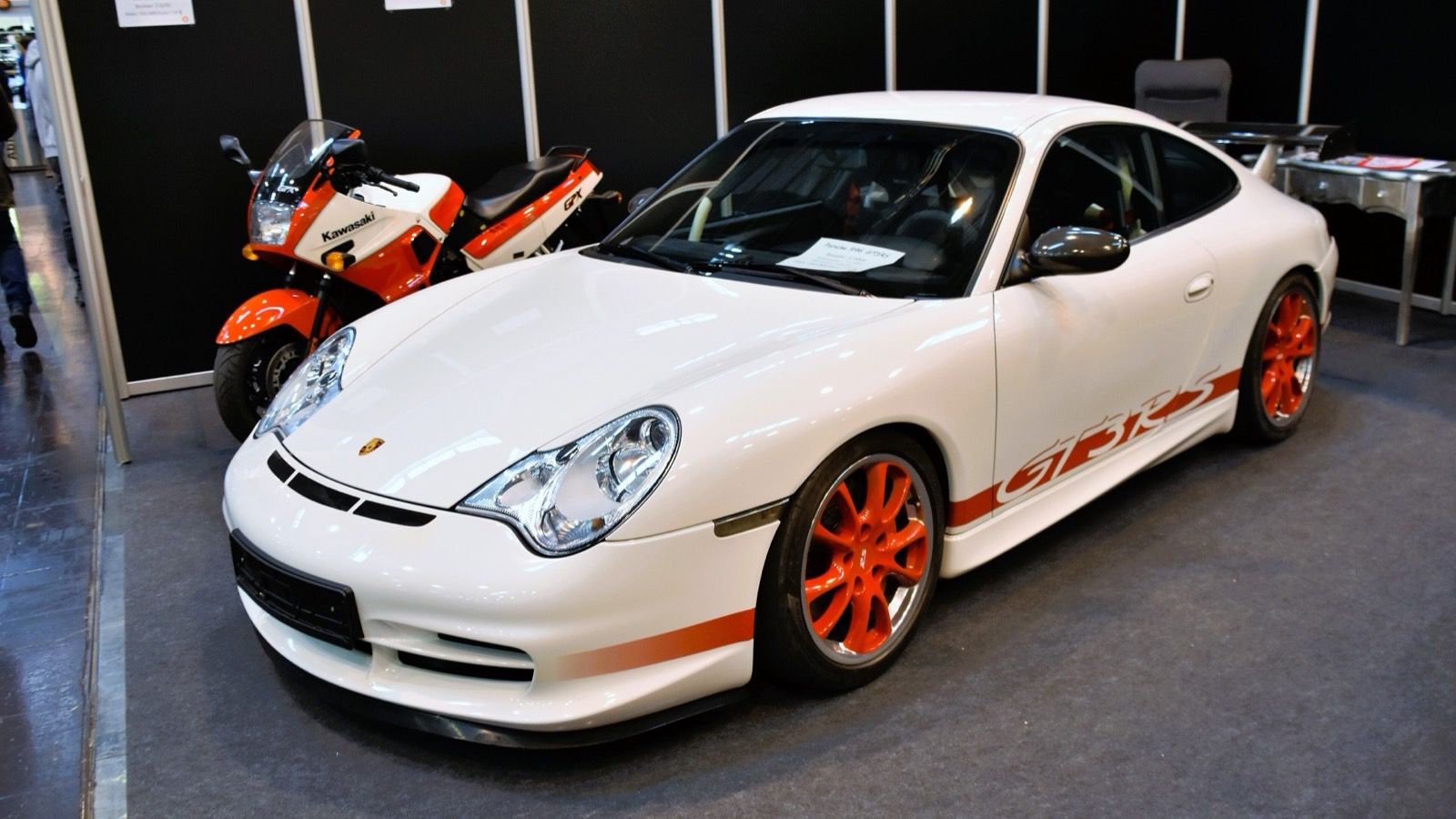
2004 Photo: “Porsche 911 GT3 RS (996.2, 2004) (52873226707)” by Charles from Port Chester, New York / Wikimedia Commons, licensed under CC BY 2.0. Cropped to 16:9.
Sixth generation (997) · 997
Restored classical 911 styling with round headlights; widely praised as the best-balanced 911 of its era.
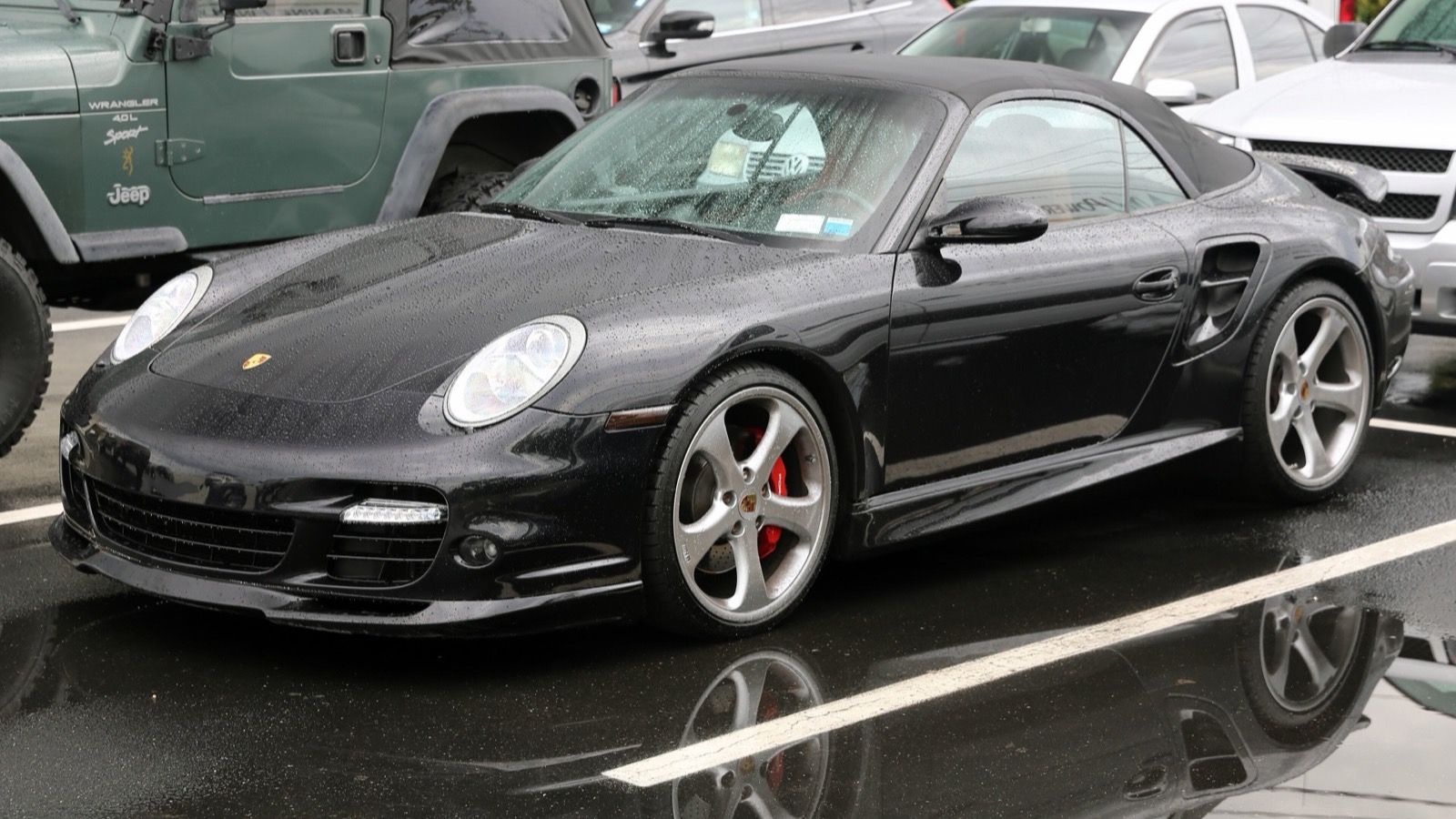
2008 Photo: “2008 Porsche 997 Turbo Cabriolet (10283496555)” by Vetatur Fumare / Wikimedia Commons, licensed under CC BY-SA 2.0. Cropped to 16:9.
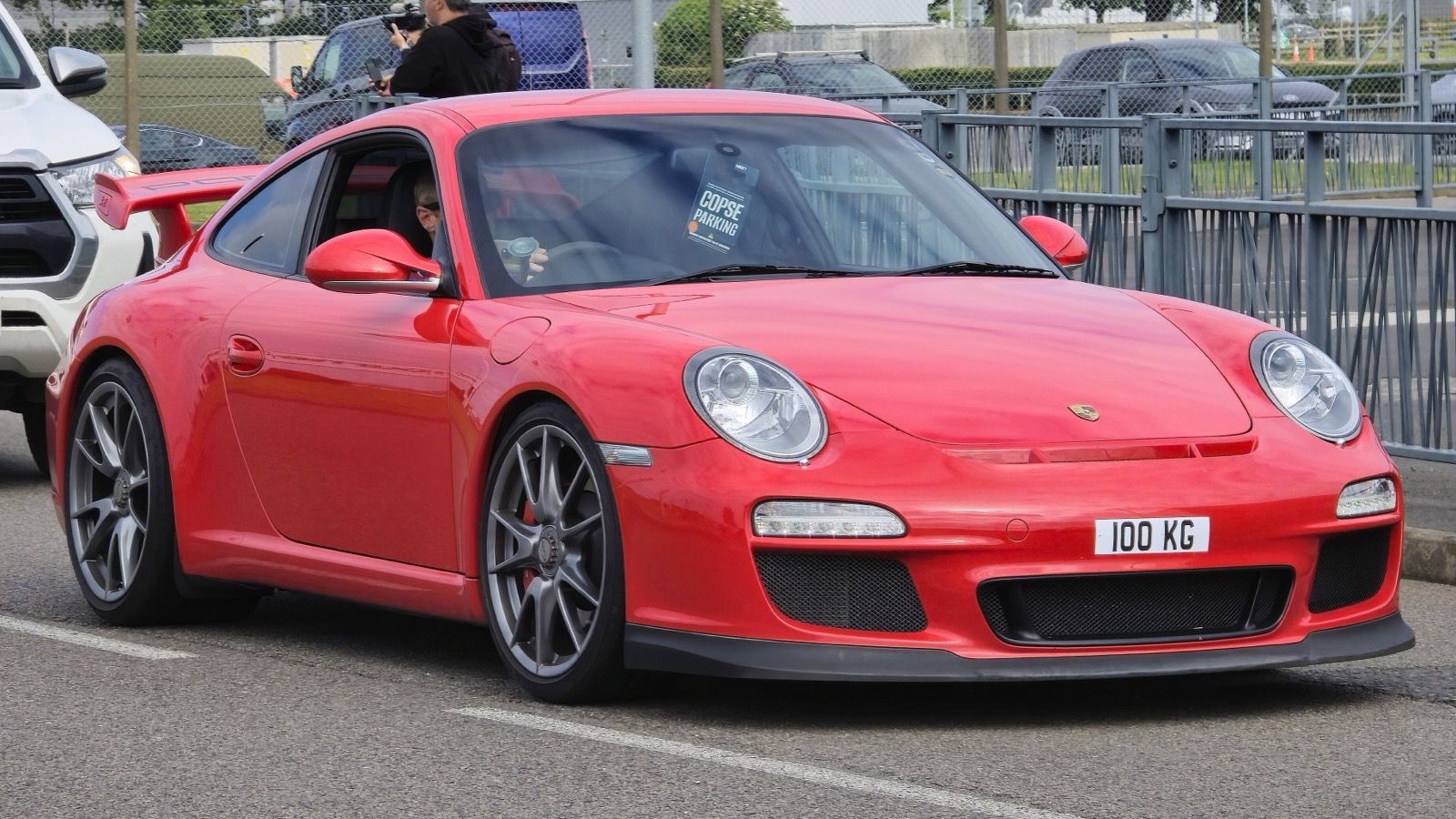
2009 Photo: “2009 Porsche 911 GT3 SCD 24” by MrWalkr / Wikimedia Commons, licensed under CC BY-SA 4.0. Cropped to 16:9.
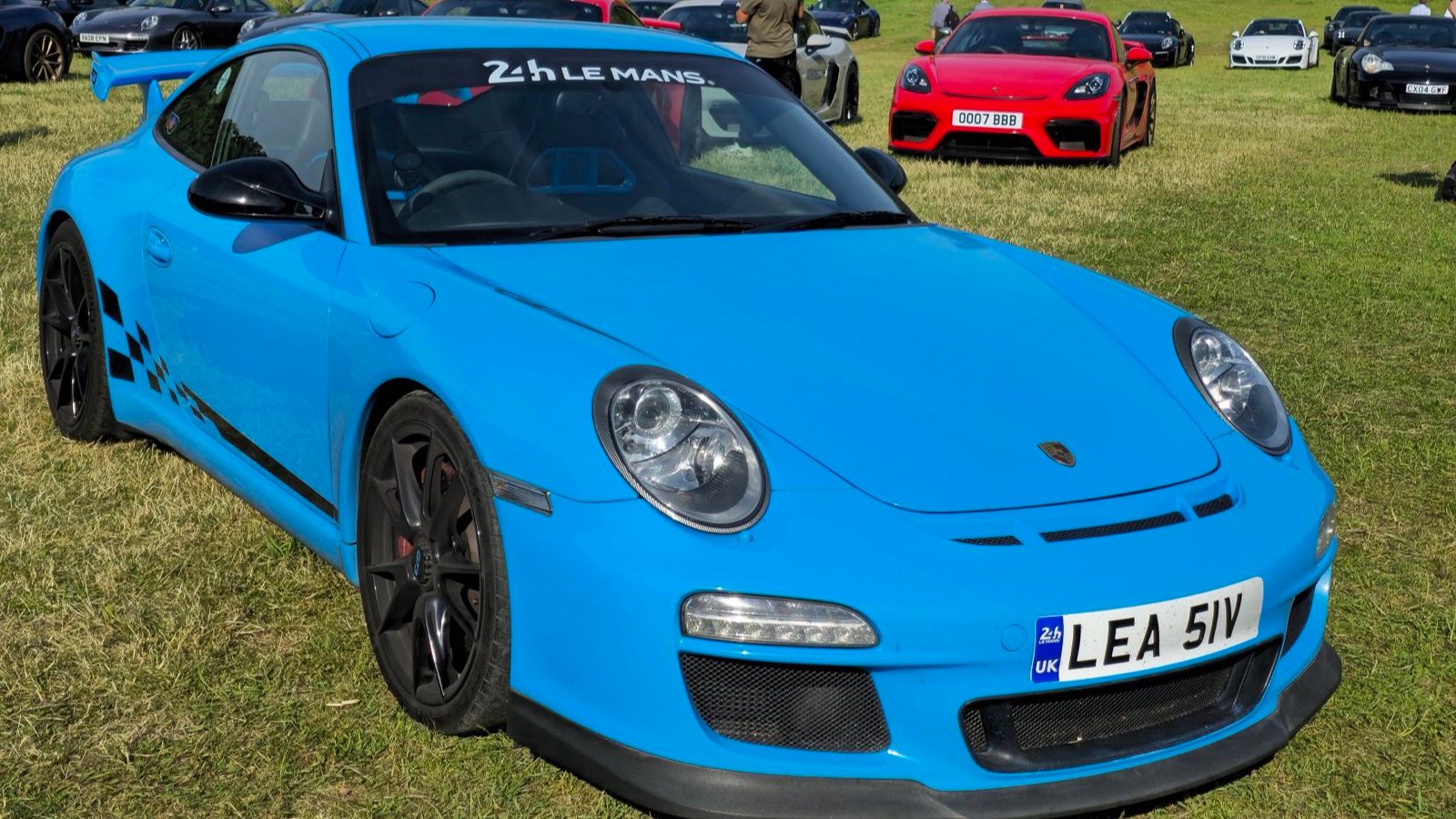
2010 Photo: “2010 Porsche 911 997 GT3 (15641)” by Calreyn88 / Wikimedia Commons, licensed under CC BY-SA 4.0. Cropped to 16:9.
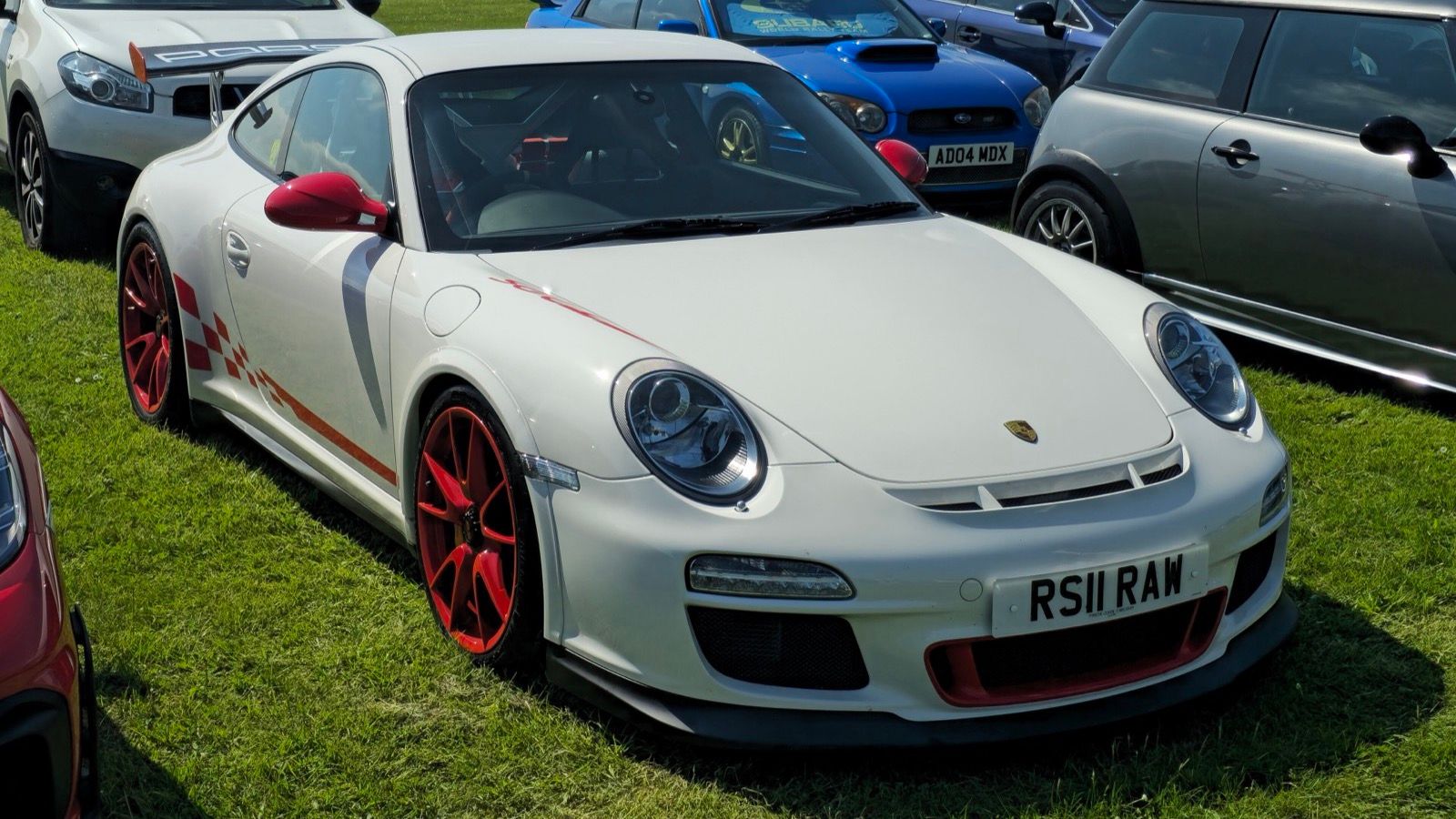
2011 Photo: “2011 Porsche 911 997 GT3 RS” by Calreyn88 / Wikimedia Commons, licensed under CC BY-SA 4.0. Cropped to 16:9.
Seventh generation (991) · 991
Grew longer, wider, and more tech-laden; turbocharged flat-sixes arrived for Carrera and Carrera S from 2016.
Eighth generation (992) · 992
Current generation — wider body, more powerful engines, and a hybrid-assisted Turbo S; the 992.2 debuted in 2024.
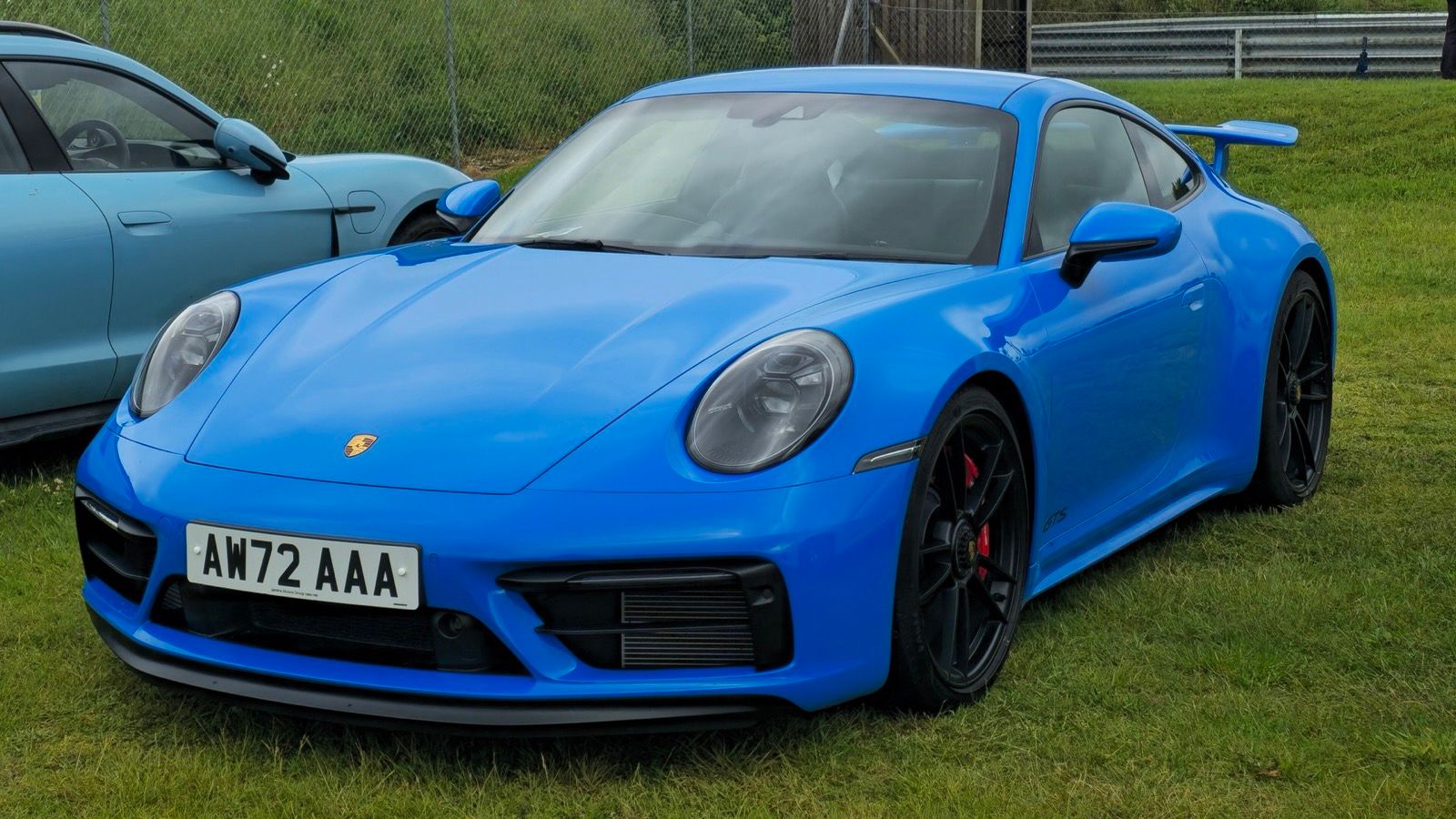
2022 Photo: “2022 Porsche 911 992 Carrera GTS” by Calreyn88 / Wikimedia Commons, licensed under CC BY-SA 4.0. Cropped to 16:9.
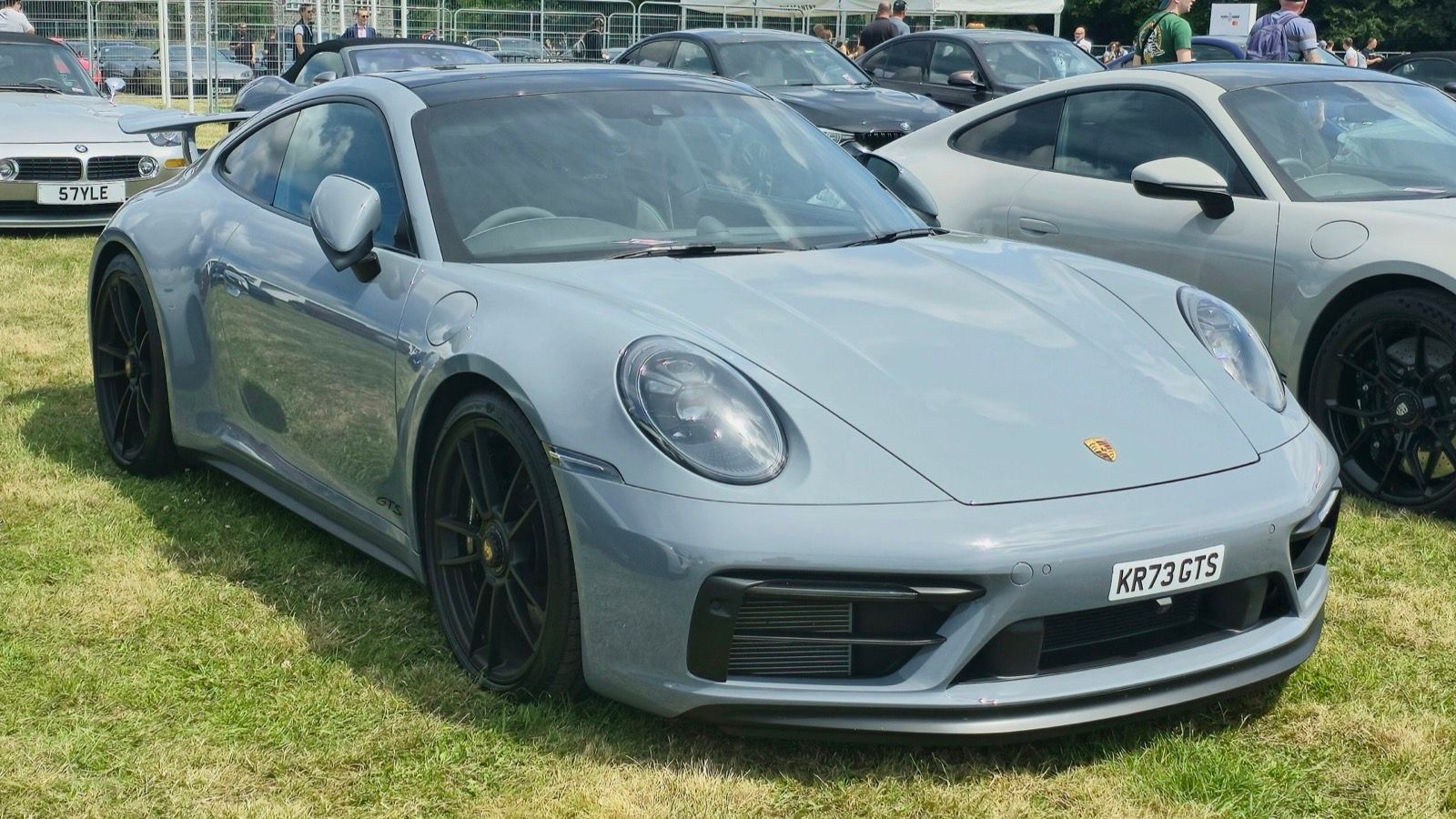
2023 Photo: “2023 Porsche 911 992 Carrera GTS Aero Pack” by Calreyn88 / Wikimedia Commons, licensed under CC BY-SA 4.0. Cropped to 16:9.
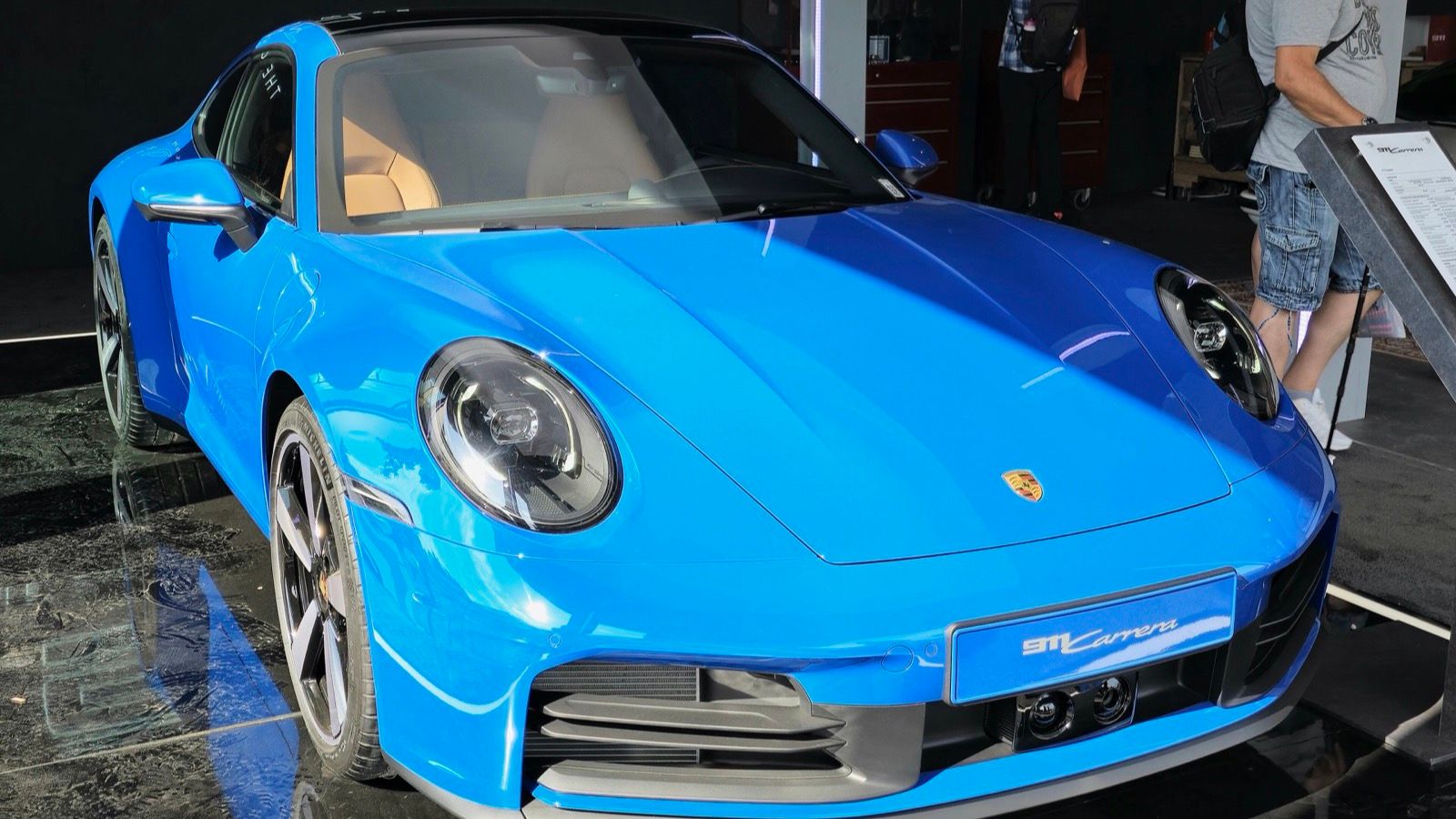
2024 Photo: “2024 Porsche 911 992 Carrera” by Calreyn88 / Wikimedia Commons, licensed under CC BY-SA 4.0. Cropped to 16:9.
Body styles
- Coupe
- Targa
- Cabriolet
Notable special editions & performance variants
911 Turbo (930)
The original 'whale-tail' Turbo — a 260-hp turbocharged force of nature that redefined supercar performance in the late 1970s; the 930 designation covers the G-series Turbo run.
911 GT3
The naturally aspirated, track-focused 911 with the Mezger-derived flat-six (later a new high-revving unit); the definitive driver's 911.
911 GT2 RS
The most extreme rear-wheel-drive 911 in each generation — a turbocharged, lightweight flagship that regularly sets production-car lap records.
911 Targa
Open-air 911 with a fixed roll hoop and removable roof panel — a signature body style carried across every generation.
Related models
Collect the nameplate
Find a scale model of the Porsche 911
Search Amazon across available years, colors, and scales. Exact releases vary, so confirm the listing before ordering.