
Morris Oxford History
Morris's founding nameplate — from the 1913 'Bullnose' Oxford to the Pininfarina-styled Oxford VI, a name carried across nearly six decades, ending in 1971.
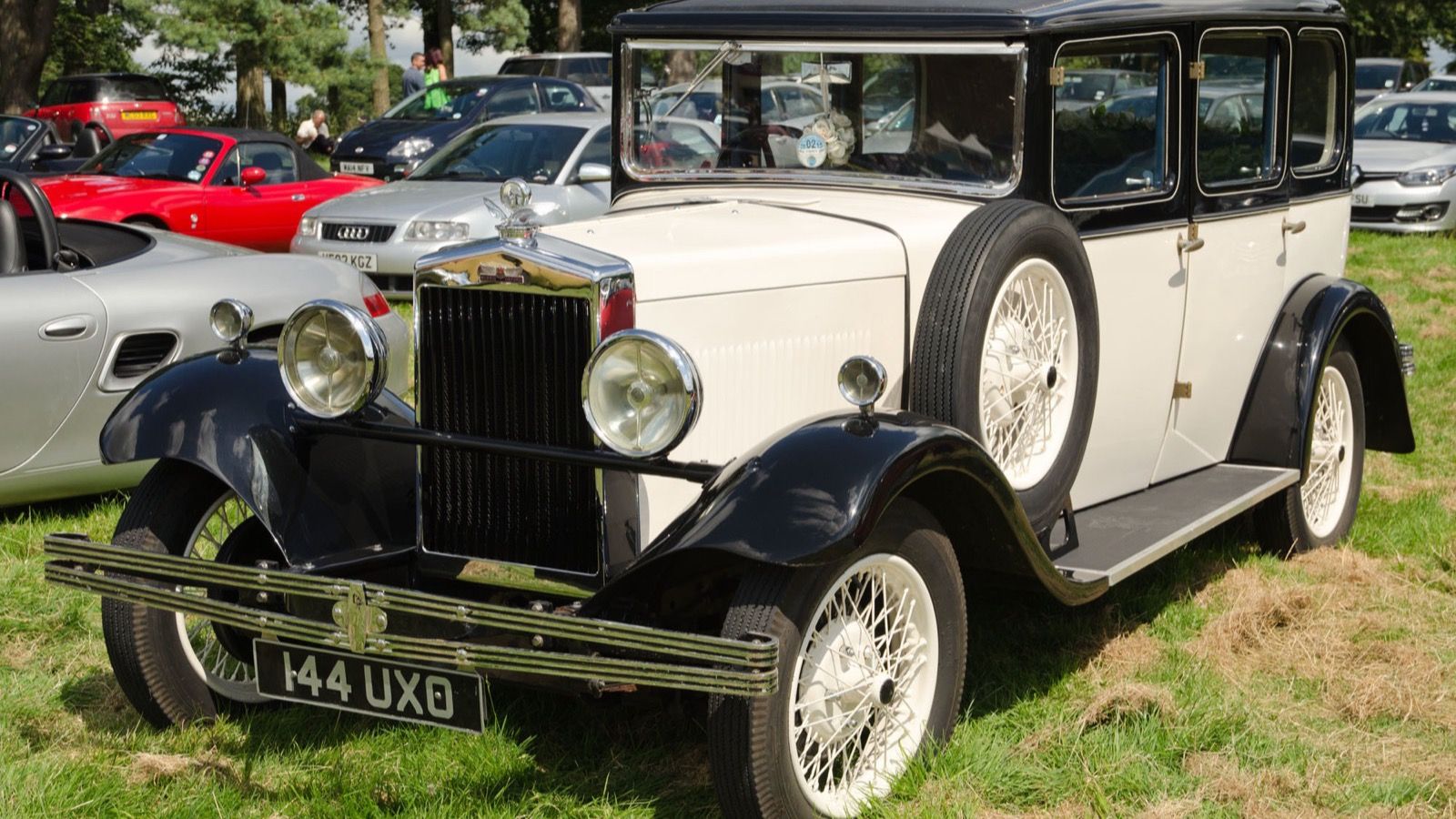
Photo: “Morris Oxford Six Saloon (1930) (15543110290).jpg” by Steve Glover from Bolton, Lancs., England / Wikimedia Commons, licensed under CC BY 2.0. Cropped to 16:9.
History
The Morris Oxford launched Morris as a car maker: the first 'Bullnose' Oxford — named for its distinctive rounded radiator — was built at Cowley in March 1913, and 393 cars were sold by the end of that first year. Light, simple and assembled largely from bought-in proprietary components, it gave William Morris a profitable formula that he scaled aggressively through the 1920s, helping Morris account for a large share of British car production by the middle of that decade.
The Bullnose Oxford ran to 1926, after which the rounded radiator gave way to the 'Flatnose' cars. After the Second World War the name was revived on an entirely new monocoque car, the Series MO (1948–1954) designed alongside the Morris Minor, then the B-Series-engined Series II/III, before the Oxford was absorbed into BMC's mid-size Pininfarina-styled 'Farina' range as the Oxford V and VI.
The final Morris Oxford, the Farina-bodied Series VI, ended production in 1971. The post-war Oxford's tooling had a long afterlife abroad: a closely related design became the basis of India's Hindustan Ambassador, which stayed in production for decades.
Generations
Bullnose · Bullnose Oxford
The car that founded Morris — the rounded-radiator 'Bullnose' Oxford, built at Cowley from March 1913 and a cornerstone of Morris's 1920s dominance.
Flatnose · Flatnose Oxford
Photo: “Morris Oxford Six Saloon (1930) (15543110290).jpg” by Steve Glover from Bolton, Lancs., England / Wikimedia Commons, licensed under CC BY 2.0. Cropped to 16:9.
The Bullnose radiator dropped for a flat one (the Flatnose proper ran 1926–1930), with all-steel saloon bodies joining the range; later six-cylinder Oxfords carried the name on until it lapsed in 1935, ahead of the pre-war gap.
1930 Photo: “Morris Oxford Six Saloon (1930) (15543110290).jpg” by Steve Glover from Bolton, Lancs., England / Wikimedia Commons, licensed under CC BY 2.0. Cropped to 16:9.
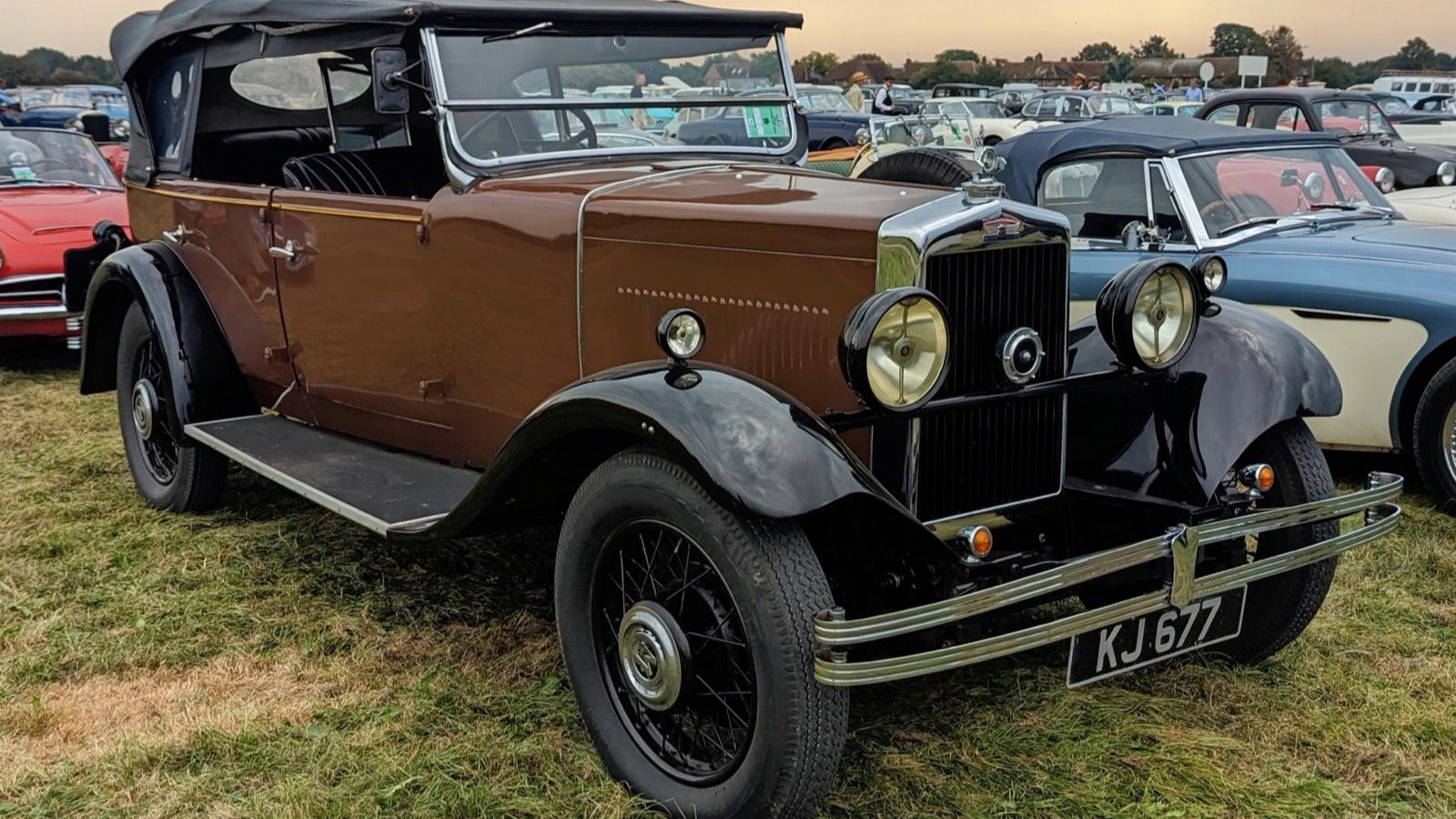
1931 Photo: “1931 Morris Oxford.jpg” by Calreyn88 / Wikimedia Commons, licensed under CC BY 4.0. Cropped to 16:9.
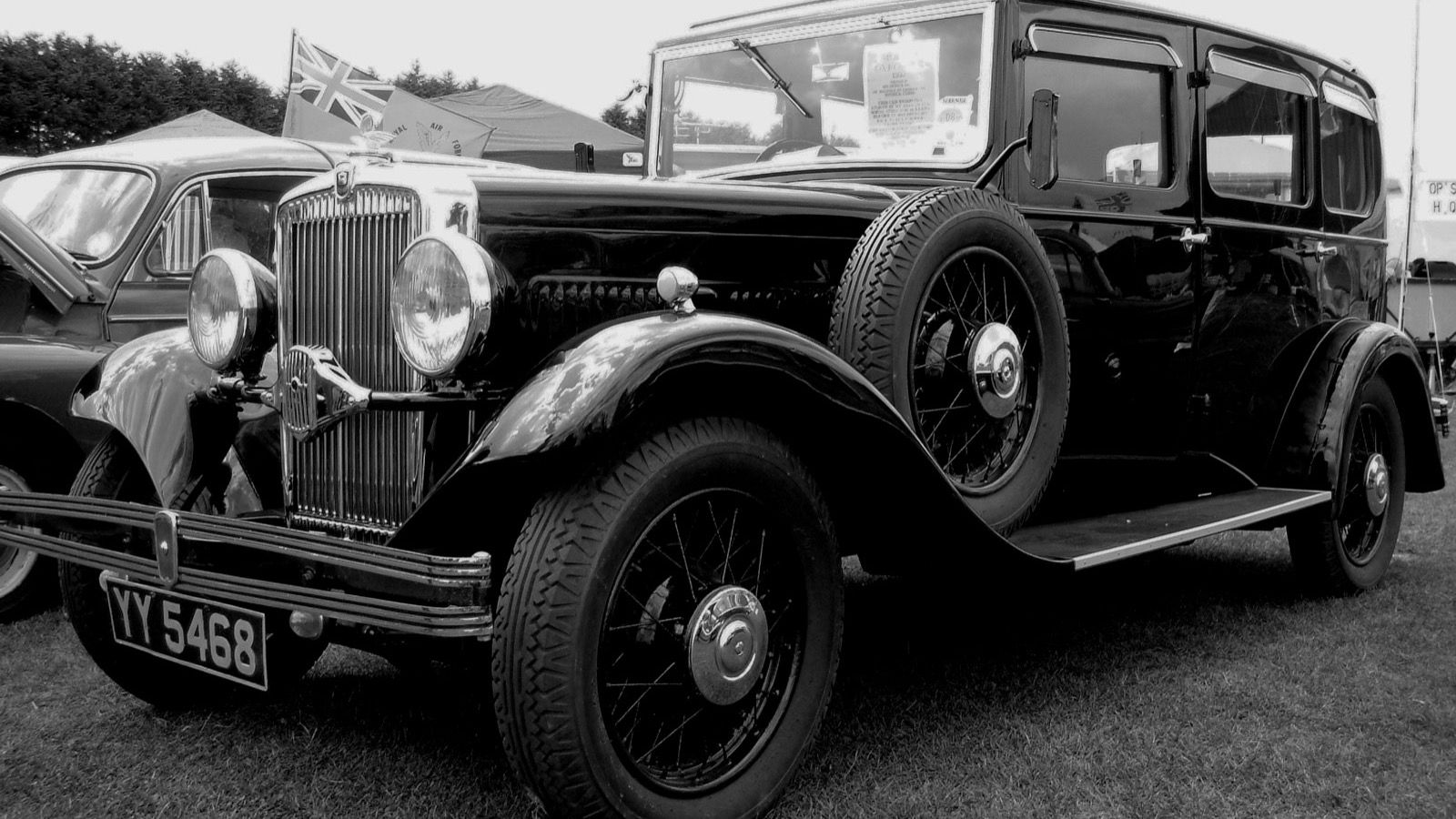
1933 Photo: “Morris Oxford Six Q 2062 1933 (3704775846).jpg” by Plbmak / Wikimedia Commons, licensed under CC BY-SA 2.0. Cropped to 16:9.
Series MO · Post-war MO
An all-new monocoque saloon launched in 1948 alongside the Morris Minor, marking the Oxford's post-war revival.
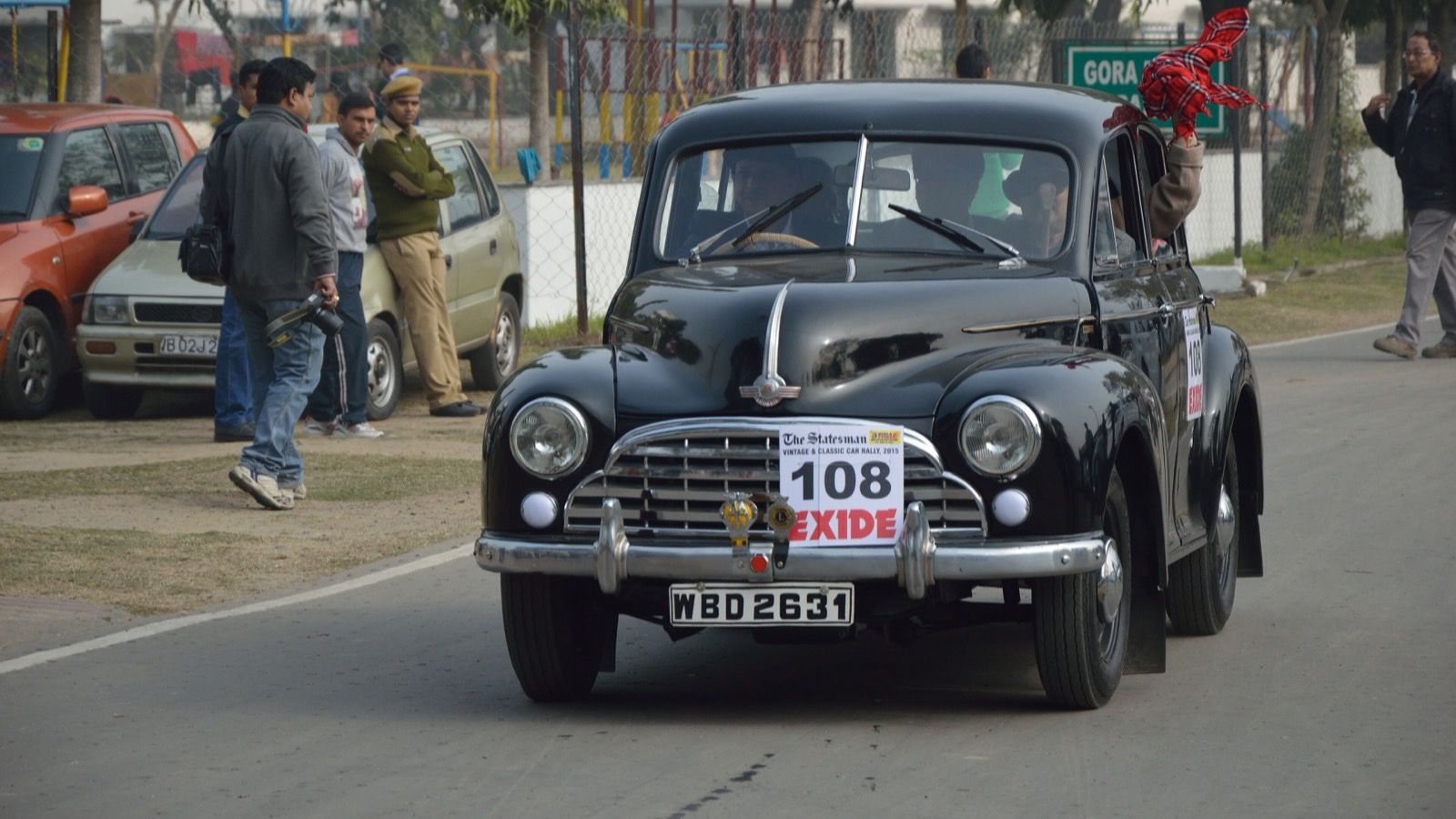
1951 Photo: “Morris - 1951 - 14 hp - 4 cyl - WBD 2631 - Kolkata 2015-01-11 4065.JPG” by Biswarup Ganguly / Wikimedia Commons, licensed under CC BY 3.0. Cropped to 16:9.
Series II / III / IV · B-Series Oxford
Redesigned and fitted with the Austin-designed B-Series engine after the BMC merger; later cars gained tail fins and an all-steel estate.
Series V / VI · Farina Oxford
Folded into BMC's Pininfarina-styled mid-size 'Farina' range; the Series VI was the last Morris Oxford, ending in 1971.
Body styles
- Two-seat tourer
- Saloon
- Estate
Related models
Collect the nameplate
Find a scale model of the Morris Oxford
Search Amazon across available years, colors, and scales. Exact releases vary, so confirm the listing before ordering.