
Lincoln Town Car History
The big rear-drive body-on-frame Town Car (1981–2011) — Lincoln's flagship sedan and the definitive American livery and limousine car.
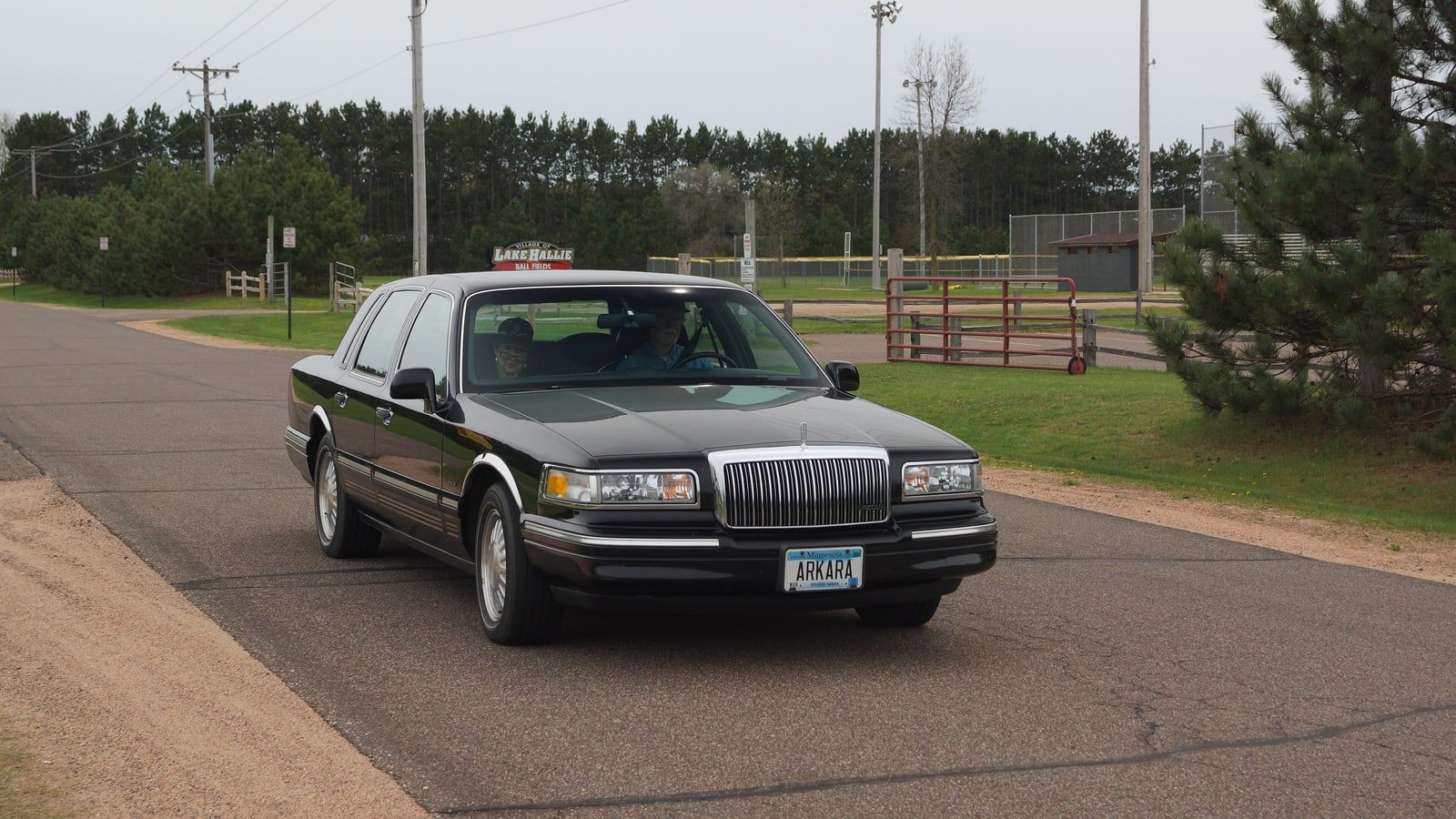
Photo: “1996 Lincoln Town Car (34368154835).jpg” by Greg Gjerdingen from Willmar, USA / Wikimedia Commons, licensed under CC BY 2.0. Cropped to 16:9.
History
The Town Car nameplate began as a top Continental trim before becoming a standalone model for 1981, built on Ford's body-on-frame, rear-wheel-drive Panther platform that it would share for its entire 30-year run. It became the archetypal full-size American luxury sedan.
Three generations followed: the boxy first generation (1981–1989), the rounded, aerodynamic second generation (1990–1997), and the longer-lived third generation (1998–2011) on a stiffened, hydroformed Panther frame. Across all of them the Town Car was prized for its smooth ride, generous rear-seat room, and stretch-friendly body — making it the default choice for livery fleets, limousine builders, and funeral homes.
Production was consolidated from Wixom, Michigan to St. Thomas, Ontario late in its life, and the last Town Car was built in 2011 as Ford ended the Panther platform and pushed Lincoln toward smaller, more modern cars and SUVs.
Generations
First generation · Box Panther
The classic boxy, formal full-size Town Car on the new Panther platform.
Second generation · Aero Panther
Photo: “1996 Lincoln Town Car (34368154835).jpg” by Greg Gjerdingen from Willmar, USA / Wikimedia Commons, licensed under CC BY 2.0. Cropped to 16:9.
Rounded, aerodynamic redesign; gained an air-spring rear suspension and the modular 4.6L V8.
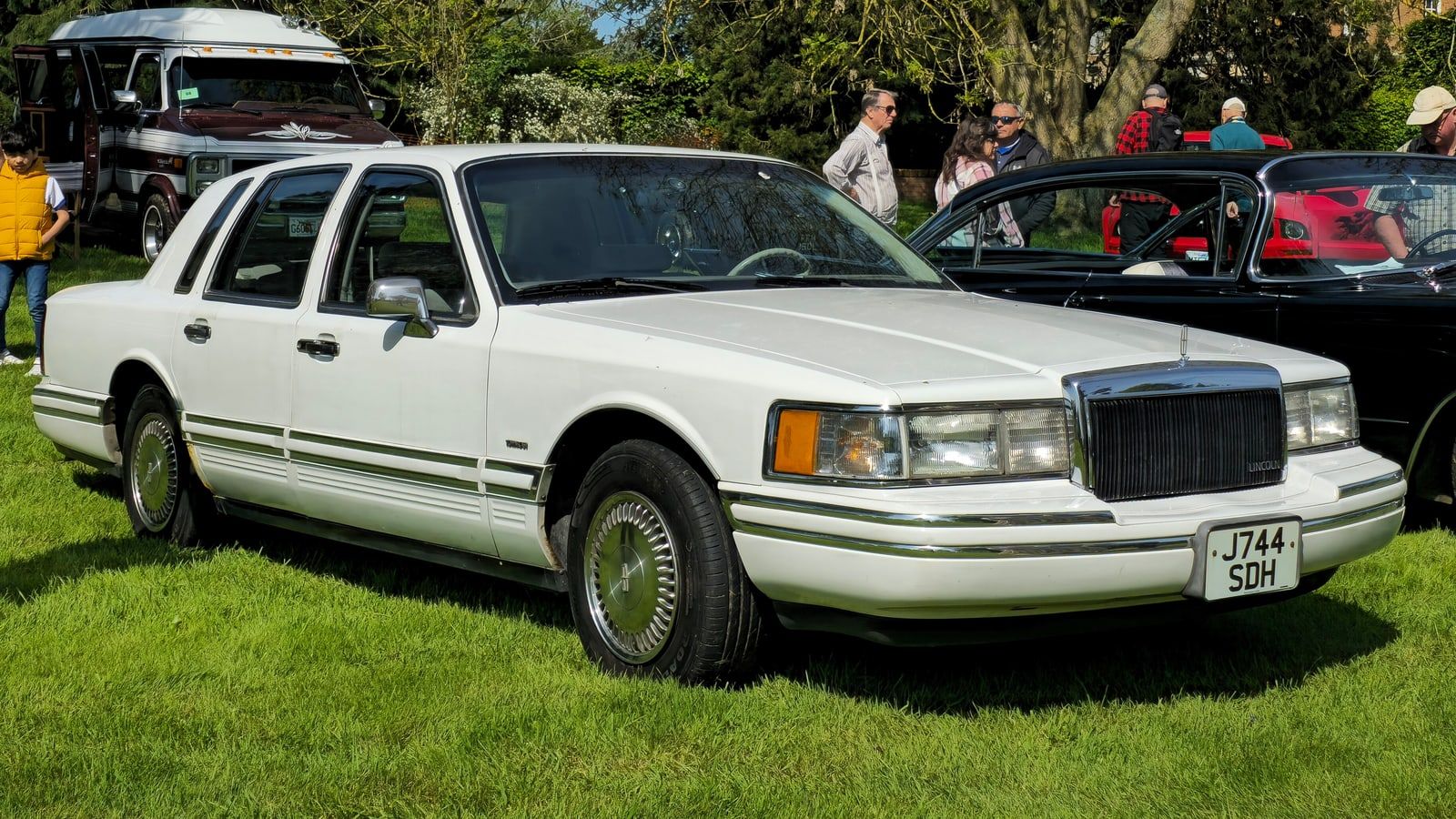
1992 Photo: “1992 Lincoln Town Car.jpg” by Calreyn88 / Wikimedia Commons, licensed under CC BY-SA 4.0. Cropped to 16:9.
1996 Photo: “1996 Lincoln Town Car (34368154835).jpg” by Greg Gjerdingen from Willmar, USA / Wikimedia Commons, licensed under CC BY 2.0. Cropped to 16:9.
Third generation · Hydroformed Panther
Stiffer hydroformed frame and longer wheelbase; the long-running livery and limousine staple to the end in 2011.
Body styles
- Sedan
Related models
Collect the nameplate
Find a scale model of the Lincoln Town Car
Search Amazon across available years, colors, and scales. Exact releases vary, so confirm the listing before ordering.