
Eterniti Artemis History
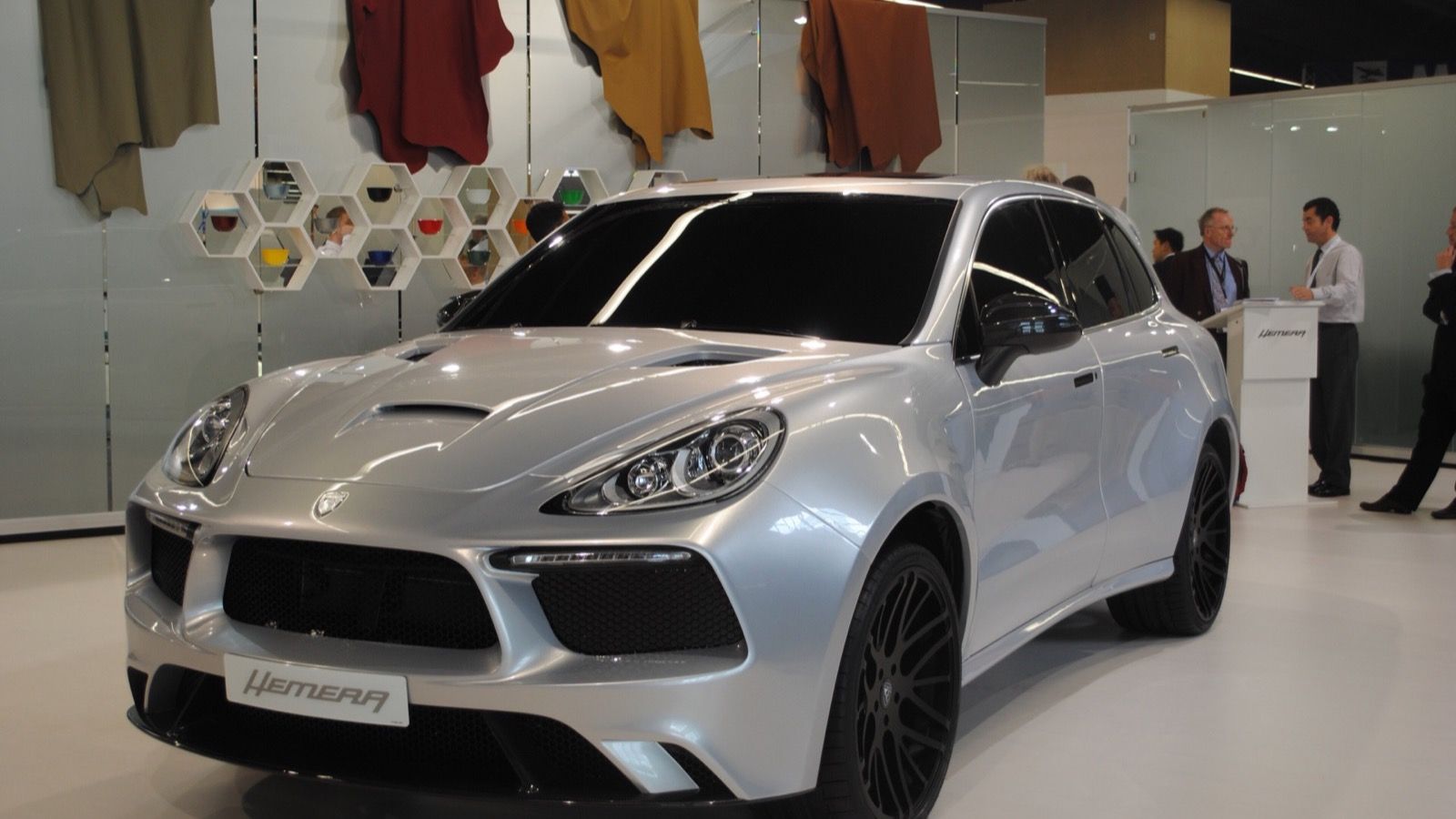
The world's first 'Super-SUV' — a 591-hp Porsche Cayenne-based luxury flagship unveiled at Frankfurt 2011 as the Hemera, renamed Artemis for production.
Photo: “Eterniti Hemera at the Frankfurt Motor Show IAA 2011” by Autoviva / Wikimedia Commons, licensed under CC BY 2.0. Cropped to 16:9.
History
Eterniti Motors was incorporated on 1 September 2010 and made its public debut at the Frankfurt Motor Show in August 2011, unveiling a concept it called the Hemera. The company positioned the car as the world's first 'Super-SUV' — a term it coined to describe a vehicle combining hypercar performance with ultra-luxury appointments. The project attracted credible engineering talent: Alastair Macqueen, formerly a developer on the Jaguar XJ220 supercar, served as Chief Engineer, and Formula One driver Johnny Herbert was briefly involved in development.
The Hemera concept was rebadged the Artemis when it appeared at the 2012 Beijing International Automotive Exhibition, and the finalised production design was revealed at the 2013 Shanghai Motor Show. Beneath its carbon composite body sat a heavily modified Porsche Cayenne Turbo S platform, powered by a Porsche 4.8-litre twin-turbocharged V8 producing 591 hp (441 kW) and 750 Nm of torque. Claimed performance was 0–62 mph in 4.2 seconds and a 180 mph top speed. The interior featured twin electric-reclining rear seats, an iPad-based infotainment system, lambswool rugs, a drinks chiller, and 23-inch forged alloy wheels — all hallmarks of the bespoke ultra-luxury segment Eterniti was targeting.
Despite the high-profile motor show appearances and a credible engineering proposition, Eterniti Motors never reached meaningful production. The company entered administration in January 2014 and was formally dissolved on 1 February 2014 — less than three and a half years after its founding. No confirmed production run figure has been published; the Artemis remains a notable footnote as an early attempt to formalise the 'Super-SUV' category that Bentley, Lamborghini, and Rolls-Royce would later occupy.
Generations
First and only generation · Artemis (Hemera concept)
Photo: “Eterniti Hemera at the Frankfurt Motor Show IAA 2011” by Autoviva / Wikimedia Commons, licensed under CC BY 2.0. Cropped to 16:9.
Porsche Cayenne-based 591-hp 'Super-SUV' unveiled at Frankfurt 2011 as the Hemera concept, later renamed Artemis for production.
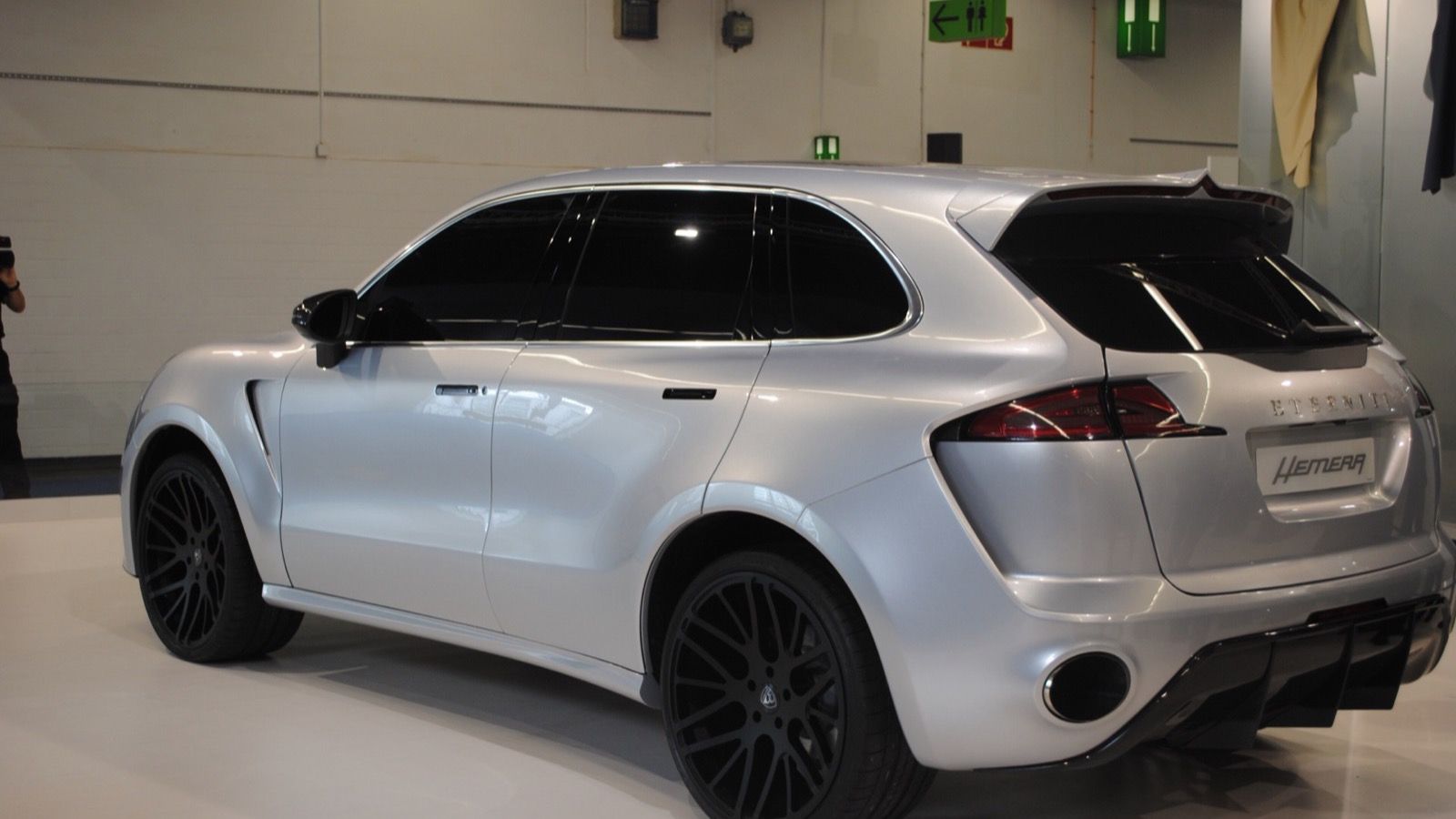
2011 Photo: “Eterniti Hemera” by Autoviva / Wikimedia Commons, licensed under CC BY 2.0. Cropped to 16:9.
Body styles
- SUV
Related models
Collect the nameplate
Find a scale model of the Eterniti Artemis
Search Amazon across available years, colors, and scales. Exact releases vary, so confirm the listing before ordering.