
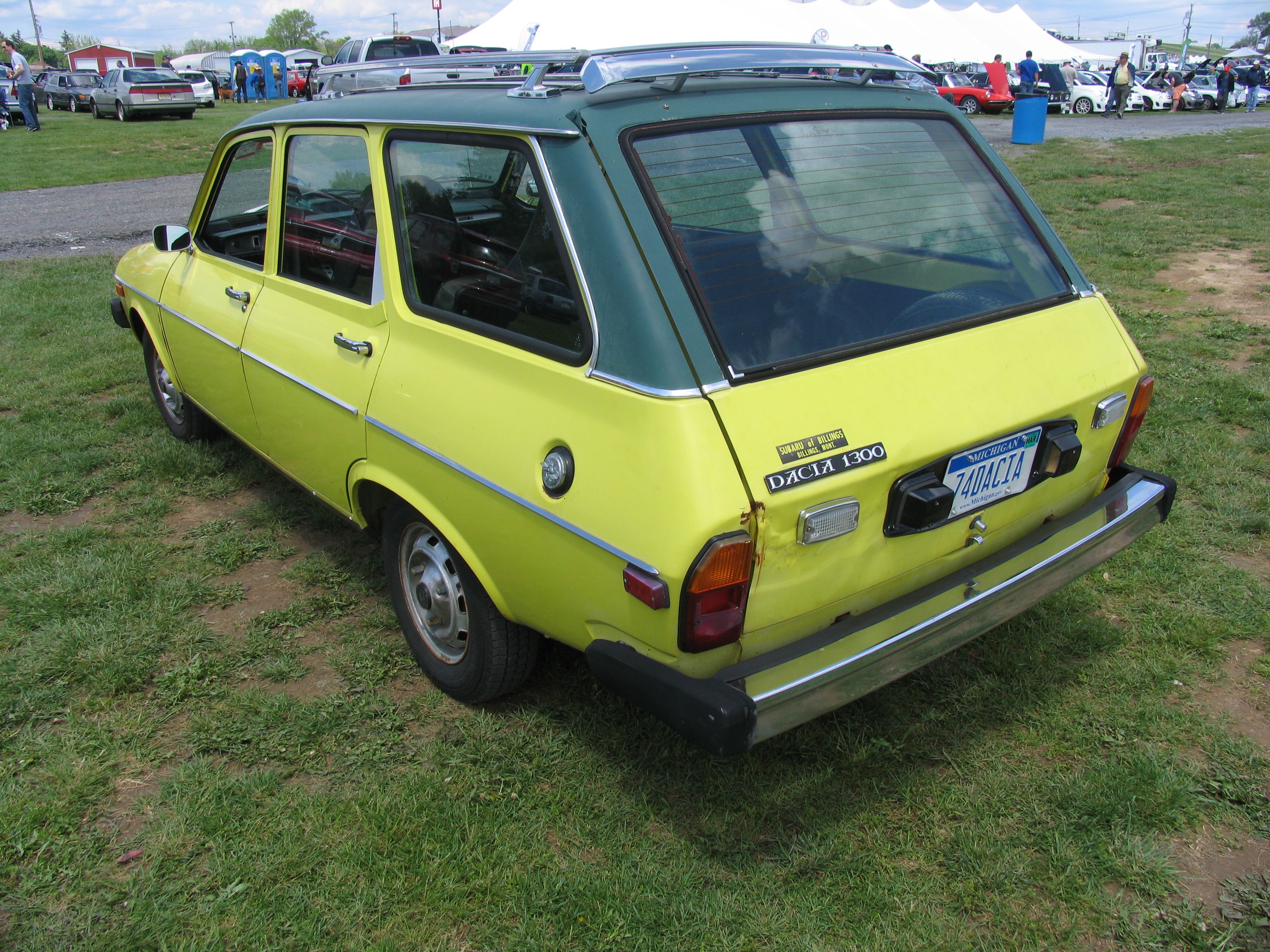
Dacia 1300 / 1310 History
Romania's 'people's car' for 35 years — a Renault 12-based saloon that sold nearly two million units and became a communist-era icon.
Photo: “Dacia 1300 (14228826623).jpg” by ilikewaffles11 / Wikimedia Commons, licensed under CC BY 2.0
History
The Dacia 1300 left the assembly line on 23 August 1969 — a date chosen deliberately to coincide with Romania's national liberation anniversary and a parade in front of Nicolae Ceaușescu. Based on the Renault 12 under a government licensing deal, the car was designed to be inexpensive, family-sized, and powered by an engine of no more than 1.3 litres: the brief that made it the right car at the right price for a command economy.
Over its 35-year life the model evolved from the original 1300 saloon into a sprawling family of variants — estates, coupés, berlinas, and pickups — and was renamed the Dacia 1310 in 1982 when a mild facelift updated the nose and cabin. Nearly two million units rolled out of the Mioveni plant before the last Dacia 1310 (number 1,959,730) was produced on 21 July 2004, just one month before the model's 35th anniversary.
For the generation that grew up in communist Romania, the 1300/1310 is simply 'the Dacia' — a symbol of both the privations of the era and the ingenuity of Romanian engineering that kept the cars running on improvised parts long after spare supplies dried up. Its replacement by the modern Dacia Logan in 2004 marked the end of the socialist-era marque and the beginning of a Renault-shaped future.
Generations
Dacia 1300 · 1300
Photo: “Dacia 1300 (14228826623).jpg” by ilikewaffles11 / Wikimedia Commons, licensed under CC BY 2.0
The original Renault 12-based saloon — the car that defined everyday motoring in communist Romania.
Dacia 1310 · 1310
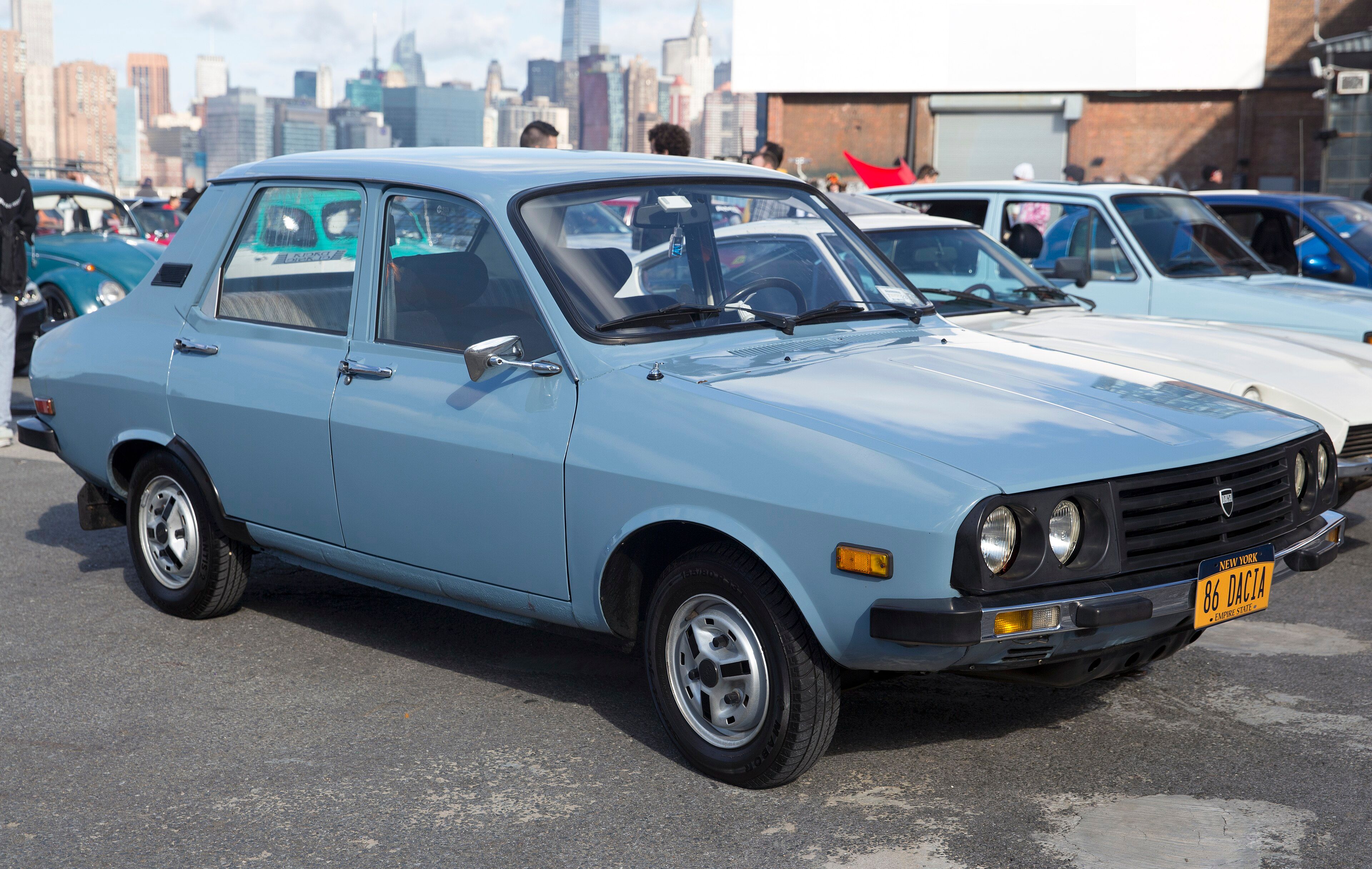
Photo: “1986 Dacia 1310 TLX in Light Blue, front right.jpg” by Mr.choppers / Wikimedia Commons, licensed under CC BY-SA 3.0
Mildly facelifted continuation of the 1300, renamed 1310; outlasted the communist regime by 14 years before being replaced by the Logan.
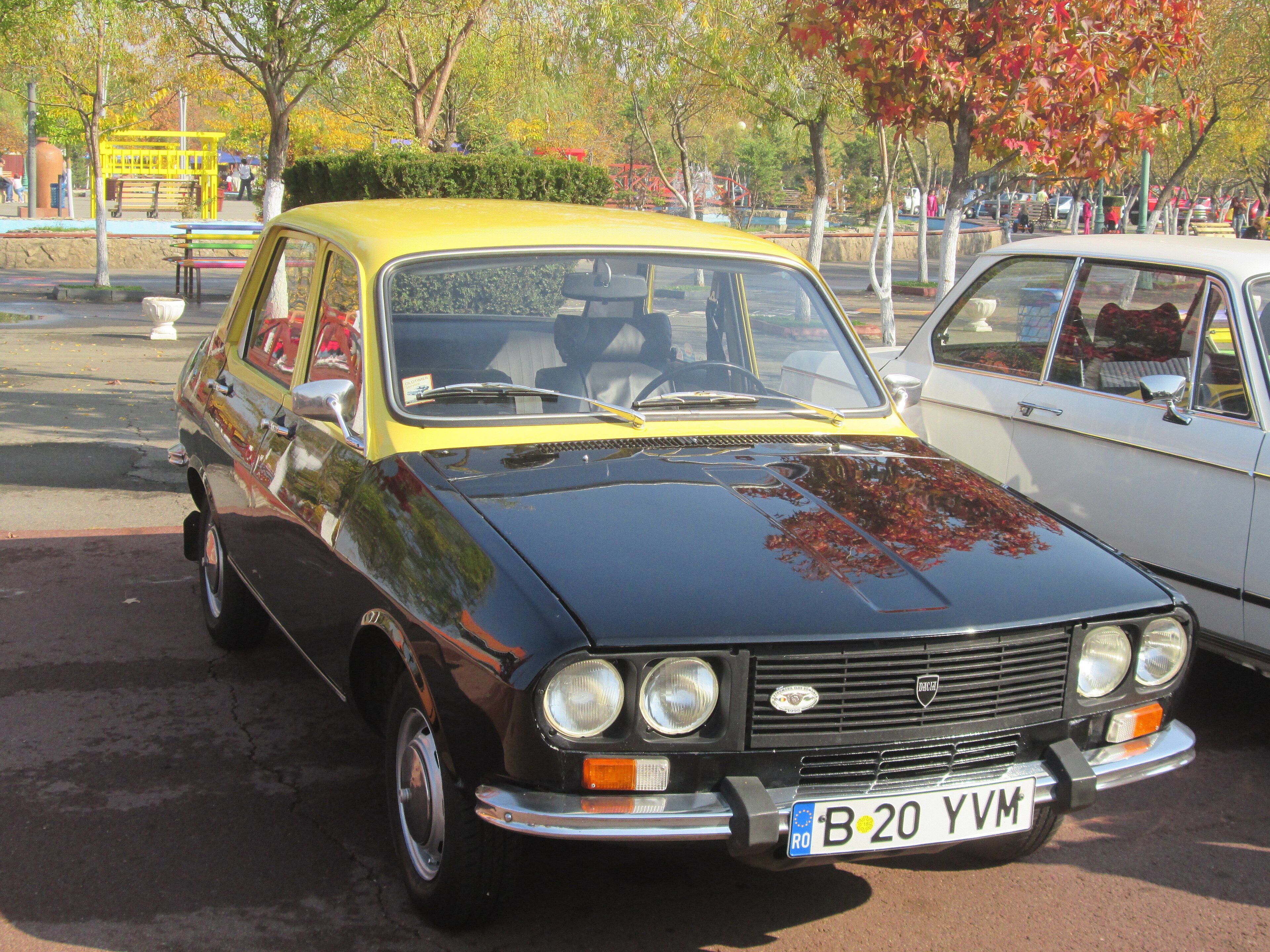
1982 Photo: “1982 Dacia 1310 for Colombia.jpg” by TrainSimFan / Wikimedia Commons, licensed under CC BY-SA 4.0
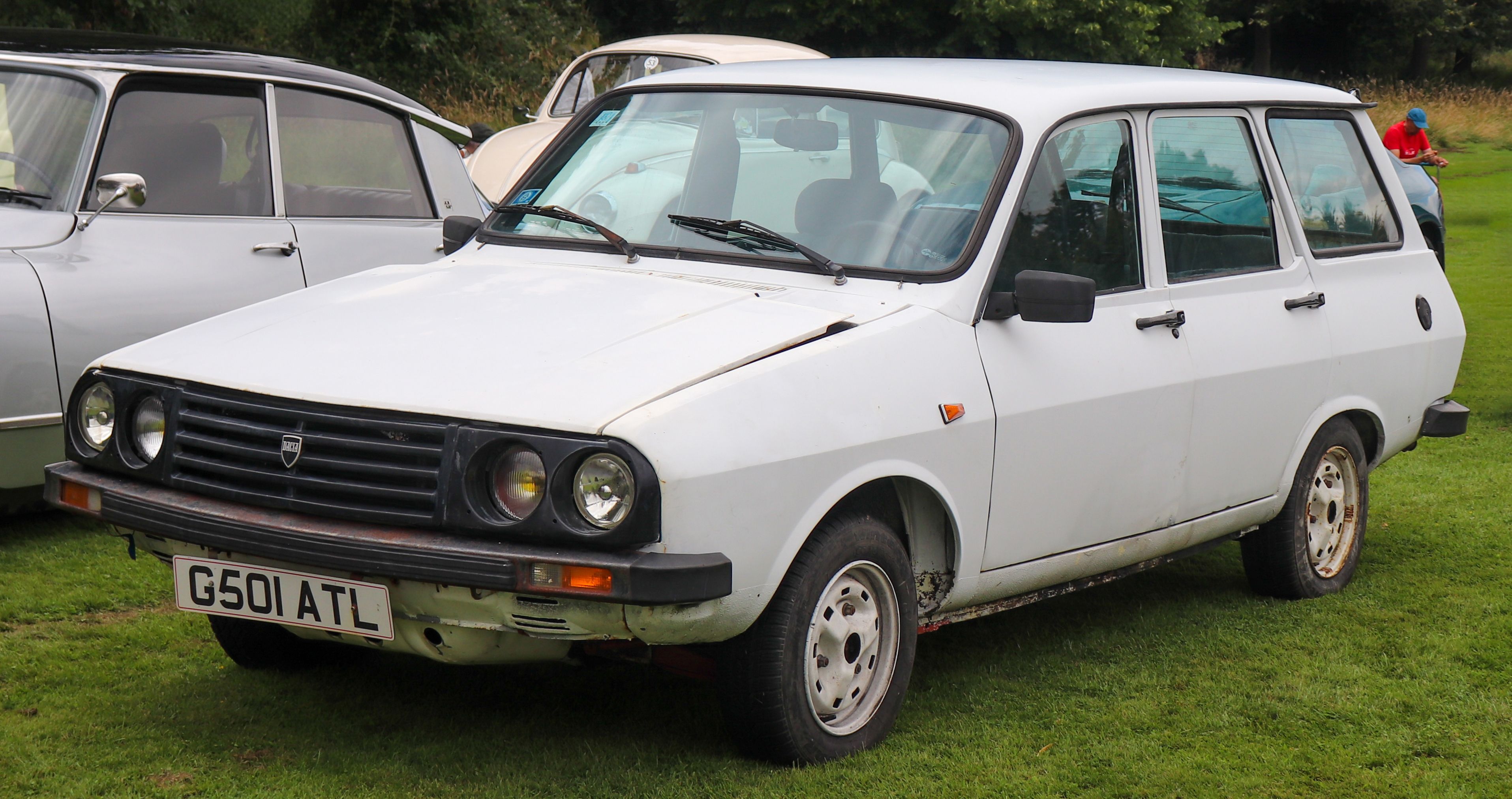
1990 Photo: “1990 Dacia 1310 MLS 1.4 Front.jpg” by Vauxford / Wikimedia Commons, licensed under CC BY-SA 4.0
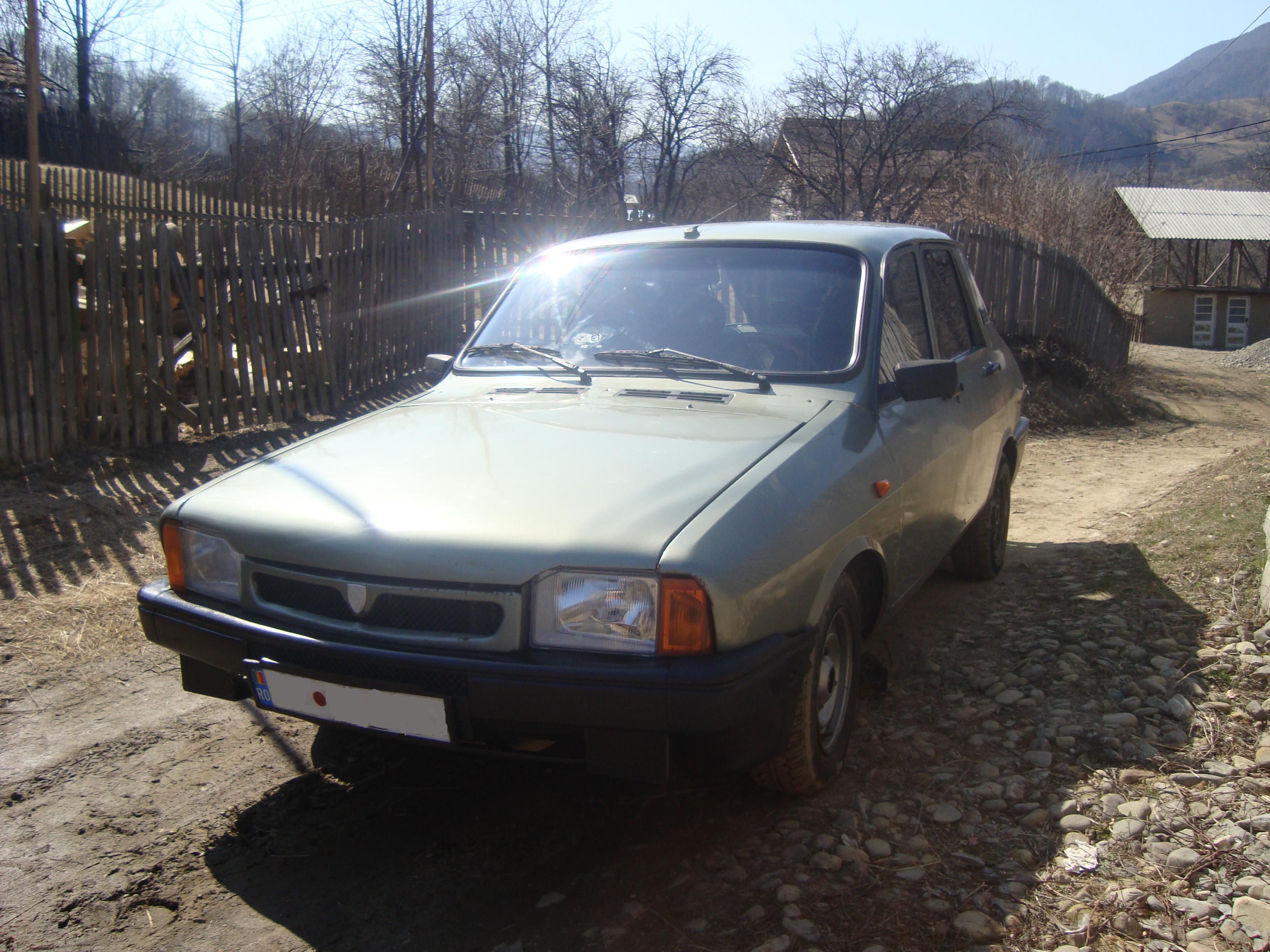
1996 Photo: “1996 Dacia 1310.jpg” by Podaru Marius / Wikimedia Commons, licensed under CC BY-SA 3.0
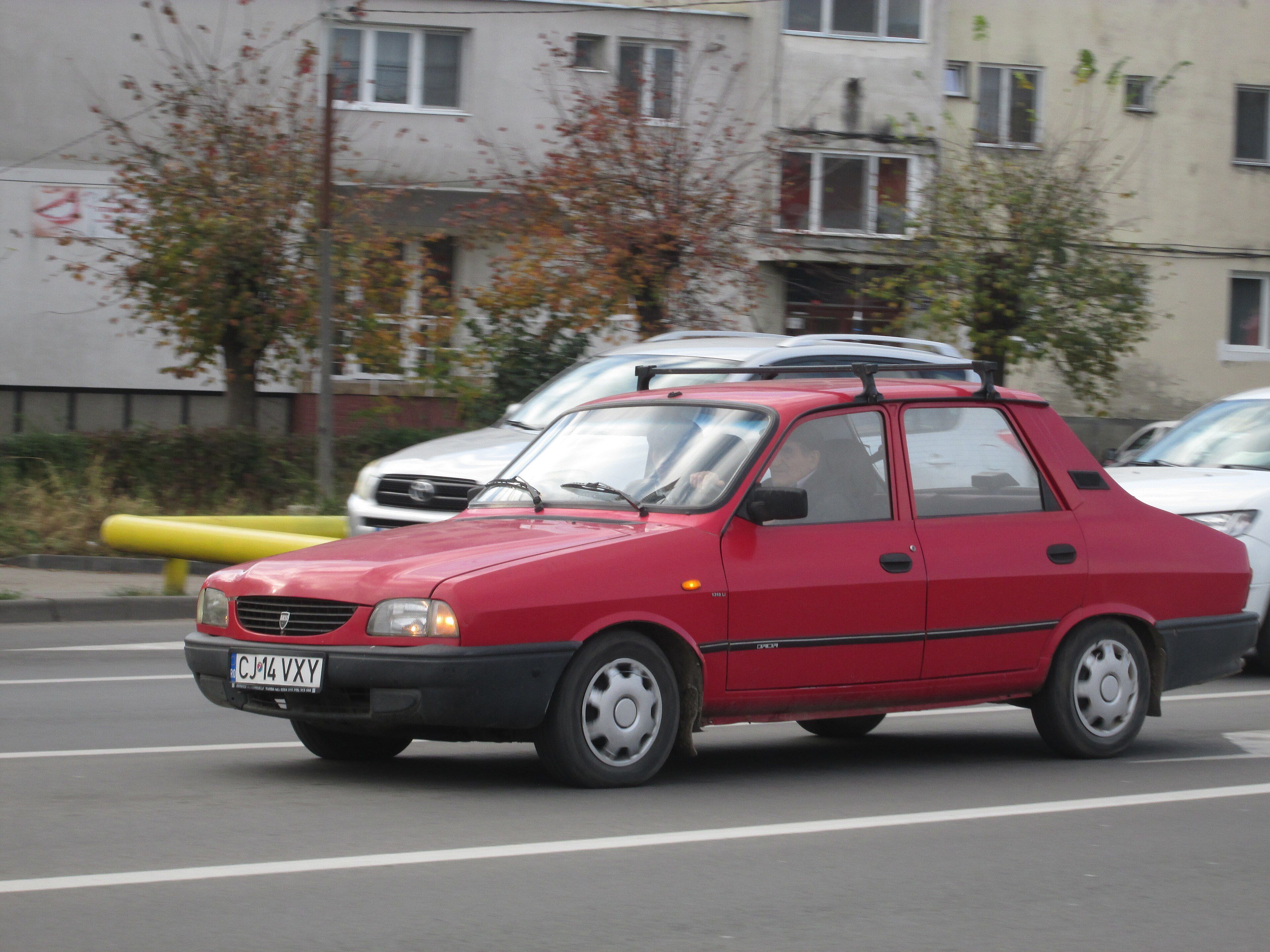
2002 Photo: “2002 Dacia 1310 in Turda.jpg” by TrainSimFan / Wikimedia Commons, licensed under CC BY-SA 4.0
Body styles
- Saloon
- Estate
- Coupé
- Pickup
Related models
Collect the nameplate
Find a scale model of the Dacia 1300 / 1310
Search Amazon across available years, colors, and scales. Exact releases vary, so confirm the listing before ordering.