
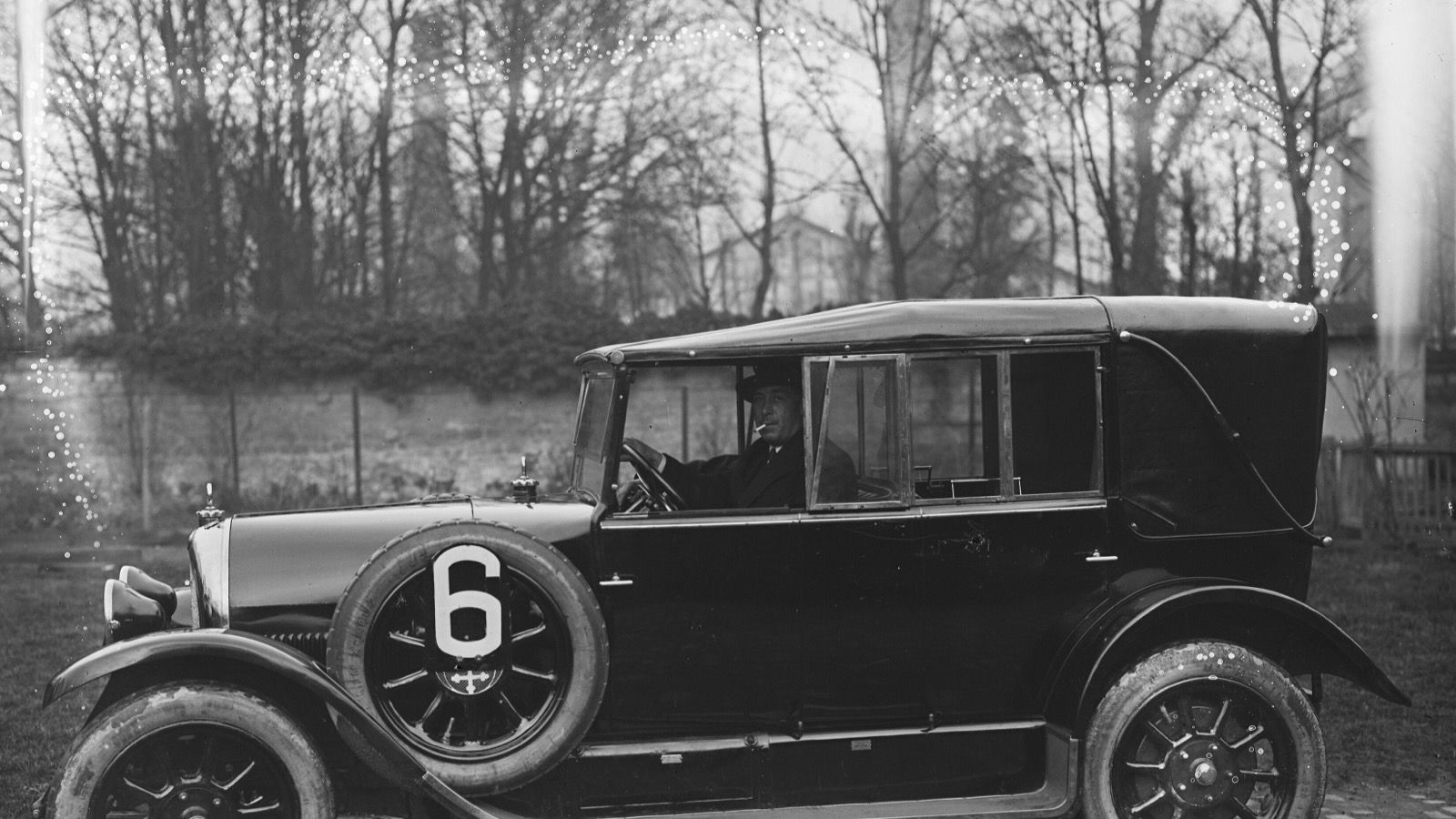
Lorraine-Dietrich B3-6 (15 CV) History
The 3.4-litre six-cylinder tourer that won Le Mans back-to-back in 1925 and 1926 — the make's definitive and most successful model.
Photo: “File:Pesage de Paris-Nice (critérium de tourisme automobile, à Neuilly-sur-Seine, le 12 février 1923), Brisson sur Lorraine-Dietrich - btv1b530994319.jpg” by Agence Rol. Agence photographique (commanditaire) / Wikimedia Commons — Public domain. Cropped to 16:9.
History
Introduced in 1922 as the third variant in Marius Barbarou's post-war six-cylinder range (following the 1919 A1-6 and B2-6), the B3-6 shared its 3,445 cc six-cylinder engine — overhead valves, hemispherical combustion chambers, aluminium pistons, four-bearing crankshaft — with its siblings but could be specified on either a short or long wheelbase. All variants fell within the 15 CV fiscal horsepower bracket.
Racing versions of the B3-6 dominated Le Mans in consecutive years. In 1925 the Lorraine-Dietrichs ended Bentley's early dominance, winning outright with a sister car finishing third. In 1926 Bloch and Rossignol led a historic 1-2-3 sweep at an average of 106 km/h — the first time any marque had won Le Mans twice and the first clean podium sweep in the race's history. The factory promptly listed a short-wheelbase Sport variant in its catalogue under the name 'Le Mans', featuring dual ignition, twin Zenith carburettors, an oil cooler, servo-assisted brakes, and a stone guard.
Road-going B3-6 tourers and cabriolets continued in production until 1932. A surviving 1933-dated Bonhams auction example (chassis 125674) demonstrates that the engine designation remained in use on bespoke coachbuilt bodies into the early 1930s, though factory volume had wound down significantly after the 15 CV's commercial peak in the mid-1920s.
Generations
Original long-wheelbase · A1-6 / B2-6 / B3-6 tourer
Photo: “File:Pesage de Paris-Nice (critérium de tourisme automobile, à Neuilly-sur-Seine, le 12 février 1923), Brisson sur Lorraine-Dietrich - btv1b530994319.jpg” by Agence Rol. Agence photographique (commanditaire) / Wikimedia Commons — Public domain. Cropped to 16:9.
Marius Barbarou's 3,445 cc OHV six on twin wheelbases; conventional tourer and formal coachwork.
1923 Photo: “File:Pesage de Paris-Nice (critérium de tourisme automobile, à Neuilly-sur-Seine, le 12 février 1923), Brisson sur Lorraine-Dietrich - btv1b530994319.jpg” by Agence Rol. Agence photographique (commanditaire) / Wikimedia Commons — Public domain. Cropped to 16:9.
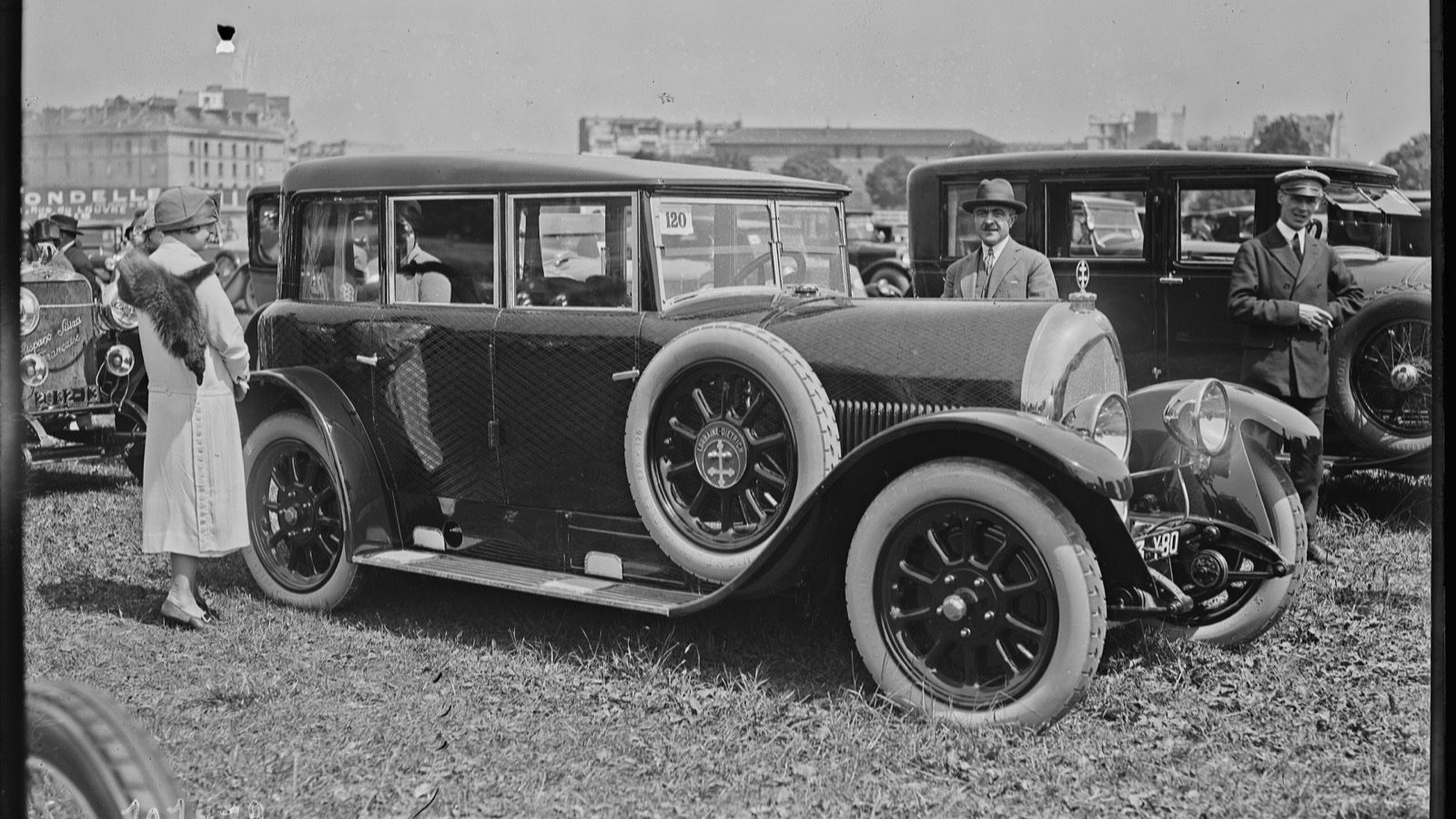
1925 Photo: “File:5-6-25, Parc des Princes, concours d'élégance, voiture de Mme Saladier (carrosserie Alin Liautard et Cie, Lorraine-Dietrich) (catégorie) amateurs sport fermée - btv1b53147766z.jpg” by Agence Rol. Agence photographique (commanditaire) / Wikimedia Commons — Public domain. Cropped to 16:9.
Le Mans Sport era · B3-6 Sport / Le Mans
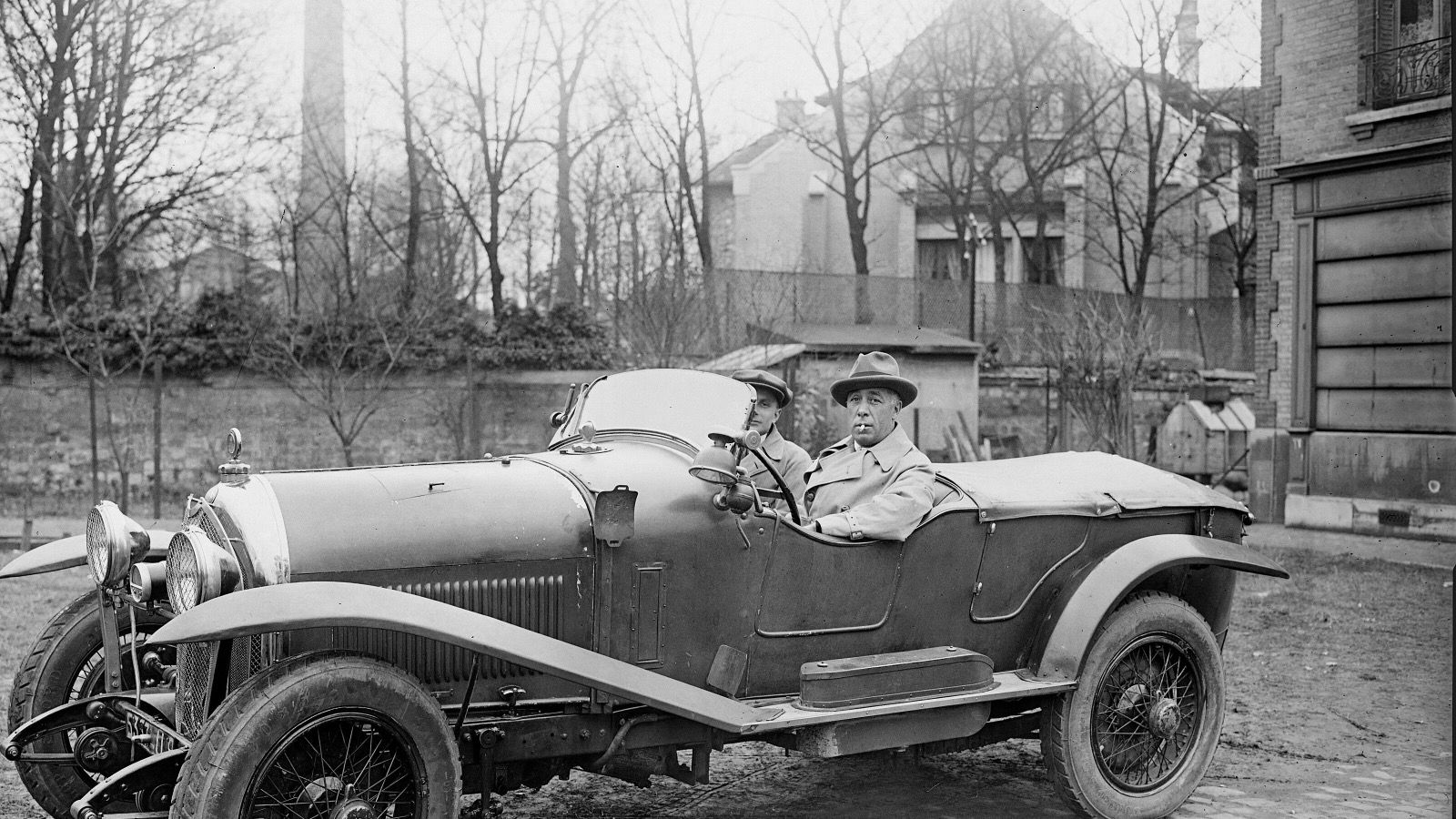
Photo: “File:4-3-27, Paris-Nice, Brisson sur Loraine (pesage à Neuilly, laboratoire de l'ACF, 80 boulevard Bourdon) - btv1b531746456.jpg” by Agence Rol. Agence photographique (commanditaire) / Wikimedia Commons — Public domain. Cropped to 16:9.
Short-wheelbase Sport with twin carburettors, dual ignition, and servo brakes — factory-named after the 1925–1926 victories.
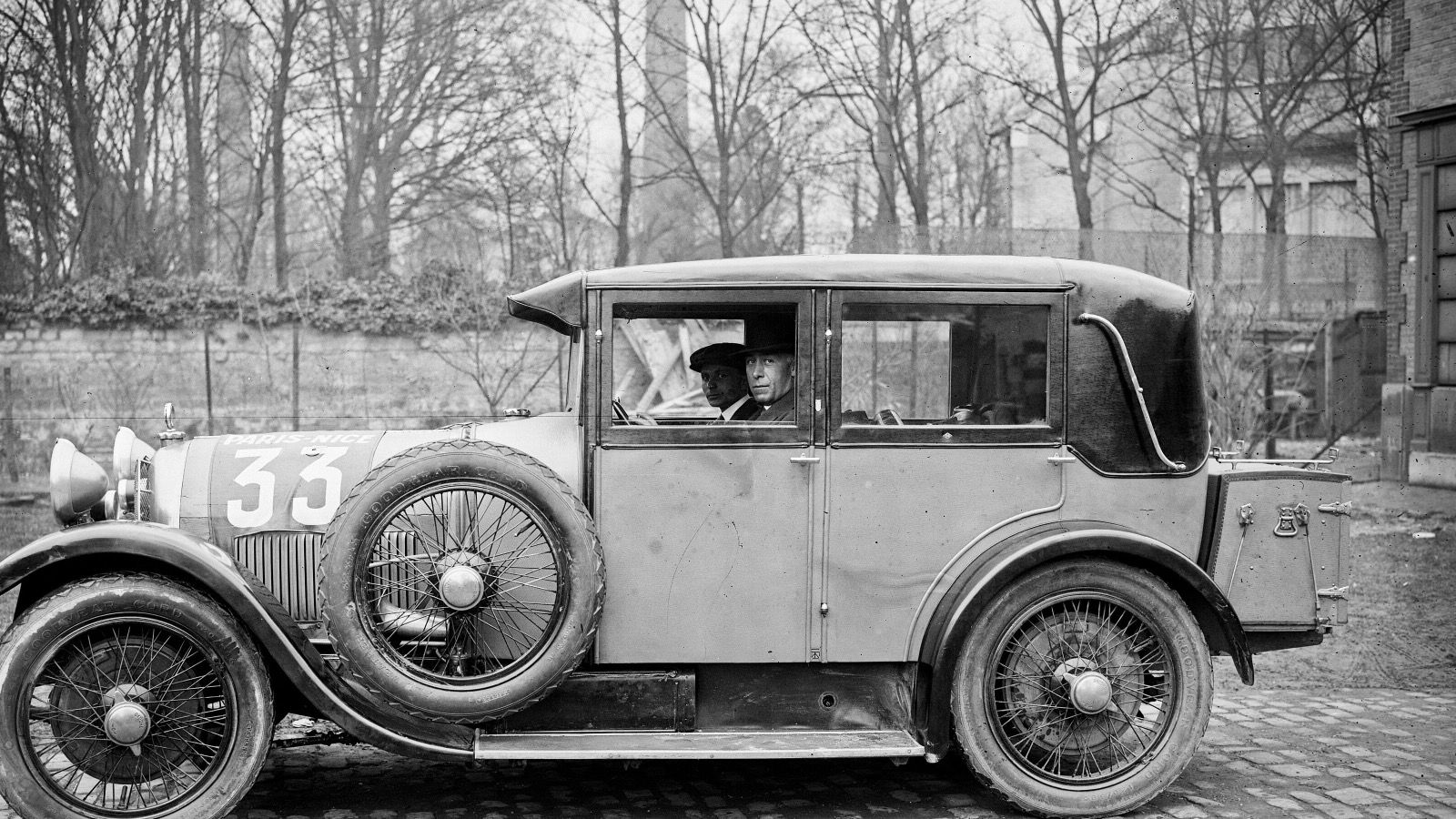
1926 Photo: “File:15-2-26, Paris - Nice (Neuilly sur Seine, pesage du concours de) tourisme, Brisson sur Lorraine-Dietrich - btv1b53158252h.jpg” by Agence Rol. Agence photographique (commanditaire) / Wikimedia Commons — Public domain. Cropped to 16:9.
1927 Photo: “File:4-3-27, Paris-Nice, Brisson sur Loraine (pesage à Neuilly, laboratoire de l'ACF, 80 boulevard Bourdon) - btv1b531746456.jpg” by Agence Rol. Agence photographique (commanditaire) / Wikimedia Commons — Public domain. Cropped to 16:9.
Body styles
- Touring car
- Sport tourer
- Cabriolet
Notable special editions & performance variants
B3-6 Le Mans Sport
Short-wheelbase Sport variant with dual ignition, twin Zenith carburettors, servo brakes, oil cooler, and stone guard — factory-catalogued as the 'Le Mans' model after the 1925–1926 victories.
Related models
Collect the nameplate
Find a scale model of the Lorraine-Dietrich B3-6 (15 CV)
Search Amazon across available years, colors, and scales. Exact releases vary, so confirm the listing before ordering.