
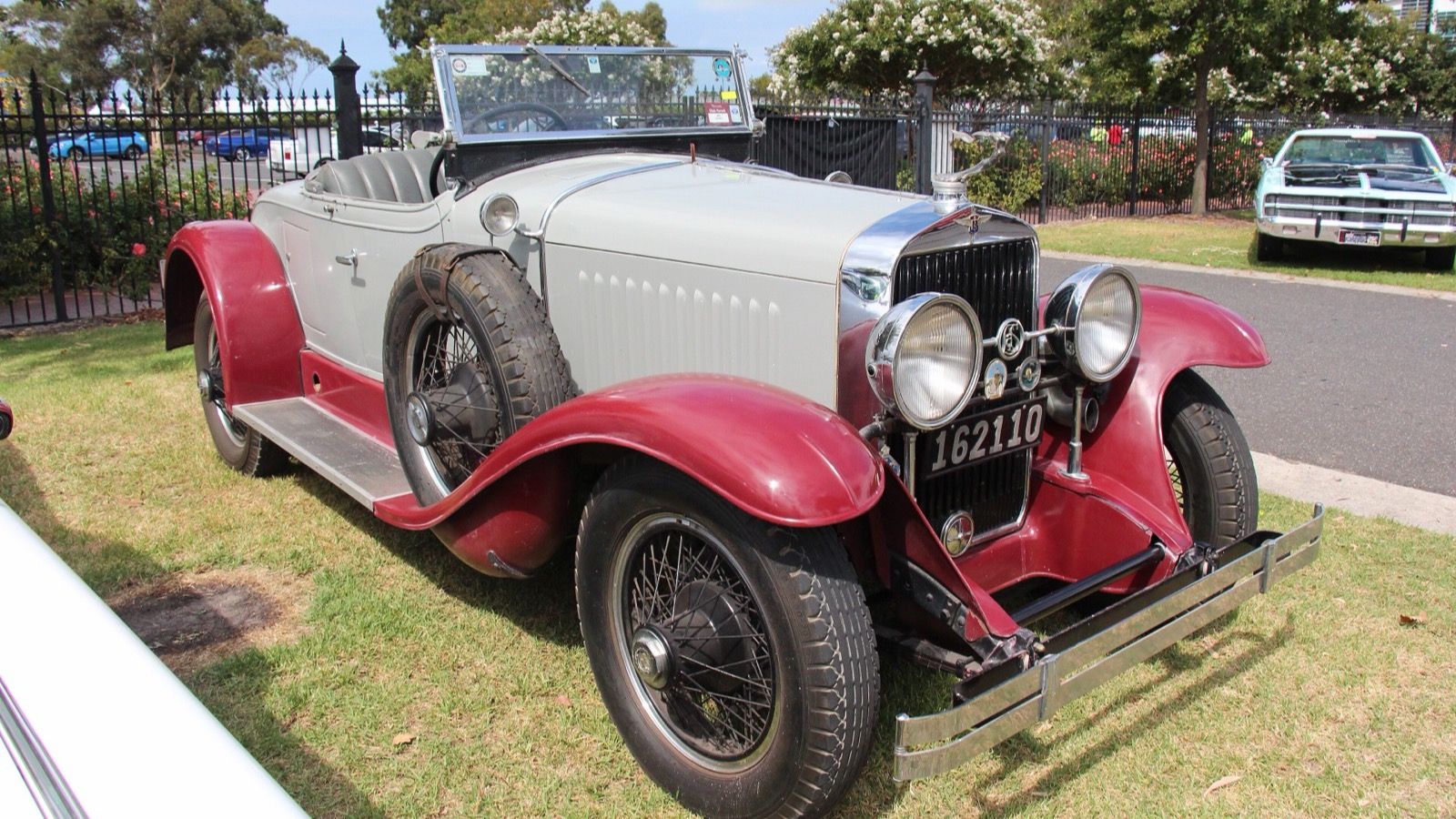
LaSalle Series 303 History
The original Cadillac-built LaSalle (1927–1933) — Harley Earl's debut design and the first American production car styled by a dedicated designer.
Photo: “File:LaSalle 1927 Model 303 Roadster (33363075335).jpg” by Sicnag / Wikimedia Commons, licensed under CC BY 2.0. Cropped to 16:9.
History
LaSalle was introduced for 1927 as a General Motors 'companion make,' built by the Cadillac Motor Car Company and slotted in price just below Cadillac, between Buick and the senior marque. It was named — like Cadillac — after a French explorer, René-Robert Cavelier, Sieur de La Salle. Its lasting significance is in its styling: the 1927 LaSalle was designed by Harley Earl, hired by Cadillac general manager Lawrence Fisher, making it the first American mass-production car shaped by a dedicated stylist rather than by engineers or coachbuilders. Earl drew openly on the elegant proportions of the European Hispano-Suiza, and the car's success led GM to establish its 'Art and Colour Section' under Earl — the origin of the modern automotive styling studio.
The first cars were the Series 303, powered by a 303-cubic-inch (5.0-liter) L-head V8 derived from Cadillac practice, on wheelbases of 125 and 134 inches. Over the following years the series number tracked the growing engine: Series 328 (1929), Series 340 (1930), and the Series 345-A through 345-C (1931–1933), the displacement rising toward Cadillac's own V8s. Sales peaked early, with around 22,691 LaSalles built in 1929 before the marque's best pre-Depression year.
The Great Depression gutted the luxury market: LaSalle output collapsed to roughly 3,290 cars in 1932. By 1933 GM seriously considered killing the slow-selling brand. It survived only because of a bold styling intervention — Harley Earl's team showed management a dramatic new design for 1934, the car that became the straight-eight Series 350.
Generations
Series 303 · 1927–1928 Series 303
Photo: “File:LaSalle 1927 Model 303 Roadster (33363075335).jpg” by Sicnag / Wikimedia Commons, licensed under CC BY 2.0. Cropped to 16:9.
The debut LaSalle — Harley Earl's first production design, on a 303-cubic-inch Cadillac-type V8, offered on 125- and 134-inch wheelbases.
1927 Photo: “File:LaSalle 1927 Model 303 Roadster (33363075335).jpg” by Sicnag / Wikimedia Commons, licensed under CC BY 2.0. Cropped to 16:9.
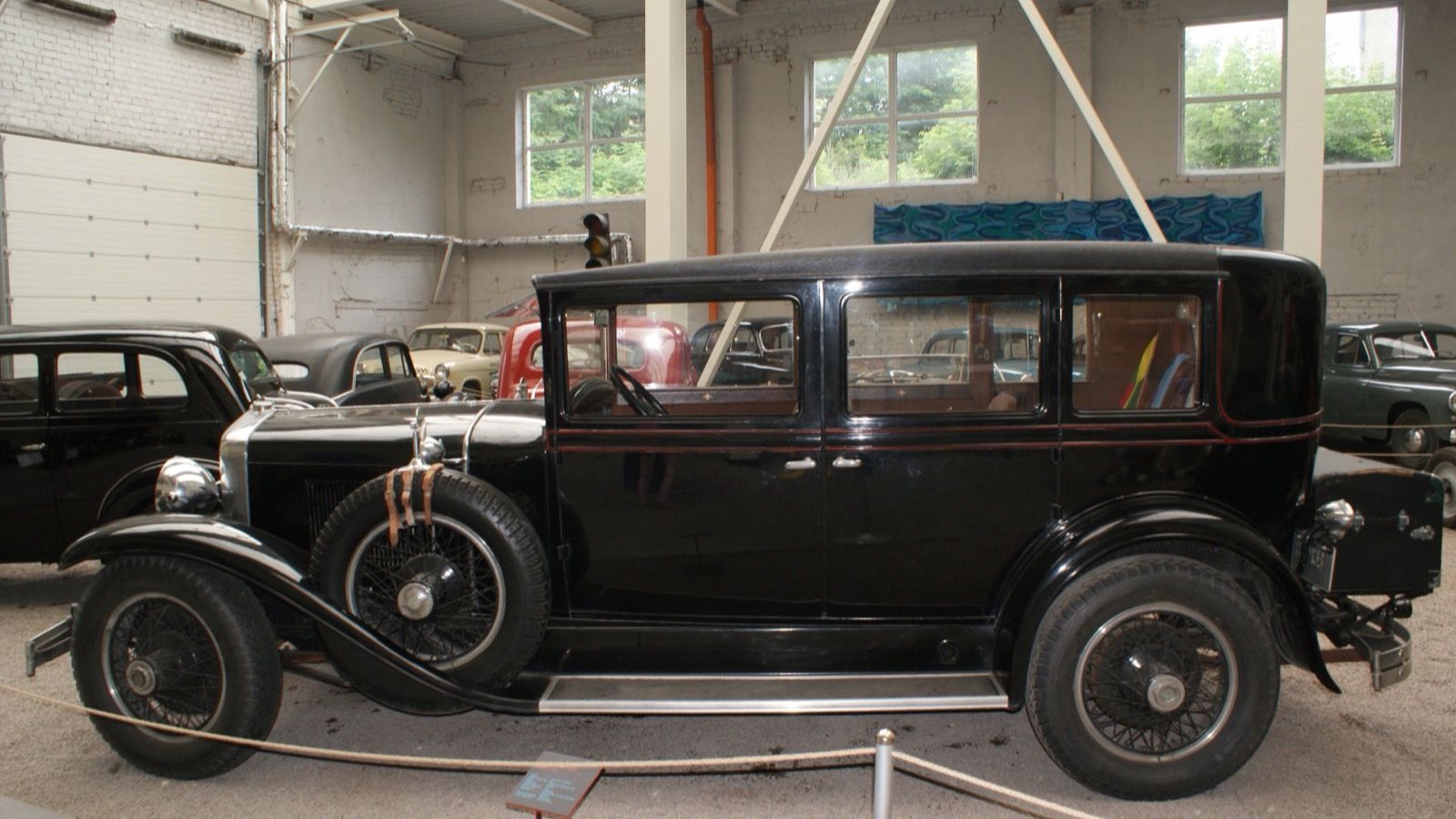
1928 Photo: “File:LaSalle 1928 Seven Passenger Sedan - Vilnius Energy and Technology Museum.jpg” by Хомелка / Wikimedia Commons, licensed under CC BY-SA 3.0. Cropped to 16:9.
Series 328 / 340 · 1929–1930
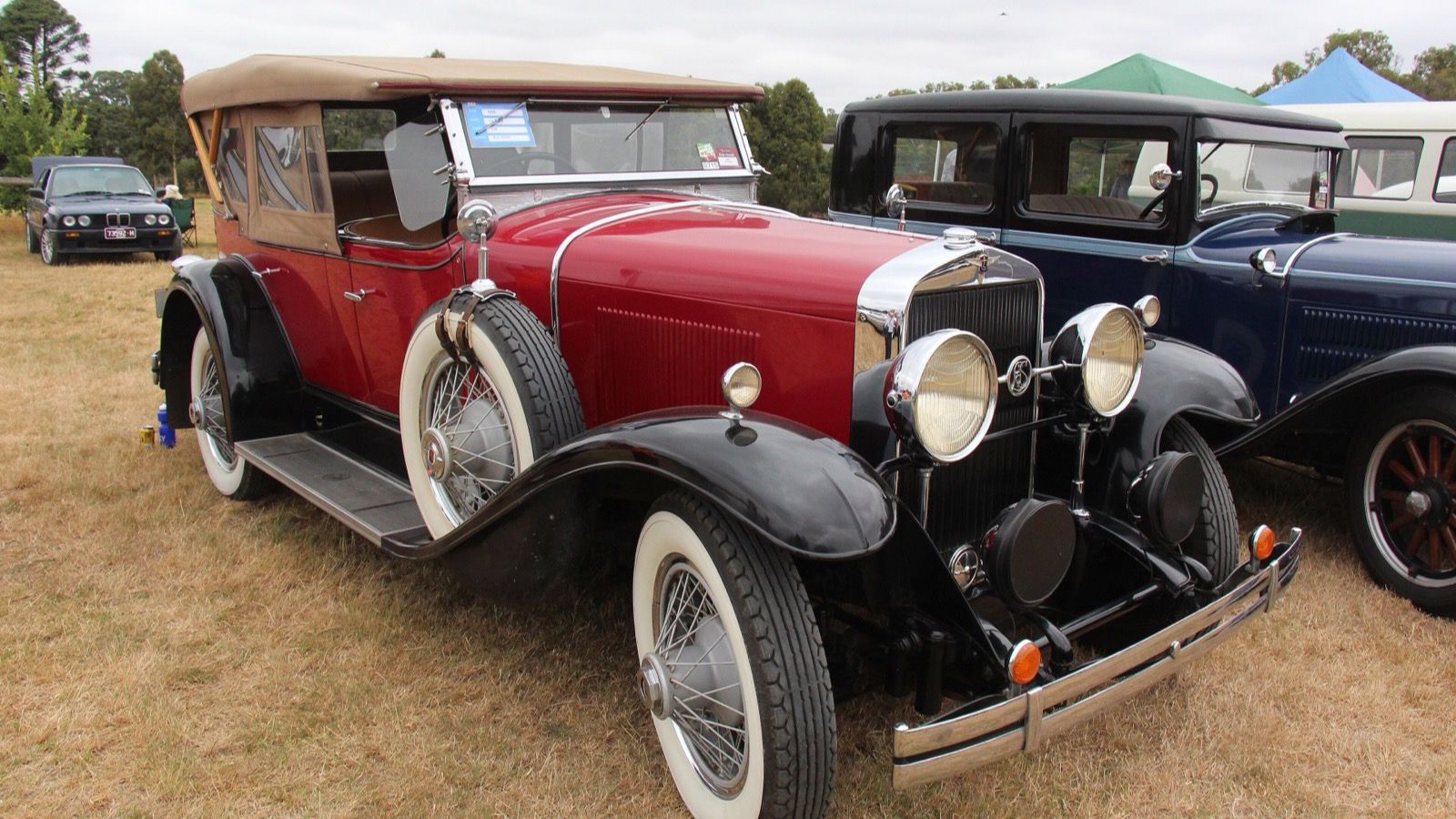
Photo: “File:1929 LaSalle Model 328 tourer (46789110752).jpg” by Sicnag / Wikimedia Commons, licensed under CC BY 2.0. Cropped to 16:9.
Engine grew to the 328 (1929) and 340 (1930) cubic-inch V8s; 1929 was the marque's strongest early year at roughly 22,691 cars.
1929 Photo: “File:1929 LaSalle Model 328 tourer (46789110752).jpg” by Sicnag / Wikimedia Commons, licensed under CC BY 2.0. Cropped to 16:9.
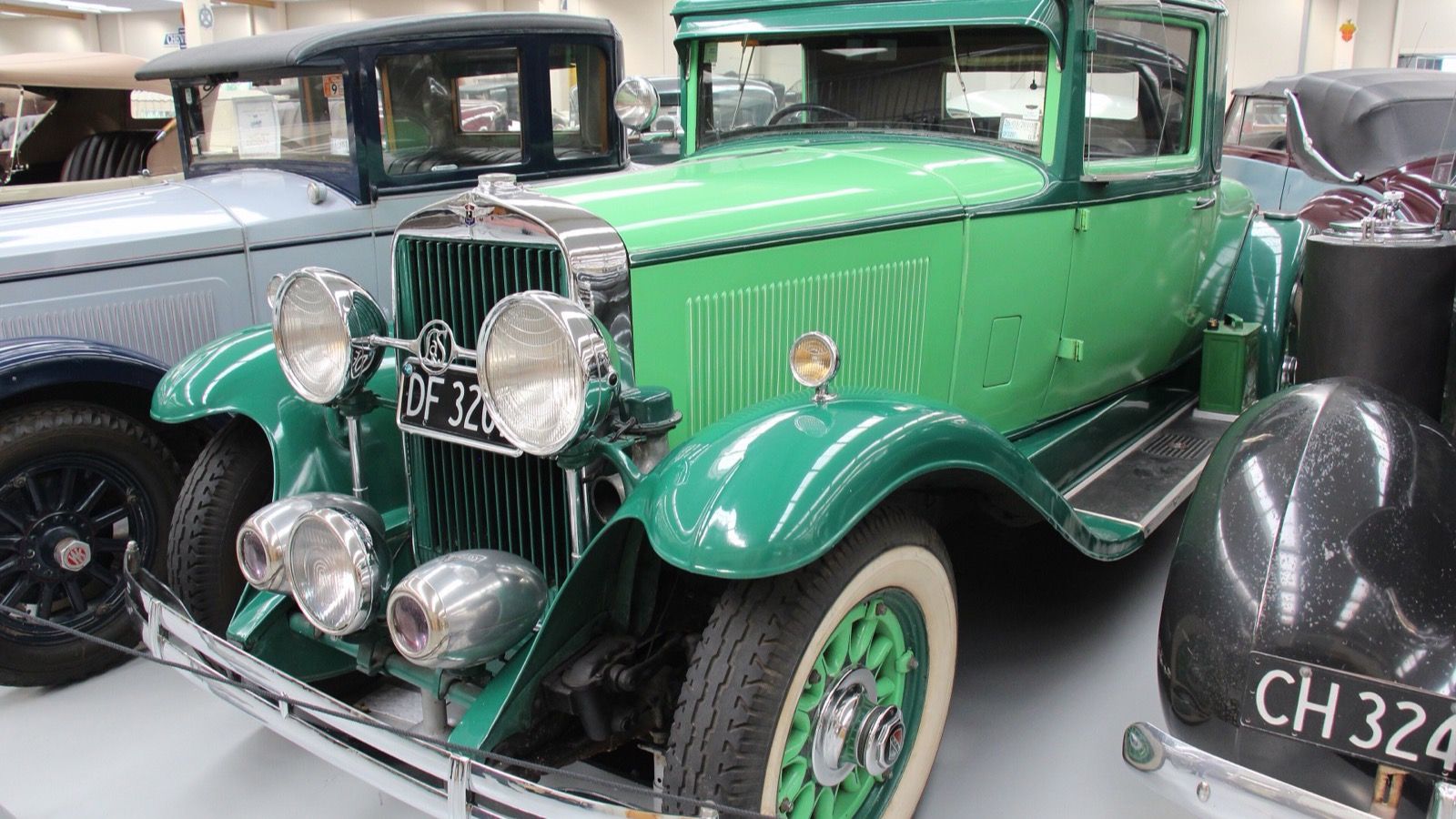
1930 Photo: “File:1930 Lasalle Model 340 Coupe (40452237433).jpg” by Sicnag / Wikimedia Commons, licensed under CC BY 2.0. Cropped to 16:9.
Series 345 · 1931–1933 (345-A/B/C)
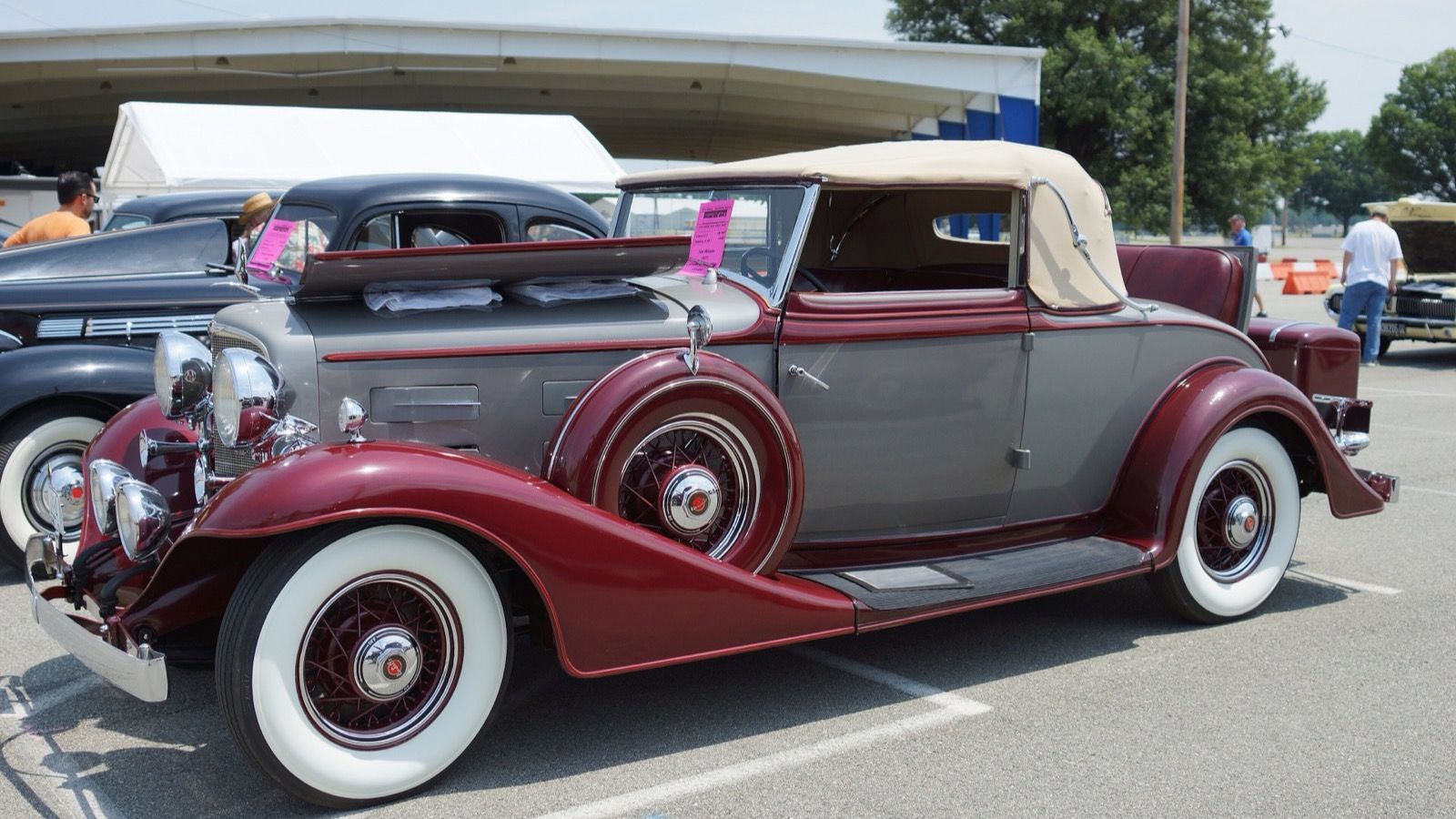
Photo: “File:LaSalle 1933 Convertible Coupe (18370350874).jpg” by jjmusgrove from Glen Allen, VA, United States / Wikimedia Commons, licensed under CC BY 2.0. Cropped to 16:9.
The Depression-era cars, sharing Cadillac's 345-cubic-inch V8; sales cratered to about 3,290 in 1932 and the brand nearly folded.
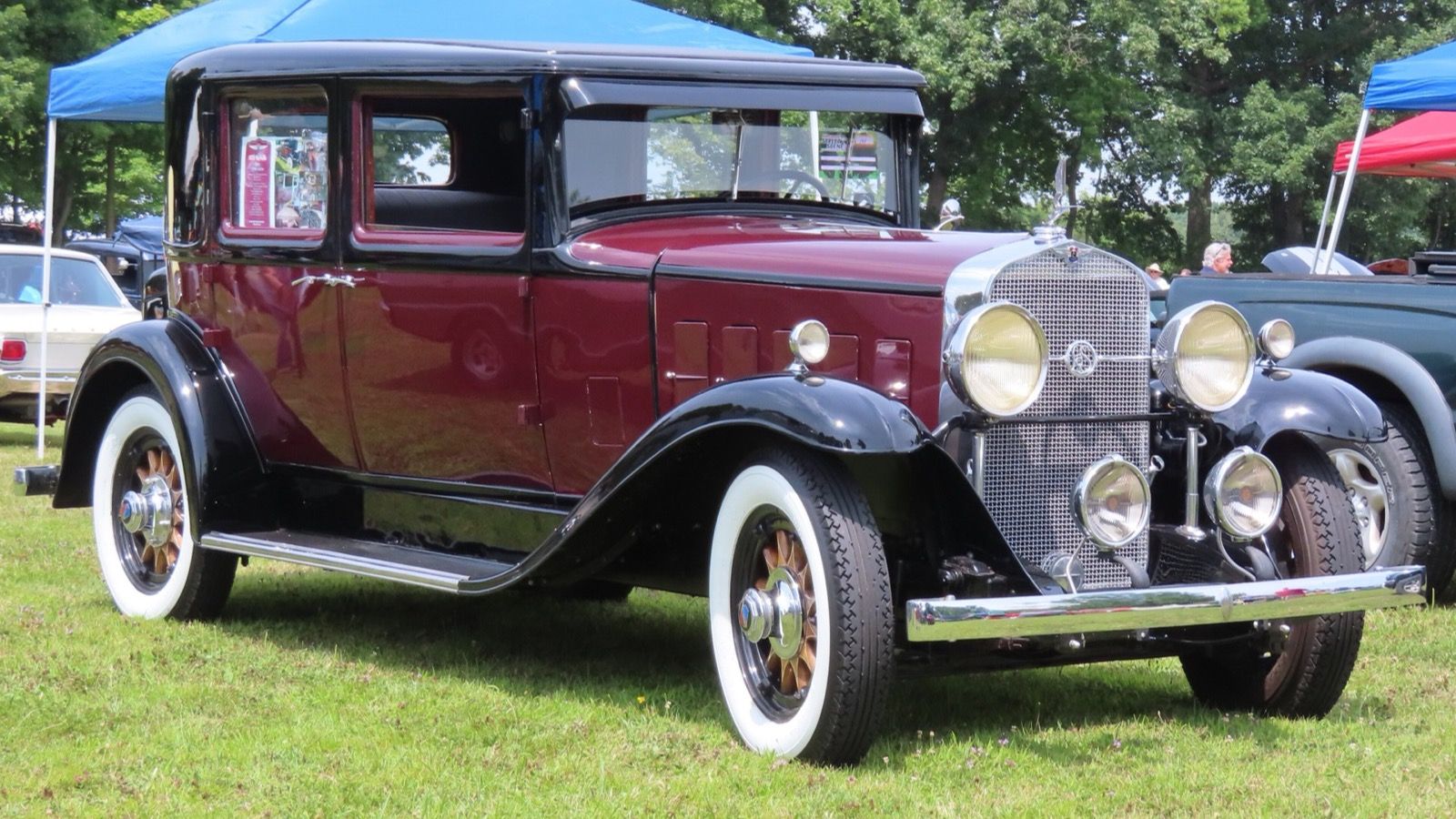
1931 Photo: “File:1931 LaSalle 5-passenger Town Sedan, front right, 07-21-2024.jpg” by MercurySable99 / Wikimedia Commons, licensed under CC BY-SA 4.0. Cropped to 16:9.
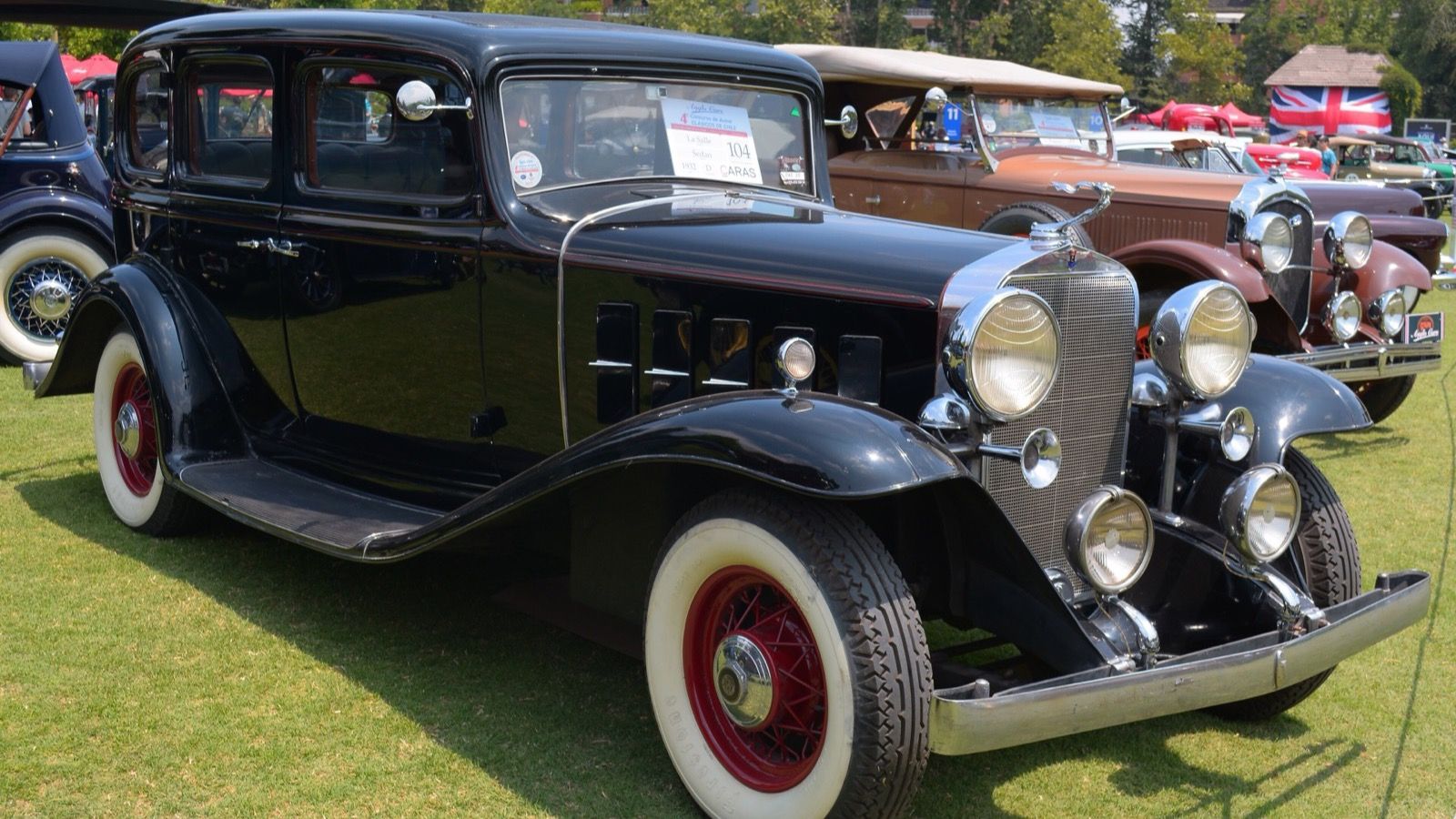
1932 Photo: “File:1932 LaSalle 345 sedan (39201291622).jpg” by RL GNZLZ from Chile / Wikimedia Commons, licensed under CC BY-SA 2.0. Cropped to 16:9.
1933 Photo: “File:LaSalle 1933 Convertible Coupe (18370350874).jpg” by jjmusgrove from Glen Allen, VA, United States / Wikimedia Commons, licensed under CC BY 2.0. Cropped to 16:9.
Body styles
- Roadster
- Coupe
- Sedan
- Phaeton
- Town car
Related models
Collect the nameplate
Find a scale model of the LaSalle Series 303
Search Amazon across available years, colors, and scales. Exact releases vary, so confirm the listing before ordering.