
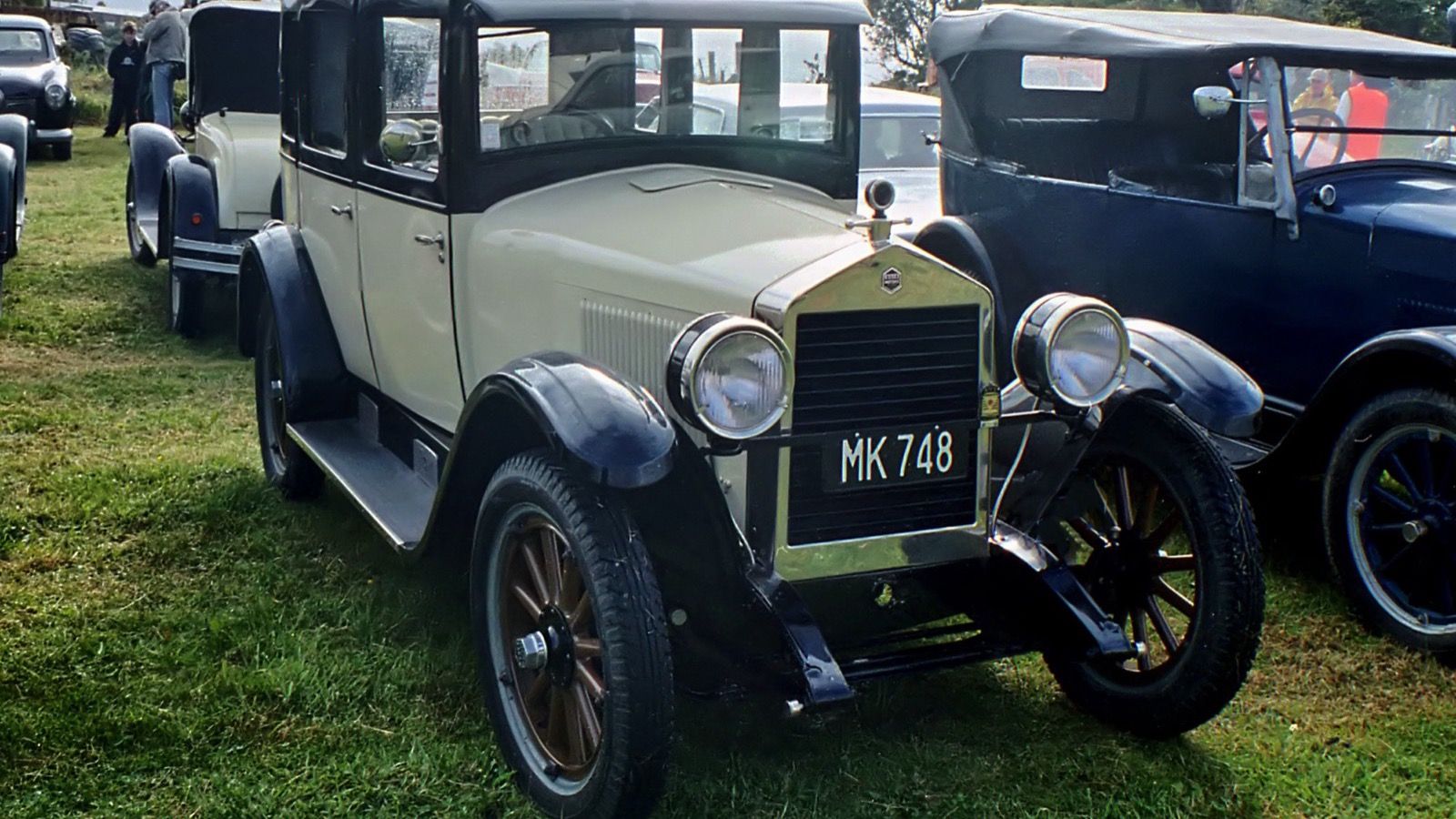
Essex Six History
Essex's six-cylinder line from 1924 — the volume car that, badged 'Super Six,' lifted Essex to third in US sales by 1929.
Photo: “1926 Essex (17403537034).jpg” by GPS 56 from New Zealand / Wikimedia Commons, licensed under CC BY 2.0. Cropped to 16:9.
History
For 1924 Essex replaced its four-cylinder car with a new six-cylinder engine, and the six-cylinder Essex became the brand's volume product for the rest of the decade. Affordable, closed-bodied, and increasingly well equipped, it rode the demand for cheap enclosed cars that Essex itself had helped create.
From 1927 Essex adopted the 'Super Six' label for its cars and aligned their styling more closely with the larger Hudsons; the Super Six name was used off and on through 1932. The strategy worked: in 1929 the Essex ranked third in US automobile sales, behind only Ford and Chevrolet, and the combined Hudson-Essex operation was among the strongest in the industry.
The Great Depression hit Essex hard. Sales fell sharply after 1929, and the brand was reworked and renamed late in its life — the Challenger and Pacemaker series of 1930–1932 — before the Essex name was retired. In total more than 1.13 million Essex cars were built across the marque's run.
Generations
Essex Six · Original six-cylinder Essex
Photo: “1926 Essex (17403537034).jpg” by GPS 56 from New Zealand / Wikimedia Commons, licensed under CC BY 2.0. Cropped to 16:9.
The six that replaced the four-cylinder Essex in 1924, carrying the affordable-closed-car formula into the mid-1920s sales boom.
1926 Photo: “1926 Essex (17403537034).jpg” by GPS 56 from New Zealand / Wikimedia Commons, licensed under CC BY 2.0. Cropped to 16:9.
Essex Super Six · Hudson-aligned Super Six
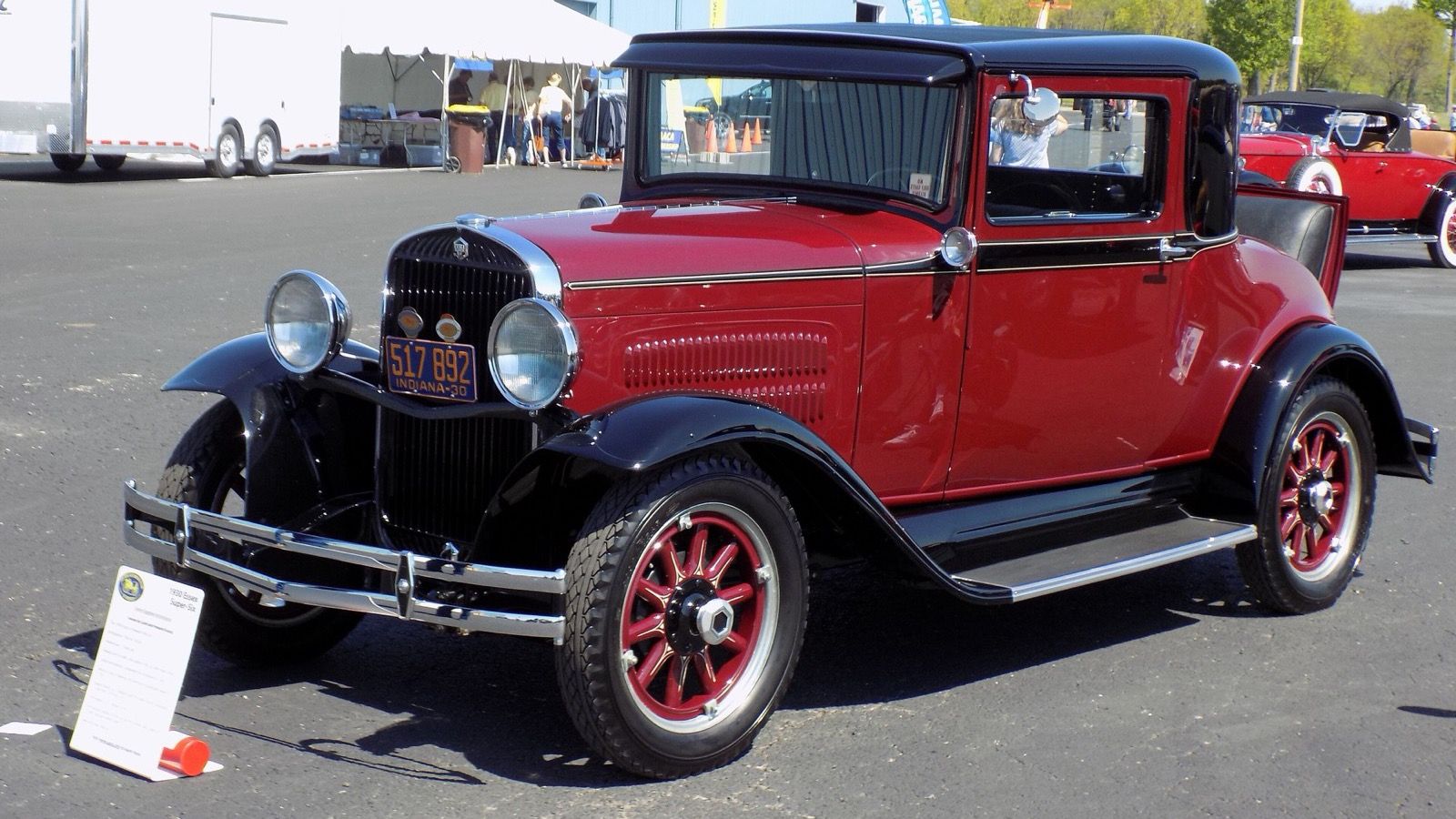
Photo: “1930 Essex Super-Six (34044155203).jpg” by Greg Gjerdingen from Willmar, USA / Wikimedia Commons, licensed under CC BY 2.0. Cropped to 16:9.
From 1927 Essex adopted the 'Super Six' label and Hudson-style design; this was the car that took Essex to third in US sales in 1929.
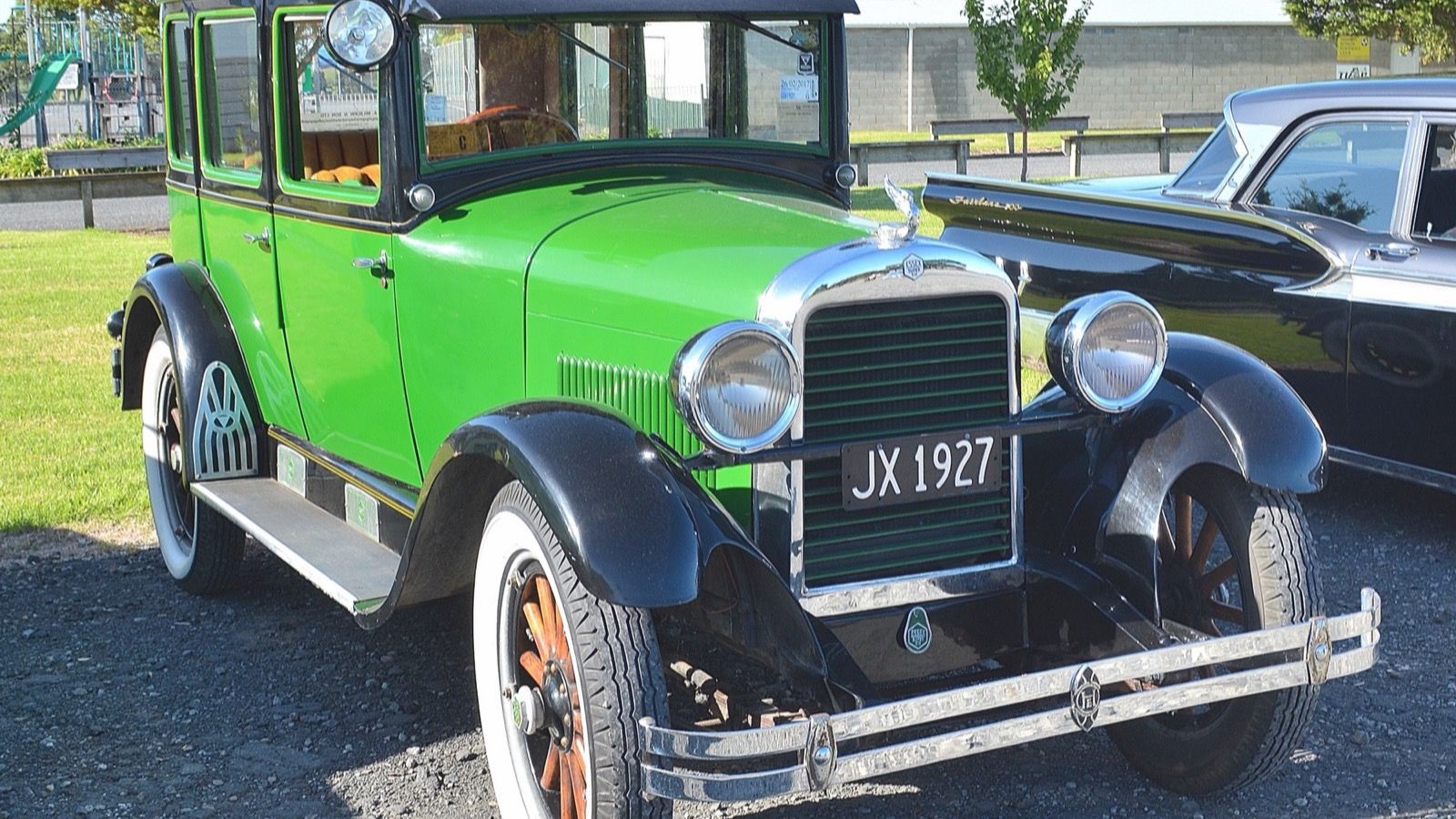
1927 Photo: “1927 Essex (25799626496).jpg” by GPS 56 from New Zealand / Wikimedia Commons, licensed under CC BY 2.0. Cropped to 16:9.
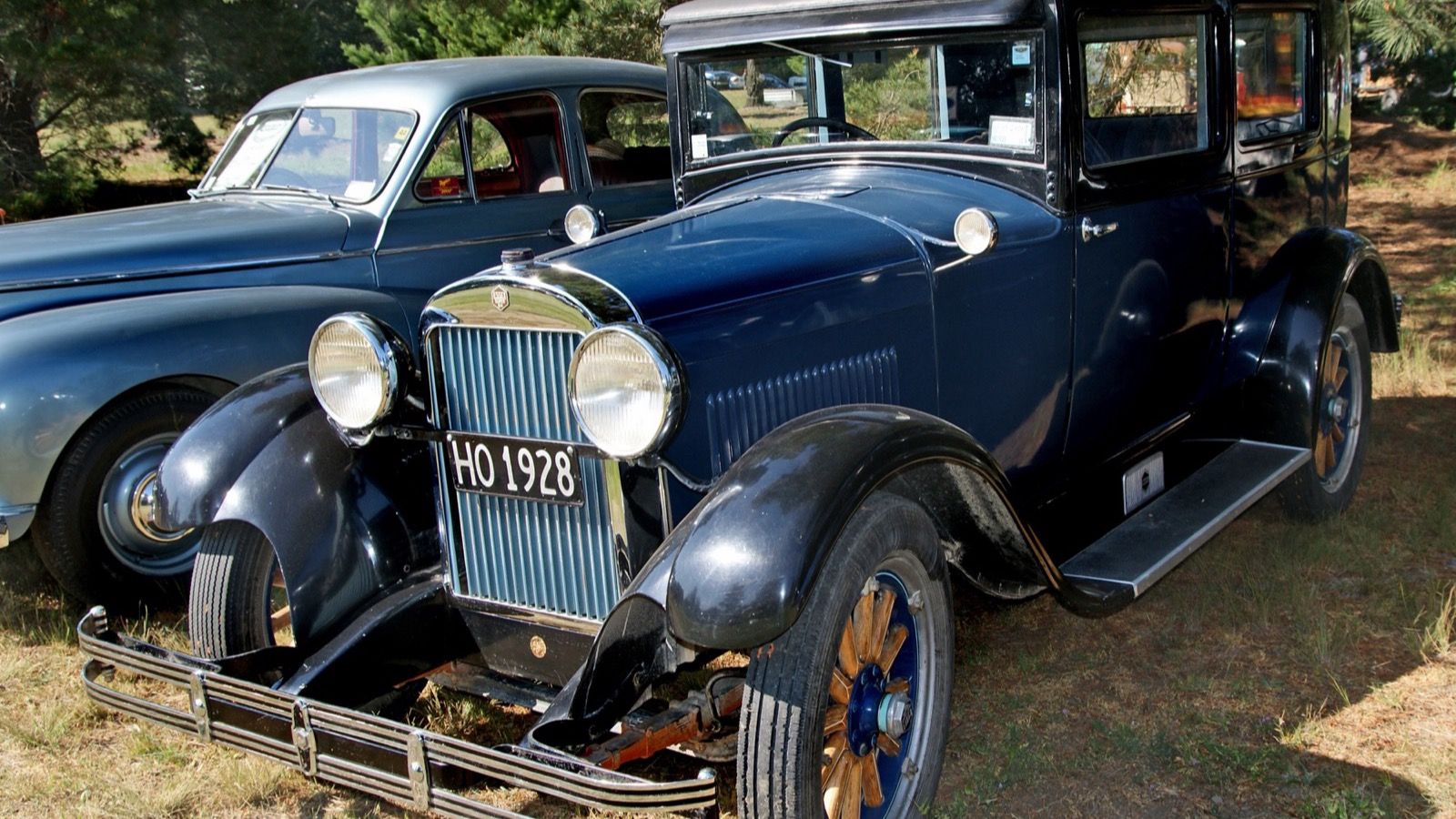
1928 Photo: “1928 Essex Super Six (8114597085).jpg” by Bernard Spragg. NZ from Christchurch, New Zealand / Wikimedia Commons — CC0 1.0. Cropped to 16:9.
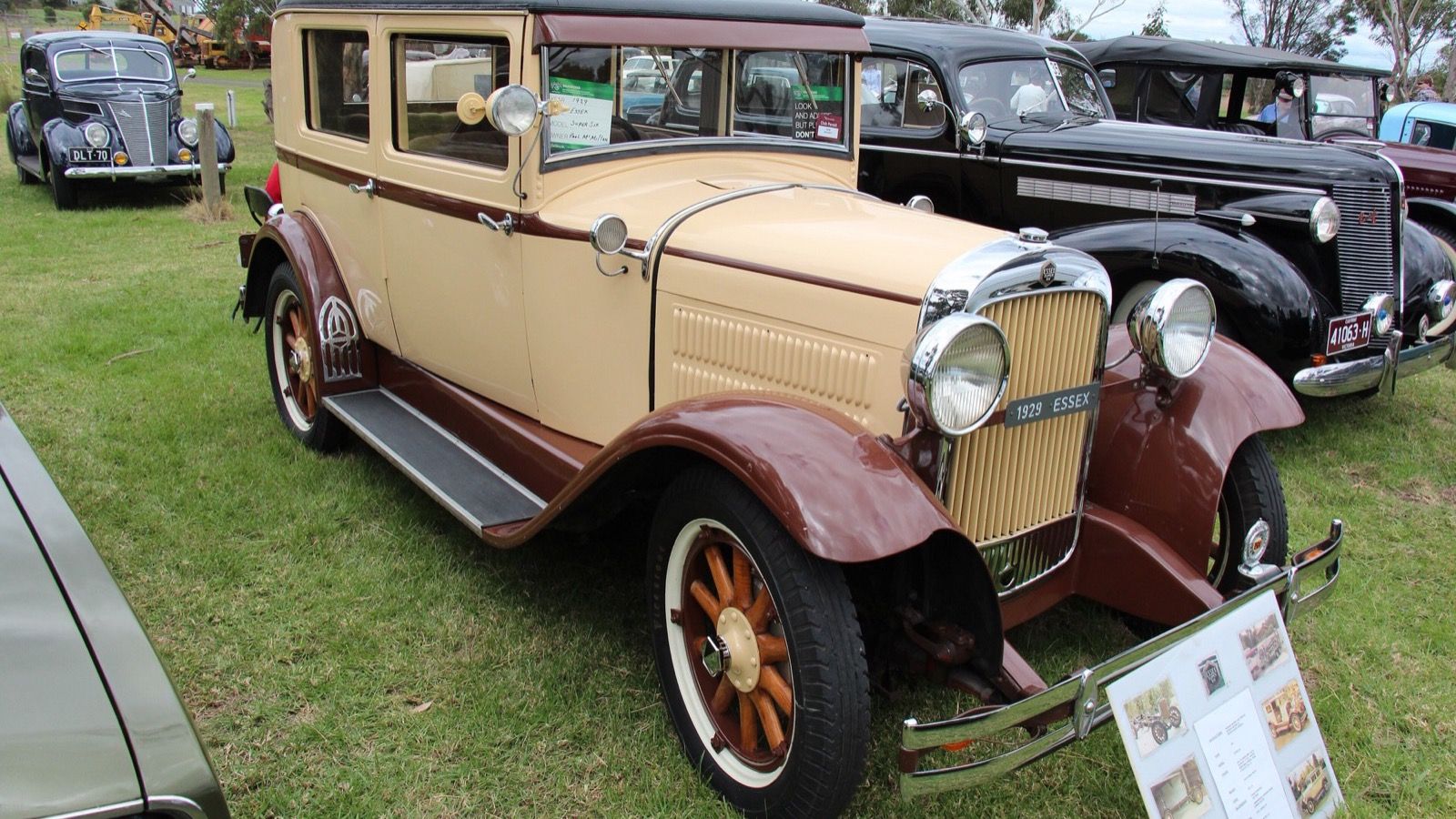
1929 Photo: “1929 Essex Super Six Sedan (26569241110).jpg” by Sicnag / Wikimedia Commons, licensed under CC BY 2.0. Cropped to 16:9.
1930 Photo: “1930 Essex Super-Six (34044155203).jpg” by Greg Gjerdingen from Willmar, USA / Wikimedia Commons, licensed under CC BY 2.0. Cropped to 16:9.
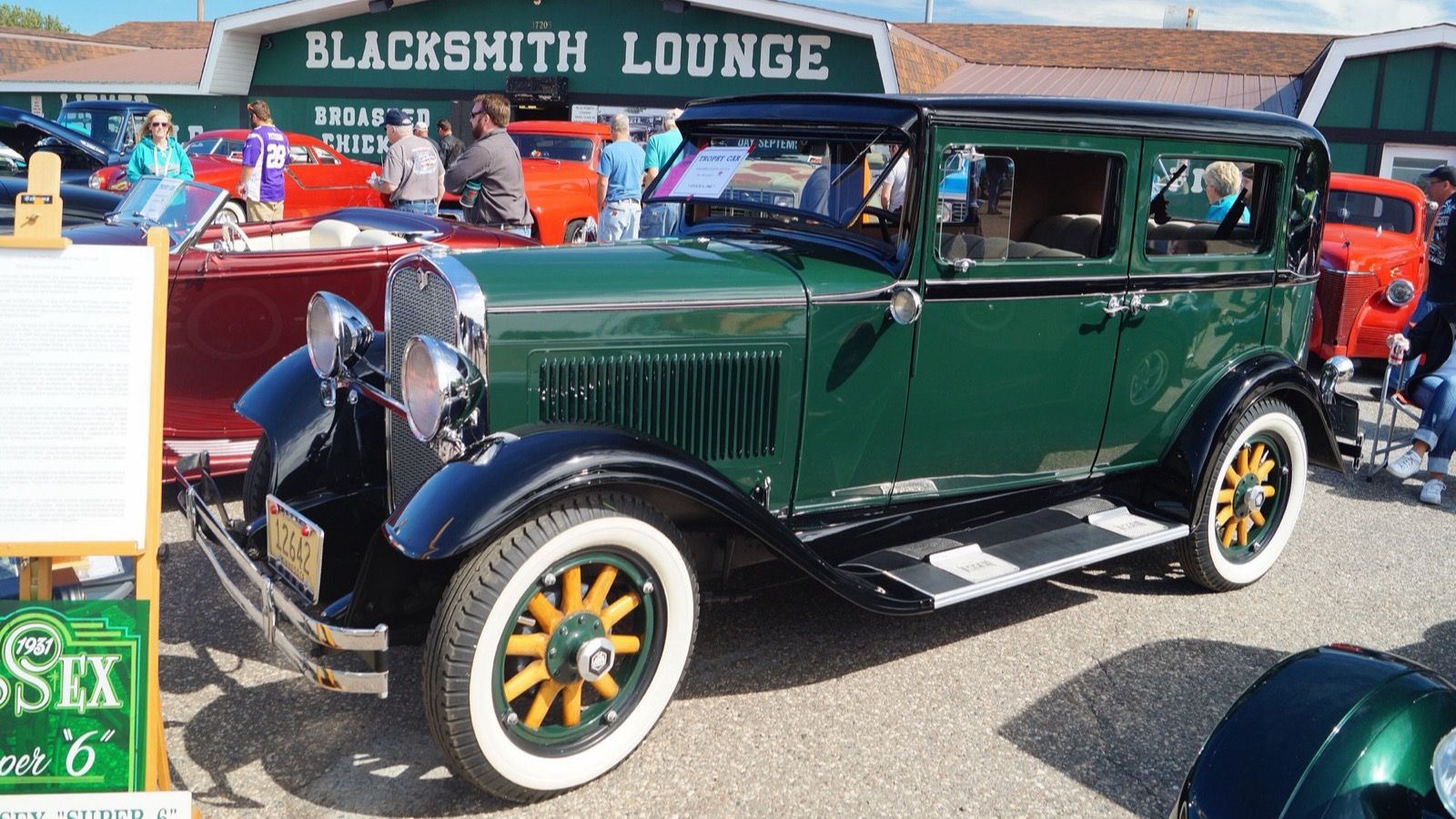
1931 Photo: “1931 Essex Super Six (21395905189).jpg” by Greg Gjerdingen from Willmar, USA / Wikimedia Commons, licensed under CC BY 2.0. Cropped to 16:9.
Related models
Collect the nameplate
Find a scale model of the Essex Six
Search Amazon across available years, colors, and scales. Exact releases vary, so confirm the listing before ordering.