
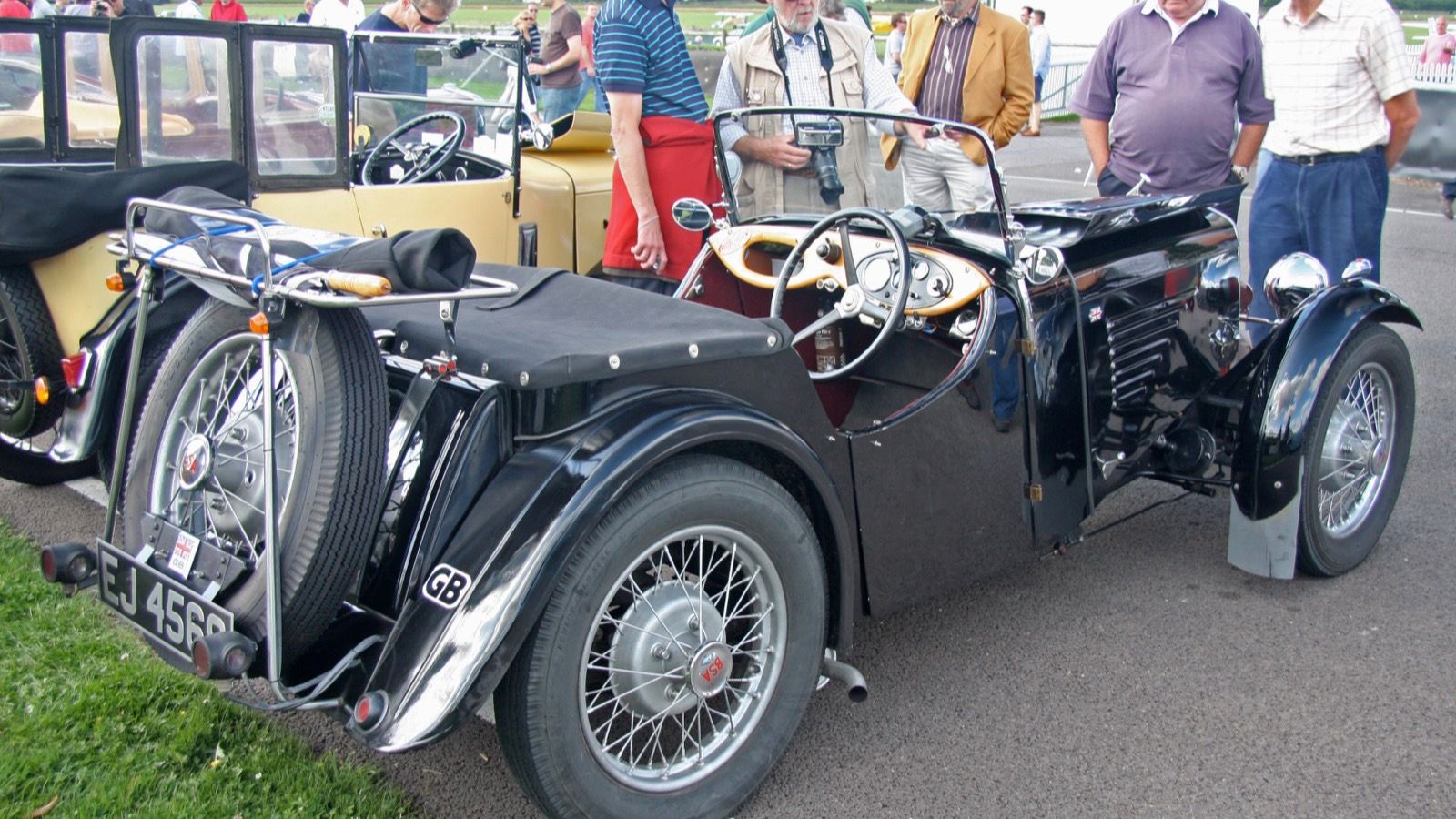
BSA Scout History
BSA's landmark front-wheel-drive open sports car — praised for its grip, economy, and progressive engineering when it launched at £149.
Photo: “1935 BSA Scout Series I” by Brian Snelson from Hockley, Essex, England / Wikimedia Commons, licensed under CC BY 2.0. Cropped to 16:9.
History
Launched in April 1935 at £149 10s, the BSA Scout was a small open two-seater front-wheel-drive sports car that transferred the mechanical package from the company's three-wheeler into a four-wheeled body. The engine and gearbox unit sat in the nose, driving through a short, stiff propeller shaft to a worm-and-spur differential at the very front of the car — differential first, engine behind — in a reverse of the usual order. The arrangement gave the Scout a low centre of gravity and front-drive traction that contemporary road testers described as 'remarkably stable taking corners in safety which would be impossible with a normal design.' The initial 1,075 cc four-cylinder produced around 9 hp (RAC rating) and was good for nearly 70 mph with 35–40 mpg fuel economy.
The Scout evolved rapidly through a succession of series. The Series 2 (October 1936) enlarged the engine to 1,203 cc (9.8 hp RAC); the Series 3 introduced a four-seater open tourer at £169 10s and a closed two-seater coupé by Mulliners at £185. Series 4 (August 1937) added all-round shock absorbers and improved front brakes, while Series 5 upgraded to 12-volt electrics and Bendix cable brakes. The Series 6 (October 1938) was the most thorough redesign: pressed steel wheels replaced wire wheels, the engine received improved water-jacketing, a three-bearing crankshaft, larger valves, and a downdraught carburettor, and front and rear tracks were unified. A drophead coupé was announced in August 1939 but only a handful were completed before World War II shut production down.
Generations
Series 1 · Original Scout
Photo: “1935 BSA Scout Series I” by Brian Snelson from Hockley, Essex, England / Wikimedia Commons, licensed under CC BY 2.0. Cropped to 16:9.
Launch model: 1,075 cc four-cylinder, open two-seater, £149 10s — the first four-wheeled expression of BSA's front-drive engineering.
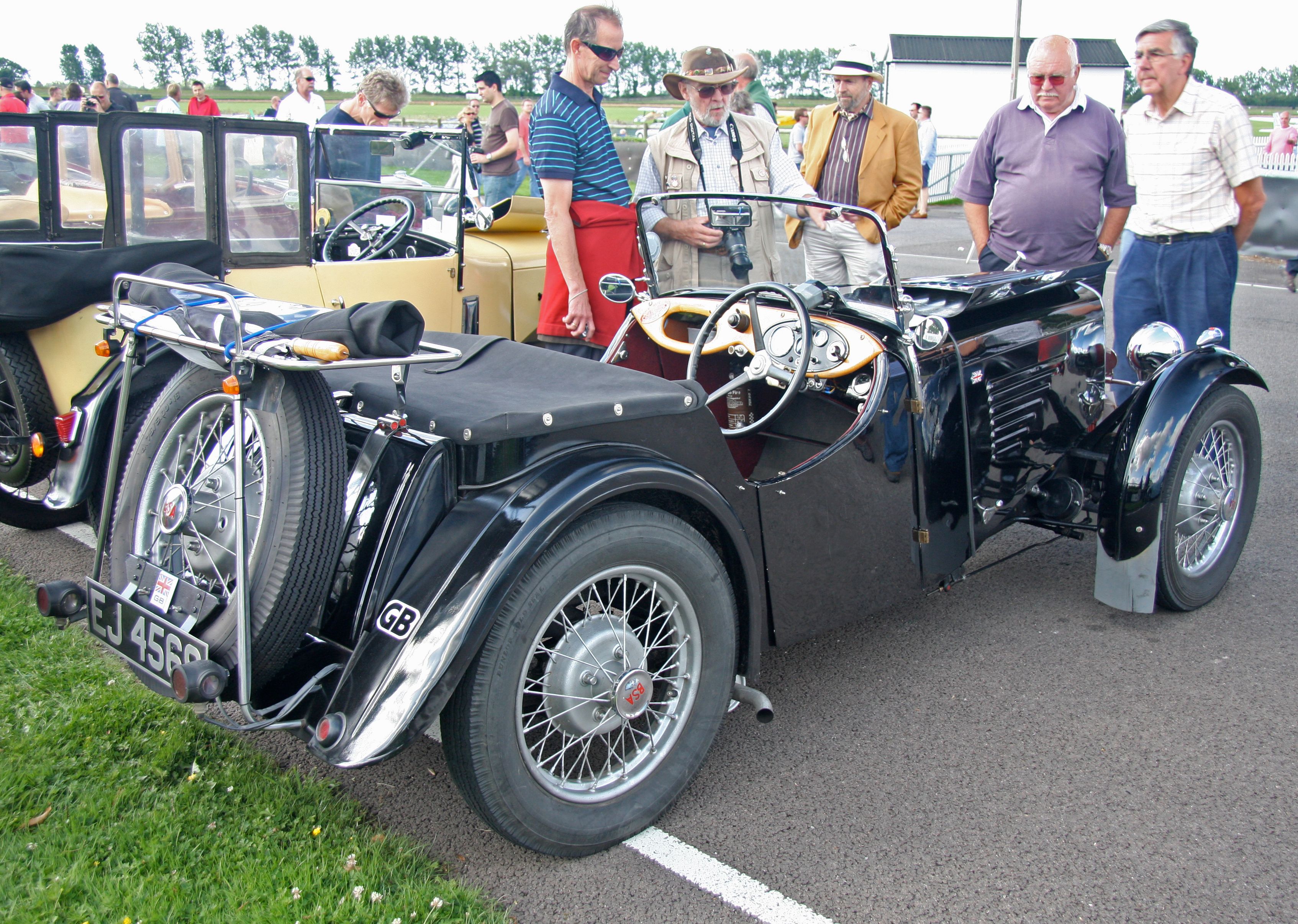
1935 Photo: “1935 BSA Scout Series I” by Brian Snelson from Hockley, Essex, England / Wikimedia Commons, licensed under CC BY 2.0
Series 2–3 · 1,203 cc expansion
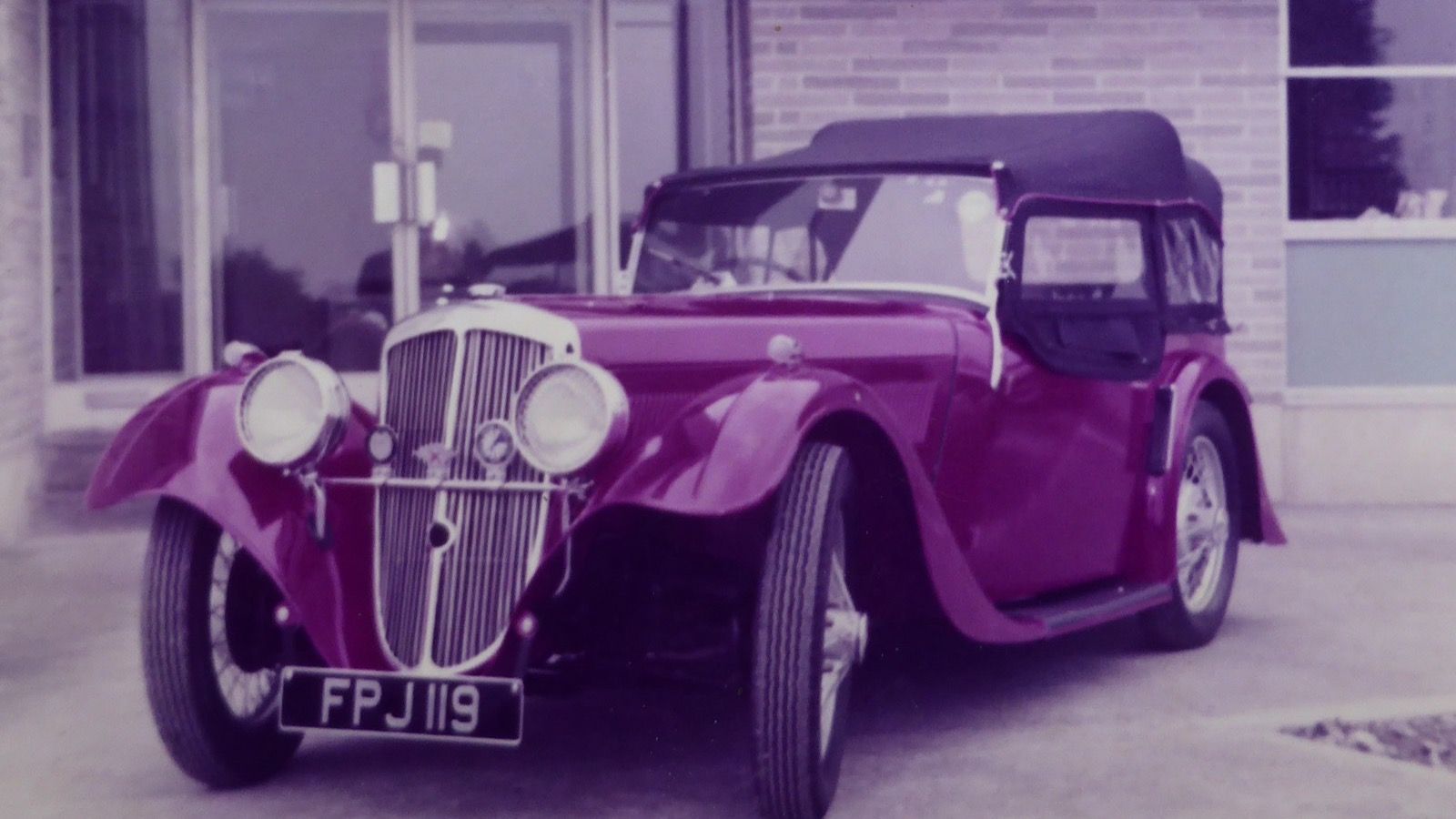
Photo: “1937 BSA Scout four-seater tourer” by Andrew Bone / Wikimedia Commons, licensed under CC BY 2.0. Cropped to 16:9.
Engine enlarged to 1,203 cc; body range expanded to four-seater tourer and closed two-seater coupé.
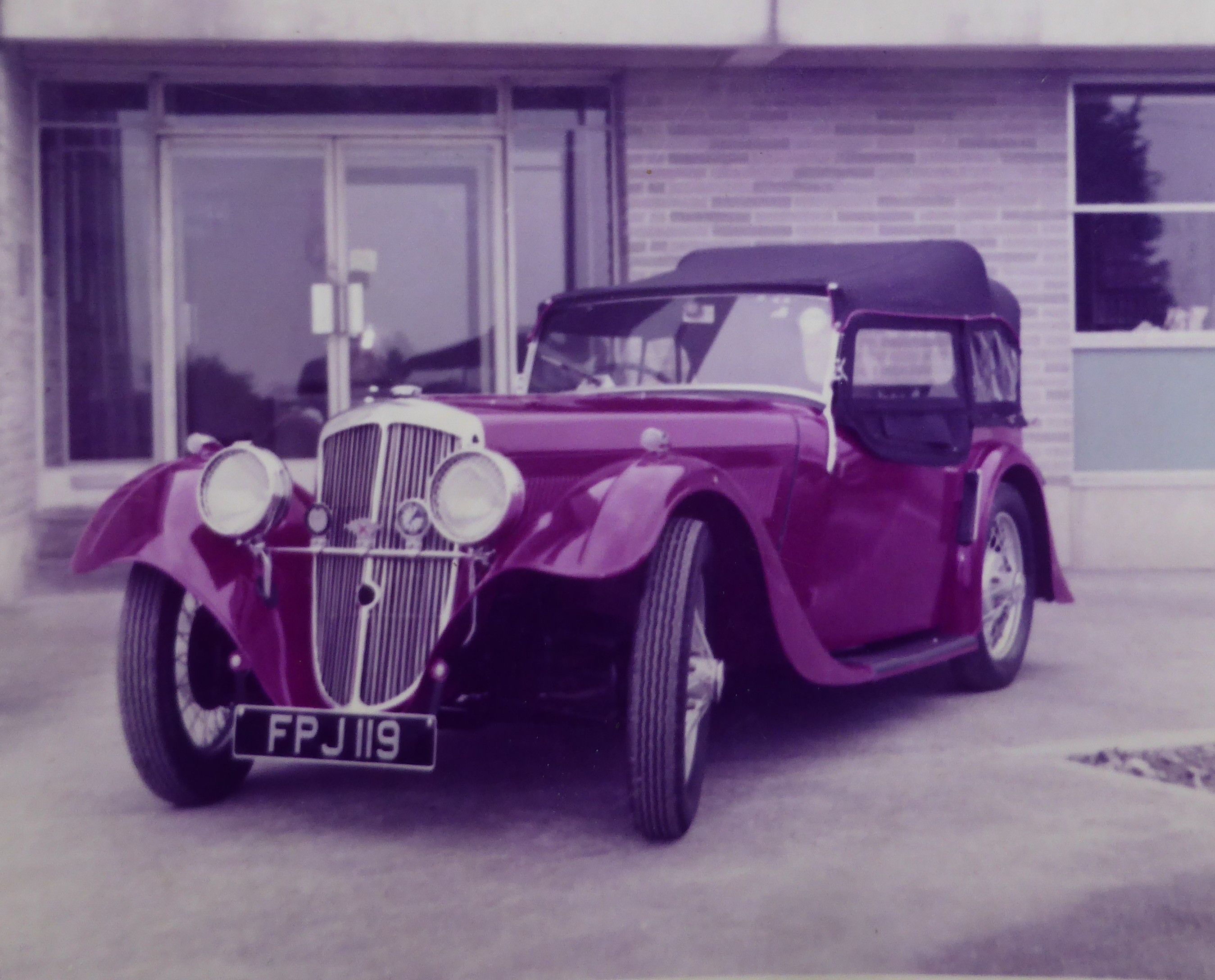
1937 Photo: “1937 BSA Scout four-seater tourer” by Andrew Bone / Wikimedia Commons, licensed under CC BY 2.0
Series 4–5 · Suspension and electrical updates
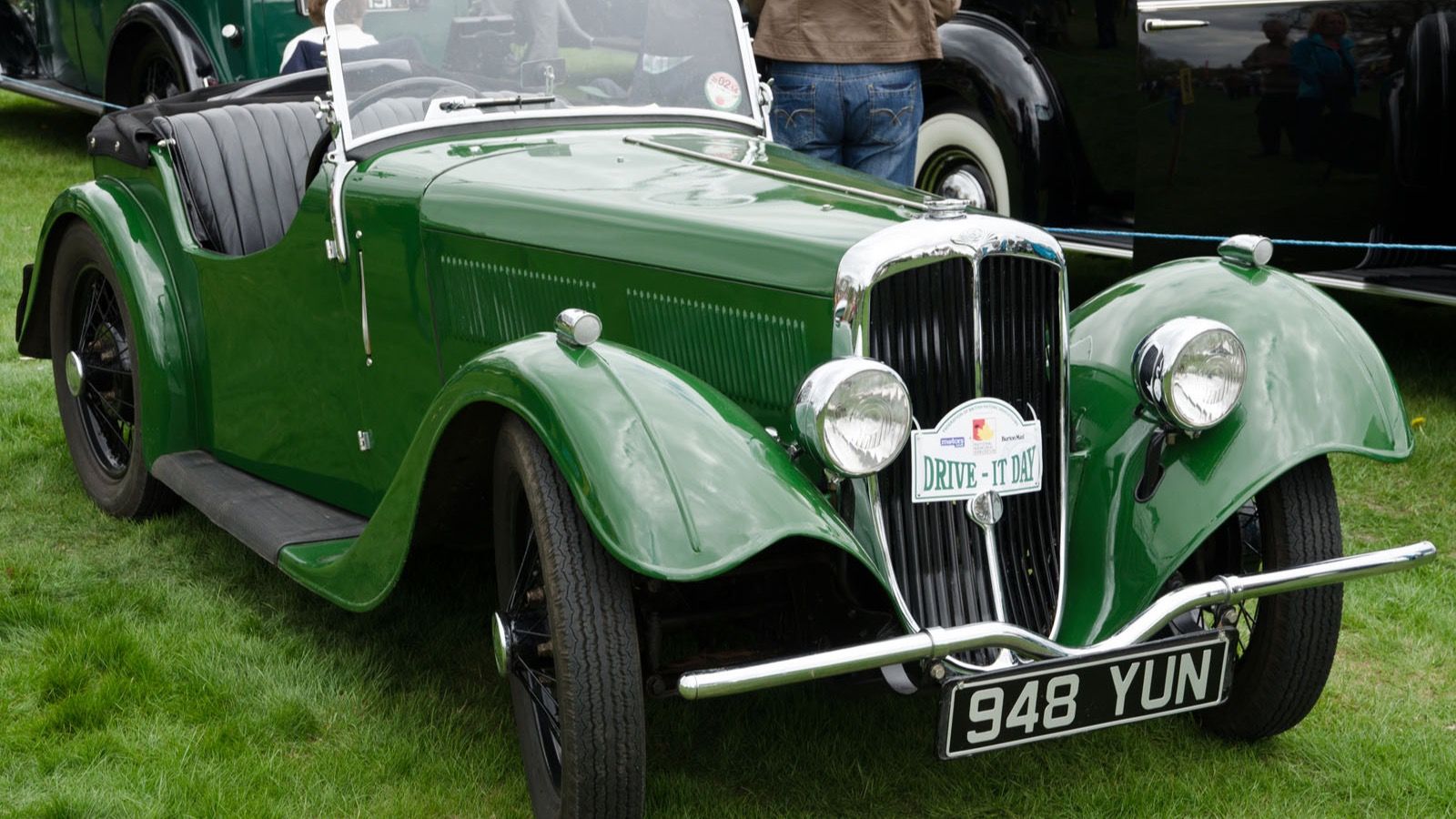
Photo: “1937 BSA Scout” by Steve Glover / Wikimedia Commons, licensed under CC BY 2.0. Cropped to 16:9.
All-round shock absorbers, improved front brakes; Series 5 brought 12-volt electrics and Bendix cable brakes.
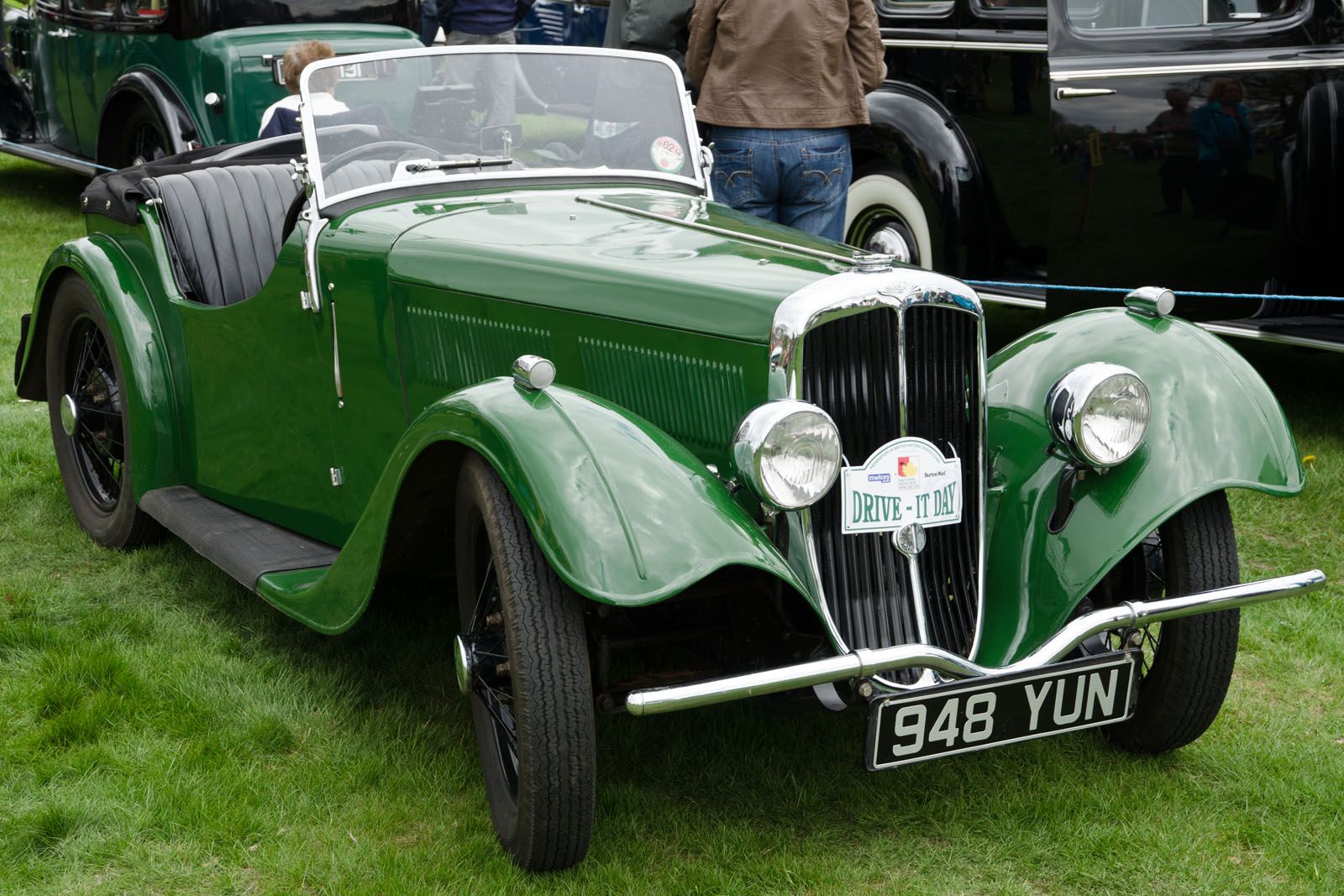
1937 Photo: “1937 BSA Scout” by Steve Glover / Wikimedia Commons, licensed under CC BY 2.0
Series 6 · Final redesign
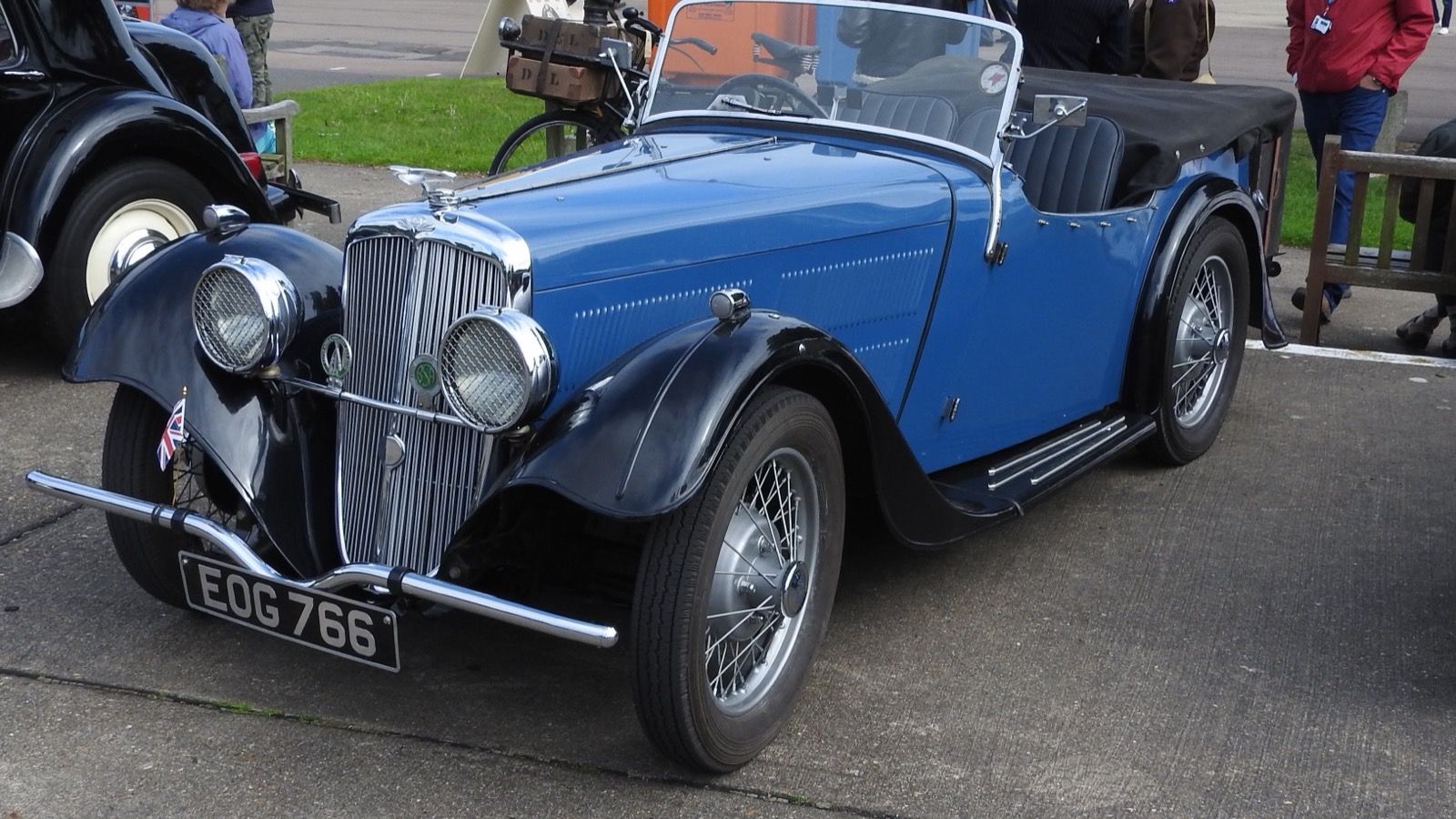
Photo: “1938 BSA Scout” by Rob Mitchell / Wikimedia Commons — Public domain. Cropped to 16:9.
Pressed steel wheels, redesigned engine with three-bearing crank and downdraught carburettor; four-seater coupé added. Production ended by World War II.
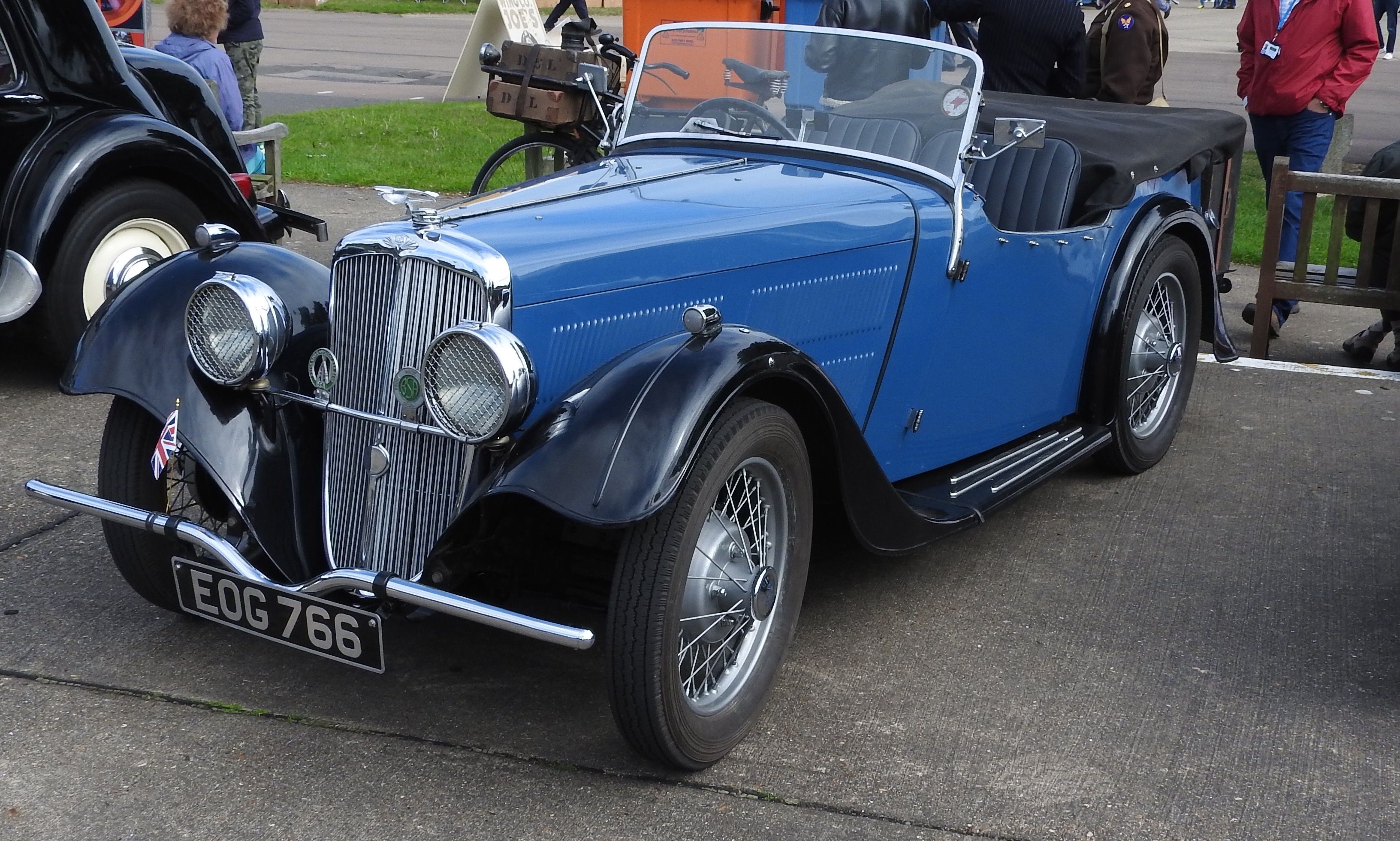
1938 Photo: “1938 BSA Scout” by Rob Mitchell / Wikimedia Commons — Public domain
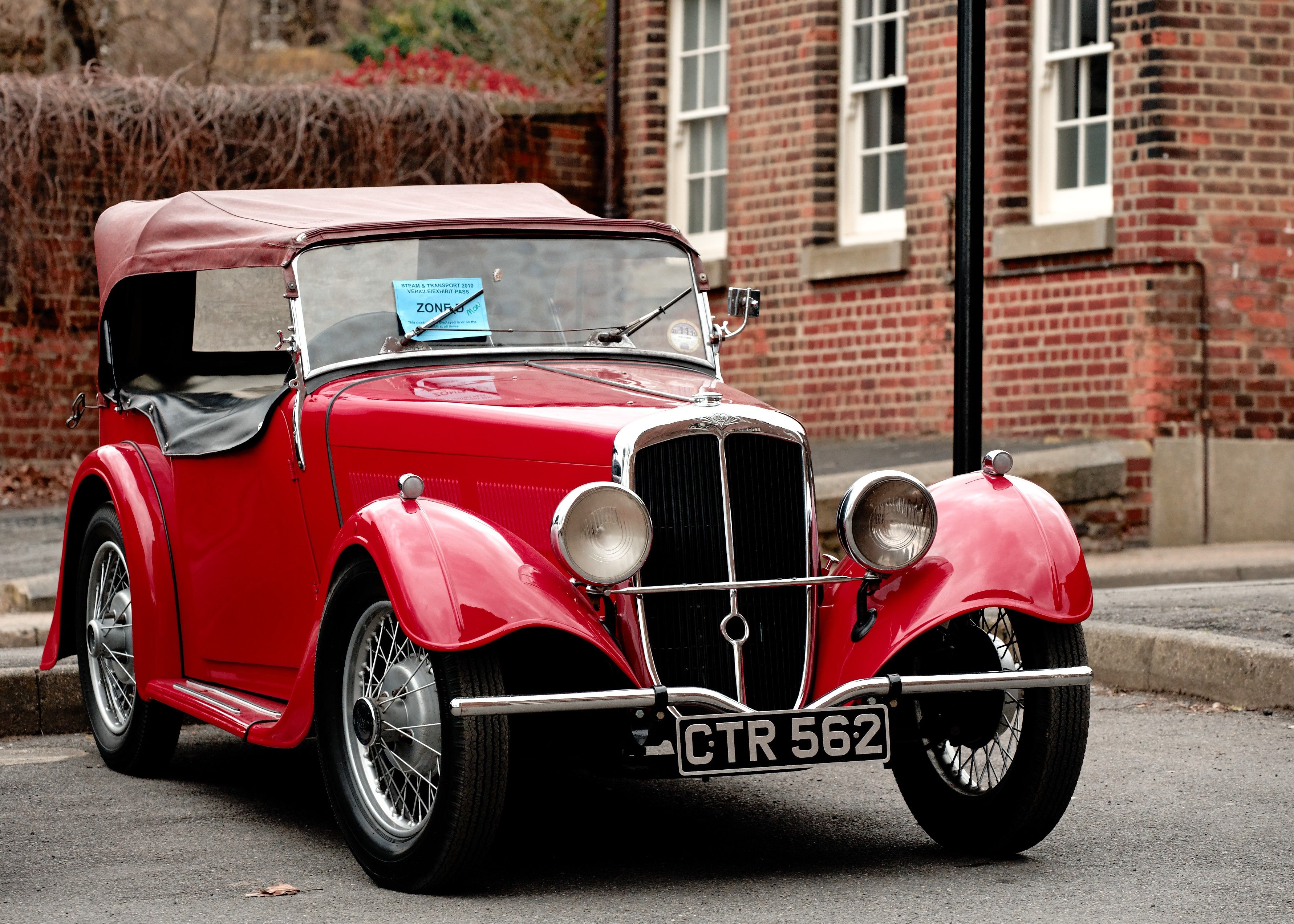
1939 Photo: “1939 BSA Scout” by pyntofmyld / Wikimedia Commons, licensed under CC BY 2.0
Body styles
- Open two-seater
- Open four-seater tourer
- Two-seater coupé
- Four-seater coupé
- Drophead coupé
Related models
Collect the nameplate
Find a scale model of the BSA Scout
Search Amazon across available years, colors, and scales. Exact releases vary, so confirm the listing before ordering.