
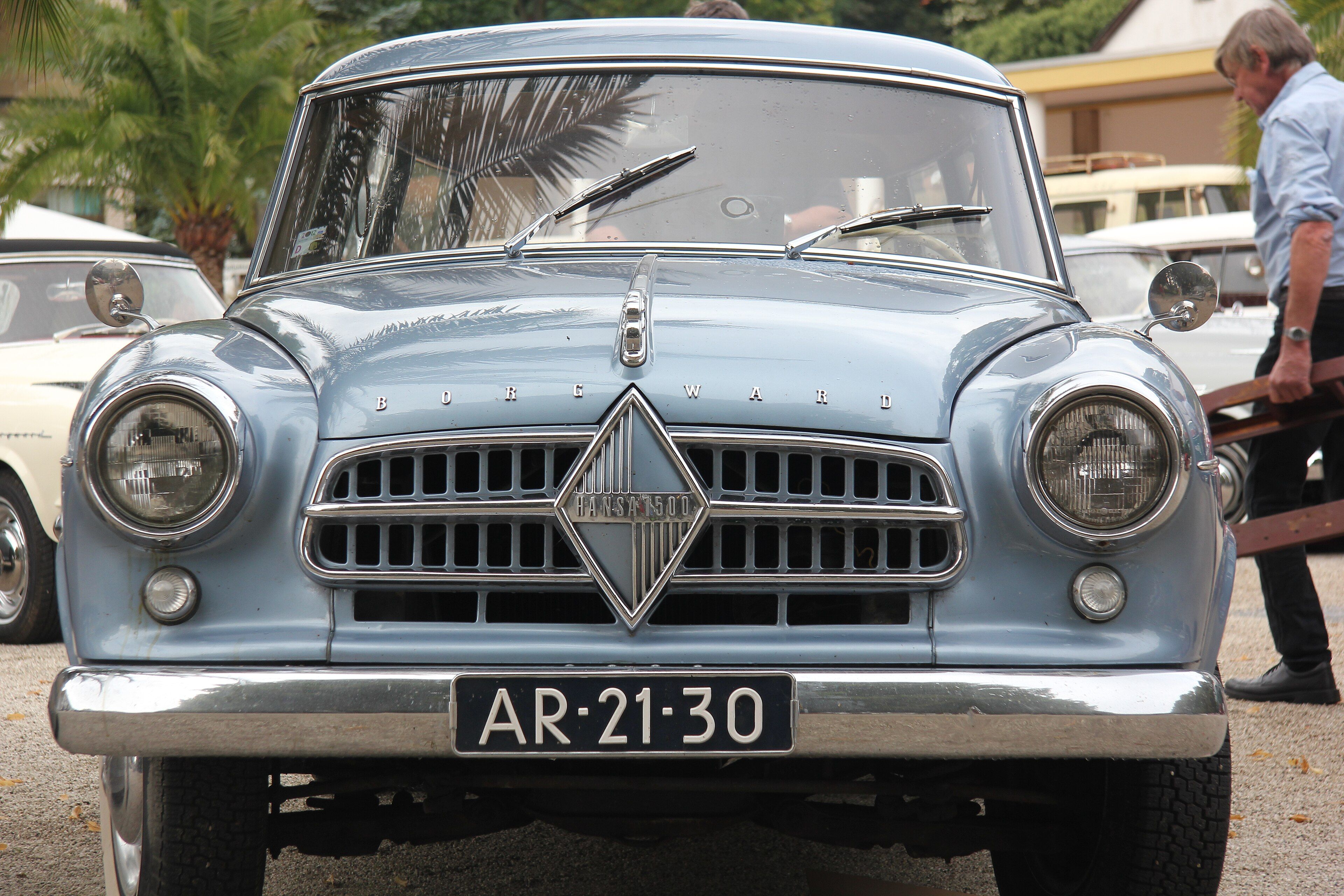
Borgward Isabella History
Borgward's most successful model (1954–1961) — an elegant 1.5-litre compact offered in sedan, coupé, convertible, and estate forms, with over 202,000 built.
Photo: “Borgward Isabella combi, Bj. 1954-56, Front.JPG” by Lothar Spurzem / Wikimedia Commons, licensed under CC BY-SA 2.0 de
History
Launched in June 1954 as the replacement for the Hansa 1500, the Isabella was originally to be badged Borgward Hansa 1500, but the name 'Isabella' had become popular among the engineering staff and the media after appearing on test cars — and it stuck. In its first full year, 11,150 Isabellas were built, an early sign that it would become the marque's best-selling car by a wide margin.
The Isabella used a 1493 cc overhead-valve inline-four with an alloy cylinder head, producing 60 PS in standard form; the TS (Touring Sport) variant, introduced first in the cabriolet, used a twin-choke carburettor and raised output to 75 PS. The coupé — a rakish 2+2 body built in-house — began production in January 1957 and became one of the most admired German car designs of the decade. Construction was by modern unitary body with independent wishbone front suspension.
By the time the Borgward group collapsed in August 1961, 202,862 Isabellas had been assembled in Bremen, with smaller runs in Indonesia, Argentina, and Mexico. Assembly continued briefly after the bankruptcy, and production equipment was subsequently shipped to Mexico, where the Isabella was built in Monterrey until 1970. The model's combination of genuine quality, stylish coachwork, and competitive pricing made it the standard by which German competitors measured themselves in the late 1950s.
Generations
First series · Isabella Serie I
Photo: “Borgward Isabella combi, Bj. 1954-56, Front.JPG” by Lothar Spurzem / Wikimedia Commons, licensed under CC BY-SA 2.0 de
Original 60 PS sedan and cabriolet; clean ponton styling, column gearshift, hydraulic clutch.
Second series · Isabella Serie II / TS
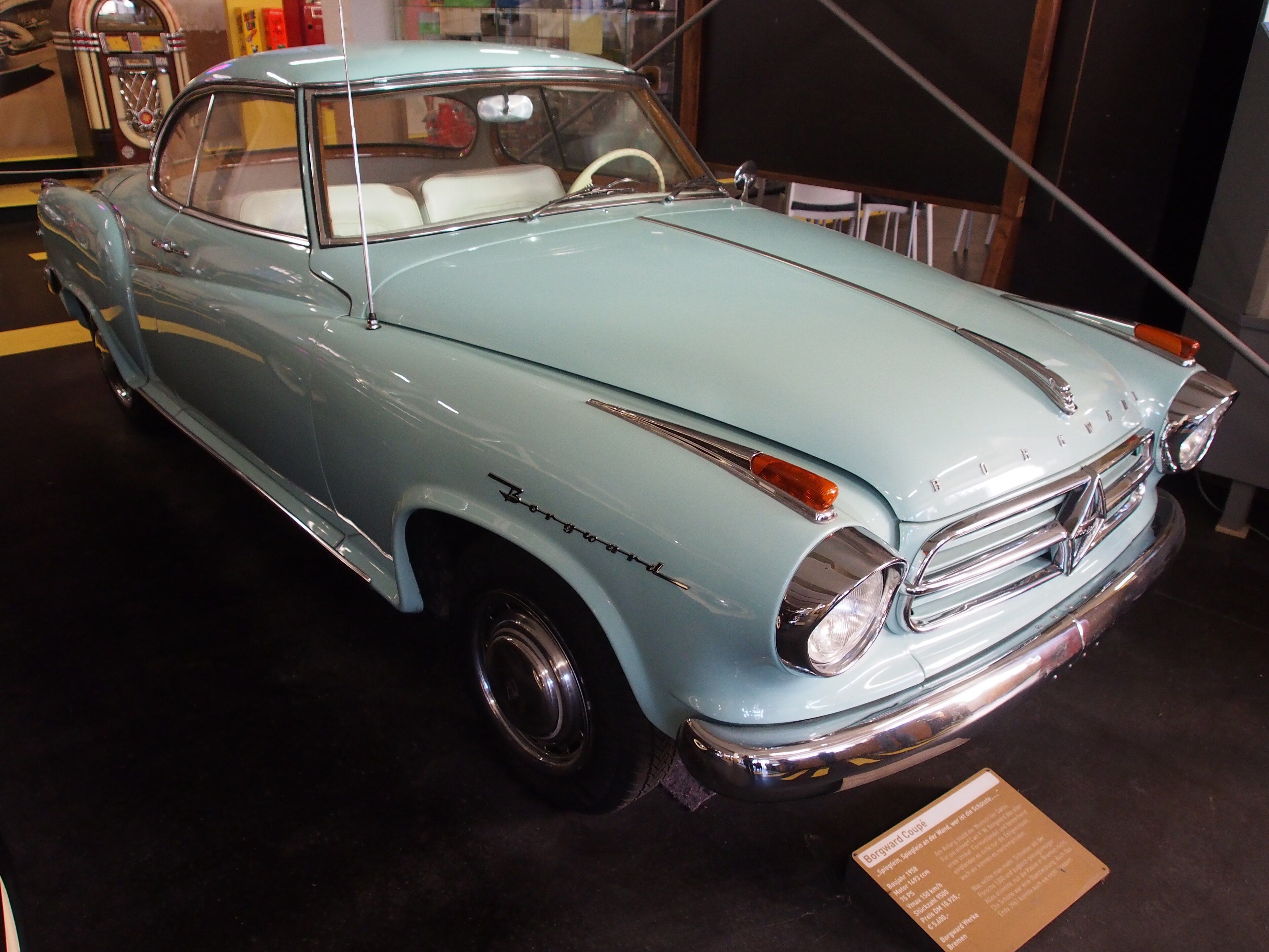
Photo: “1958 Borgward Coupé 1493cc 75hp 150kmh pic1.JPG” by Alf van Beem / Wikimedia Commons — CC0 1.0
Added the 75 PS TS coupé (Jan 1957) and spread the twin-choke engine across the line; floor-mounted gearshift on later cars.
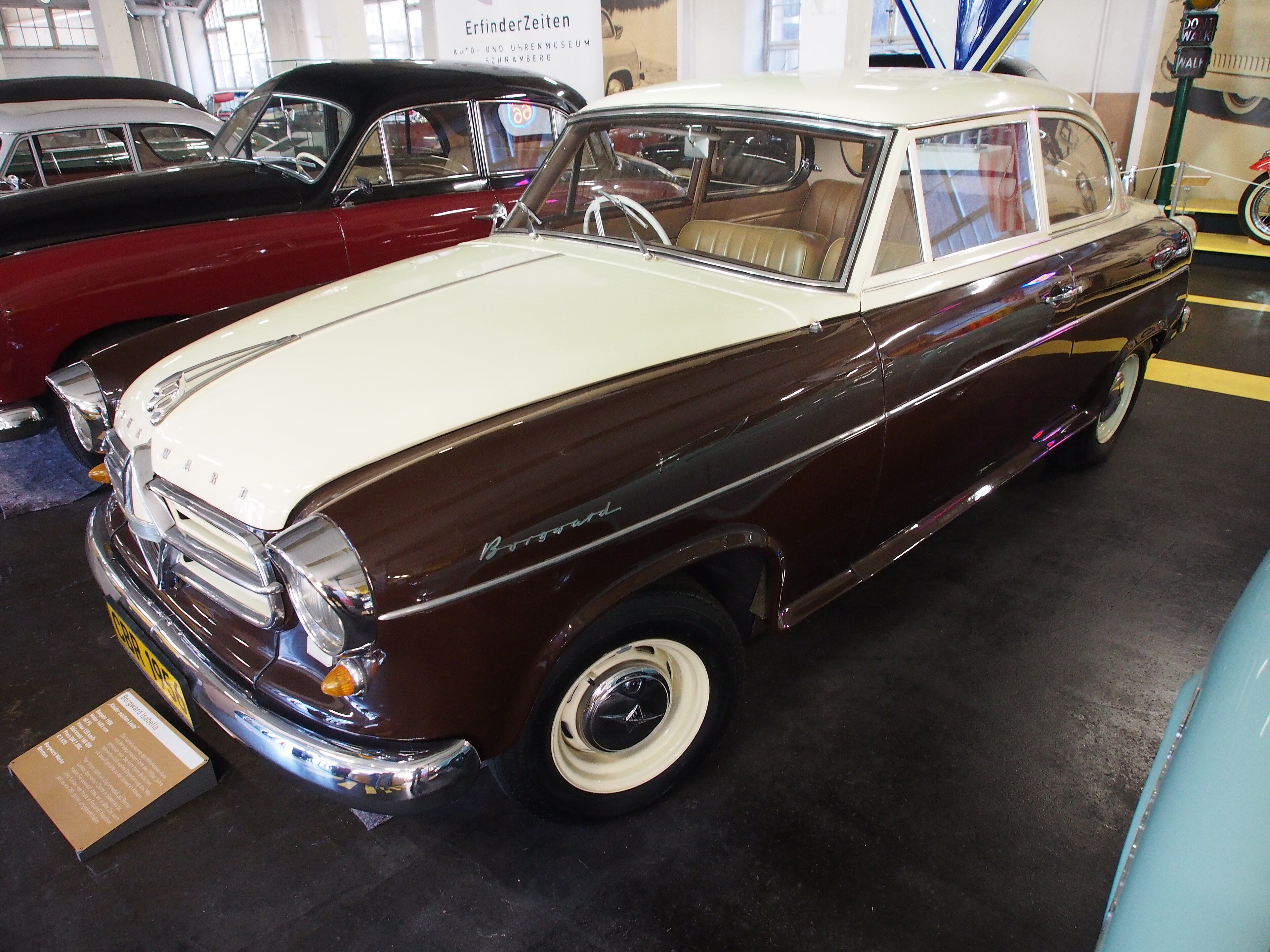
1958 Photo: “1958 Borgward Isabella 1493cc 60hp 135kmh.JPG” by Alf van Beem / Wikimedia Commons — CC0 1.0
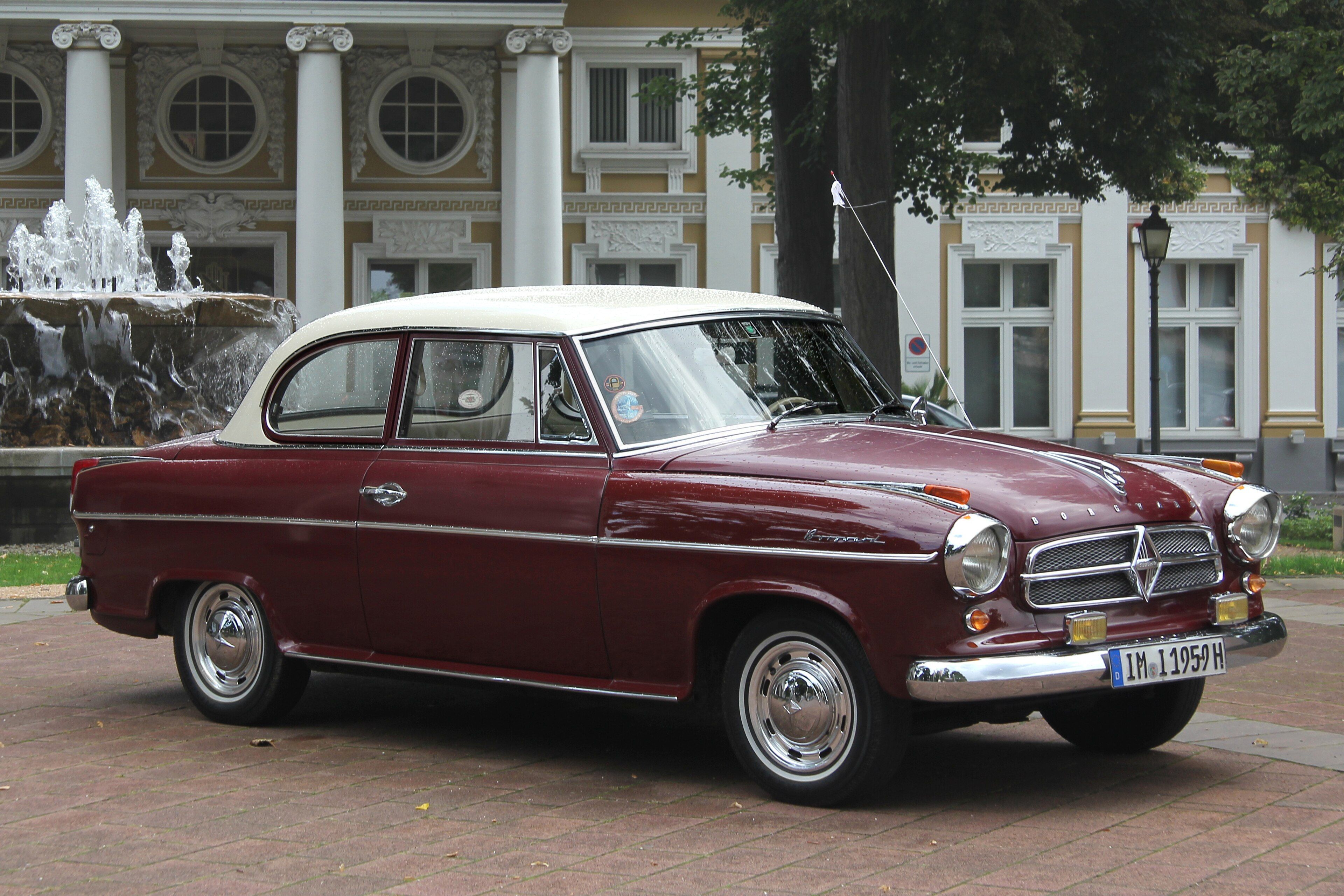
1959 Photo: “Borgw Isabella, Bj. 1959, Bad Neuenahr (2014-08-29 6701 b).jpg” by Lothar Spurzem / Wikimedia Commons, licensed under CC BY-SA 2.0 de
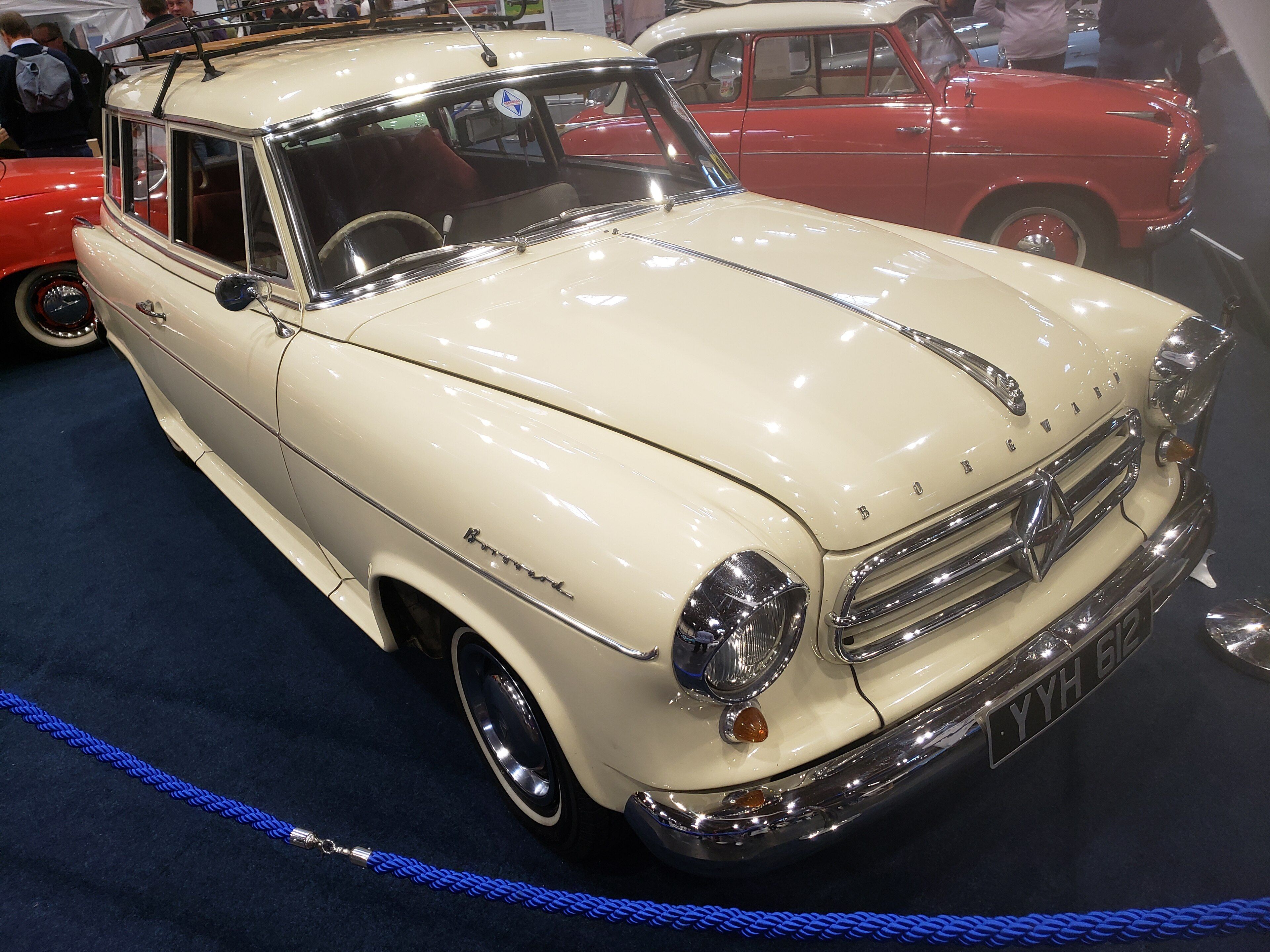
1960 Photo: “Borgward Isabella Combi (1960) (53347664864).jpg” by Andrew Bone from Weymouth, England / Wikimedia Commons, licensed under CC BY 2.0
Body styles
- Sedan
- Coupé
- Cabriolet
- Station wagon
- Pickup
Notable special editions & performance variants
Isabella TS (Touring Sport)
Twin-carburettor 75 PS variant offered in coupé and later sedan; the TS coupé is the most collectible Isabella body style.
Related models
Collect the nameplate
Find a scale model of the Borgward Isabella
Search Amazon across available years, colors, and scales. Exact releases vary, so confirm the listing before ordering.