
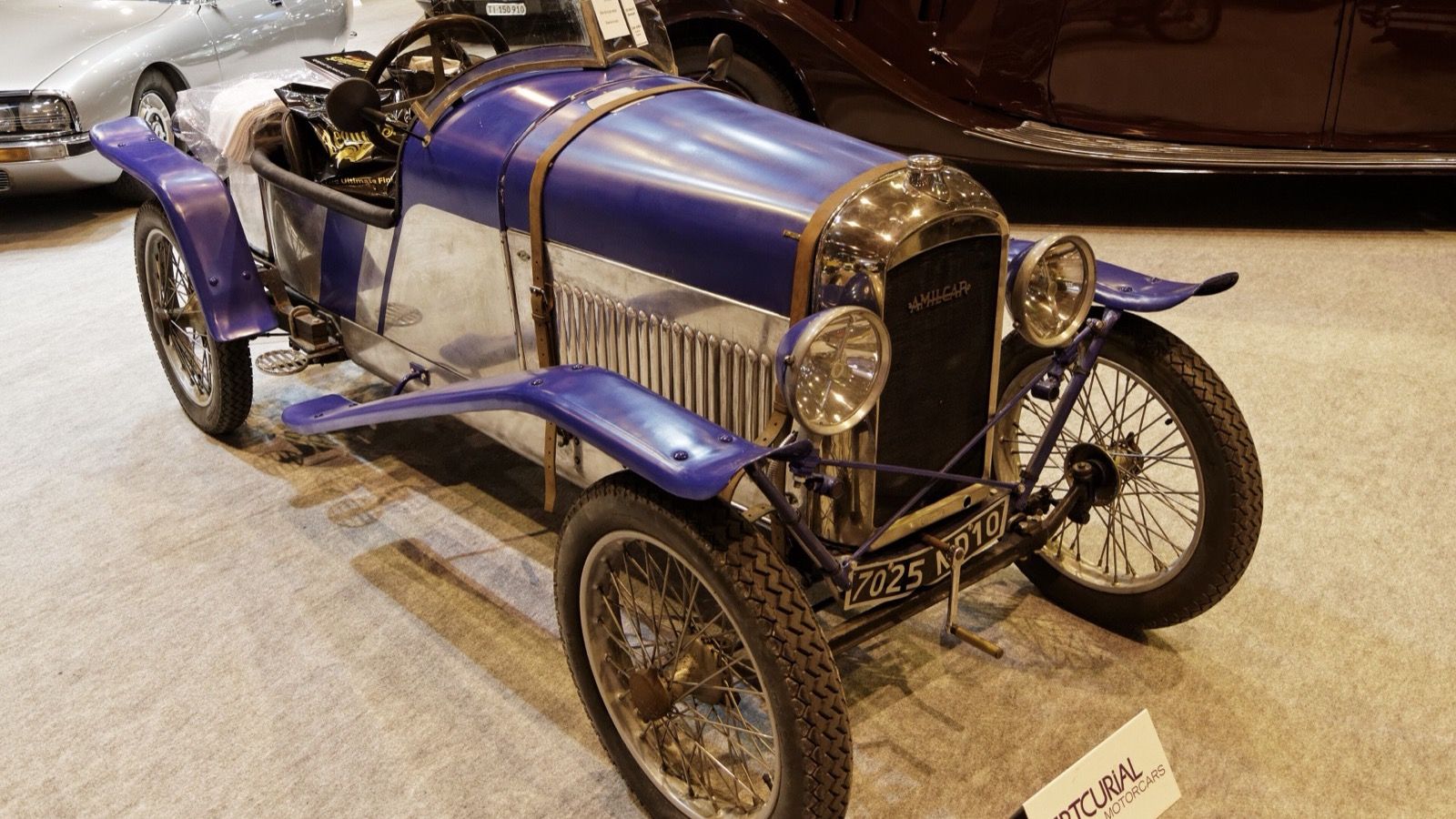
Amilcar CC / C4 / CS History
Amilcar's founding cyclecar family — a nimble 903 cc two-seater that launched the marque and sold widely across Europe.
Photo: “Paris - Retromobile 2014 - Amilcar CC biplace sport - 1923 - 001” by Thesupermat / Wikimedia Commons, licensed under CC BY-SA 3.0. Cropped to 16:9.
History
The original Amilcar CC appeared at the Paris Motor Show in October 1921, designed by Jules Salomon and Edmond Moyet. It was a small, lightweight cyclecar powered by a four-cylinder 903 cc side-valve engine, with a wheelbase of just 2,320 mm (91 in), and it bore a strong family resemblance to the pre-war Le Zèbre — unsurprising, as Salomon had designed that car too.
From the CC came two further versions: the C4, a slightly longer sports car on the same 903 cc engine, and the CS introduced in 1924, a brisker sports variant with the engine enlarged to 1,004 cc. The light-weight, affordable CC family sold in sufficient numbers for Amilcar to attract licensing partners in Germany (sold as the Pluto), Austria (as the Grofri), and Italy, broadening the marque's European reach.
By the time the CGS 'Grand Sport' arrived in 1924, the founding cyclecar generation had established Amilcar as a credible, enthusiast-oriented constructor of small, agile sports cars — a reputation the marque would carry through its finest decade.
Generations
CC (original) · CC
Photo: “Paris - Retromobile 2014 - Amilcar CC biplace sport - 1923 - 001” by Thesupermat / Wikimedia Commons, licensed under CC BY-SA 3.0. Cropped to 16:9.
Founding 903 cc cyclecar; lightweight open two-seater that established the marque.
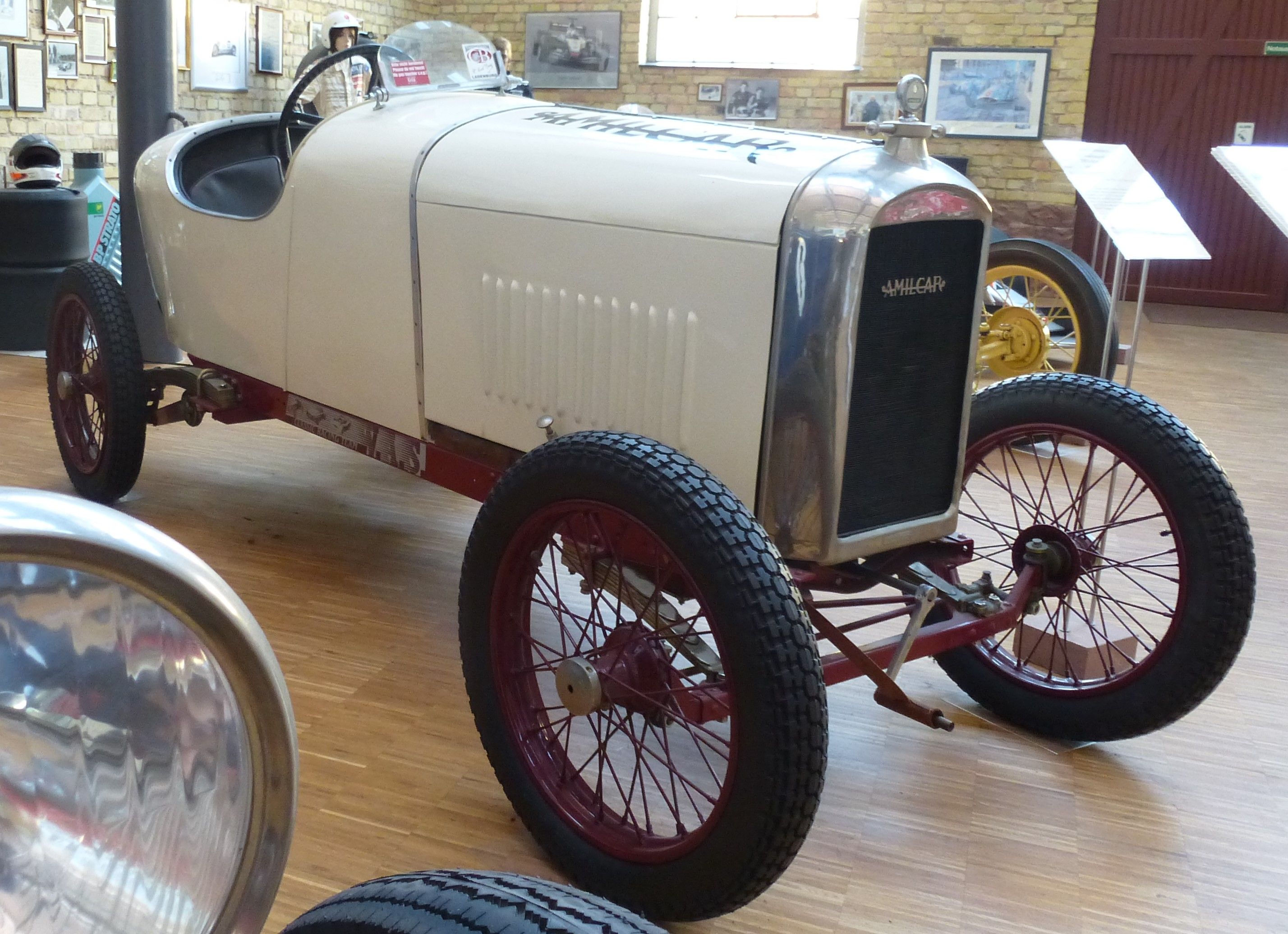
1921 Photo: “Amilcar Type CC Roadster 1921 (1)” by Buch-t / Wikimedia Commons, licensed under CC BY-SA 3.0 de
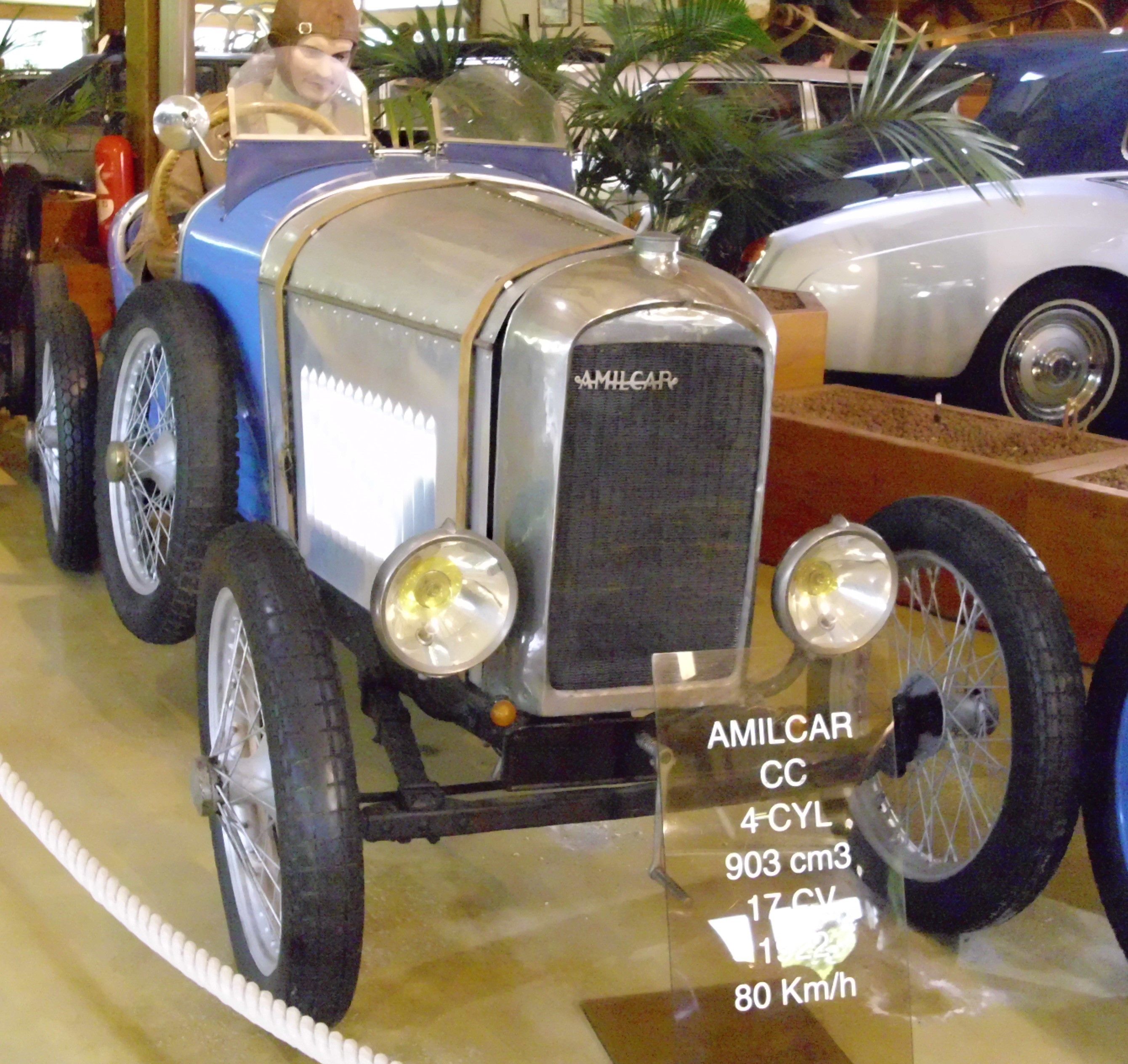
1922 Photo: “Amilcar Type CC Roadster 1922.JPG” by Buch-t / Wikimedia Commons, licensed under CC BY-SA 3.0 de
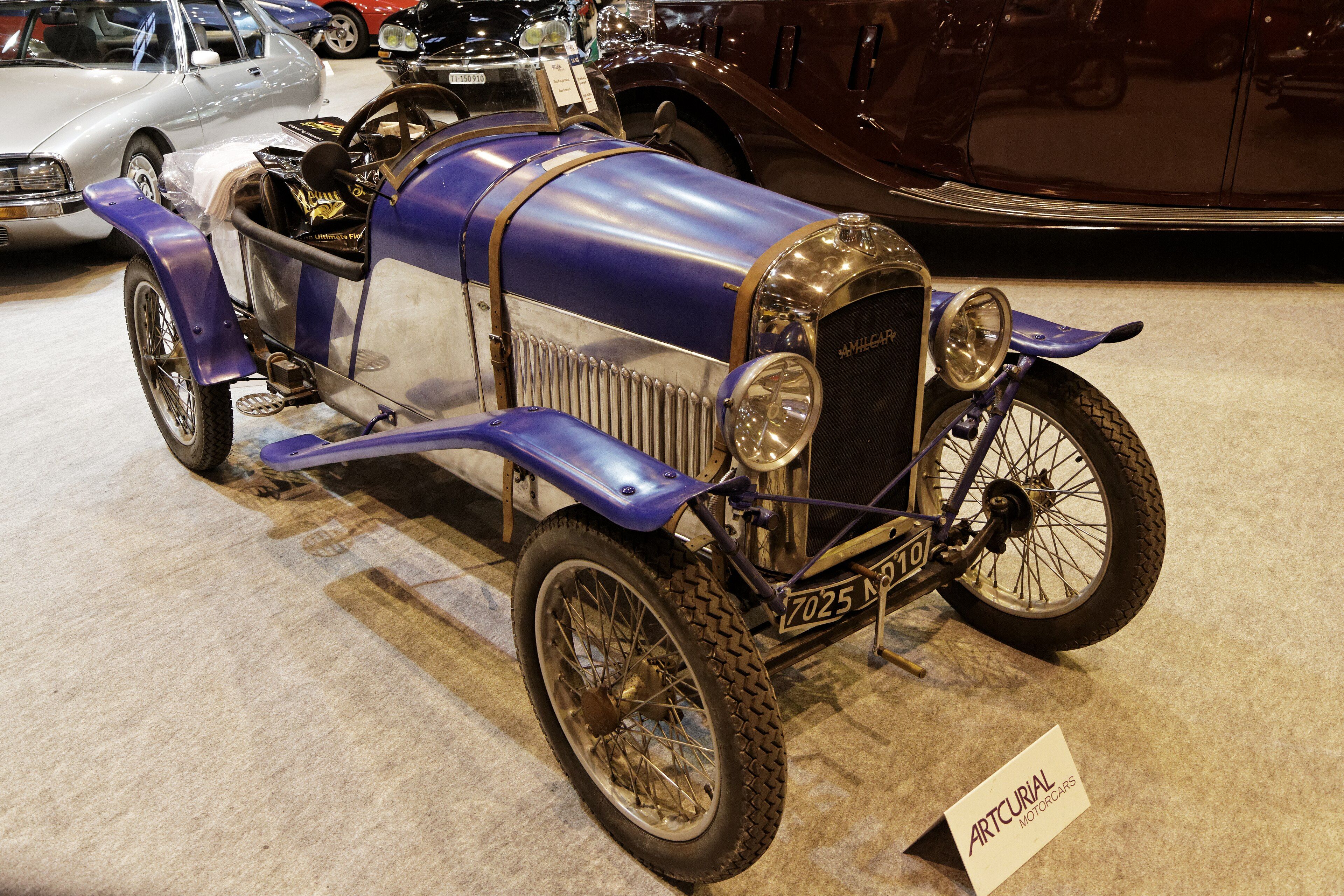
1923 Photo: “Paris - Retromobile 2014 - Amilcar CC biplace sport - 1923 - 001” by Thesupermat / Wikimedia Commons, licensed under CC BY-SA 3.0
C4 / CS variants · C4 / CS
Slightly longer C4 sports car and the brisker 1,004 cc CS 'Sport' — the sporting evolution of the CC.
Body styles
- Two-seat open tourer
- Sports two-seater
Related models
Collect the nameplate
Find a scale model of the Amilcar CC / C4 / CS
Search Amazon across available years, colors, and scales. Exact releases vary, so confirm the listing before ordering.