
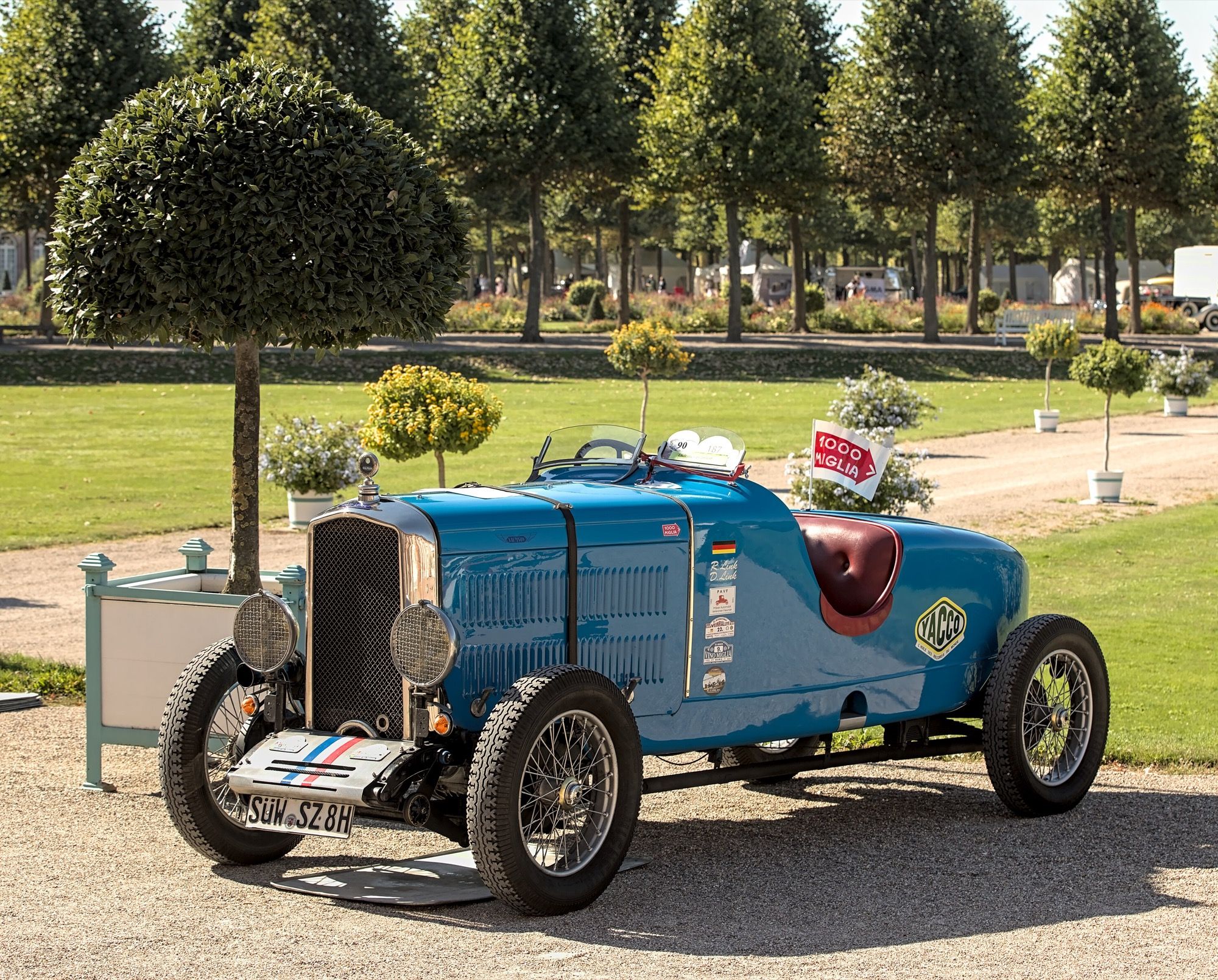
Salmson S4 History
Salmson's principal inter-war and post-war model — a technically sophisticated small saloon with twin-cam heritage, produced in numerous variants for over two decades.
Photo: “Salmson S4 (1930) Classic-Gala 2022 1X7A0100.jpg” by Alexander Migl / Wikimedia Commons, licensed under CC BY-SA 4.0
History
Introduced in 1929 as the S4 (with the S4 C variant formally launched in autumn 1932), the S4 series became Salmson's dominant product for the next twenty years. The S4 C's 1,465 cc four-cylinder engine placed it in France's 8CV tax bracket, but its twin-cam specification, refined body choices, and high pricing positioned it as an aspirational small car rather than a mass-market economy model.
Successive variants brought larger engines and technical improvements: the S4 D (from c.1934) raised displacement to 1,596 cc and introduced hemispherical combustion chambers with centrally-positioned spark plugs, along with independent front suspension via a transverse leaf spring. The S4 DA refined the formula further through 1938. All variants were offered across a range of coachbuilt bodies, including a four-door Berline saloon, a Faux Cabriolet, a Coach Lumineux glass-roofed coupé, and an open Roadster.
Production resumed after World War II as the S4-61 (1,730 cc) and the larger-engined S4 E (2,312 cc), both offered primarily as four-door saloons with updated post-war styling introduced in October 1947. Post-war production peaked at 1,162 cars in 1950 before collapsing to just 89 in 1952 as France's rapidly modernising market moved away from Salmson's conservative separate-chassis designs. The last S4s were built in April 1952.
Generations
First generation · S4 C / S4 D / S4 DA
Photo: “Salmson S4 (1930) Classic-Gala 2022 1X7A0100.jpg” by Alexander Migl / Wikimedia Commons, licensed under CC BY-SA 4.0
Pre-war S-series: 1,465–1,596 cc twin-cam four-cylinder, growing from S4 C through the improved S4 D (hemispherical head, independent front suspension) to the refined S4 DA.
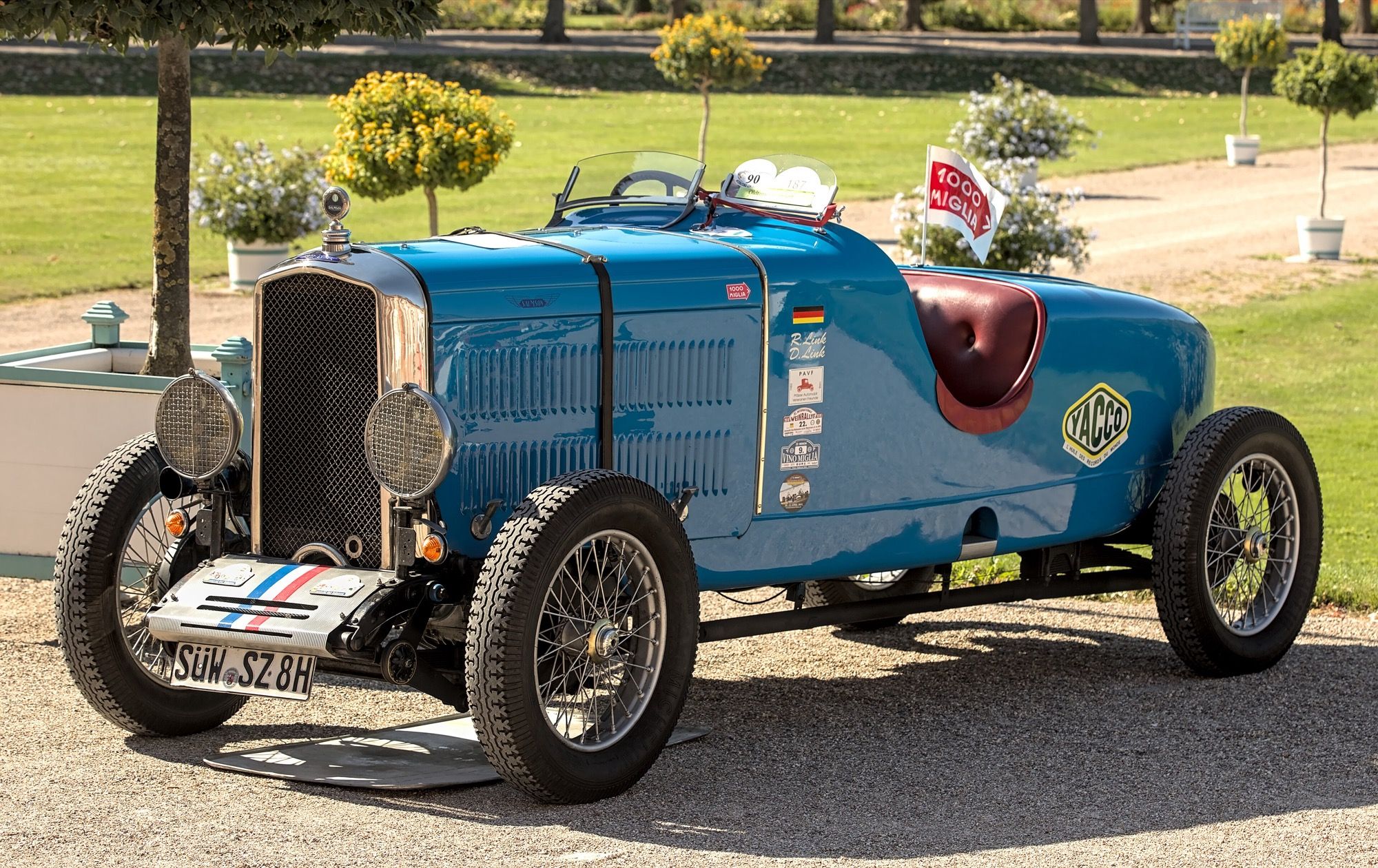
1930 Photo: “Salmson S4 (1930) Classic-Gala 2022 1X7A0097.jpg” by Alexander Migl / Wikimedia Commons, licensed under CC BY-SA 4.0
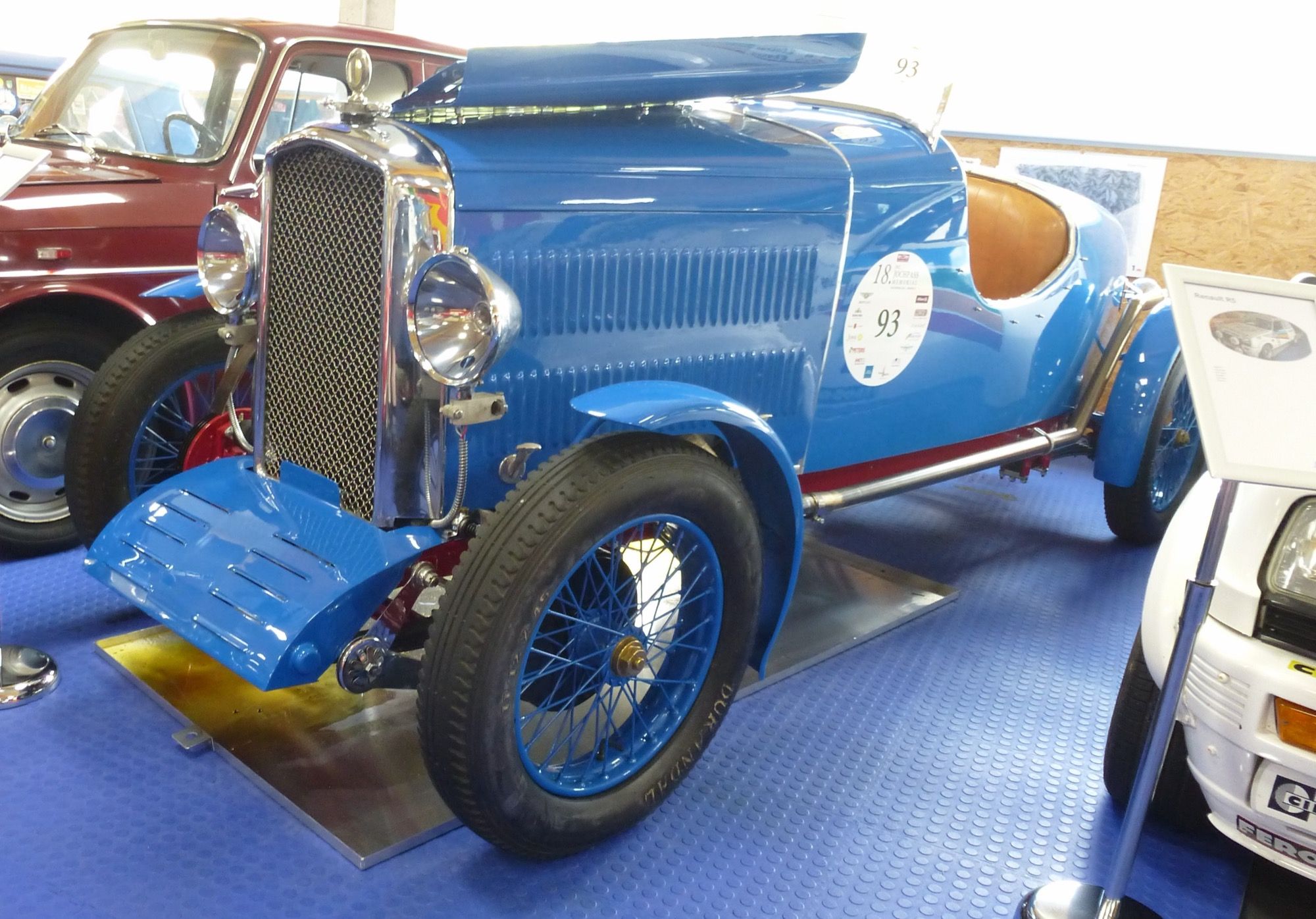
1932 Photo: “Salmson S 4 1932 im Museum Eschenfelden (1).JPG” by Buch-t / Wikimedia Commons, licensed under CC BY-SA 3.0 de
Second generation · S4-61 / S4 E (post-war)
Post-war revival: 1,730 cc (S4-61) and 2,312 cc (S4 E) variants with updated 1947 styling; production collapsed after 1950 amid intensifying competition.
Body styles
- Saloon (Berline)
- Cabriolet
- Coupé (Coach Lumineux)
- Roadster
Related models
Collect the nameplate
Find a scale model of the Salmson S4
Search Amazon across available years, colors, and scales. Exact releases vary, so confirm the listing before ordering.