
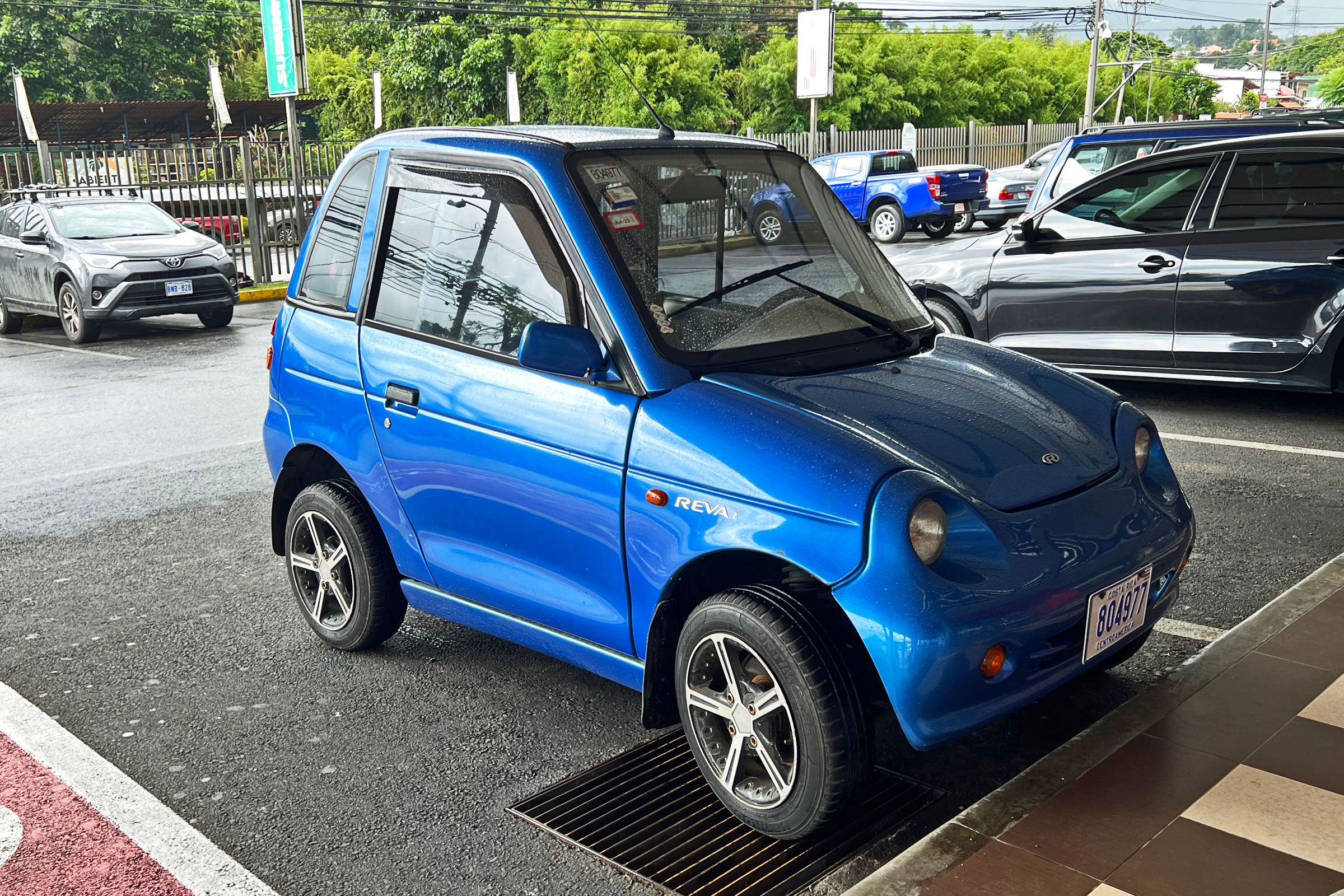
Reva REVAi History
The AC-drive successor to the original REVA (2008–2012) — developed with Lotus Engineering and available with a lithium-ion battery from 2009.
Photo: “2009 REVAi CRI 06 2022 6480” by Mariordo (Mario Roberto Durán Ortiz) / Wikimedia Commons, licensed under CC BY-SA 4.0
History
Introduced in 2008, the REVAi was a substantial update to the original REVA rather than an all-new design. The most significant change was the switch from a DC to an AC drive system, raising peak motor output to 13 kW and improving efficiency. Ride and safety were also upgraded in conjunction with Lotus Engineering.
In 2009 RECC added a lithium-ion battery variant — the REVA L-ion — offering a claimed range of approximately 120 km (75 mi) per charge and a full charge time of six hours, meaningfully better than the lead-acid car. The L-ion variant was aimed at markets where charging infrastructure was improving and buyers could justify the price premium.
UK sales of the G-Wiz (the British name for both generations) ended by the close of 2011 as more capable EVs entered the market. Production and sales of the REVAi wound down following Mahindra's 2010 acquisition as the parent redirected development resources toward the successor Mahindra e2o, launched in 2013.
Generations
REVAi base · REVAi (lead-acid)
Photo: “2009 REVAi CRI 06 2022 6480” by Mariordo (Mario Roberto Durán Ortiz) / Wikimedia Commons, licensed under CC BY-SA 4.0
AC-drive update co-developed with Lotus Engineering; improved safety and efficiency over the original REVA.
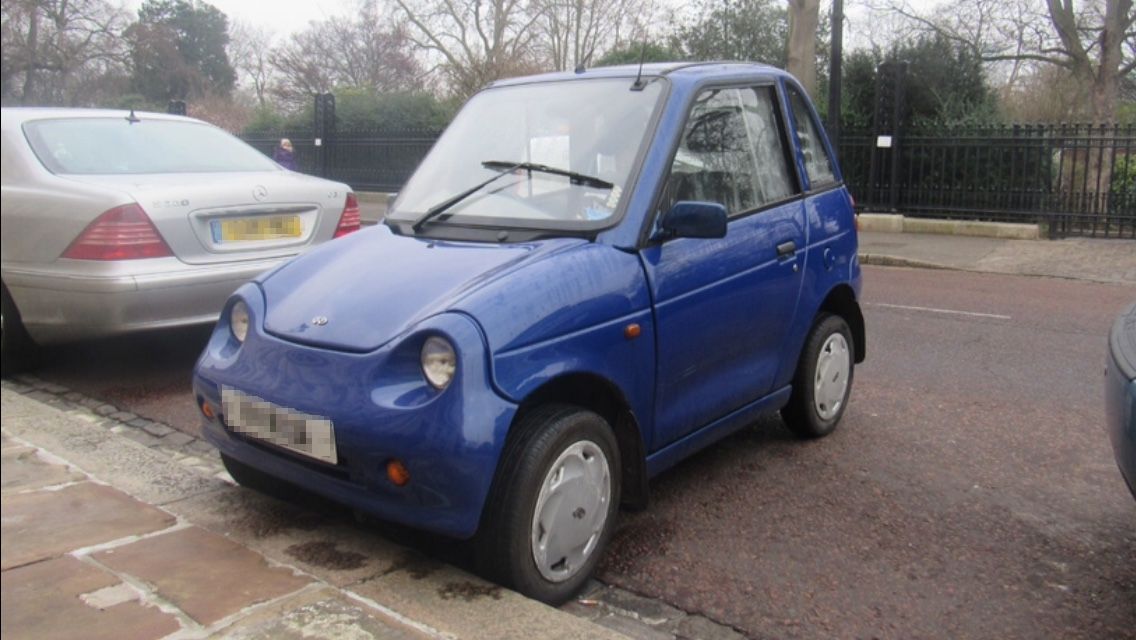
2008 Photo: “2008 REVAi G-Wiz Front” by Makizox / Wikimedia Commons, licensed under CC BY-SA 4.0. Converted from PNG to JPEG.
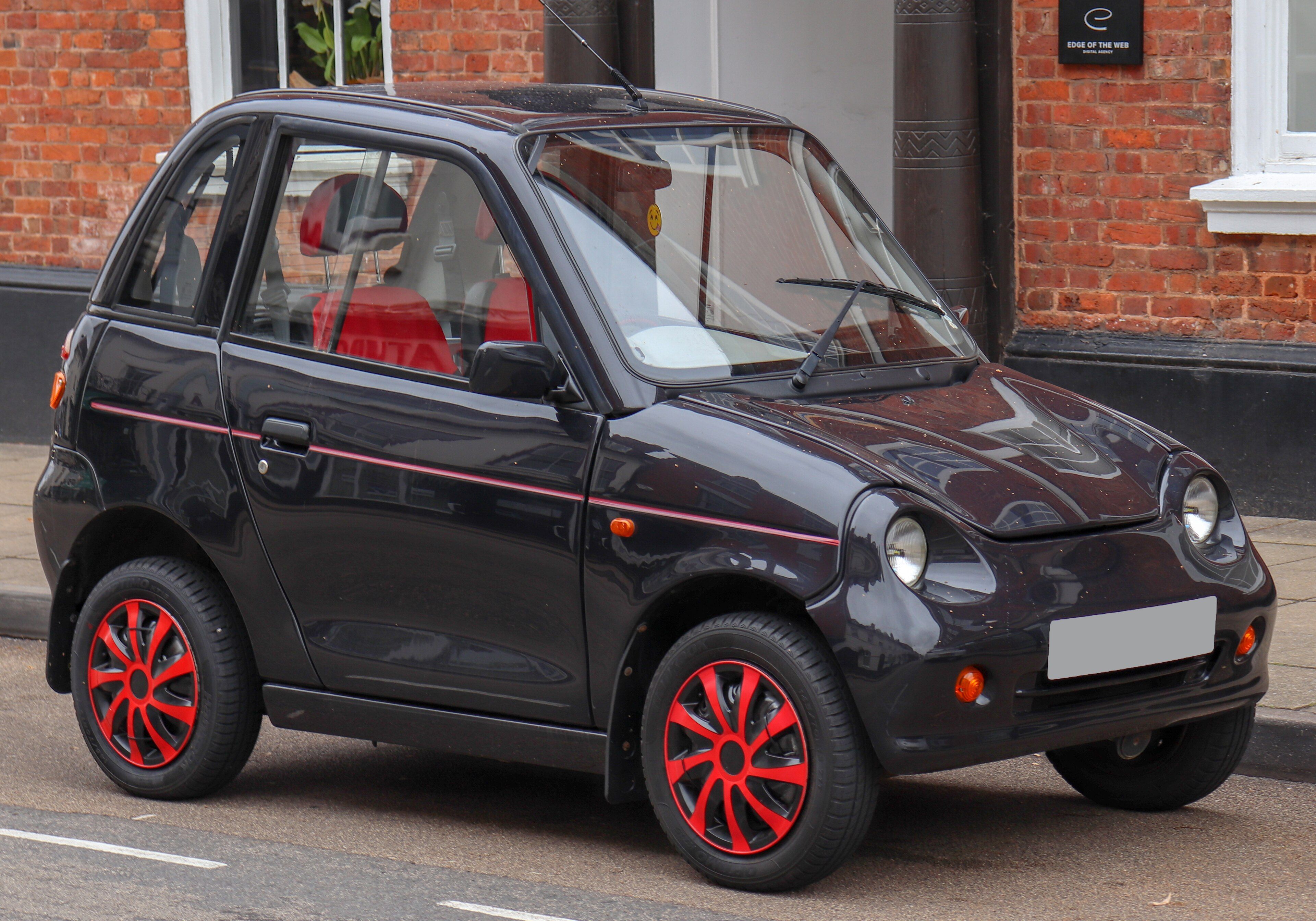
2009 Photo: “2009 G-Wiz Front” by Vauxford / Wikimedia Commons, licensed under CC BY-SA 4.0
REVAi L-ion · REVA L-ion
Lithium-ion battery variant; ~120 km range and 6-hour charge time; first Li-ion EV from an Indian manufacturer.
Body styles
- Hatchback
Related models
Collect the nameplate
Find a scale model of the Reva REVAi
Search Amazon across available years, colors, and scales. Exact releases vary, so confirm the listing before ordering.