
Hispano-Suiza H6 History
Catalog record
Photography for this nameplate has not yet cleared the archive’s licensing and identity checks. The researched text below remains available while the page stays out of search and advertising inventory.
History
Unveiled at the 1919 Paris Motor Show, the H6 was Marc Birkigt's masterwork. Its all-aluminium 6,597 cc inline-six drew directly on his design of the famous Hispano-Suiza 8 aircraft engine — an overhead camshaft, light-alloy construction, and extraordinary refinement. But the H6's most revolutionary feature was its braking system: light-alloy servo-assisted four-wheel drum brakes, the first in the industry, driven by a shaft off the gearbox. Rolls-Royce quickly licensed the system; it became the world standard.
The H6B (from 1921) refined the formula, and the 1924 H6C stretched the engine to nearly 8 litres and 160 hp, capable of 177 km/h — numbers that embarrassed most contemporary racing cars. Bodies were commissioned from the finest coachbuilders of the era — Saoutchik, Kellner, Vanvooren — making each H6 a bespoke sculpture. Roughly 2,350 H6, H6B, and H6C cars were built across French and Spanish factories, with 100 more assembled under licence by Škoda. The companion T49, built by the Spanish division in Barcelona from 1924 to 1944, was effectively the H6B in domestic form.
The H6 was the car that proved Spain — and Hispano-Suiza — could out-engineer and out-refine the British and French establishments. Its combination of performance, silence, and mechanical sophistication earned it the informal title 'the best car in the world' from period road-testers.
Generations
H6A
The original 6.6-litre OHC six — the first car with four-wheel servo brakes (Paris 1919).
H6B
Refined H6A with improved chassis and body options; the Spanish T49 was the Barcelona-built version.
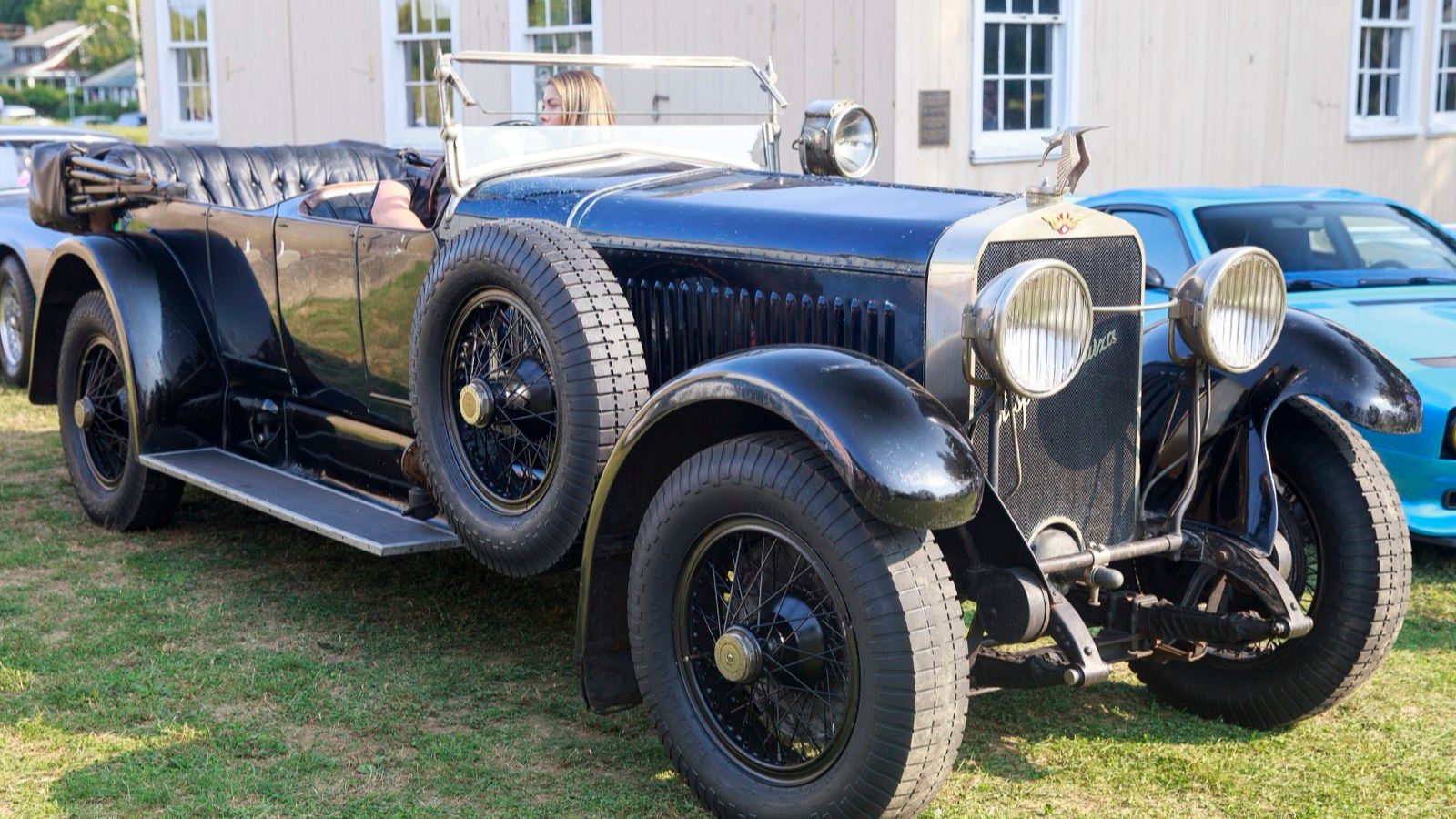
1921 Photo: “1921 Hispano-Suiza H6B Tourer by Chavet, front right 1.jpg” by Mr.choppers / Wikimedia Commons, licensed under CC BY-SA 3.0. Cropped to 16:9.
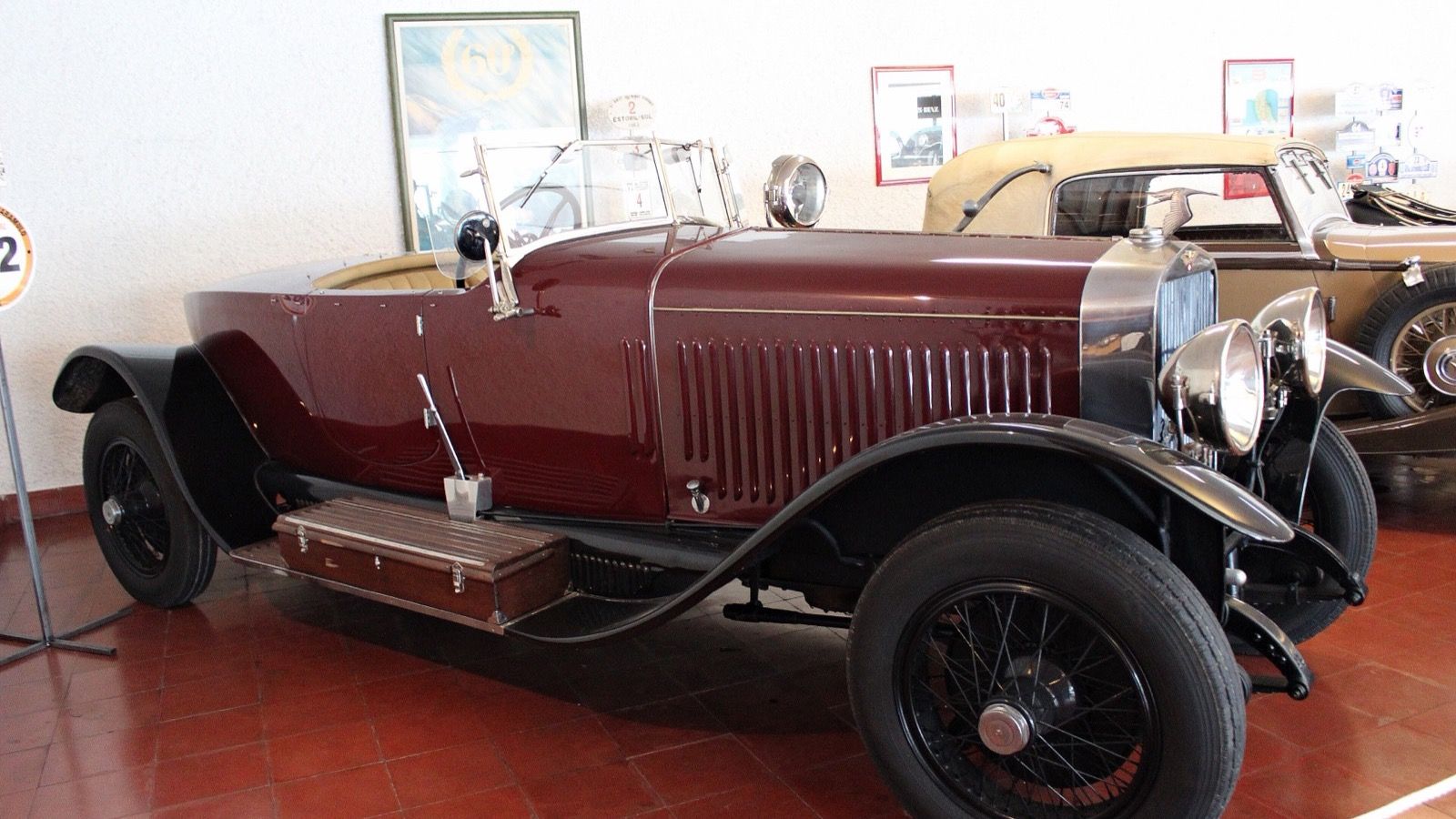
1924 Photo: “Hispano Suiza H6 B (1924) - 32218132595.jpg” by Txemari. (Navarra). / Wikimedia Commons — CC0 1.0. Cropped to 16:9.
H6C
Enlarged 7.98-litre engine producing 160 hp — the pinnacle of the H6 line and one of the fastest road cars of the 1920s.
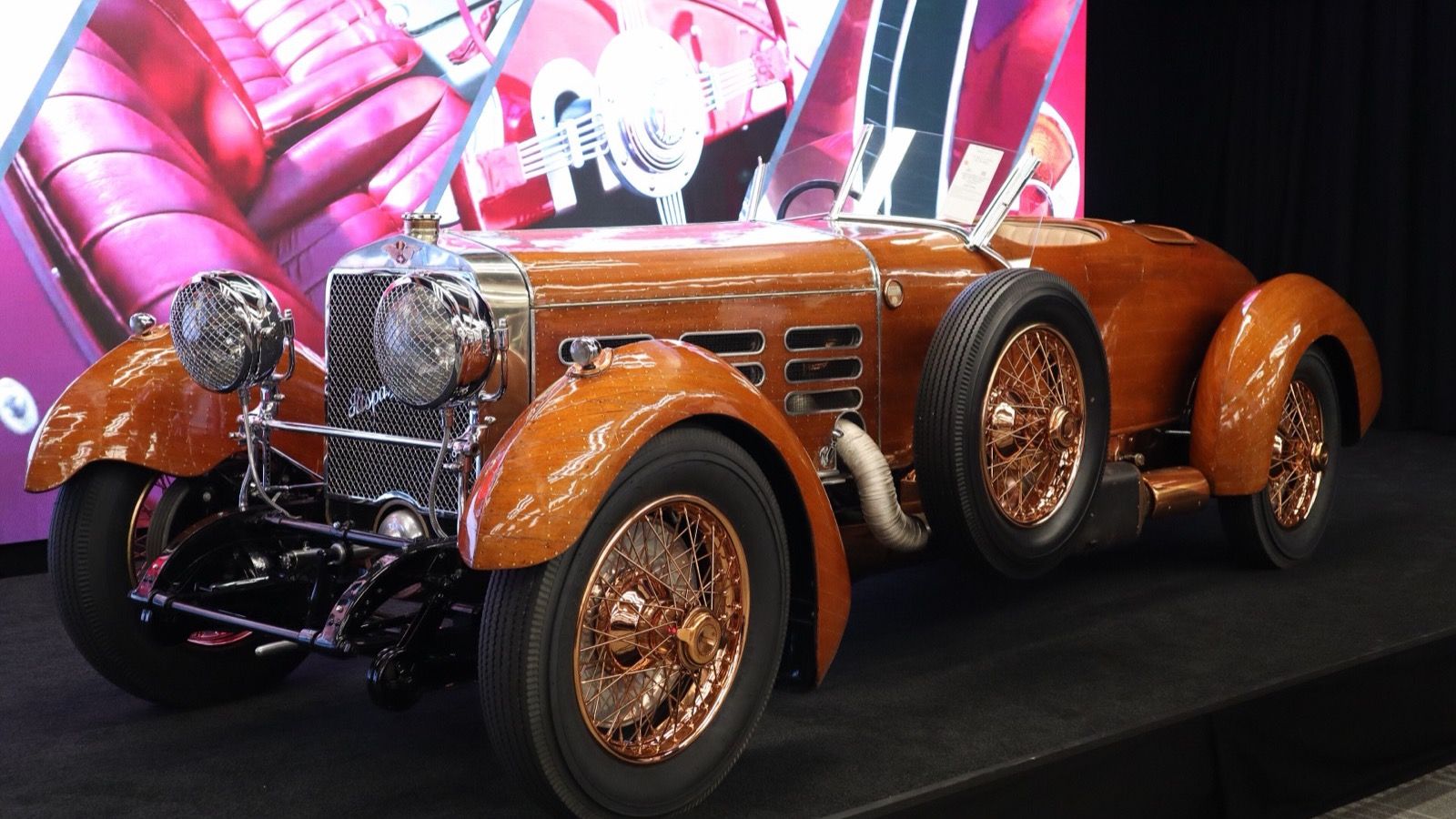
1924 Photo: “1924 Hispano Suiza H6C Tulipwood Torpedo front.jpg” by Prova MO / Wikimedia Commons, licensed under CC BY-SA 4.0. Cropped to 16:9.
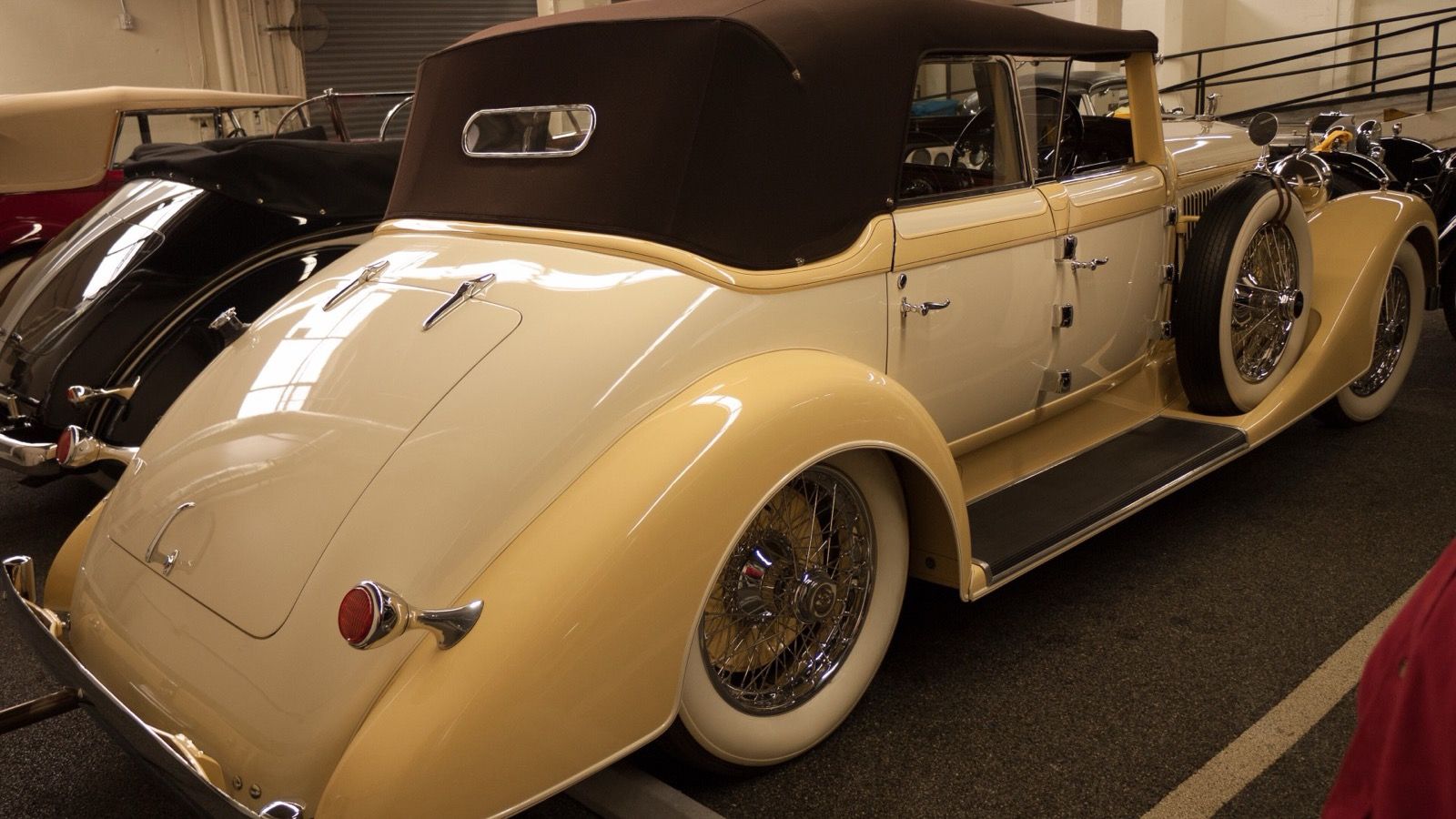
1928 Photo: “1928 Hispano-Suiza H6 C Hibbard & Darrin transformable berline 04.jpg” by Craig Howell / Wikimedia Commons, licensed under CC BY 2.0. Cropped to 16:9.
Body styles
- Open tourer
- Sedan
- Coupe
- Cabriolet
Notable special editions & performance variants
T49
The Spanish-built H6B variant produced at the Barcelona factory — mechanically identical to the French H6B but assembled in La Sagrera.
Tulipwood Torpedo
A one-off H6C body built from strips of tulipwood over an aluminium frame by the Nieuport-Astra aviation company — one of the most extraordinary coachbuilds of the pre-war era.
Related models
Collect the nameplate
Find a scale model of the Hispano-Suiza H6
Search Amazon across available years, colors, and scales. Exact releases vary, so confirm the listing before ordering.