
Facel Vega FV / HK500 History
Catalog record
Photography for this nameplate has not yet cleared the archive’s licensing and identity checks. The researched text below remains available while the page stays out of search and advertising inventory.
History
The first Facel Vega customer car was delivered in March 1955, bodied as a two-door pillarless hardtop on a steel platform of Daninos's own design and powered by a 4.5-litre DeSoto Hemi V8 producing around 180 hp. The series went through rapid annual evolution — FV1 (4.8 L), FV2 (panoramic windshield), FV2B (5.4 L, 285 hp), FV3/FV3B, and FV4 (5.8 L, 325 hp) — before the FVS designation was adopted for US export cars from 1956. In total, 357 FVs and FVSs were built across those years.
For 1959 Facel renamed and refined the range as the HK500, fitting a 5.8-litre then 6.3-litre Chrysler 'Typhoon' V8 producing up to 360 hp, giving the car a verified top speed of around 147 mph (237 km/h). Four-wheel Dunlop disc brakes were adopted as standard. The HK500 was arguably the fastest four-seat car in the world at the time, and 489 examples were built before production ended in 1961 to make way for the Facel II.
The FV/HK500 line attracted an extraordinary clientele: racing driver Stirling Moss drove his HK500 between circuits; Frank Sinatra, Fred Astaire, Dean Martin, Ringo Starr, and Ava Gardner all owned Facel Vegas. Tragically, Nobel laureate Albert Camus was killed on 4 January 1960 when French publisher Michel Gallimard lost control of his FV2 near Sens — an event that shadowed the marque's reputation even as the HK500 represented its commercial and critical peak.
Generations
First generation · FV / FVS
Original DeSoto/Chrysler-powered hardtop, evolving through FV1–FV4 and FVS sub-variants; 357 total built.
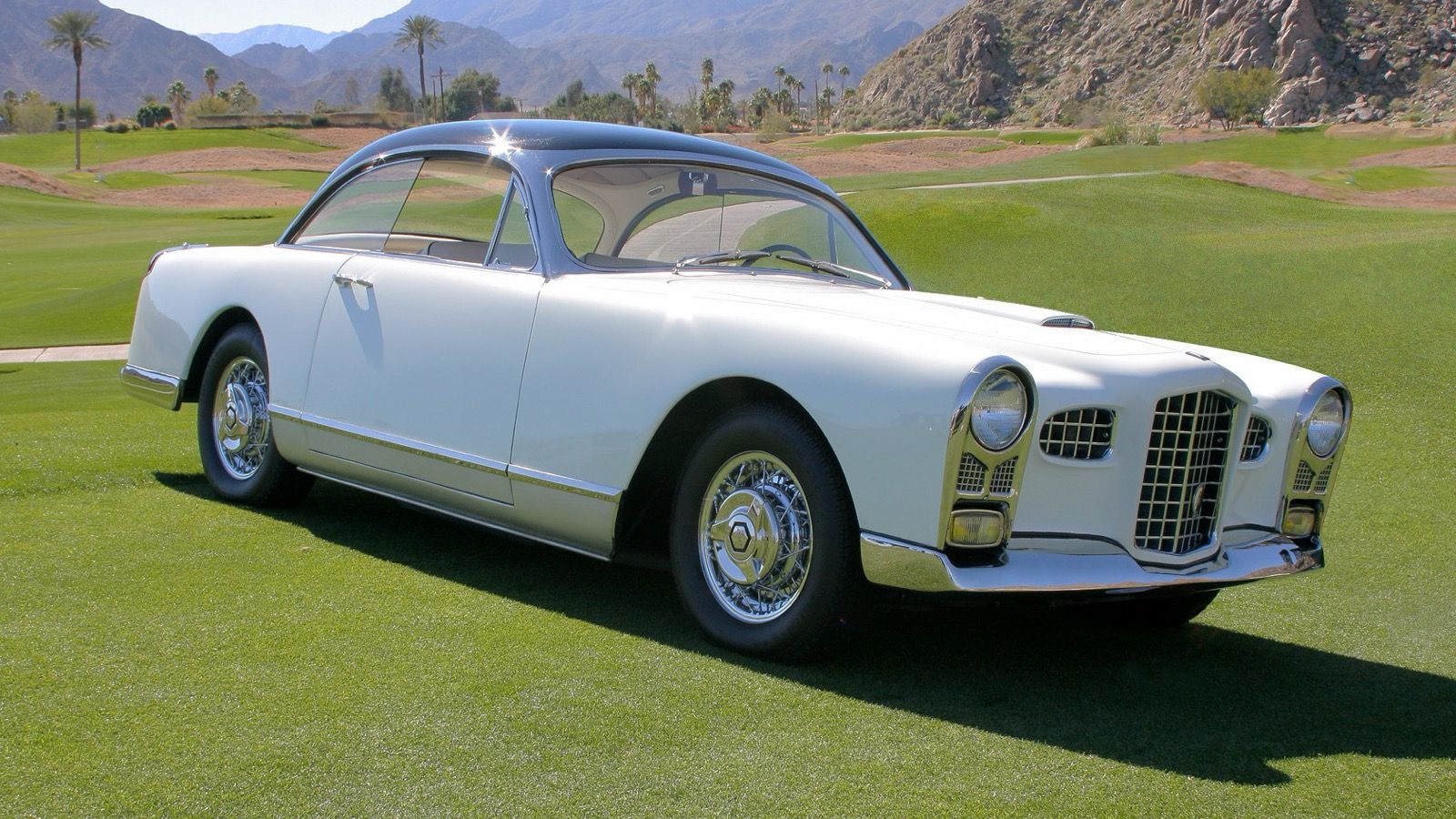
1955 Photo: “1955 Facel Vega FV1 - fvr.jpg” by Rex Gray from Southern California / Wikimedia Commons, licensed under CC BY 2.0. Cropped to 16:9.
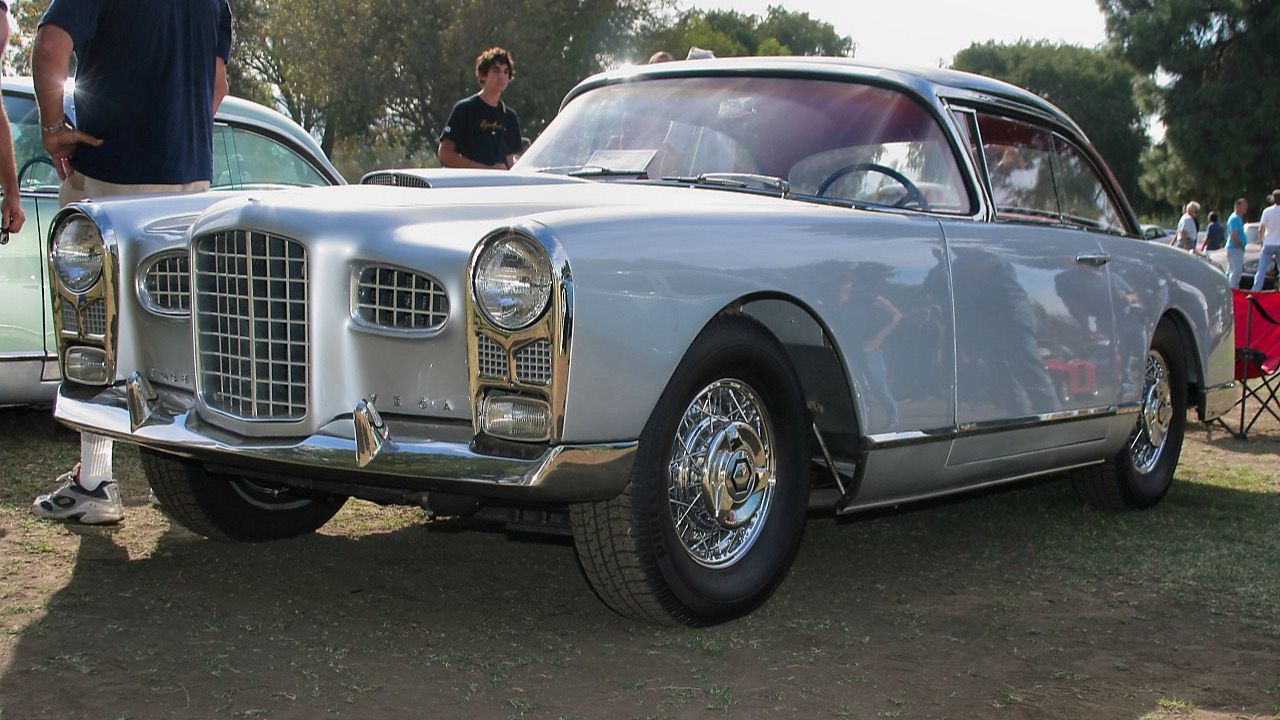
1956 Photo: “1956 Facel Vega 2B - silver - fvl2-1.jpg” by Rex Gray / Wikimedia Commons, licensed under CC BY 2.0. Cropped to 16:9.
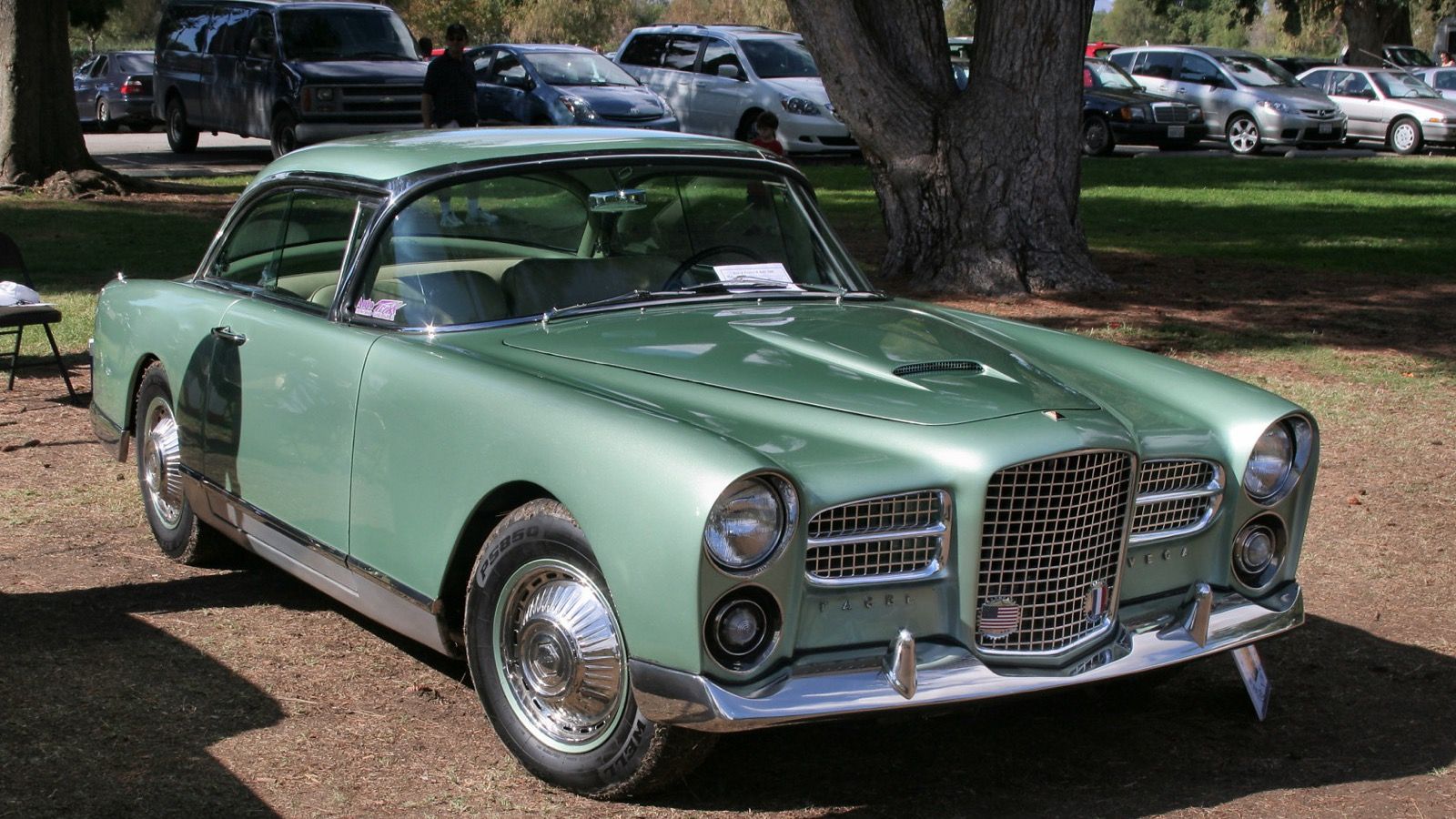
1957 Photo: “1957 Facel Vega FVS FV4 - green - fvr (4637139971).jpg” by Rex Gray from Southern California / Wikimedia Commons, licensed under CC BY 2.0. Cropped to 16:9.
Second generation · HK500
Refined successor with up to 360 hp 6.3-litre Chrysler V8 and standard four-wheel discs; 489 built.
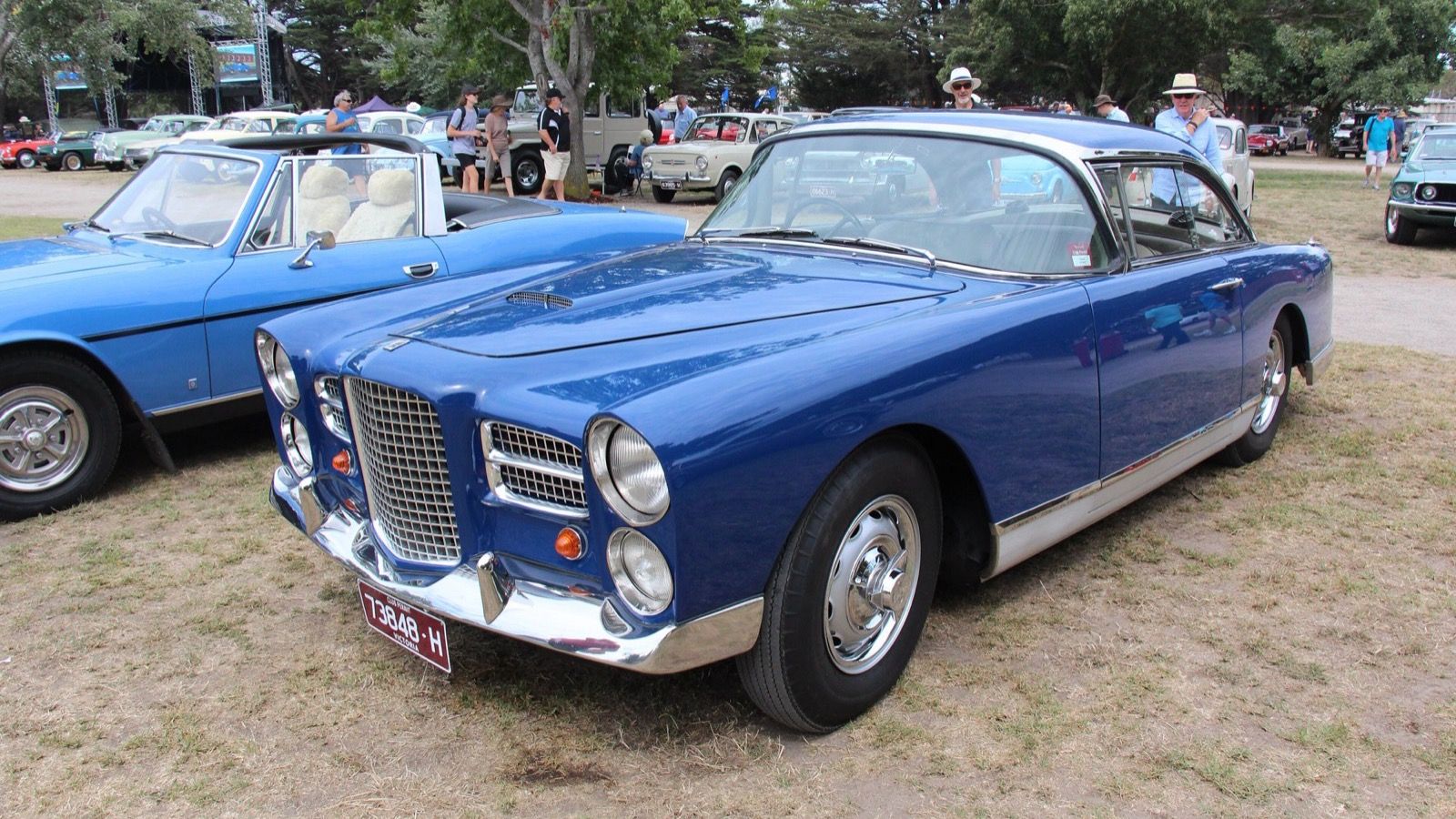
1959 Photo: “1959 Facel Vega HK500 Coupe (32430048170).jpg” by Sicnag / Wikimedia Commons, licensed under CC BY 2.0. Cropped to 16:9.
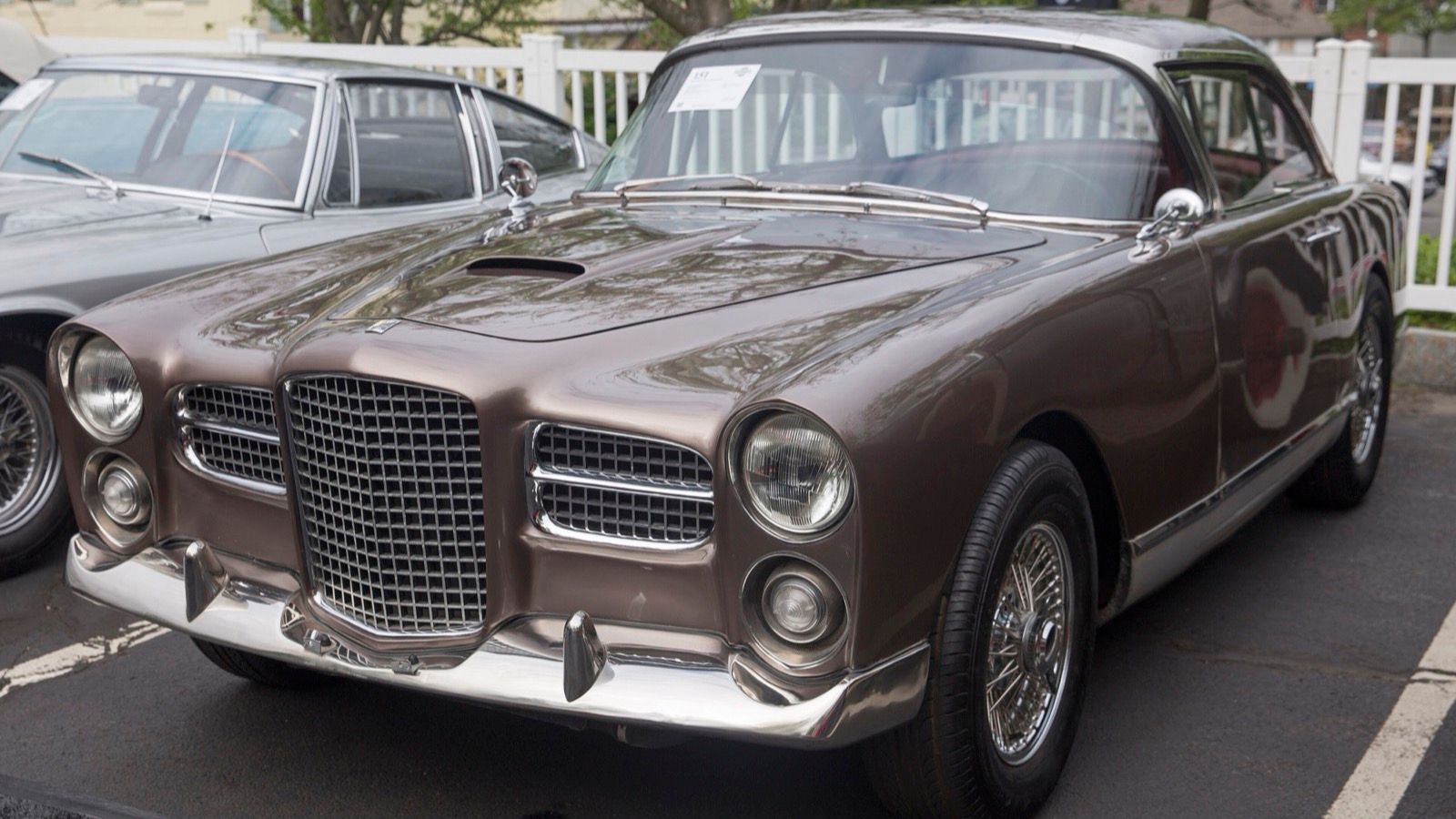
1960 Photo: “1960 Facel Vega HK500 in Rose Metallic, front left.jpg” by Mr.choppers / Wikimedia Commons, licensed under CC BY-SA 3.0. Cropped to 16:9.
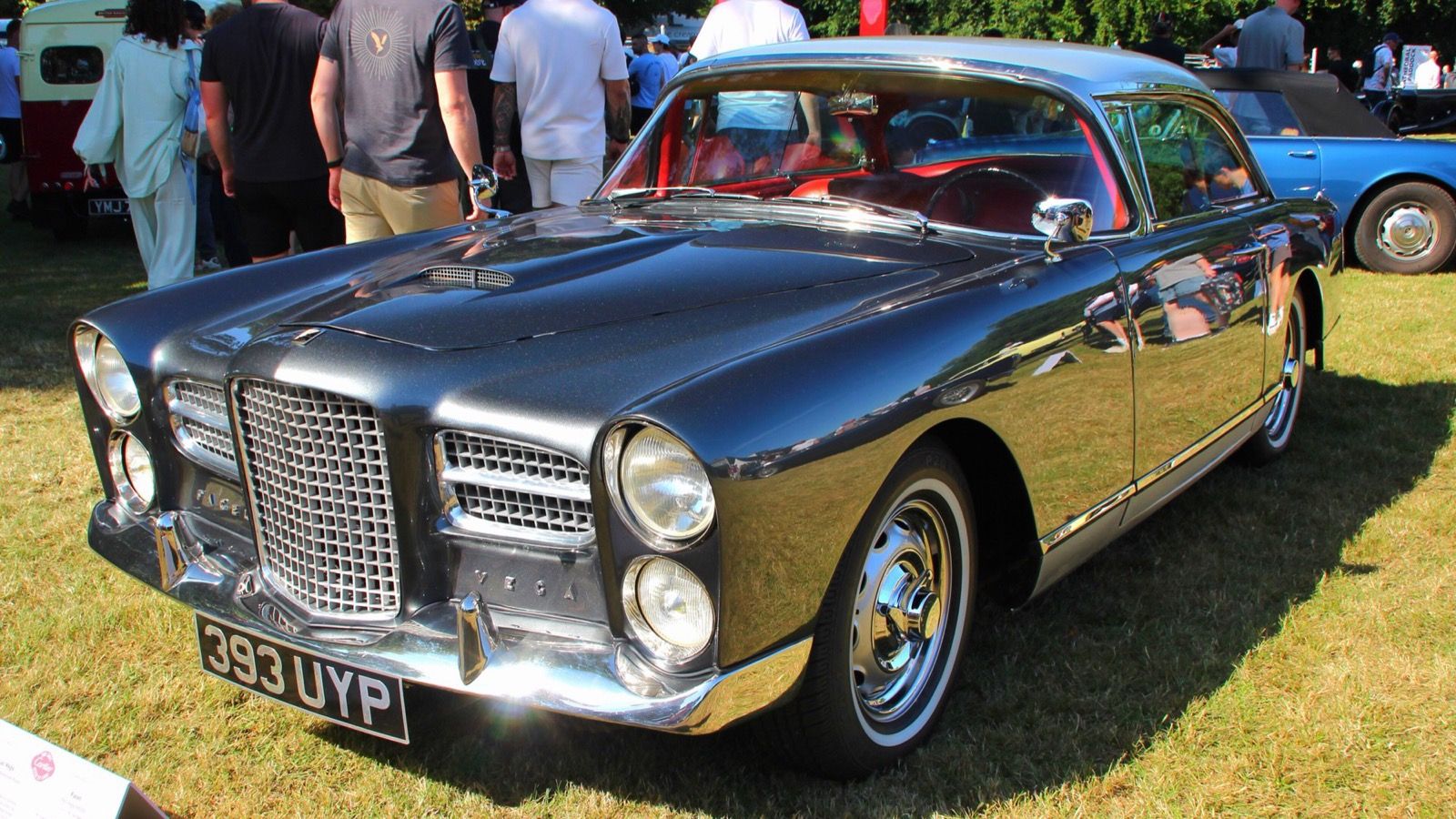
1961 Photo: “1961 Facel Vega HK500 2.jpg” by Calreyn88 / Wikimedia Commons, licensed under CC BY 4.0. Cropped to 16:9.
Body styles
- Coupe
- Hardtop
Related models
Collect the nameplate
Find a scale model of the Facel Vega FV / HK500
Search Amazon across available years, colors, and scales. Exact releases vary, so confirm the listing before ordering.