
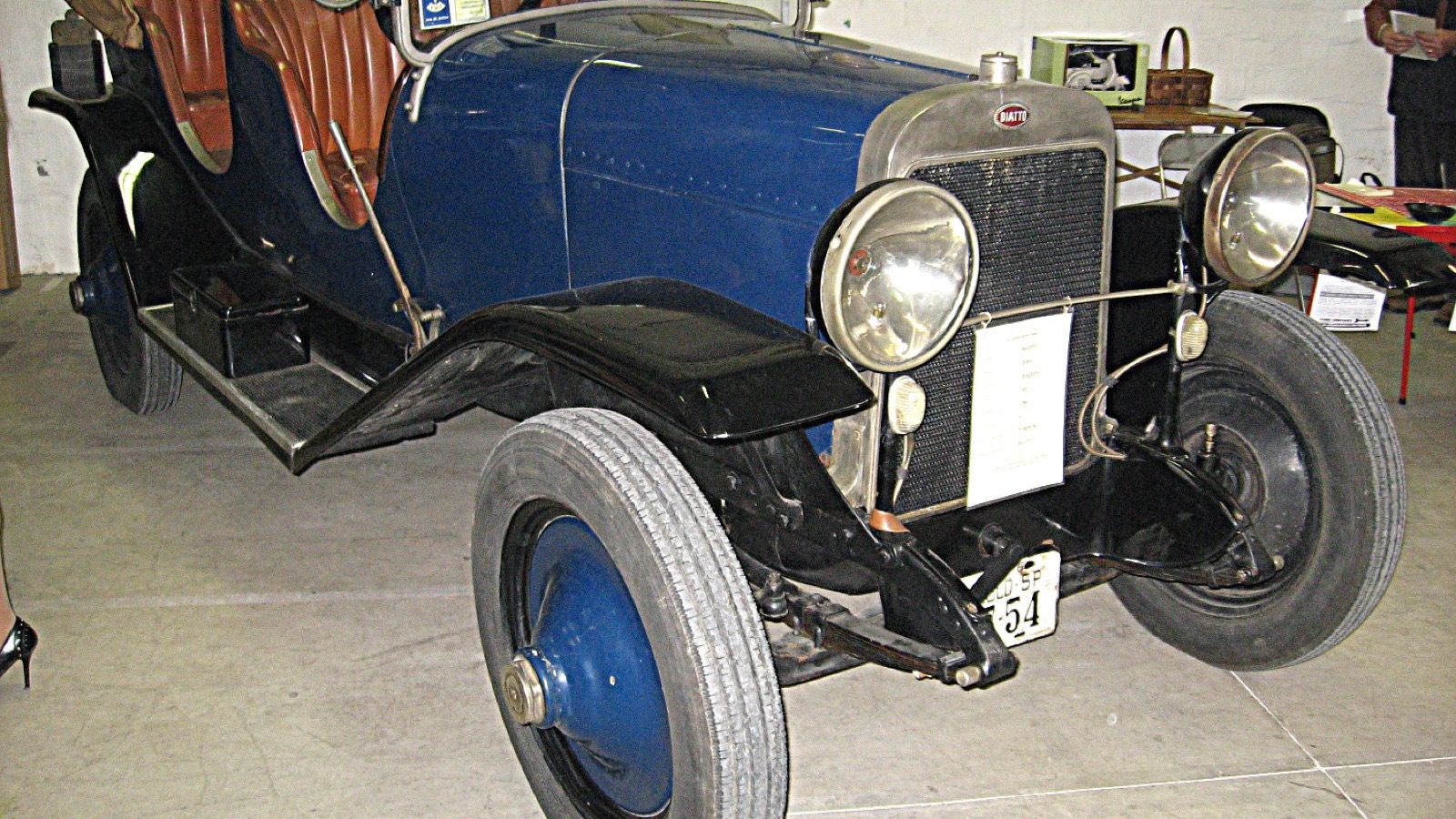
Diatto Tipo 20 History
Diatto's landmark 2-litre sports car (1922–1928) — a SOHC four designed by Giuseppe Coda and developed into a race-winner by Alfieri Maserati.
Photo: “Diatto 20-DA.JPG” by No machine-readable author provided. Luc106 assumed (based on copyright claims). / Wikimedia Commons — Public domain. Cropped to 16:9.
History
Introduced in 1922 and designed by Giuseppe Coda — who had previously been responsible for SCAT racing cars at the Targa Florio — the Tipo 20 was Diatto's most sophisticated road car. Its 2-litre (1,996 cc) four-cylinder engine drove a shaft-driven single overhead camshaft and produced around 40 bhp in standard touring trim, paired with a four-speed gearbox and (unusually for the era) four-wheel brakes on later examples.
In 1922 the Maserati brothers were retained to manage Diatto's racing programme, with Alfieri Maserati as lead development driver. Alfieri substantially revised the engine — raising output to around 70 bhp — and the resultant 20S (short-wheelbase, DOHC, 75 bhp) contested the Targa Florio, the Coppa Florio, and the Circuit of Garda, where Diatto took three consecutive wins in 1922, 1923, and 1924. In 1924, a supercharged 2-litre straight-eight Grand Prix derivative was also developed under Alfieri's direction, though financial strain prevented it from being fully campaigned.
When Diatto's commercial position deteriorated in 1926, Alfieri Maserati departed and, with his brothers, founded Officine Alfieri Maserati in Bologna — using lessons learned on the Diatto eight as the technical foundation for the Maserati Tipo 26. The Tipo 20 touring variants continued in production until around 1928, surviving largely because they were already paid for; the last new cars left the factory before the firm formally ceased automobile production in 1929.
Generations
Tipo 20 / 20A · Coda-designed touring model
Photo: “Diatto 20-DA.JPG” by No machine-readable author provided. Luc106 assumed (based on copyright claims). / Wikimedia Commons — Public domain. Cropped to 16:9.
Standard 2-litre SOHC touring tourer with 40 bhp; the 20A variant had four-wheel brakes and minor body updates.
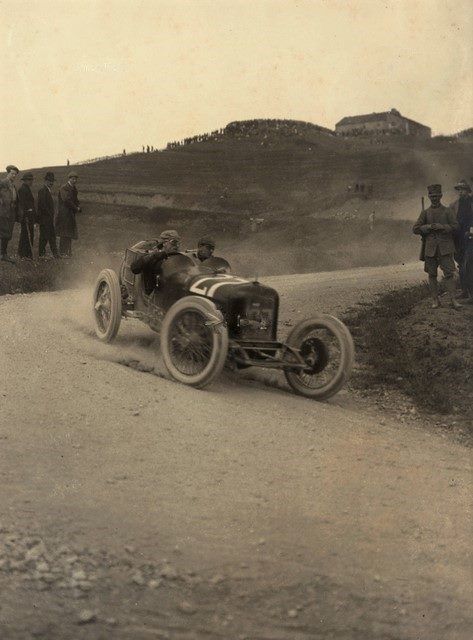
1922 Photo: “1922-06-18 Mugello Diatto 20 Gamboni.jpg” by Unknown photographer / Wikimedia Commons — Public domain
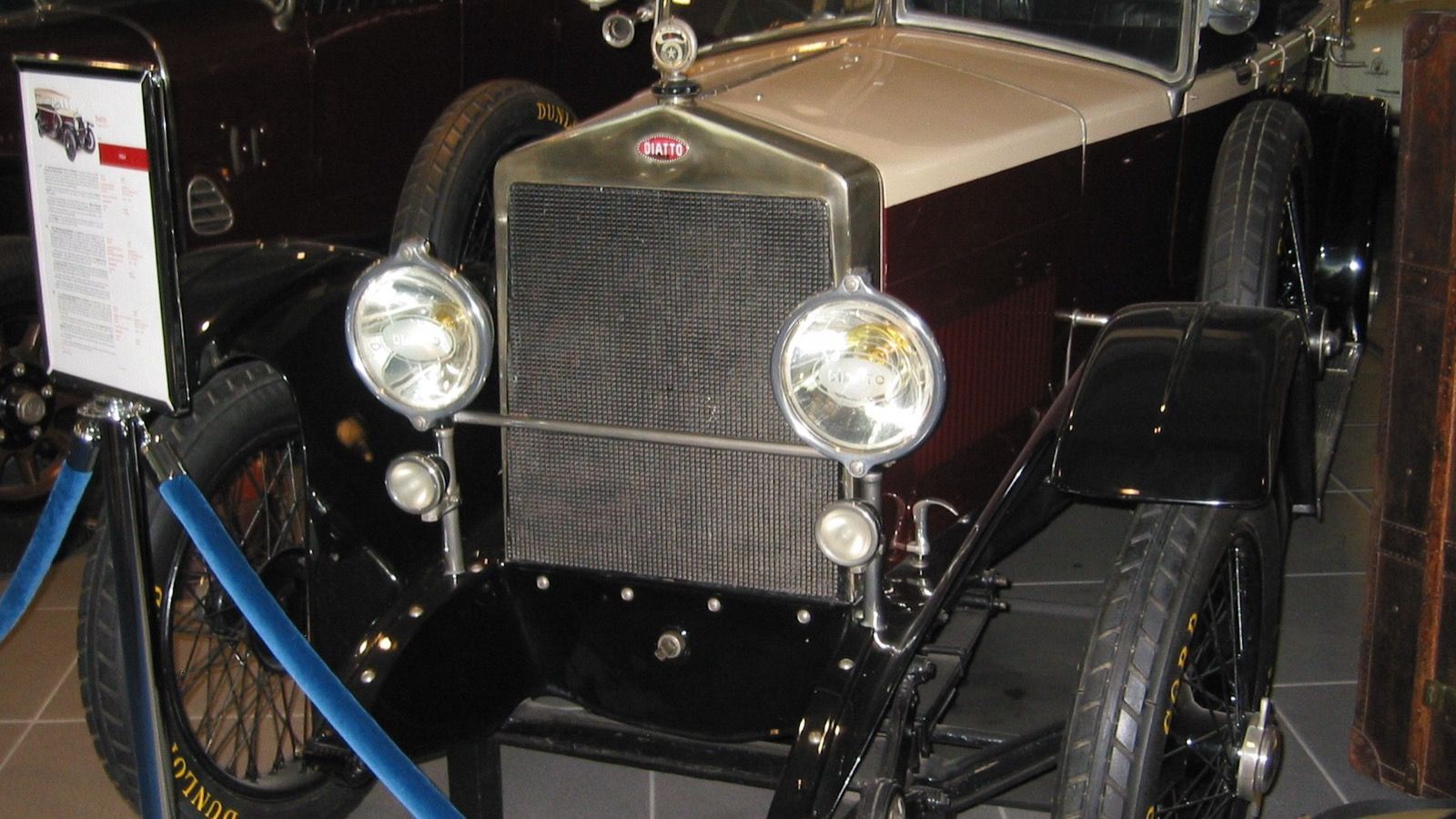
1924 Photo: “Diatto 1924.JPG” by Buch-t / Wikimedia Commons — Public domain. Cropped to 16:9.
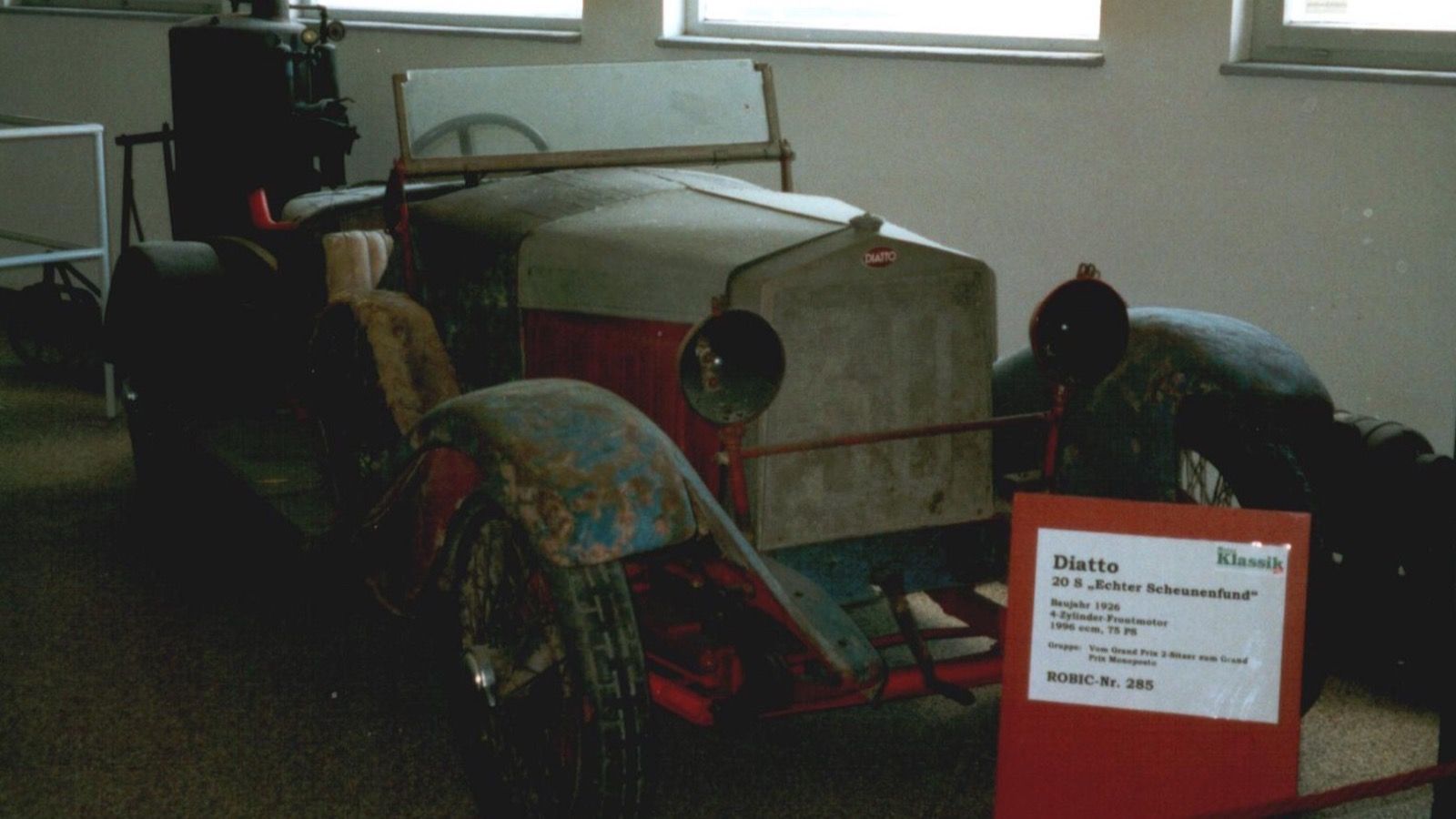
1926 Photo: “Diatto 1926.JPG” by Buch-t / Wikimedia Commons — Public domain. Cropped to 16:9.
Tipo 20S · Short-wheelbase sports / GP variant
Short-wheelbase DOHC racer developed by Alfieri Maserati, producing around 75 bhp; led to the aborted supercharged straight-eight Grand Prix car.
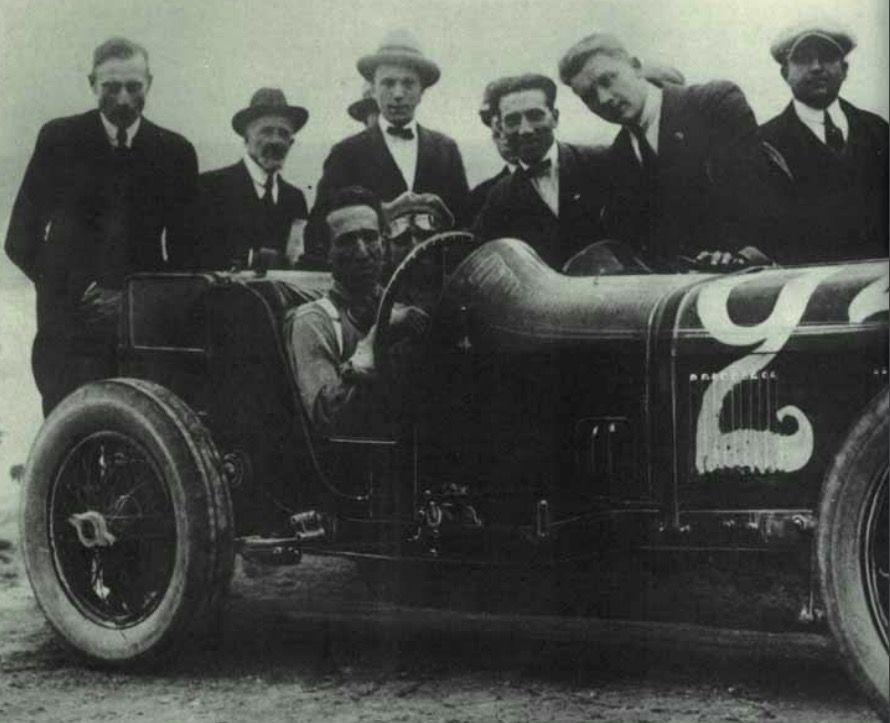
1924 Photo: “1924-11-09 Garda WINNER Diatto 20S Meregalli.png” by Unknown photographer / Wikimedia Commons — Public domain. Converted from PNG to JPEG.
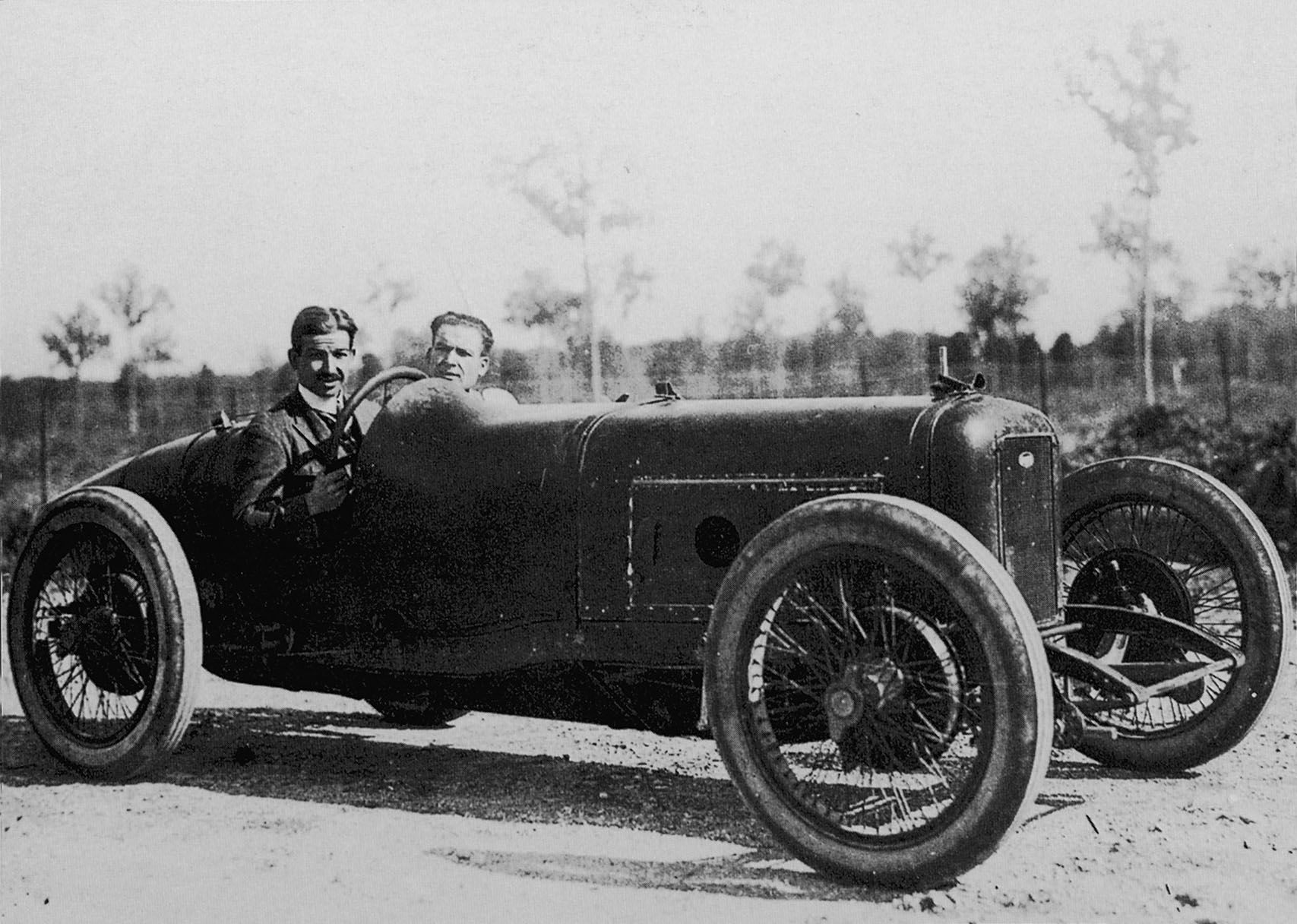
1925 Photo: “1925 Diatto 8C Alfieri.jpg” by Unknown photographer / Wikimedia Commons — Public domain
Body styles
- Tourer
- Sports tourer
- Racing car
Notable special editions & performance variants
Tipo 20S Grand Prix eight
Supercharged 2-litre straight-eight GP car designed with Alfieri Maserati; never fully campaigned due to Diatto's financial collapse.
Related models
Collect the nameplate
Find a scale model of the Diatto Tipo 20
Search Amazon across available years, colors, and scales. Exact releases vary, so confirm the listing before ordering.