
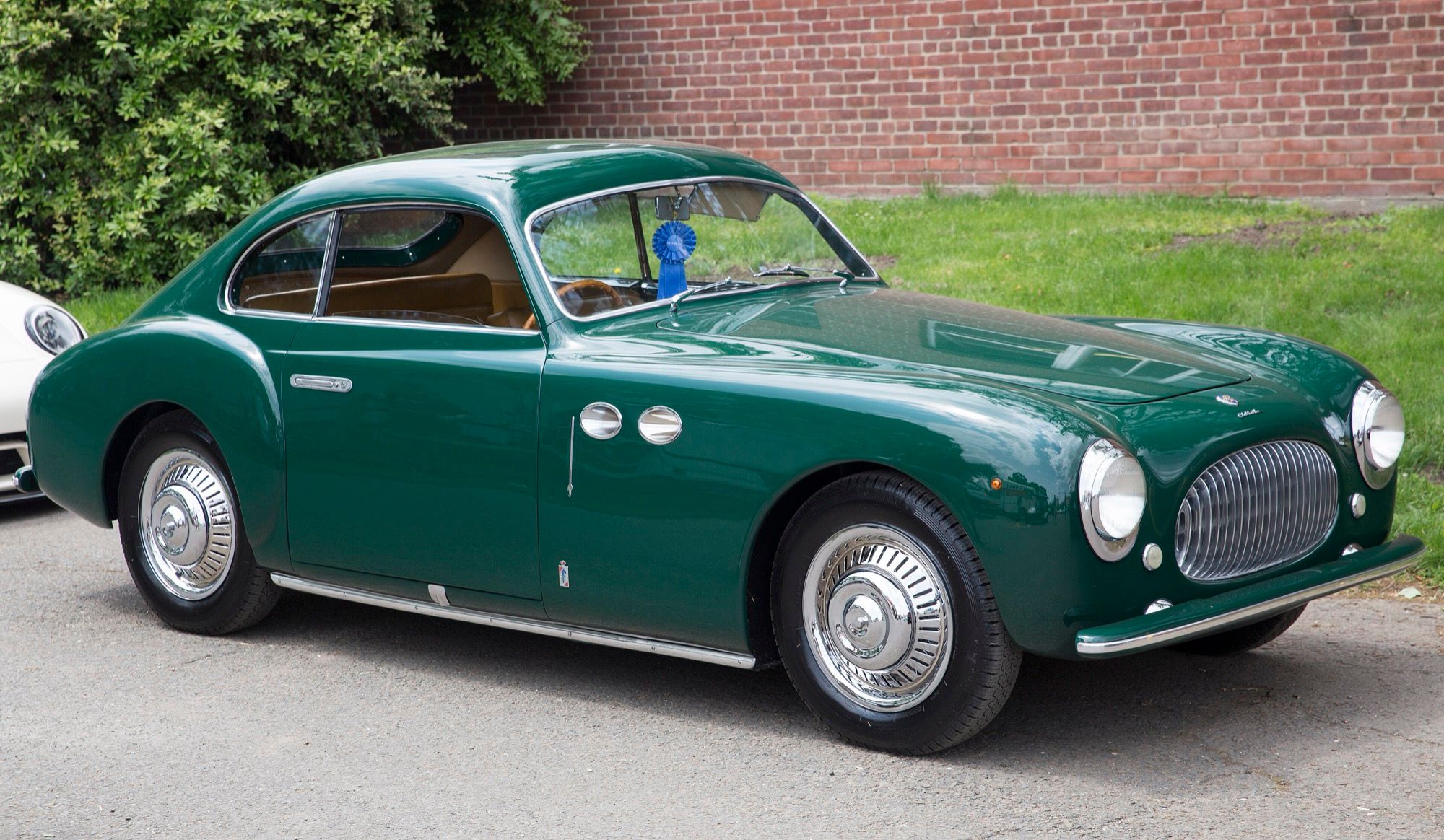
Cisitalia 202 History
One of the most celebrated car designs ever made — Pininfarina's flowing two-seat coupe that resides in MoMA's permanent collection.
Photo: “File:1949 Cisitalia 202 SC in Verde, front right.jpg” by Mr.choppers / Wikimedia Commons, licensed under CC BY-SA 4.0
History
The 202 was introduced to the public at the 1947 Paris Motor Show and immediately recognised as a watershed moment in automotive design. Pinin Farina resolved the body into a single, unbroken surface — integrating hood, fenders, and headlights into one continuously flowing form rather than treating them as separate components bolted together. This 'envelope body' approach would define a generation of sports car design.
Mechanically the 202 used a modified Fiat 1,089 cc four-cylinder, but it was the aluminium coachwork that made history. New York's Museum of Modern Art acquired a 202 for its landmark 1951 'Eight Automobiles' exhibition — curator Arthur Drexler called it 'a rolling sculpture' — and the car has remained in MoMA's permanent collection ever since. Approximately 170 examples were built by Pinin Farina, Vignale, and Stabilimenti Farina.
A handful of open-body 202 SMM (Sport MM) Nuvolari Spiders were also made, named for Tazio Nuvolari's class victory at the 1947 Mille Miglia. These feature prominent tail fins and twin aero screens and are among the rarest and most valuable Cisitalias. By 1952 production had quietly ended, as the company's finances — depleted by the ill-fated Grand Prix project — could not sustain further road-car development.
Generations
Single generation · 202 (Pinin Farina envelope body)
Photo: “File:1949 Cisitalia 202 SC in Verde, front right.jpg” by Mr.choppers / Wikimedia Commons, licensed under CC BY-SA 4.0
Pinin Farina's landmark 'envelope body' coupe and cabriolet on a Fiat 1,089 cc four; roughly 170 built and celebrated as rolling sculpture in MoMA's collection.
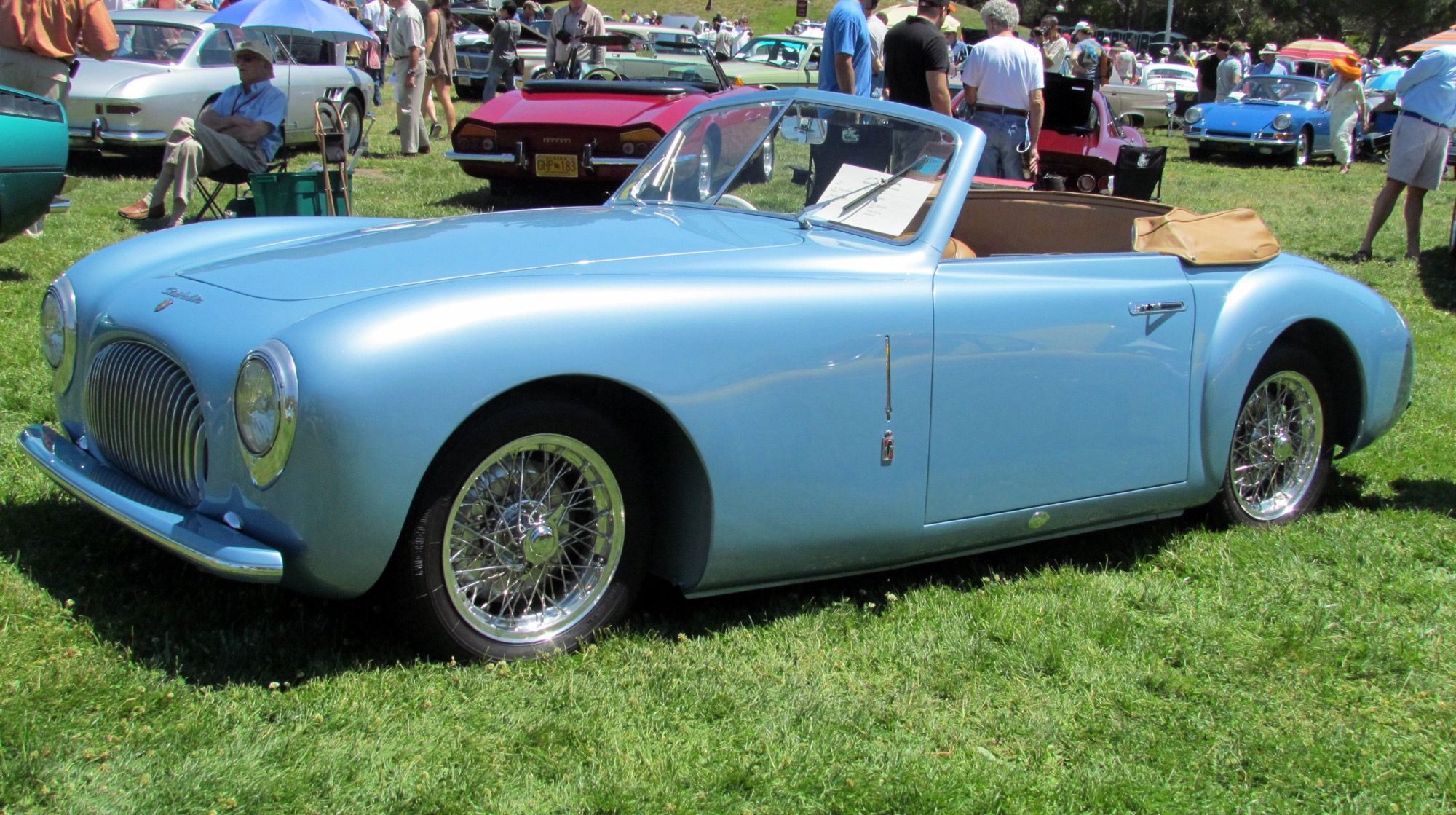
1947 Photo: “File:1947 Cisitalia 202 Cabriolet, coachwork by Pinin Farina (7563578164).jpg” by David Berry from Rohnert Park CA, USA / Wikimedia Commons, licensed under CC BY 2.0
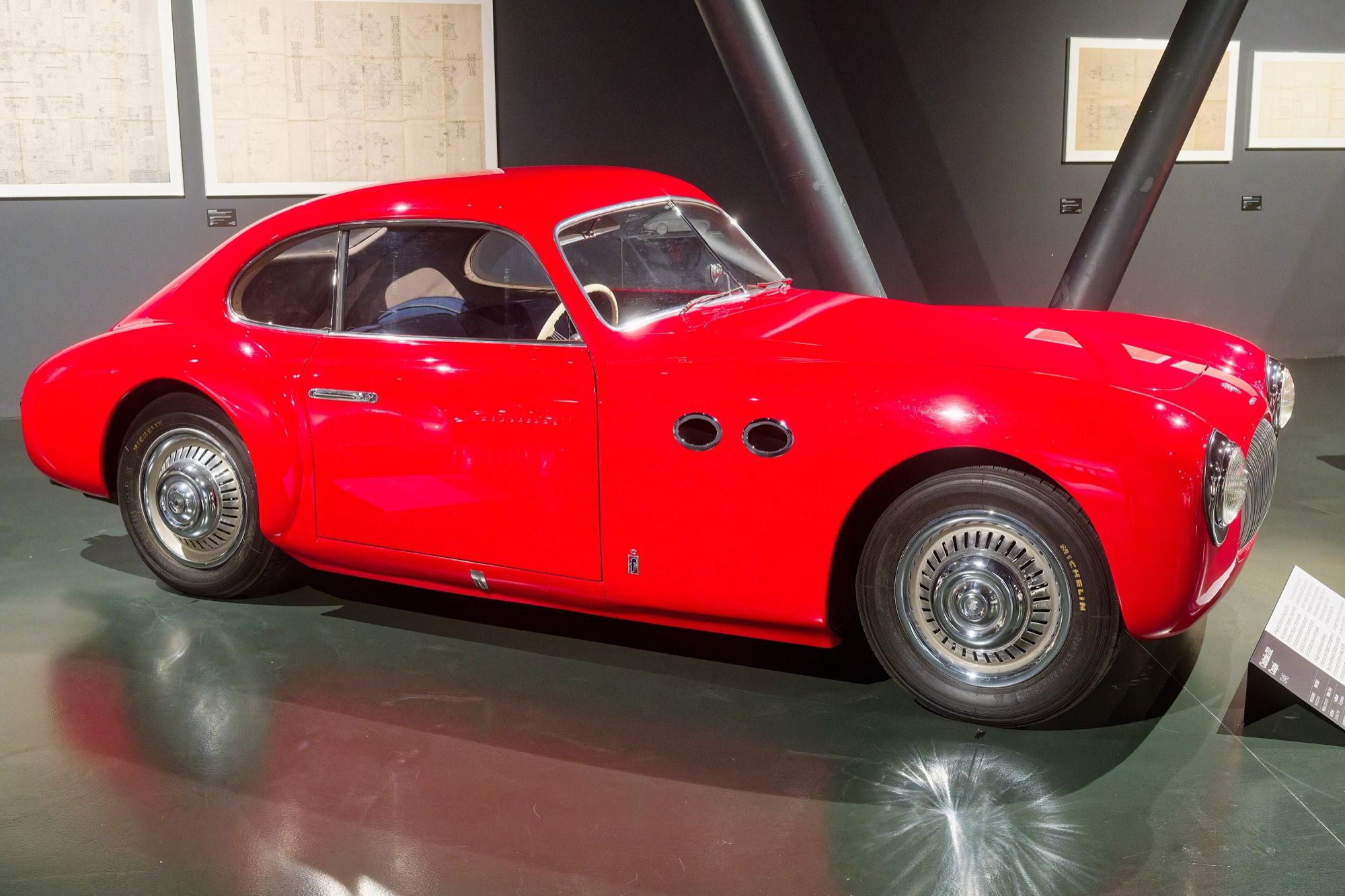
1948 Photo: “File:Cisitalia 202 Coupé 1948 MAUTO n01.jpg” by Marie-Lan Taÿ Pamart / Wikimedia Commons, licensed under CC BY 4.0
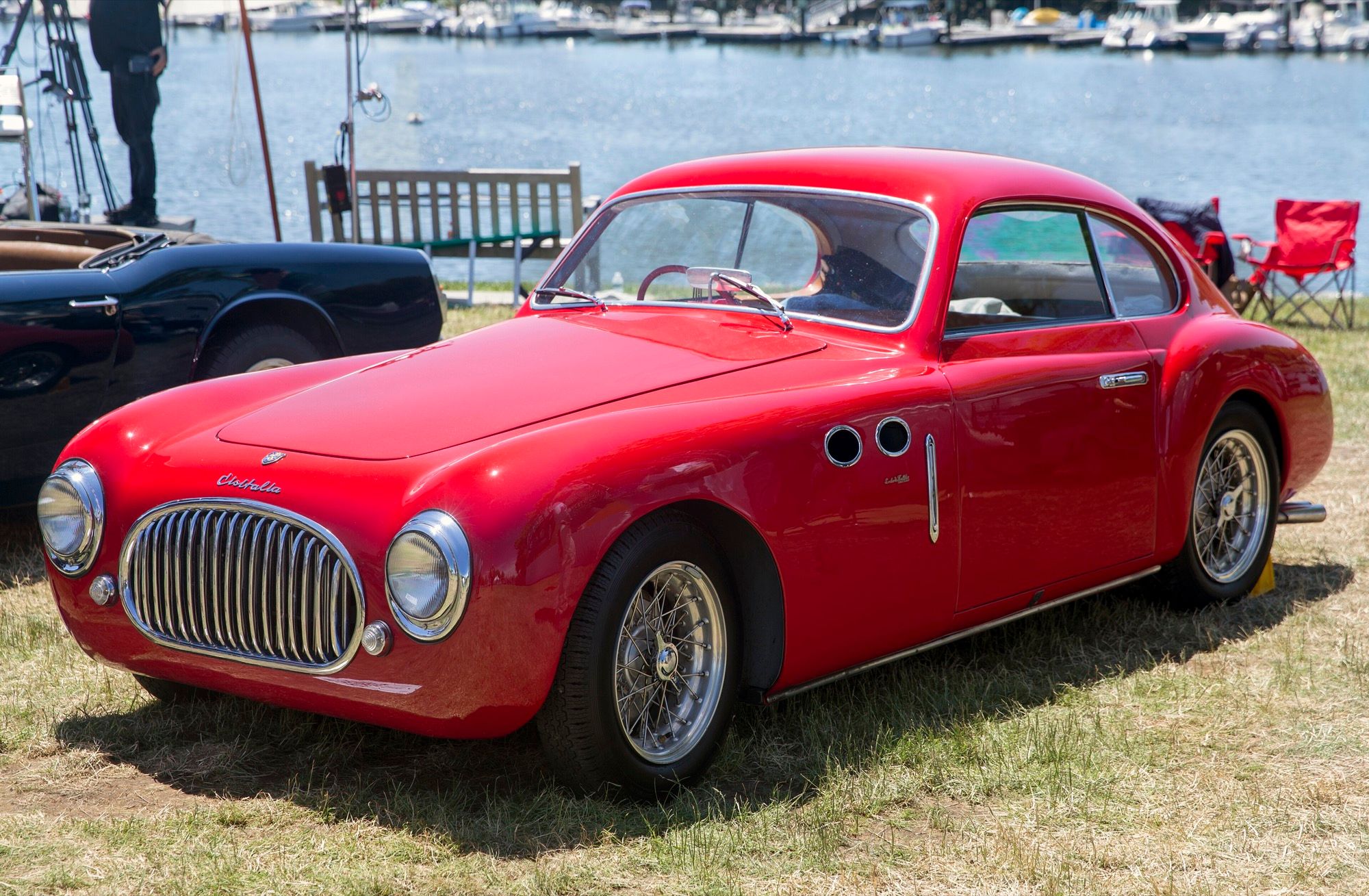
1950 Photo: “File:1950 Cisitalia 202 GS by Vignale, front left (Greenwich 2022).jpg” by Mr.choppers / Wikimedia Commons, licensed under CC BY-SA 3.0
Body styles
- Coupe
- Spider (cabriolet)
Notable special editions & performance variants
202 SMM Nuvolari Spider
Open-body racing variant with distinctive rear fins and dual windscreens; approximately 20 built. Named after Nuvolari's class win at the 1947 Mille Miglia.
202 CMM (Vignale)
A small number of coupes bodied by Vignale rather than Pinin Farina; only three examples are believed to survive.
Related models
Collect the nameplate
Find a scale model of the Cisitalia 202
Search Amazon across available years, colors, and scales. Exact releases vary, so confirm the listing before ordering.