
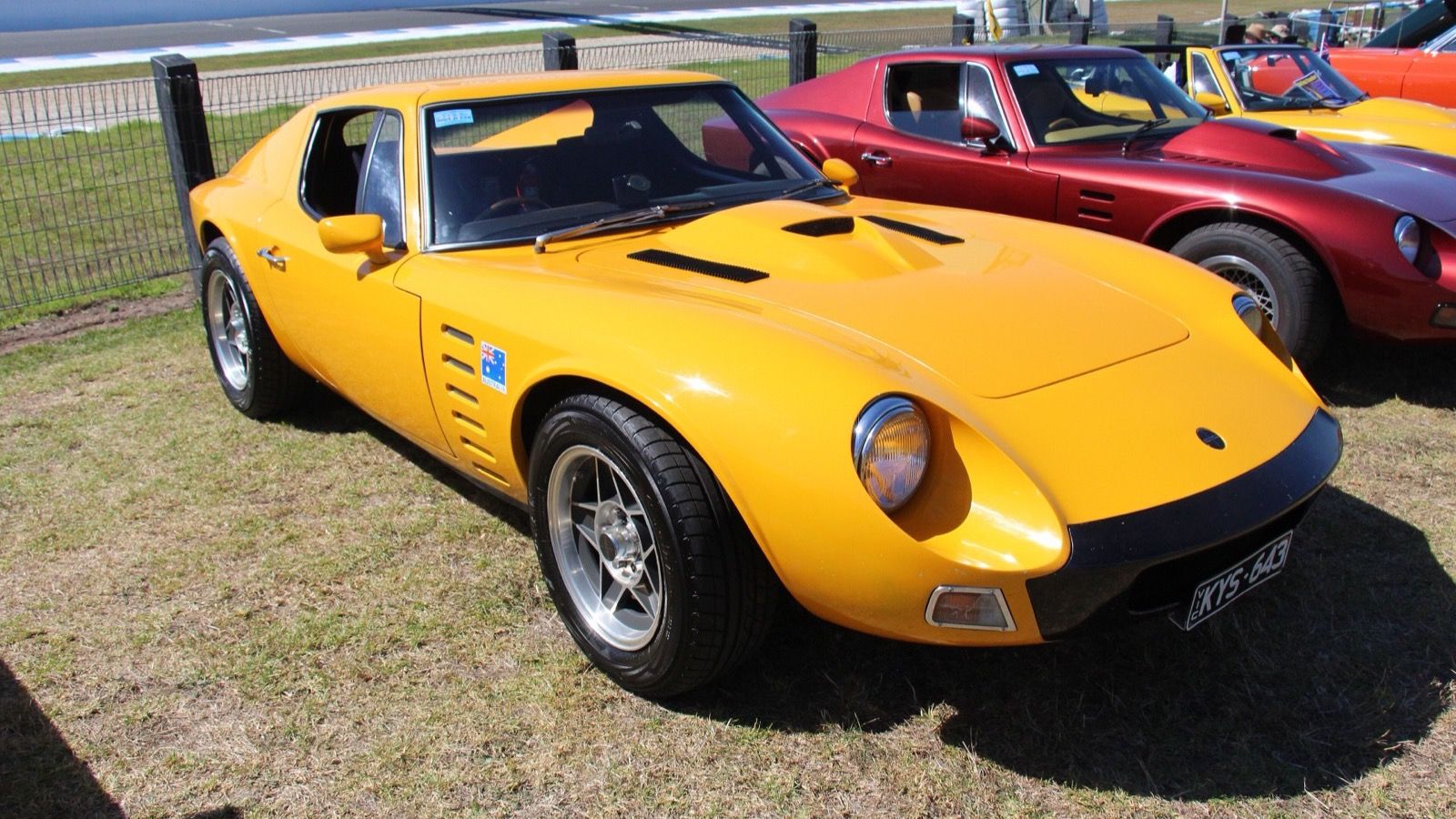
Bolwell Mk VIII Nagari History
Bolwell's Ford V8-powered flagship — 118 factory-built coupes and convertibles that represent the high-water mark of original Bolwell production.
Photo: “1970 Bolwell Nagari Mk VIII Coupe” by Sicnag / Wikimedia Commons, licensed under CC BY 2.0. Cropped to 16:9.
History
The Mk VIII, named 'Nagari' (believed to derive from an Aboriginal word meaning 'flowing'), marked a decisive step up: it was fully factory-built rather than sold in kit form, used a steel backbone chassis, and was powered by Ford Windsor and Cleveland V8 engines. Graeme Bolwell's 1966 working experience at Lotus in England directly shaped the car's engineering philosophy — designing around fibreglass rather than treating it as a substitute for steel.
The Nagari debuted in 1969 at MotorClassica's predecessor event and entered production shortly after. The coupe was available from 1969; a convertible (Sports) body option followed in 1972. Total production reached 118 examples — 100 coupes and 18 convertibles — making each car a rare commodity even in period.
Production ended in 1974 as a combination of the 1973 oil crisis, rising material costs, and tightening Australian Design Rules for small-scale manufacturers made continued production economically unviable. The Nagari is now the most sought-after Bolwell and commands serious money at Australian classic-car auctions.
Generations
Coupe · Nagari Coupe
Photo: “1970 Bolwell Nagari Mk VIII Coupe” by Sicnag / Wikimedia Commons, licensed under CC BY 2.0. Cropped to 16:9.
Factory-built Ford V8 coupe on a steel backbone chassis; 100 produced over the model's full run.
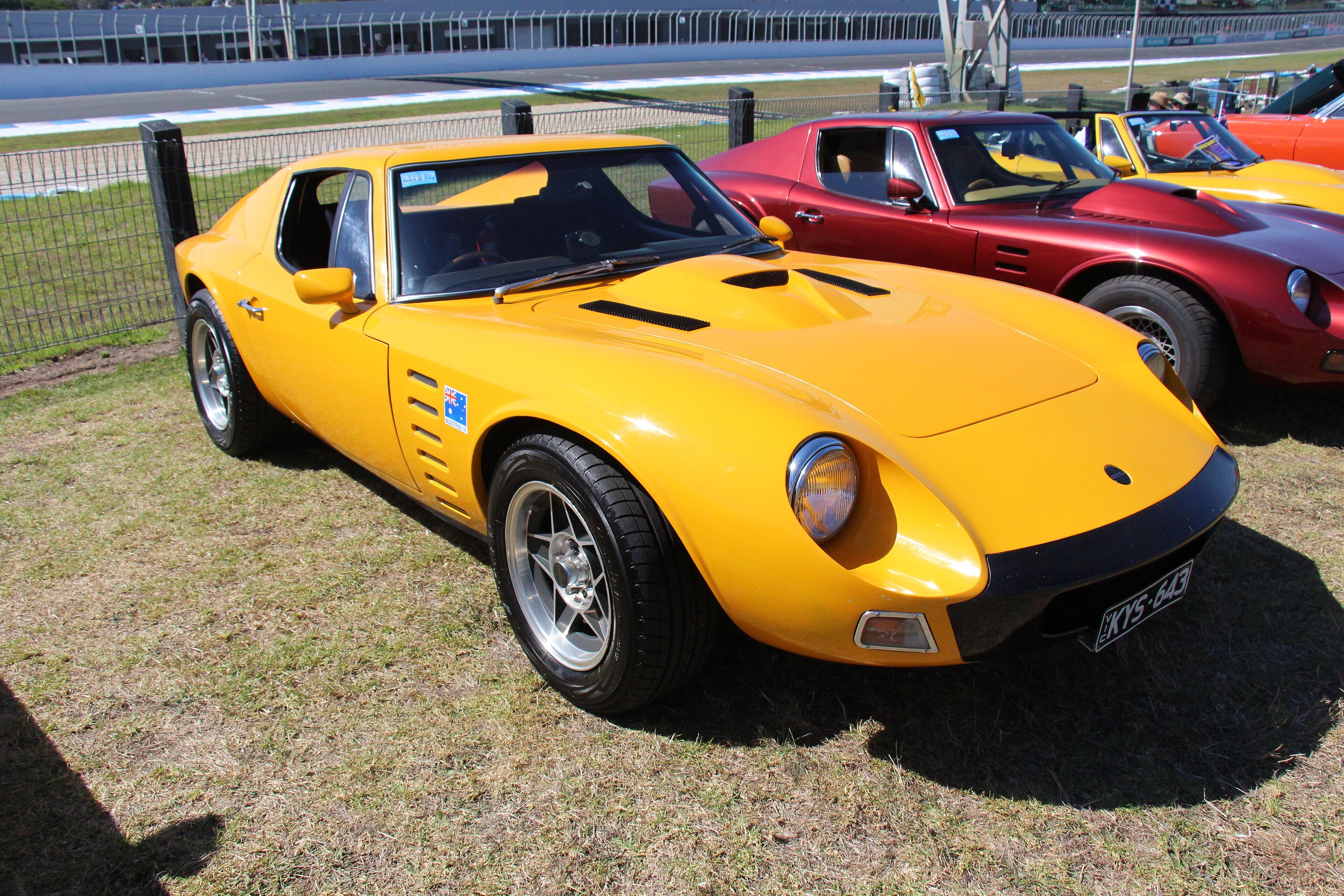
1970 Photo: “1970 Bolwell Nagari Mk VIII Coupe” by Sicnag / Wikimedia Commons, licensed under CC BY 2.0
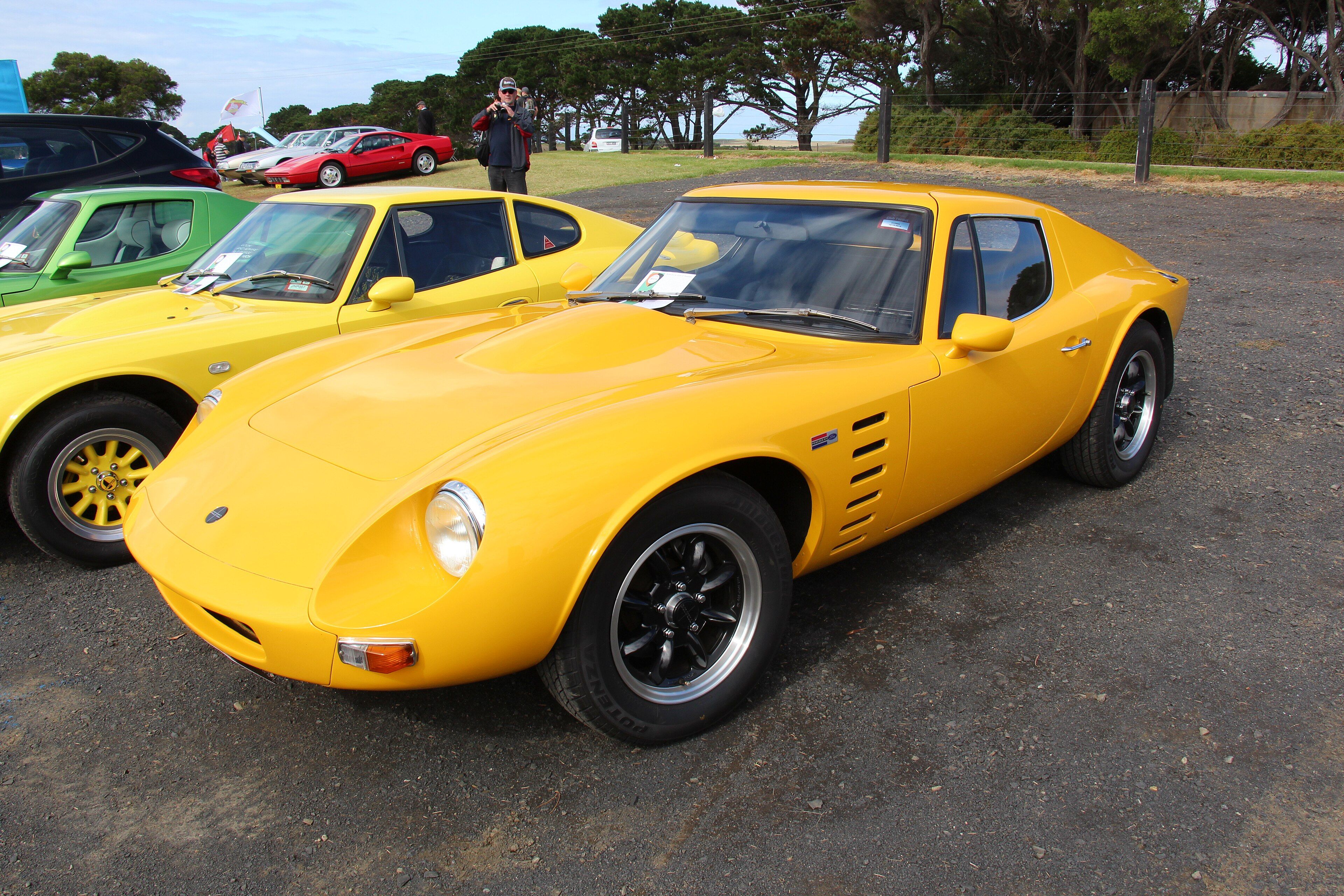
1972 Photo: “1972 Bolwell Nagari Mk VIII Coupe” by Sicnag / Wikimedia Commons, licensed under CC BY 2.0
Convertible · Nagari Sports (Convertible)
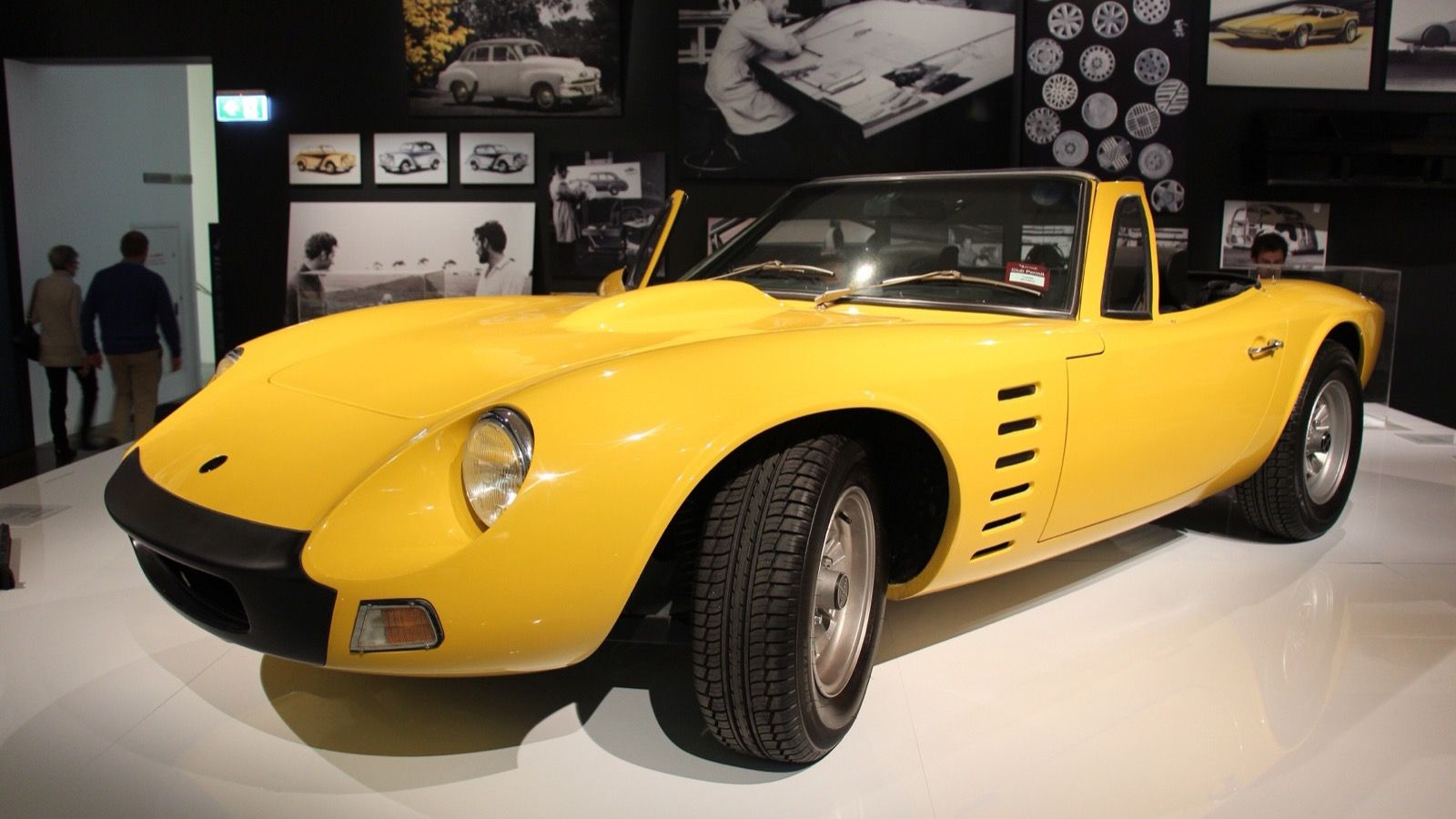
Photo: “1972 Bolwell Nagari Mk VIII Convertible” by Sicnag / Wikimedia Commons, licensed under CC BY 2.0. Cropped to 16:9.
Open-top variant of the Nagari; 18 examples produced in the final two years of production.
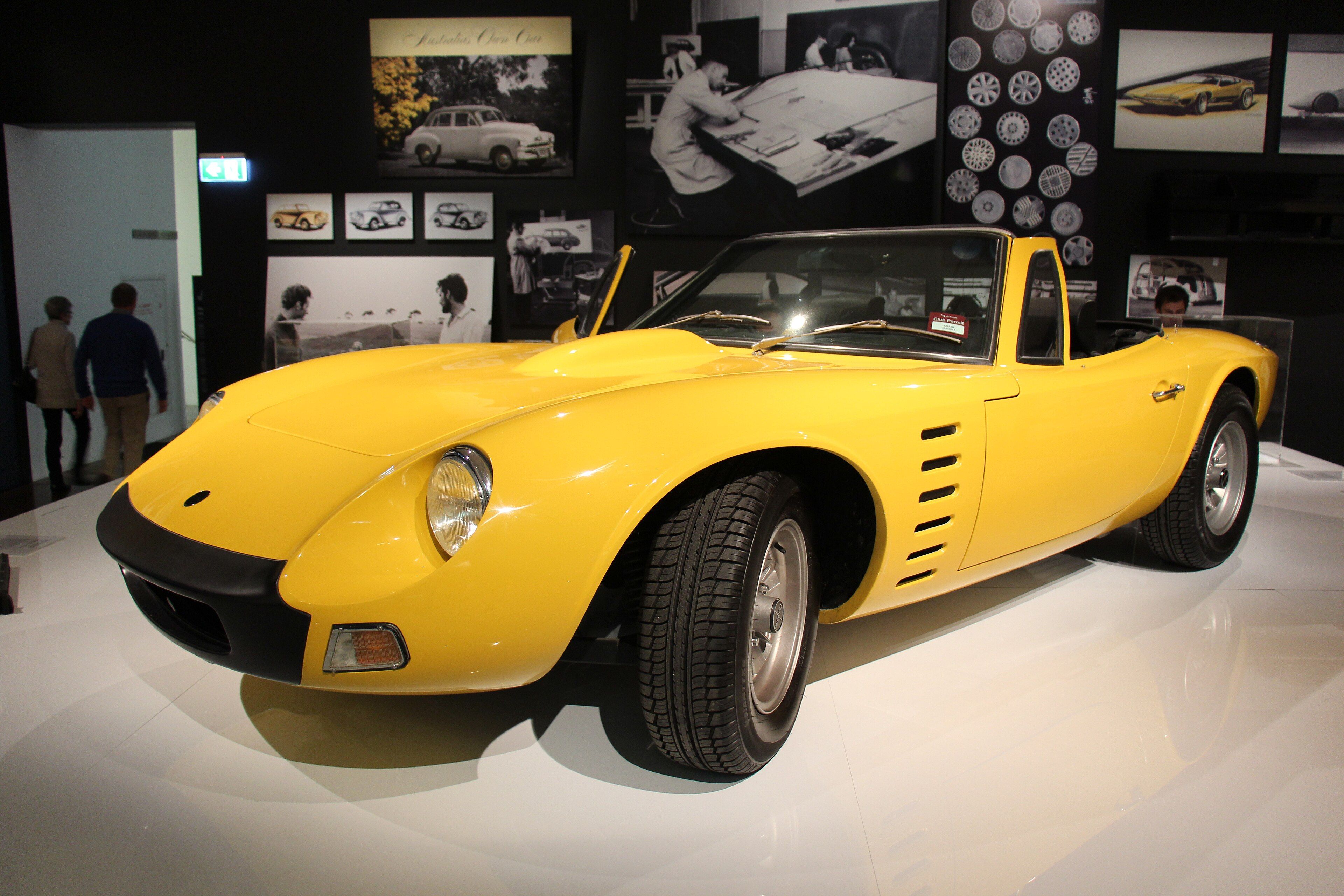
1972 Photo: “1972 Bolwell Nagari Mk VIII Convertible” by Sicnag / Wikimedia Commons, licensed under CC BY 2.0
Body styles
- Coupe
- Convertible
Related models
Collect the nameplate
Find a scale model of the Bolwell Mk VIII Nagari
Search Amazon across available years, colors, and scales. Exact releases vary, so confirm the listing before ordering.