
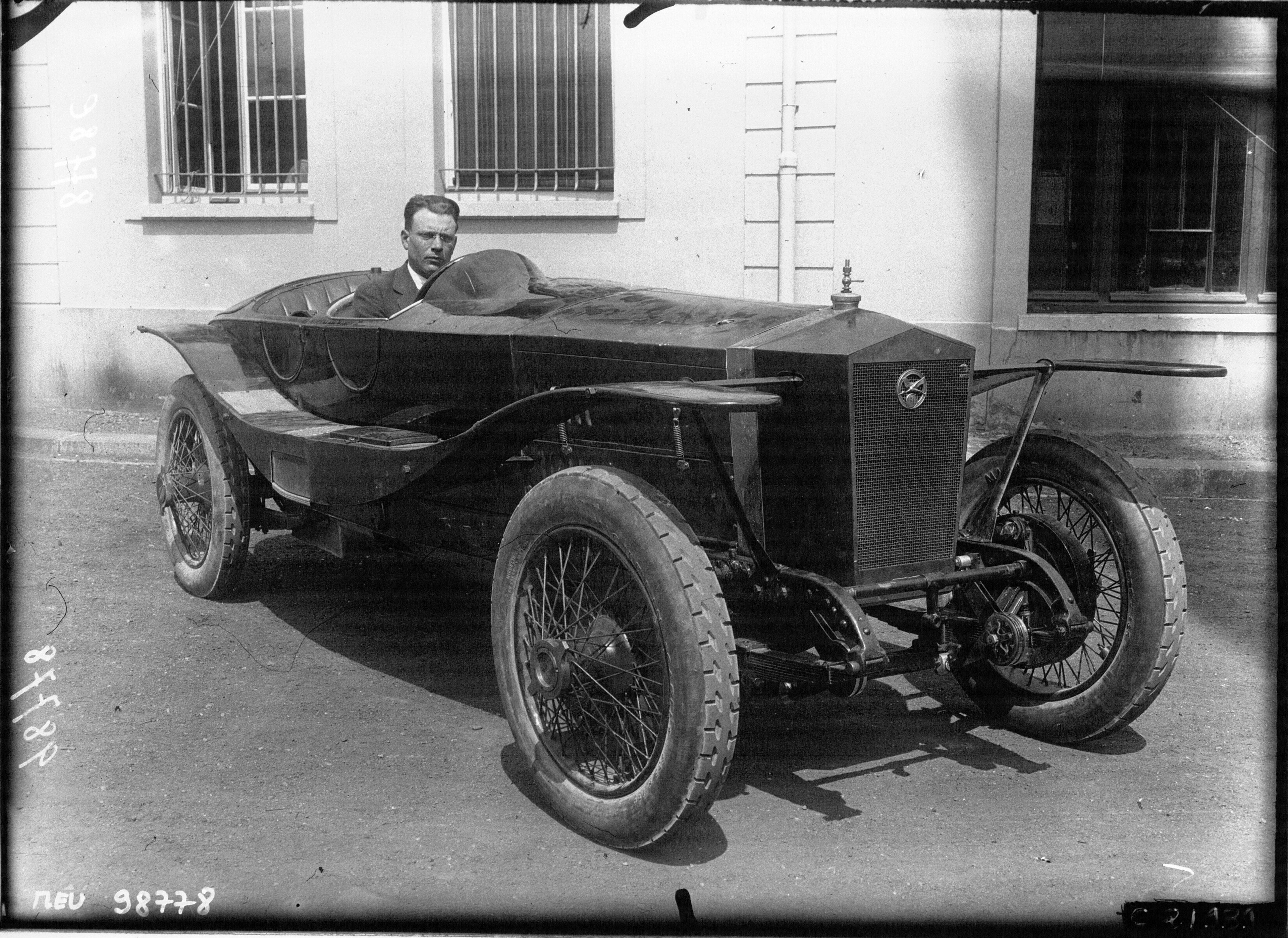
Bignan 11CV History
Bignan's defining model — a 2-litre four-cylinder sports car that scored third overall at the inaugural 1923 Le Mans 24 Hours in desmodromic-valve competition trim.
Photo: “File:Voiture Bignan-sport du circuit de Strasbourg - 3-4 avant - btv1b9055189b.jpg” by Agence de presse Meurisse. Agence photographique (commanditaire) / Wikimedia Commons — Public domain
History
Introduced in 1922, the 11CV used a 2-litre four-cylinder engine producing 50 bhp in road-going form. It came with a four-speed gearbox and servo-assisted brakes — advanced features for the era. A higher-output competition version, developed with desmodromic valve gear engineered by racing driver Albert Guyot and engineer Némorin Causan, pushed output to 70 bhp.
The 11CV's finest hour came at the inaugural 1923 24 Hours of Le Mans, where the Bignan 11HP Desmo Sport driven by Baron Raymond de Tornaco (Belgium) and Paul Gros (France) finished third overall, comfortably winning the 2-litre class by eight laps from the sister car. Bignan also won the 1924 Monte Carlo Rally with driver Jacques Édouard Ledure at the wheel of an 11CV.
For 1926 the 11CV received a significant update: a new eight-valve engine with twin oil pumps lifted standard output to 60 bhp. Production continued under revised ownership after the mid-1920s departure of Jacques Bignan himself, with the model remaining the commercial backbone of the range until the firm closed in 1931.
Generations
First generation · Original 11CV
Photo: “File:Voiture Bignan-sport du circuit de Strasbourg - 3-4 avant - btv1b9055189b.jpg” by Agence de presse Meurisse. Agence photographique (commanditaire) / Wikimedia Commons — Public domain
The debut 2-litre four-cylinder, 50 bhp road car; the desmodromic competition variant finished third at the 1923 Le Mans and won the 1924 Monte Carlo Rally.
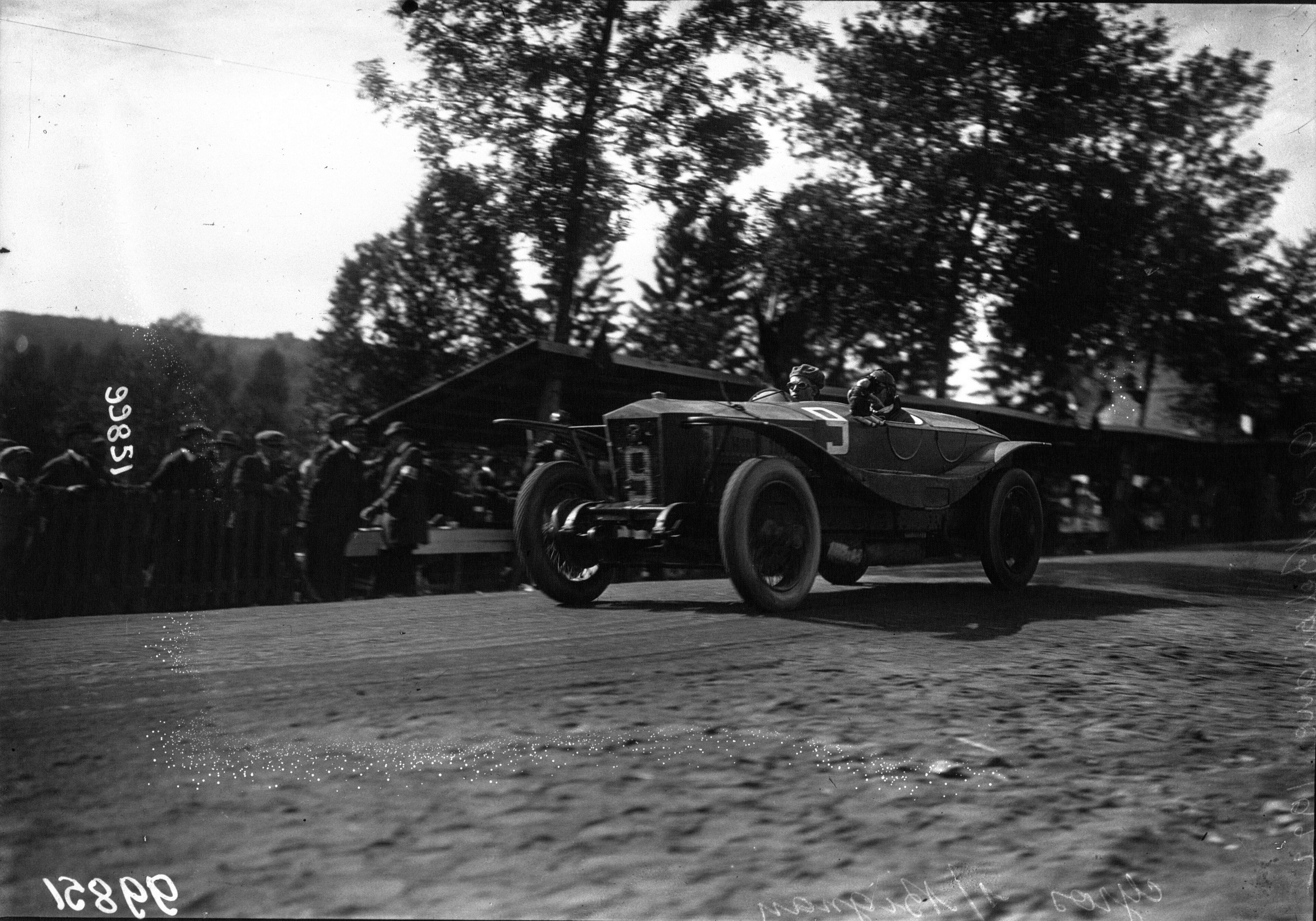
1922 Photo: “File:Bignan at the 1922 Belgian Grand Prix.jpg” by Agence de presse Meurisse / Wikimedia Commons — Public domain
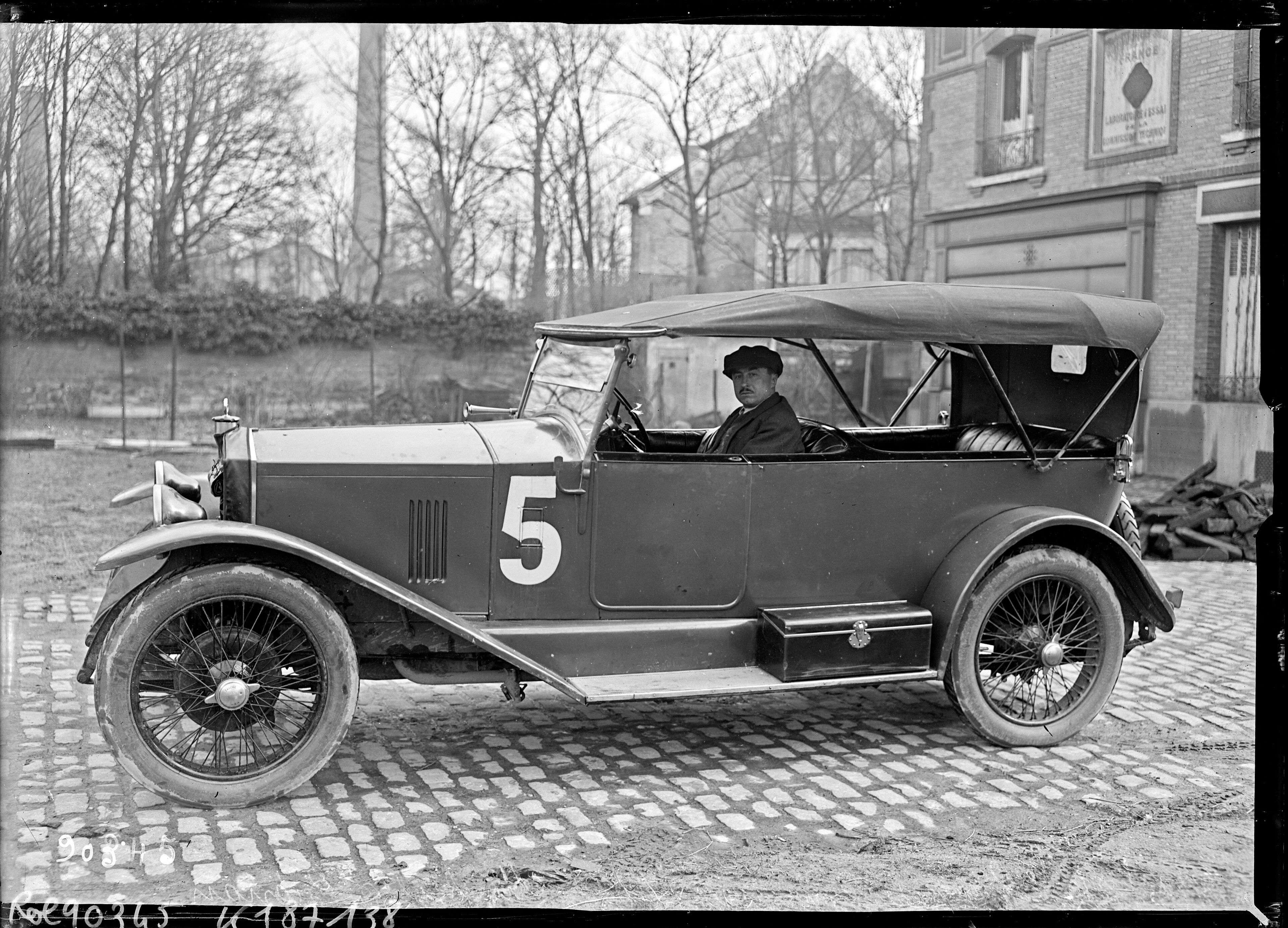
1924 Photo: “File:3-3-24, pesage de Paris-Nice (automobile), Monteil sur Bignan - btv1b53125511k.jpg” by Agence Rol / Wikimedia Commons — Public domain
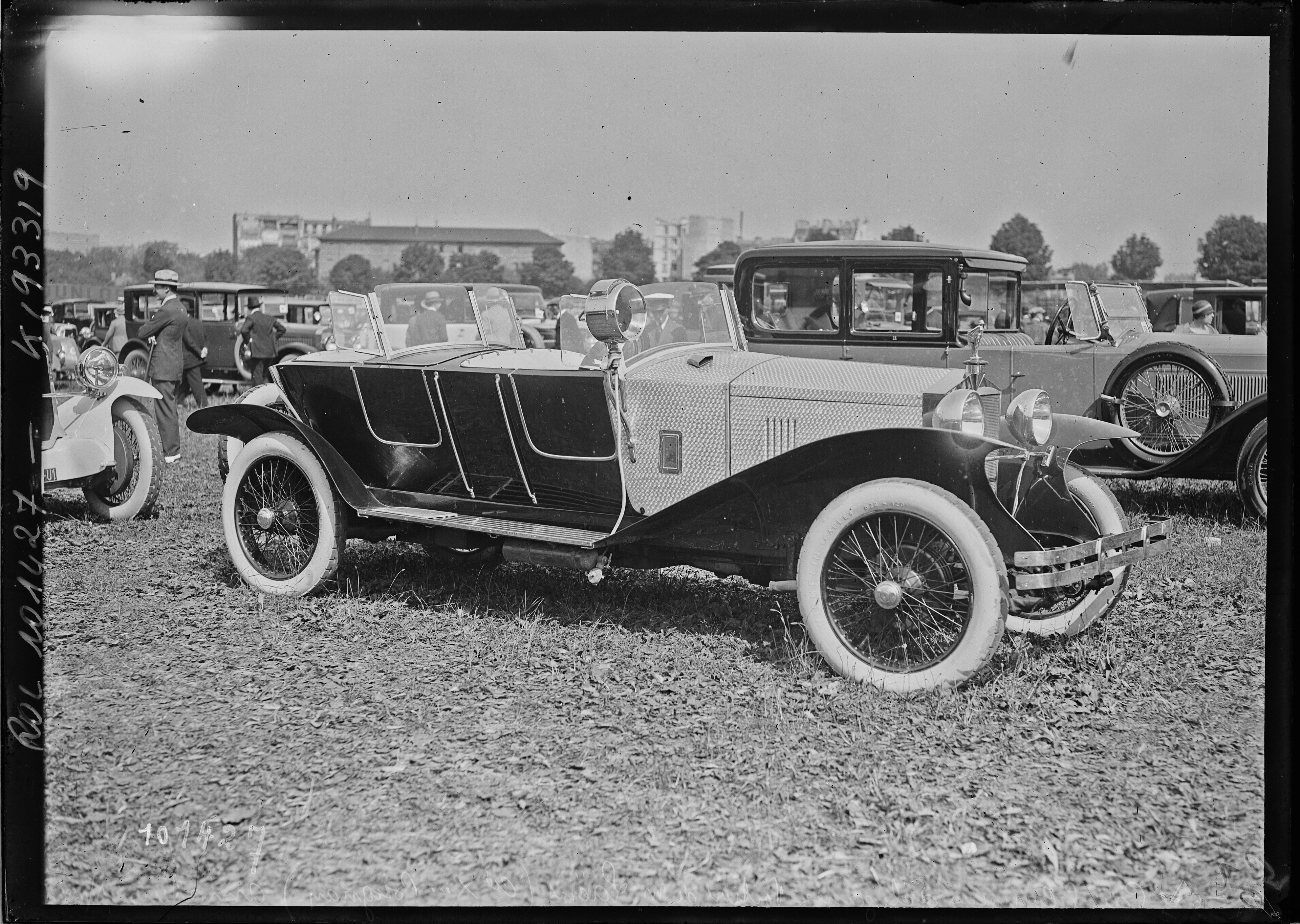
1925 Photo: “File:5-6-25, Parc des Princes, concours d'élégance, voiture de M. Laëns (carrosserie X..., Bignan) (catégorie) amateurs sport ouvertes 4 places - btv1b53147799j.jpg” by Agence Rol / Wikimedia Commons — Public domain
Second generation · Eight-valve 11CV
Revised eight-valve engine with twin oil pumps, 60 bhp; continued in production alongside the 14CV straight-eight until the marque folded in 1931.
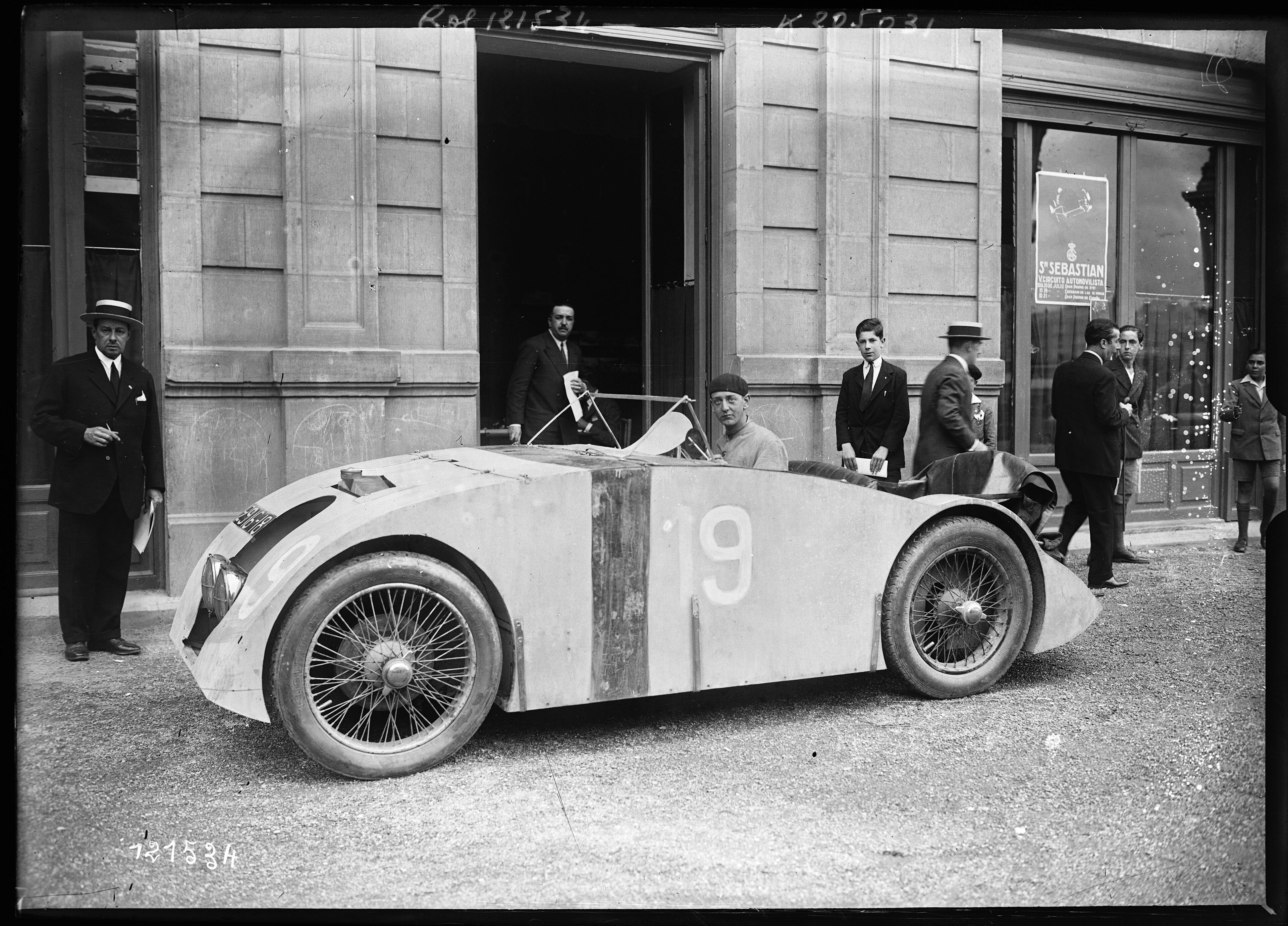
1927 Photo: “File:27-7-27, San Sebastian (Grand Prix de Guipuzcoa), Clause, Gros sur Bignan - btv1b531860399.jpg” by Agence Rol. Agence photographique (commanditaire) / Wikimedia Commons — Public domain
Body styles
- Sport
- Torpedo
Notable special editions & performance variants
Desmo Sport
Competition variant with desmodromic valve gear developed by Albert Guyot and Némorin Causan; 70 bhp, raced at Le Mans 1923–1925 — only two such cars were built.
Related models
Collect the nameplate
Find a scale model of the Bignan 11CV
Search Amazon across available years, colors, and scales. Exact releases vary, so confirm the listing before ordering.