
Berliet Dauphine 11CV History
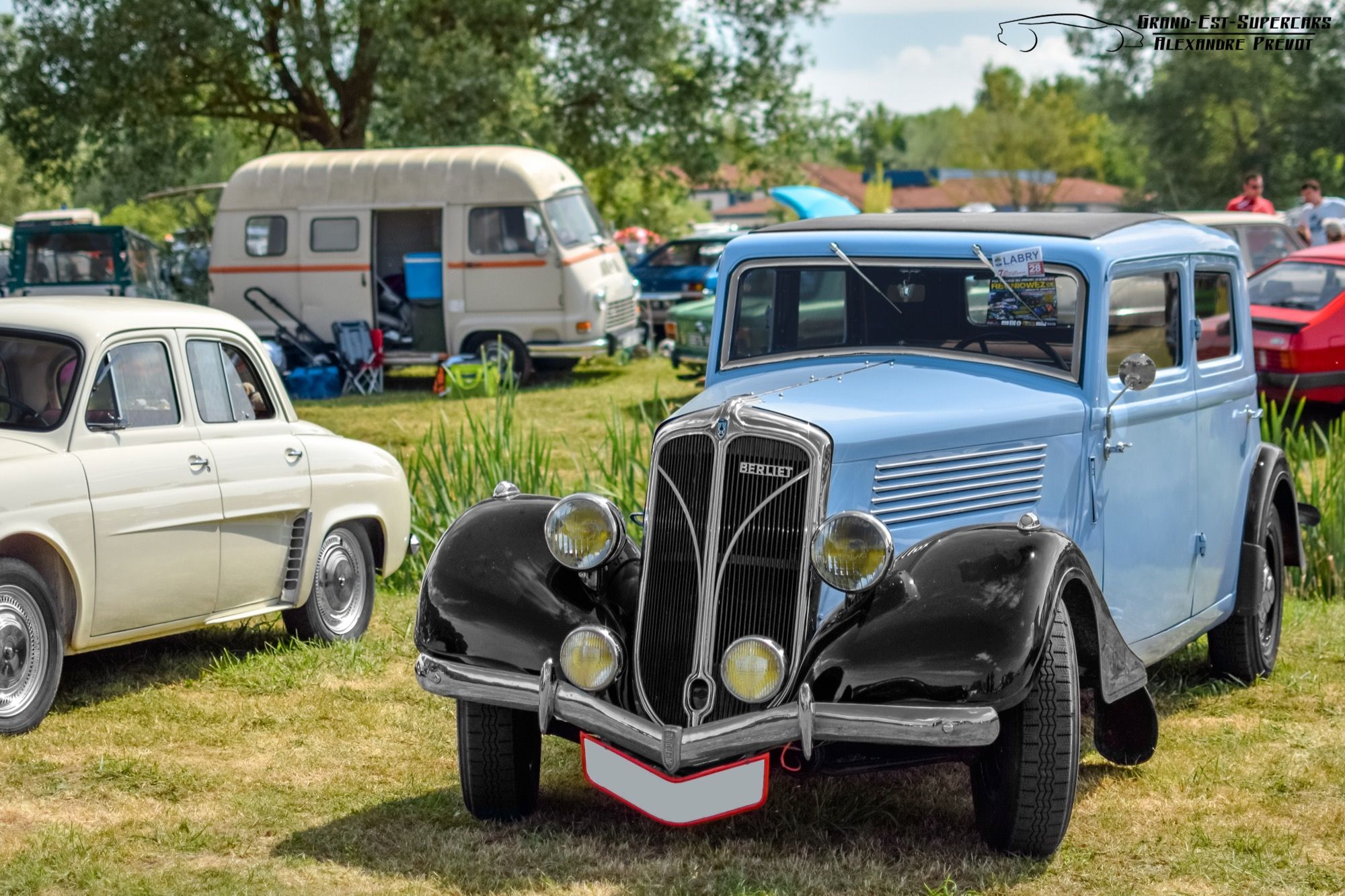
Berliet's last passenger car — a modern 1,990 cc family saloon with independent front suspension, produced in Lyon from 1934 until war ended car production in 1939.
Photo: “Berliet Dauphine (18637151160).jpg” by Alexandre Prévot from Nancy, France / Wikimedia Commons, licensed under CC BY-SA 2.0
History
The Berliet Dauphine was first exhibited at the Paris Motor Show in October 1933 and went on sale in the summer of 1934. Powered by a 1,990 cc four-cylinder water-cooled engine producing 50 hp at 4,000 rpm and rated at 11 CV for French tax purposes, it drove the rear wheels through a four-speed manual gearbox. A 1,600 cc (9 CV) version joined the range shortly afterward, and a 14 CV variant was advertised as available to special order.
The Dauphine was technically up to date for a mid-1930s French car: its chassis featured independent front suspension via a transverse leaf spring combined with rack-and-pinion steering, and the underslung frame allowed a lower ride height than the older overslung designs it replaced. Berliet built the car in four body styles — a four-door berline saloon, a two-door coach saloon, a cabriolet, and a roadster — and approximately 6,850 units had been produced by the end of 1938.
For the October 1938 Paris Motor Show, Berliet unveiled a fully restyled Dauphine with fashionably curved panels in line with the trend set by Peugeot and Citroën. Production of this final version began slowly in early 1939, but by then Berliet had ceased manufacturing its own bodies. The very last Dauphines, launched at the Lyon Trade Fair in March 1939, were built on Berliet chassis and mechanical units clothed in the body of the Peugeot 402, distinguished only by a custom-made Berliet bonnet and radiator grille. With the outbreak of war later that year, passenger-car production ceased permanently; after 1945 Berliet built trucks and buses only.
Generations
First series · VIRL / VIRP
Photo: “Berliet Dauphine (18637151160).jpg” by Alexandre Prévot from Nancy, France / Wikimedia Commons, licensed under CC BY-SA 2.0
Original Dauphine with traditional upright styling; sold as 11 CV (1,990 cc) and 9 CV (1,600 cc) variants; approximately 6,850 built through 1938.
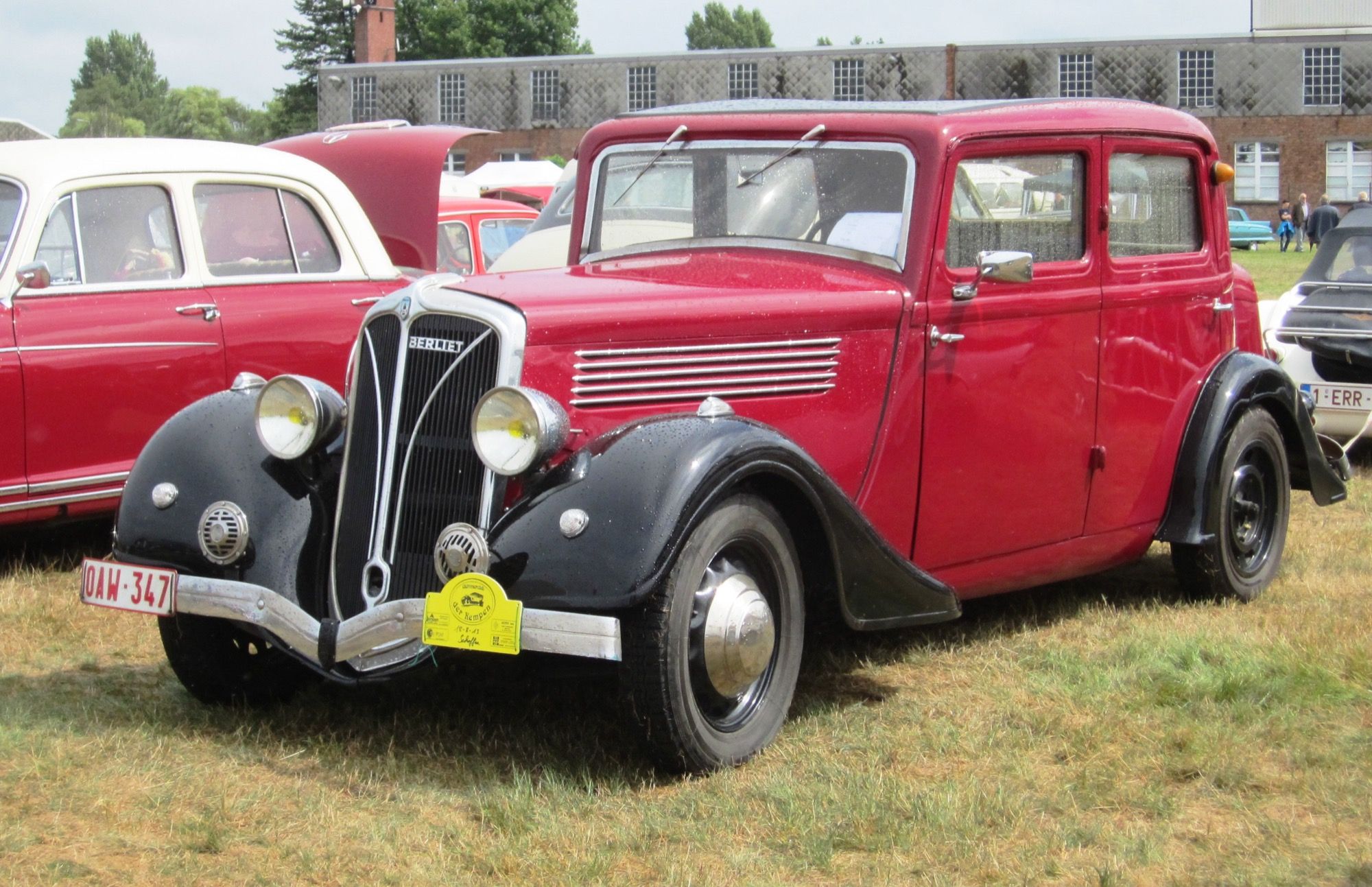
1936 Photo: “Berliet 'Dauphine' berline ca 1936 Schaffen-Diest 2013.JPG” by Charles01 / Wikimedia Commons, licensed under CC BY-SA 3.0
Final series (1938–1939 rebody) · Dauphine 39
Completely restyled curved-panel body shown at October 1938 Paris Motor Show; final production cars used the Peugeot 402 body shell with a Berliet bonnet — Berliet's last passenger cars.
Body styles
- Saloon (berline)
- Coach (2-door saloon)
- Cabriolet
- Roadster
Notable special editions & performance variants
Dauphine 14CV
A higher-output version advertised sur commande (to special order) only briefly in mid-1937, and delisted by the October 1937 Paris Motor Show, making it the rarest Dauphine option; exact engine displacement and production count are not recorded in surviving sources (production believed to have been very small).
Related models
Collect the nameplate
Find a scale model of the Berliet Dauphine 11CV
Search Amazon across available years, colors, and scales. Exact releases vary, so confirm the listing before ordering.